


Israel may be winning battles, but it’s losing the US public
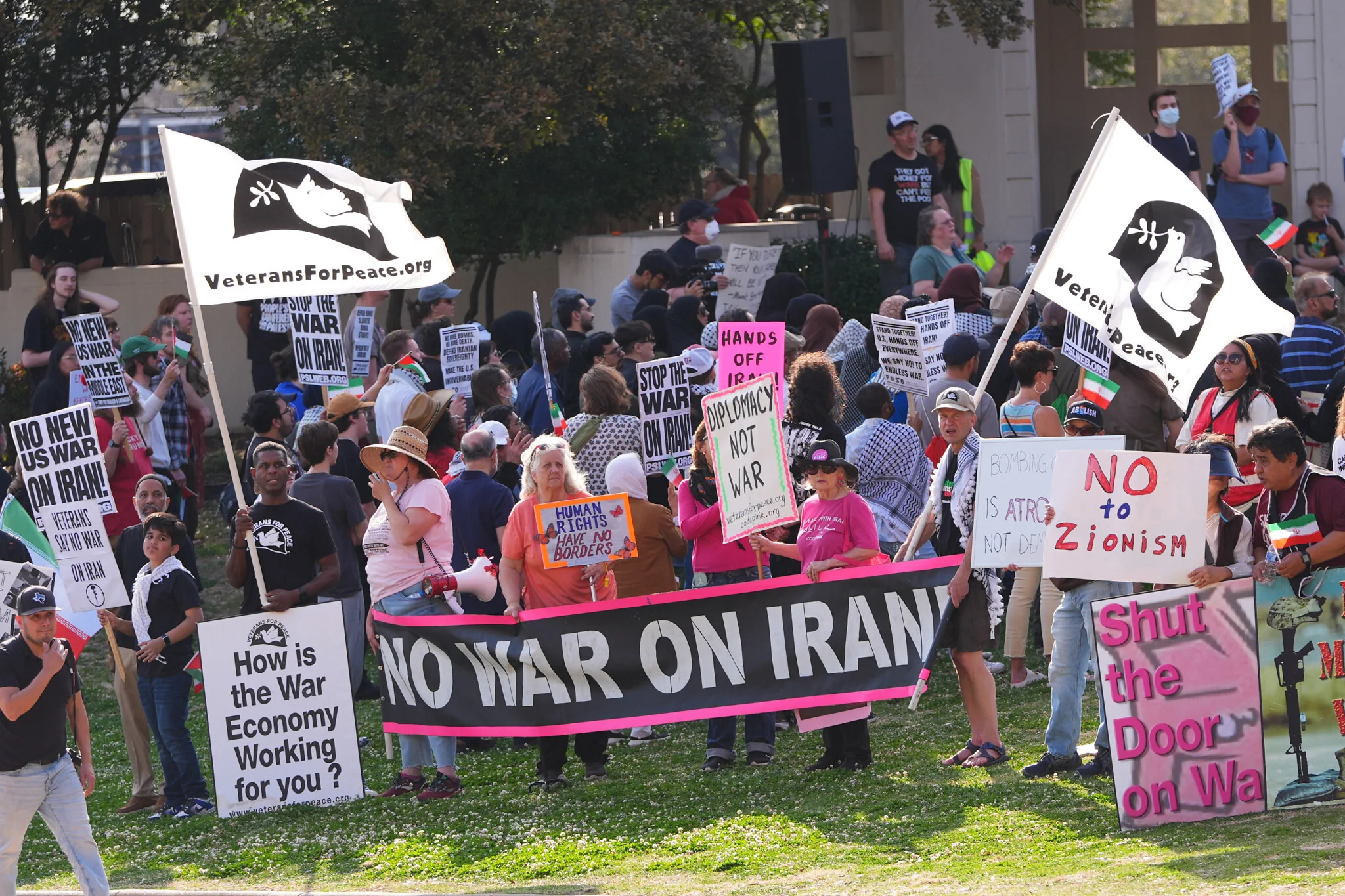
As the war with Iran continues, the US-Israel relationship is simultaneously at its highest and lowest point. The military accomplishments resulting from unprecedented levels of US-Israel coordination and intelligence sharing have been extraordinary in both speed and scope. At the very same moment, Israel’s political standing in the United States is in free fall.
The deterioration of Israel’s standing in the United States is now an urgent strategic challenge unfolding in parallel with the war itself — and many Israelis fail to recognize this reality. According to a recent poll by Tamrur Politigraphy, an Israeli research firm, 81 percent of Jewish Israelis believe the effect of the Iran war will be a “strengthening of the relations between the US and Israel.” By contrast, only 10% of connected US Jews agree with that assessment, per a recent poll by the Jewish People Policy Institute.
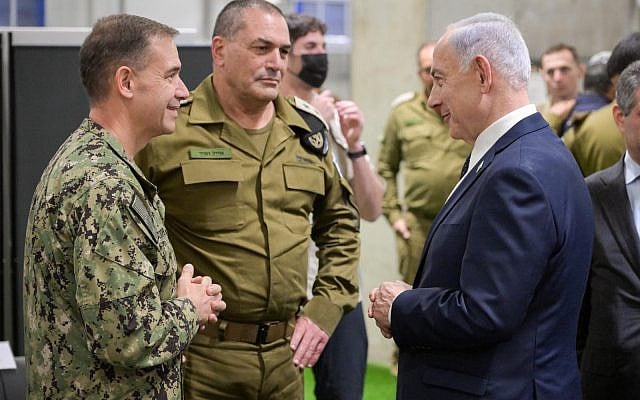
Military relations are indeed stronger than ever, but popular support for Israel in the United States began to collapse before the Iran war and, without concerted attention and action, will continue to do so.
That is because the shared values, interests, and broad popular support that long served as the glue of the US-Israel alliance are crumbling. Within the Democratic Party, a growing majority no longer sees Israel as reflecting American values. In the wake of the war in Gaza, sympathy for Palestinians now far surpasses support for Israel among Democrats.
Among Republicans, the ground is shifting. A rising faction on the far right is more willing to argue that Israel’s actions are entangling the United States in costly wars than serving to advance shared strategic interests. In late 2025, a Pew Research poll showed 50% of Republicans under the age of 50 had an unfavorable view of Israel. And while support from President Trump’s base remains strongly supportive of his decision to go to war with Iran, a majority of Americans were opposed, wary of yet another military adventure aimed at regime change in the Middle East.
Further tensions ahead
The end of the Iran war will not suspend or reverse these trends. If anything, the trajectory in the region points to further escalation, and Israel’s standing in the United States could be further strained amidst the scenes of conflicts still to come. If the Iranian regime survives, albeit weakened as most analysts and officials now acknowledge is the most likely outcome, this war could serve as only one round in what could become a prolonged series of Iranian–Israeli confrontations.
In Gaza, Hamas remains resilient and shows no signs of disarming, making another round of war increasingly likely. In the West Bank, tensions are reaching a boiling point, with both extremist Palestinians and radical settlers having incentives to ignite wider violence that could risk the collapse of the already fragile Palestinian Authority, spark instability in neighboring Jordan, and jeopardize President Trump’s visions for Gaza and the broader Middle East.
To the north, expanded Israeli operations in southern Lebanon could mire Israel into yet another open-ended military presence there, and Israeli apprehensions about the new Syrian government could lead to still more Israeli military interventions.
Israel is treating this period as a “use it or lose it” moment, maximizing what can be done militarily while the Trump administration’s support remains strong. But it should also be asking how to take the “lose it” scenario off the table. This moment could be used not only to reshape the regional security landscape, but to advance political steps that would help stabilize Israel’s standing in the United States for the long term.
Bring back shared values
That means pairing military gains with political moves – regionally and on the Palestinian front – that can begin to rebuild bipartisan support in the United States and recenter the values and interests that have long anchored the relationship. This would not require Israel to accept a Palestinian state today or tomorrow, or to diminish its resolve to counter security threats. But it would require Israel articulating a political vision for a more peaceful future that it is prepared to actively work towards.
That should include working alongside regional partners – and the United States – to ensure that Palestinian national aspirations are ultimately addressed alongside the development of stringent security mechanisms, stable governance, education systems, and regional support that Israelis and Palestinians would each need in order to establish and sustain any kind of future two-state framework. This kind of Israeli initiative could help advance President Trump’s agenda for Gaza and beyond while attracting broad regional and international support.
However, the current political realities in Israel hardly suggest such an approach is forthcoming.
Israelis have moved to the right, understandably hardened in their attitudes against the creation of a Palestinian state and any territorial compromise in the wake of October 7, increasingly accepting the notion that Israel will be isolated and criticized no matter what it does, and holding the view that criticism of Israel reflects the global surge of antisemitism more than any policy differences.
Moreover, since October 7, Israel has dramatically improved its regional position. Hamas has been severely degraded. Hezbollah has been weakened. The Assad regime in Syria collapsed. The Houthis have been pushed to the margins, and, as noted above, Iran itself has been significantly weakened. At the same time, Israel’s strategic alignment and intelligence cooperation with key Arab states have only deepened, even as the process toward expanding Israel-Arab normalization agreements has stalled.
Too important to fail
But none of these gains would have been possible without the military and intelligence support of – and cooperation with – the United States. And it is now the erosion of popular and bipartisan support in the United States that represents an existential security threat to Israel – one that will require the same sustained attention and determination that Israel has demonstrated in confronting Iran, its proxies, and its nuclear ambitions.
However the Iran war concludes, Israelis and Americans are entering into a new era for their relationship. Its shape will depend greatly on whether Israel follows military action with political pursuits. In the aftermath of October 7, and particularly since Trump’s reelection, Israeli leaders have moved relentlessly to reshape a dangerous regional environment. When citizens are under threat, long-term political considerations take a back seat to immediate security needs, but the crisis in US-Israel relations must be recognized by Israel as an urgent matter.
The US-Israel alliance is too important for Israel to let it fail. Without a shift in its political approach to the Palestinian issue and to the wider region, Israel will continue to win battles while steadily weakening the political foundation that has made those victories possible.