


Israel recognizes Armenian genocide: Symbolism with geopolitical impact
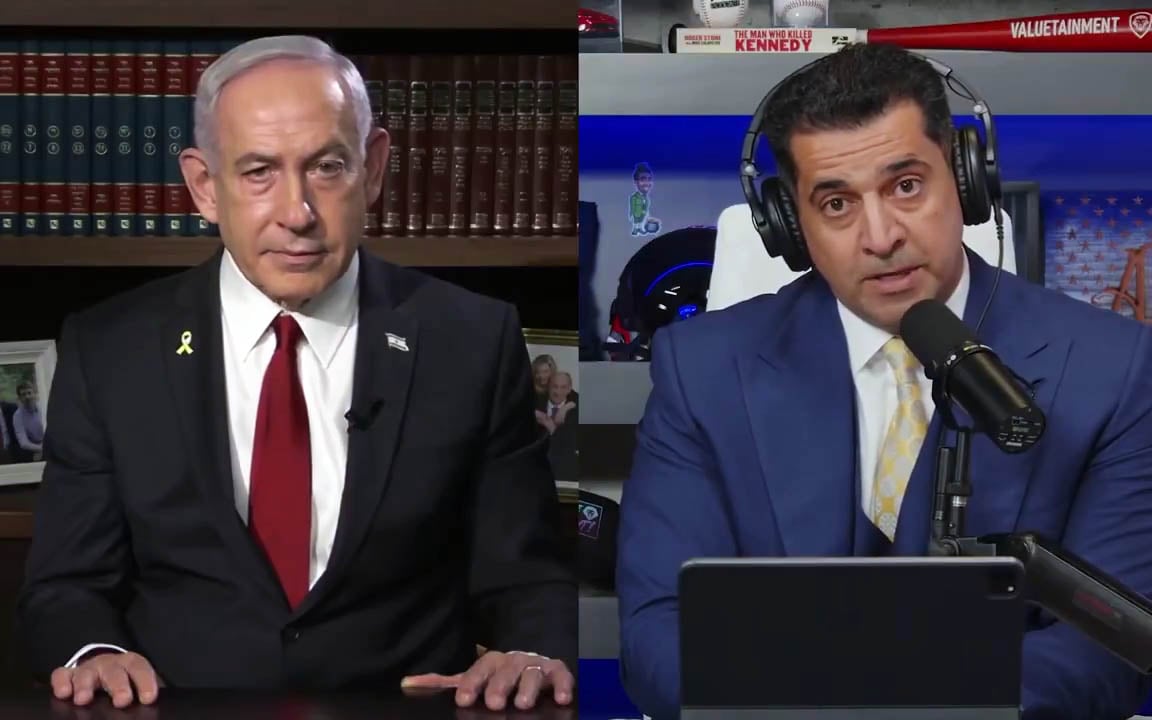
B. Netanyahu’s decision to recognize the Armenian Genocide marks a breach in Israeli diplomatic tradition. Due to geopolitical considerations, the Jewish state had avoided using this term. not offending Ankara, protecting its ties with Azerbaijan, and preserving room for maneuver in the Middle East. By breaking this taboo, the Israeli Prime Minister chooses a principled line that will not be without consequences for the regional balance.
A Blow to Israeli-Turkish Relations.
Turkey never tolerated international recognition of the Armenian Genocide and normally reacts with diplomatic sanctions—recalls of ambassadors, official condemnations, and the suspension of bilateral meetings. Everything indicates that Ankara will express its anger. The fragile partnership between Israel and Turkey is undergoing a new “round” of tension.
Syria, a Field of Indirect Confrontation.
Beyond the symbolic dimension, the Syrian issue is the arena in which this gesture could have important consequences. For a few years, Ankara has increased influence in northern Syria, with the goal of securing its borders and strengthening its presence there. Israel, for its part, remains focused on neutralizing the threats of Iran and its proxies while monitoring the new Syrian regime. If recognition of the genocide increases tensions, there is a real risk of seeing the “deconfliction” mechanisms on the ground diminish. The Israeli and Turkish armies, already “wary,” could engage in an indirect confrontation or military incidents.
Regional Repercussions
This recognition is not limited only to the Turkish-Israeli axis. Azerbaijan, a strategic ally of Israel and a close ally of Turkey, may perceive it as a provocation and undermine valuable cooperation in the energy and military sectors. On the other hand , Armenia and the Armenian diaspora will welcome this gesture, as will certain European countries and the United States, which will see it as confirmation of a convergence of memories.
A Risky but Calculated Gamble.
Israel is well aware that its relationship with Turkey has oscillated between forced cooperation and constant hostility for years. Netanyahu’s decision to formalize the recognition of the Armenian Genocide confirms that the bilateral relationship is currently under strain. The fact remains that Turkey, a regional power, has significant leverage, and in a region as significant changes occur, this ethical action could result in tangible strategic costs. Israel’s recognition of the Armenian genocide is not just a memorial decision; it is a political act. By seeking to embed memory in diplomacy, Netanyahu is opening a new chapter where principles collide head-on with geopolitical realities.