


Israel strikes in Doha: the end of diplomatic taboos
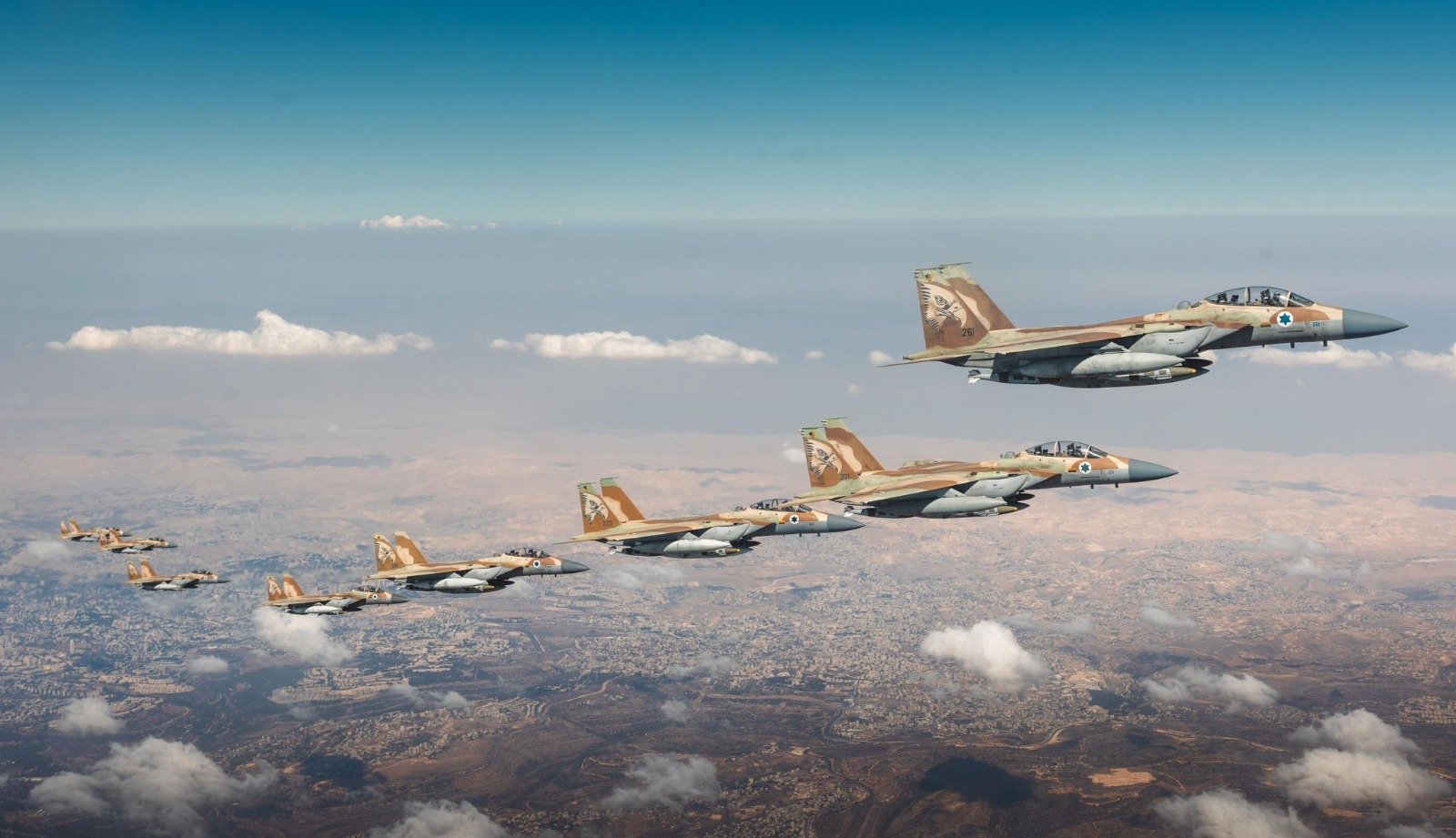
September 9, 2025, will be recorded as a pivotal moment in the history of the Middle East. For the first time, the Israeli army carried out a large-scale military operation on the territory of a US ally, striking a meeting of senior Hamas officials in Doha. The impact is not merely military; it is primarily diplomatic and strategic. It shows a major break in how Israel now conceives of its security priorities and the hierarchy of its alliances.
Until now, Israel always avoided projecting its military influence beyond its immediate surroundings and, above all, attacking the territory of a country allied with Washington. Qatar is home to the Al-Udeid air base, a key military base of US power projection in the Middle East. By targeting Hamas leaders on this territory, Israel is challenging not only Hamas but also the diplomatic framework built around Qatari mediation.
Doha is not a minor player: for years, it served as a negotiation platform, an essential link between Israel, the United States, and Hamas. It is precisely this role that has now been disrupted. How can a movement like Hamas still meet in Qatar and feel safe? How can Qatar convince Israel or Washington of its ability to serve as a mediator when its neutrality has just been violated by a targeted airstrike?
By acting in this way, Israel is sending multiple messages. The first, to Hamas, is clear: there are no longer any safe havens. Neither Doha nor Beirut nor even Istanbul can guarantee the safety of these leaders. The second message is “indirectly” aimed at Qatar: its alleged tolerance toward Hamas will no longer be accepted even if it is disguised as mediation. The third message is directed at Washington: Israel is ready to act with complete autonomy, even at the risk of embarrassing its main ally.
This strike, dubbed “Operation Burning Summit” by Israeli authorities, thus reflects a strategic shift. It firmly establishes that the military goal—removing Hamas leadership—takes precedence over all other diplomatic factors. The ceasefire efforts led by the United States and facilitated by Doha appear to have been marginalized in favor of an all-out confrontational approach.
But this demonstration of strength raises potentially far-reaching questions. Qatar, humiliated on its own territory, cannot continue to play the role of THE mediator. The United States, caught between its strategic alliance with Israel and its military partnership with Doha, should clarify its position. More broadly, the entire Gulf region is watching with concern as Israel demonstrates its ability to strike wherever it deems necessary.
By striking in Doha, Israel has opened a breach in the regional diplomatic order. This operation, far from being a simple targeted killing, is a geopolitical statement: no compromise or mediation will be able to halt the Israeli offensive until Hamas is dismantled, and it could alter the balance of negotiations and alliances in the conflict.