


Israel vs Iran: A war between a state and a regime, not between nations
They tell of a fox who once strutted through the forest shouting, “I devour panthers! I swallow lions and tiger’s whole! No beast dares to challenge me!” But one day, mid-boast, a lion silently appeared behind him. The fox, startled and trembling, turned around—and stammered, “Of course… sometimes I eat humble pie too.”
This, in many ways, is the story of the Islamic Republic of Iran. After nearly half a century of roaring threats against Israel and the free world, the regime now finds itself facing a reality it never imagined—even in its darkest nightmares.
In recent months, the world has witnessed a dramatic escalation between Israel and the Islamic Republic of Iran. But it is critical to understand: this was not a war between Israel and the Iranian people. It was, and continues to be, a conflict between the State of Israel and the unelected clerical regime ruling Iran—a regime that has held its own people hostage for more than four decades.
The Regime’s Bluster Meets Reality
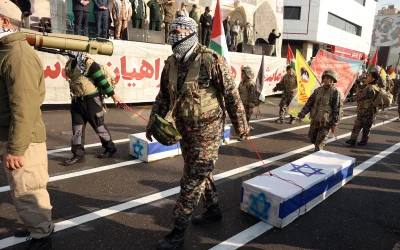
For nearly 45 years, Iran’s clerical rulers have projected aggression through fiery rhetoric and proxy warfare.
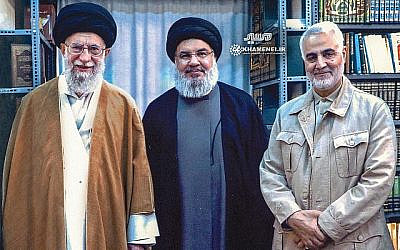
Like the proverbial fox that boasts of devouring lions—only to cower when confronted by one—the Islamic Republic has found itself unprepared for the consequences of its provocations. After decades of threatening Israel and the West, Tehran now faces destruction it once believed it could inflict.
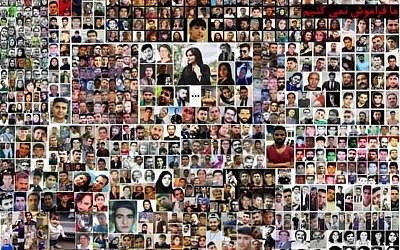
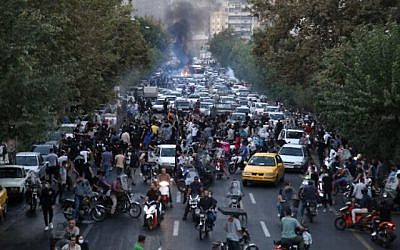
The events that have unfolded should not be mischaracterized as a war between nations. The Iranian people, many of whom have suffered repression, imprisonment, torture, and economic despair under the Islamic Republic, are not at war with Israel. Rather, they are victims of the very same regime that instigated this conflict.
A Calculated Provocation
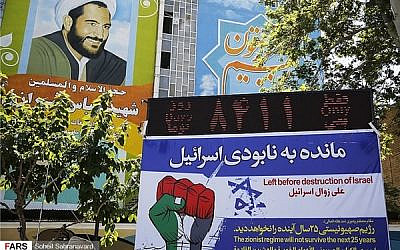
The regime’s long-standing hostility toward Israel is well documented. Beyond rhetoric, it has repeatedly threatened regional neighbors and Western powers with missile attacks. It has plastered public billboards with countdown clocks to Israel’s destruction and has openly fantasized about extermination.
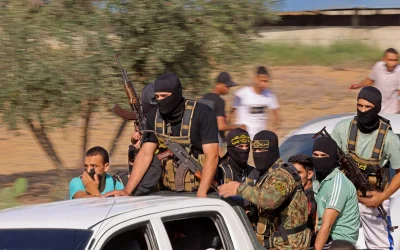
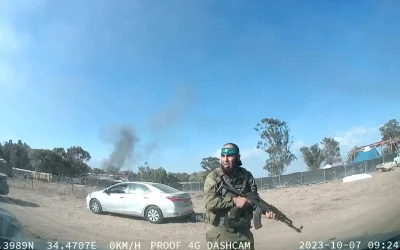
Funded in part by billions of dollars released under previous international agreements, Tehran built a vast network of regional proxy forces, pursued a covert nuclear weapons program, and developed long-range ballistic missile capabilities. Underground missile cities, clandestine uranium enrichment, and the orchestration of the deadly October 7 attacks are part of this long-term strategy.

What the regime failed to anticipate was Israel’s response. After absorbing rocket barrages launched in multiple waves, Israel struck back with precision, targeting nuclear and military infrastructure inside Iran. These actions were designed to neutralize direct threats—not civilians.
Collateral Damage and Moral Complexity
It is deeply regrettable that some Iranian civilians were killed during Israel’s retaliatory strikes. Every civilian life lost is a tragedy. However, the responsibility for this bloodshed rests, in large part, with the Iranian regime, which has consistently embedded military infrastructure in populated areas and, during the attacks, deliberately disrupted internet services—preventing civilians from receiving evacuation warnings.
Moreover, it must be noted that for decades, the Islamic Republic and its proxy militias have carried out direct attacks against Israeli civilians, often targeting women and children. In contrast, Israel’s military response, while forceful, was aimed at those responsible for state-sponsored terrorism and nuclear escalation.
The Weaponization of Nationalism
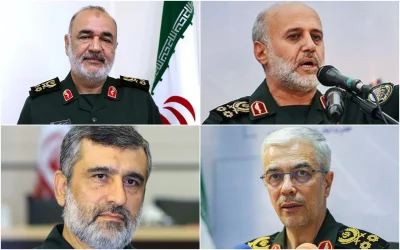
The war has also revealed the extent to which the Islamic Republic’s propaganda machine operates beyond its borders. Regime sympathizers who remained silent during the brutal crackdowns on Iranian protesters—particularly women and youth—have now mobilized, framing support for the regime as a form of nationalism.
But this is a deception. The same regime now invoking nationalism has systematically suppressed Iranian culture and history. It has banned public celebrations of Cyrus the Great, refused to name streets after national icons, and aggressively promoted a theocratic identity in place of Iranian heritage. Nationalism, in this context, is being weaponized to protect a regime that has little regard for the nation itself.
Strategic Consequences
One of the most immediate outcomes of this confrontation has been the destruction of Iran’s multibillion-dollar nuclear investment. Years of secret development were undone in a matter of days. Funds that could have built schools, hospitals, and homes for millions of Iranians were instead funnelled into weapons programs and foreign militias.

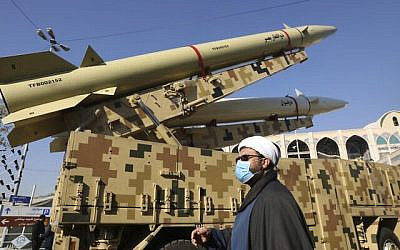
The regime’s attempt to deceive the world about its nuclear ambitions was ultimately foiled by a combination of international scrutiny and Israel’s timely action. The International Atomic Energy Agency had already issued warnings, and Israel’s pre-emptive strike may well have averted a far more dangerous future.
Conclusion: A Regime Isolated, A People Resilient
The Islamic Republic has lost a war it initiated. It miscalculated both the regional response and the resolve of the international community. But amid the geopolitical fallout, it is vital that the global narrative remains accurate: this was not a war between two peoples, but a regime-driven confrontation.
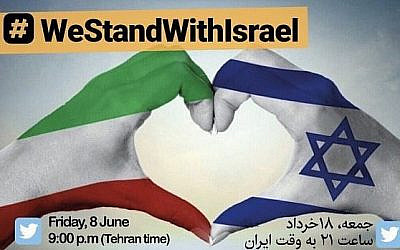
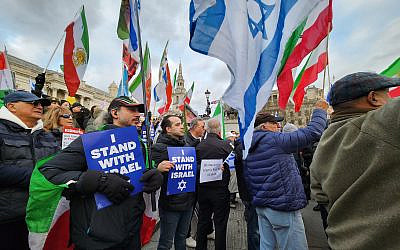
The Iranian people deserve recognition—not as enemies—but as victims of a theocratic dictatorship that drags them into conflict while denying them basic freedoms. If there is to be peace in the region, it must begin with distinguishing between the rulers of Iran and the millions who live under their oppression.