Israeli Technology Boosts Inclusion for the Visually Impaired
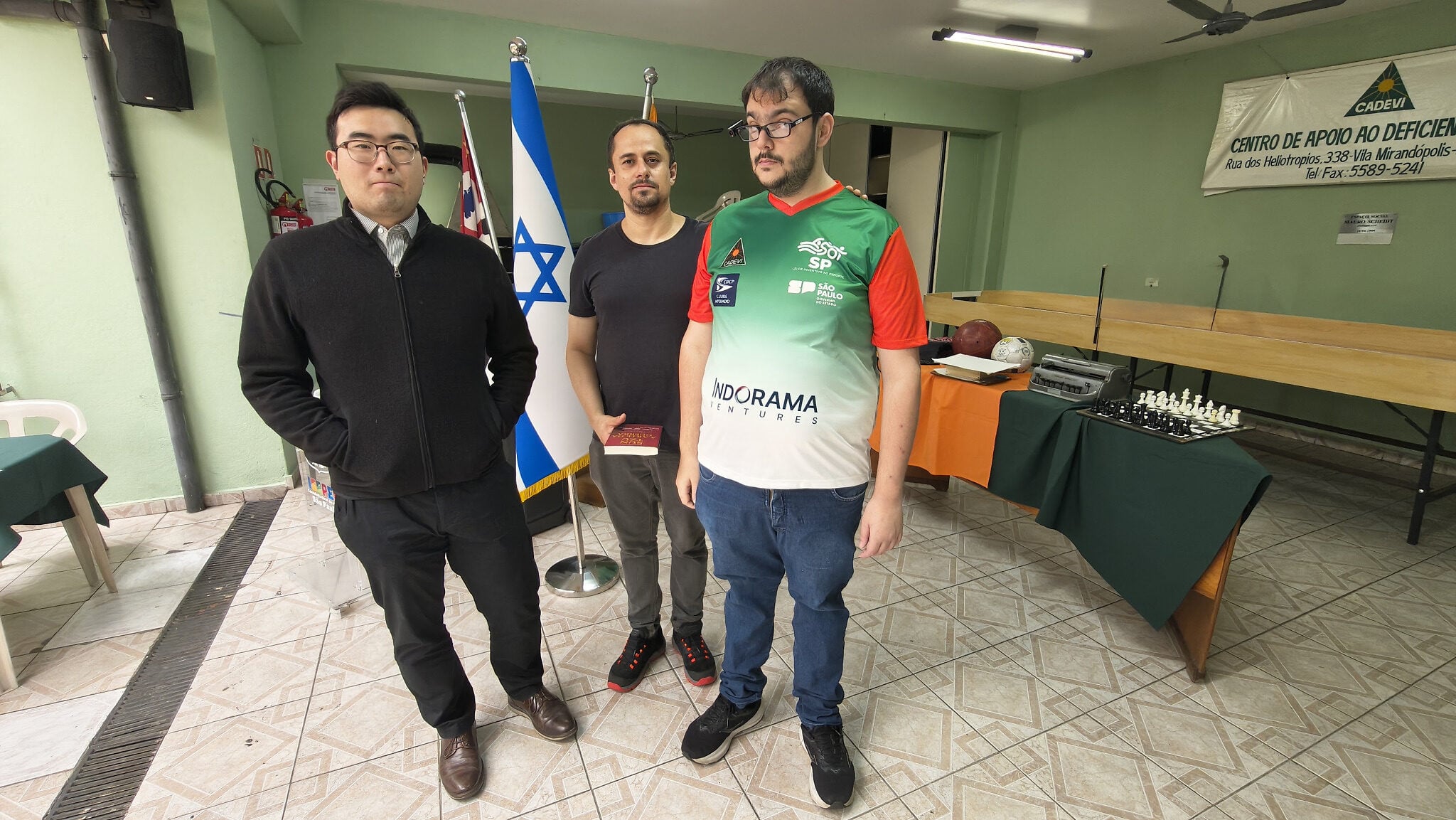
The Center for the Support of the Visually Impaired (Cadevi), an organization founded on February 15, 1984, in São Paulo by blind individuals, recently hosted a special event marked by the delivery of new technological resources designed to enhance the independence of people with visual impairments.
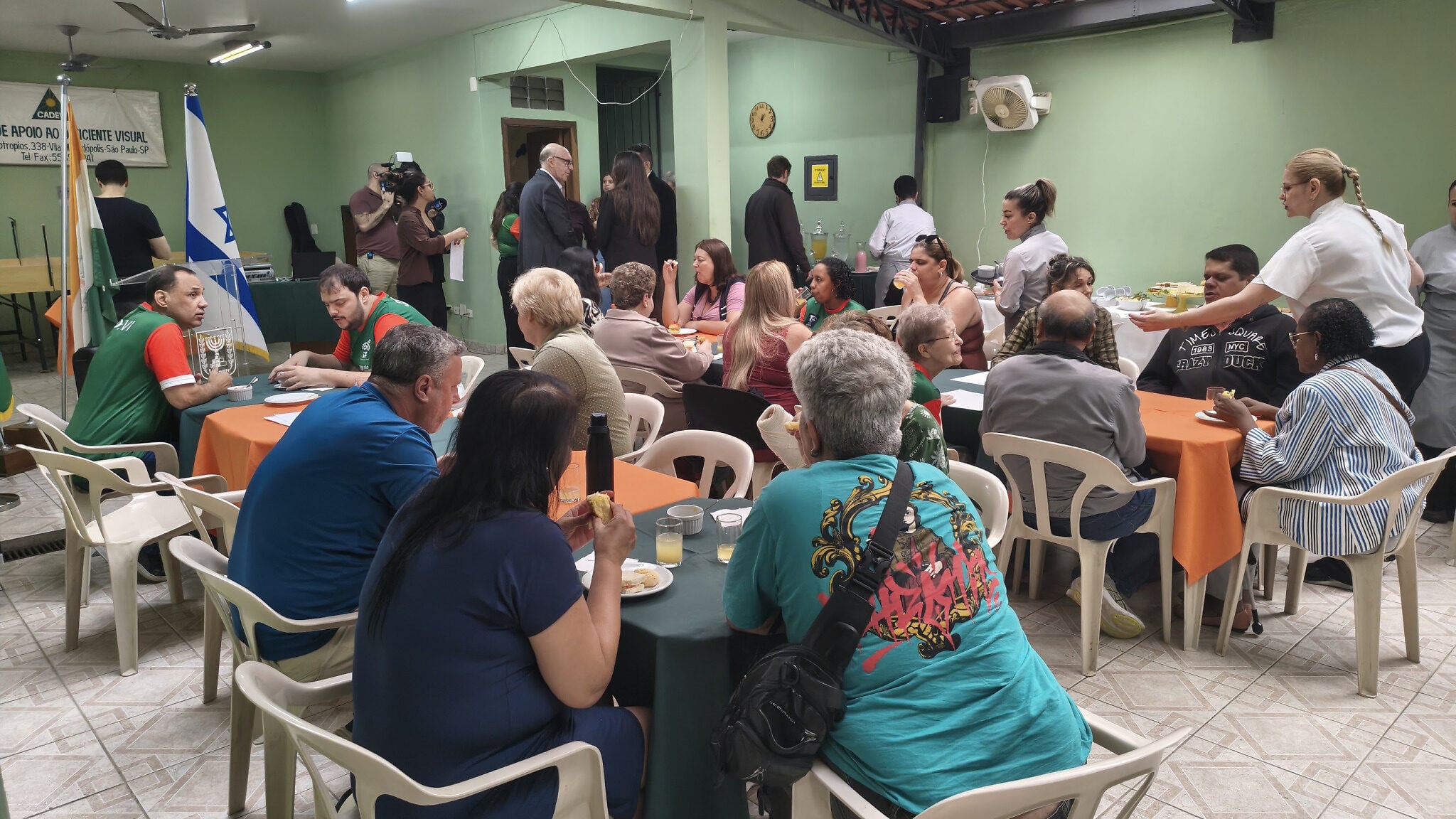
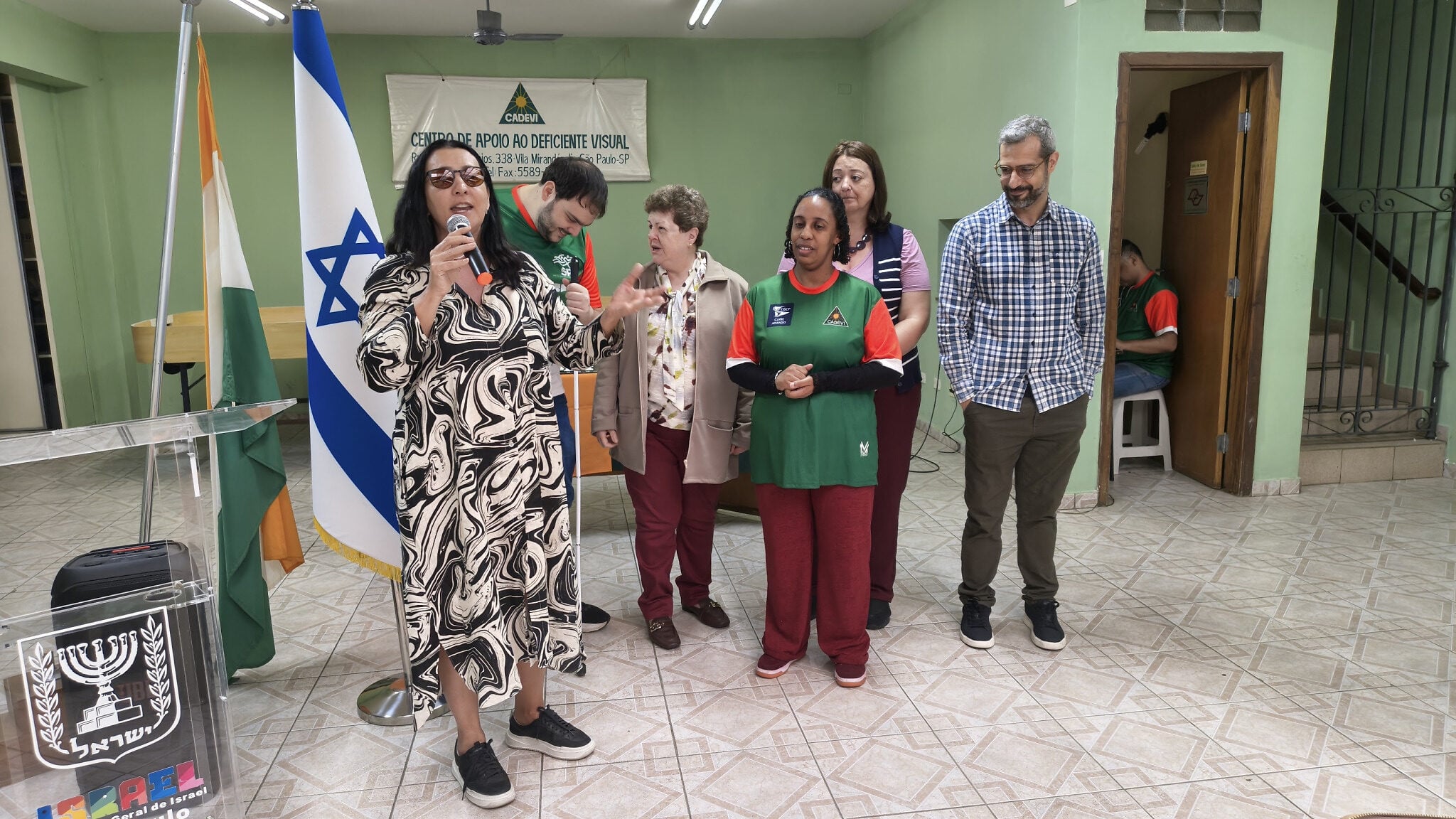
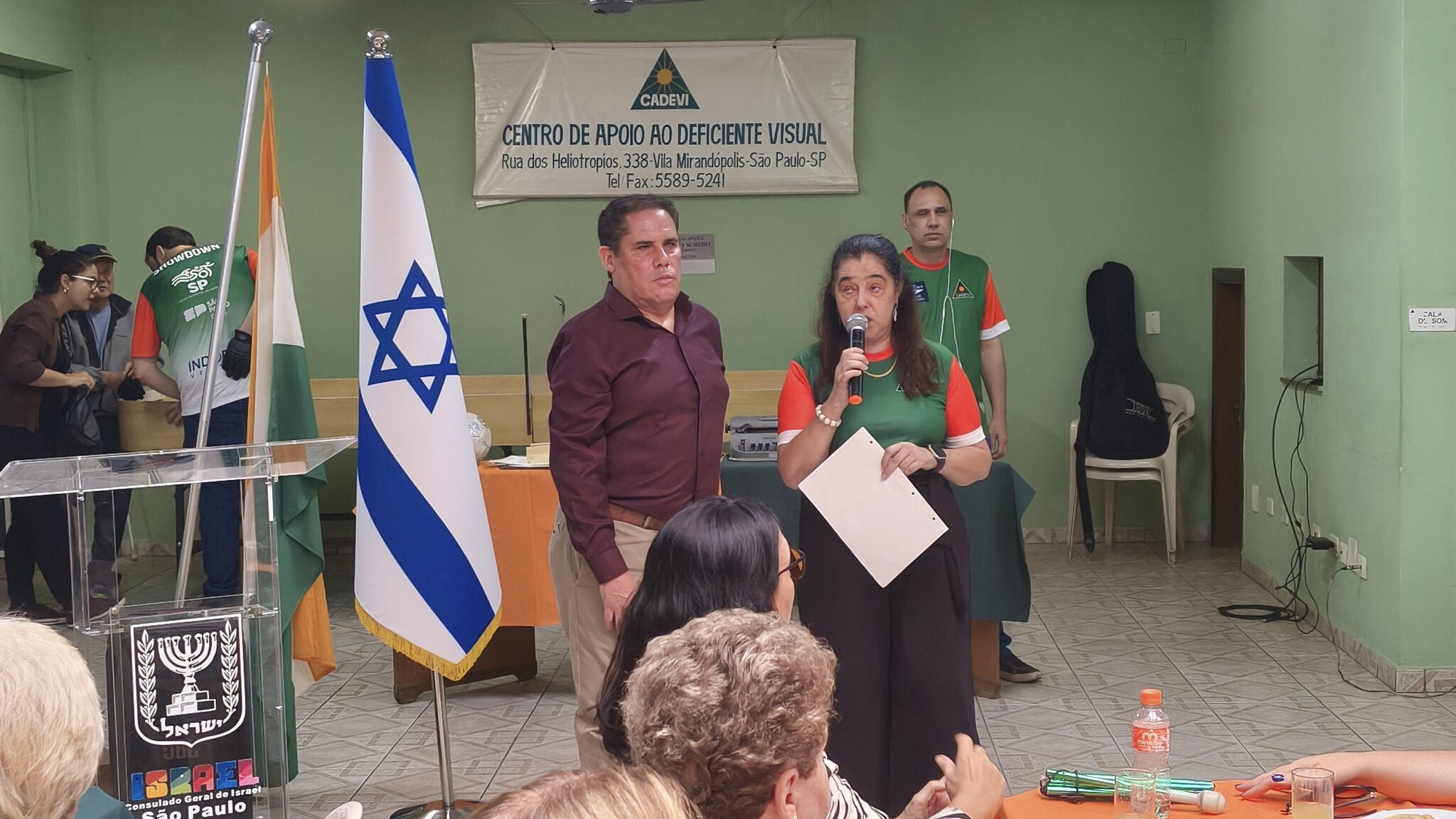
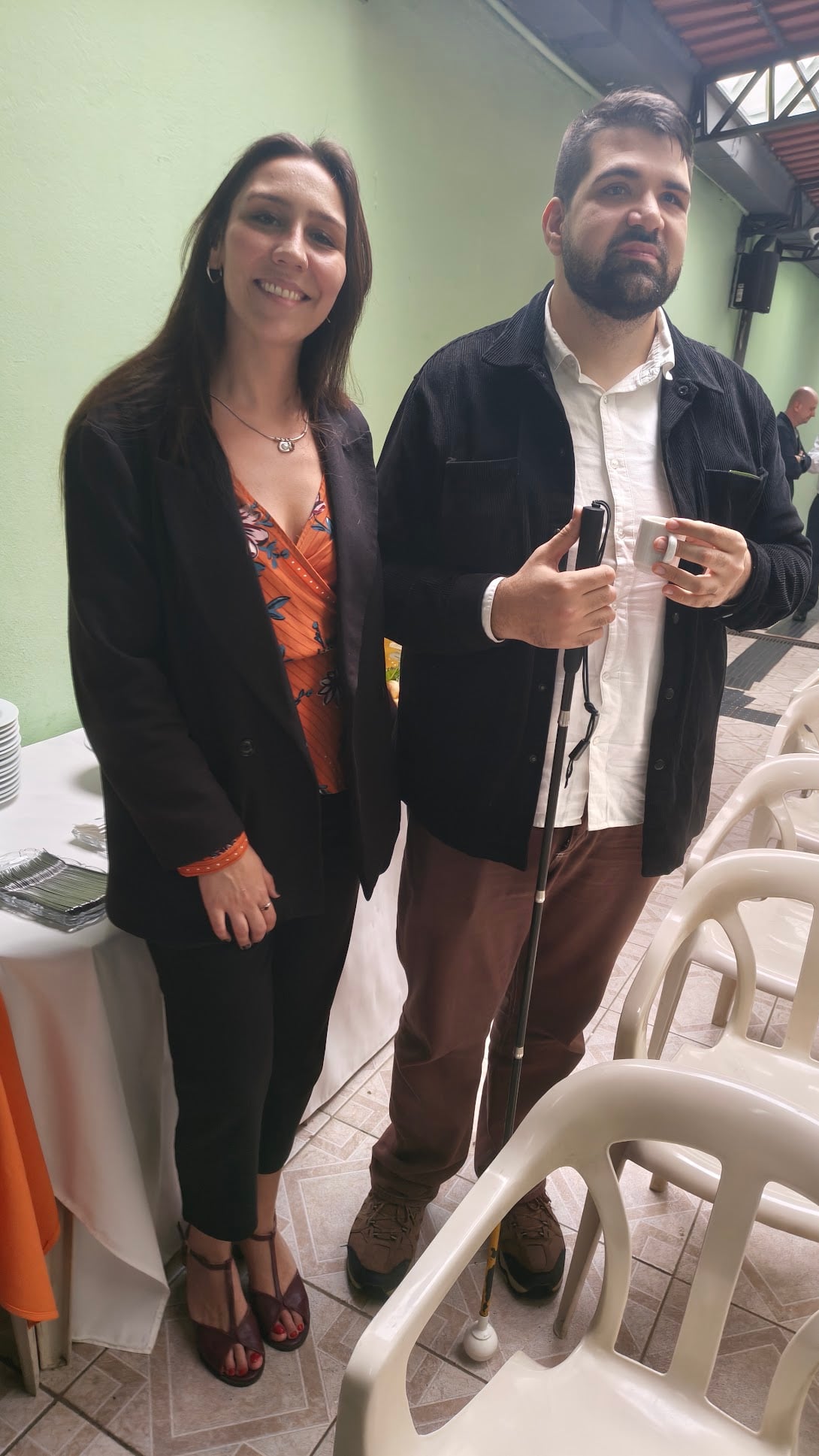
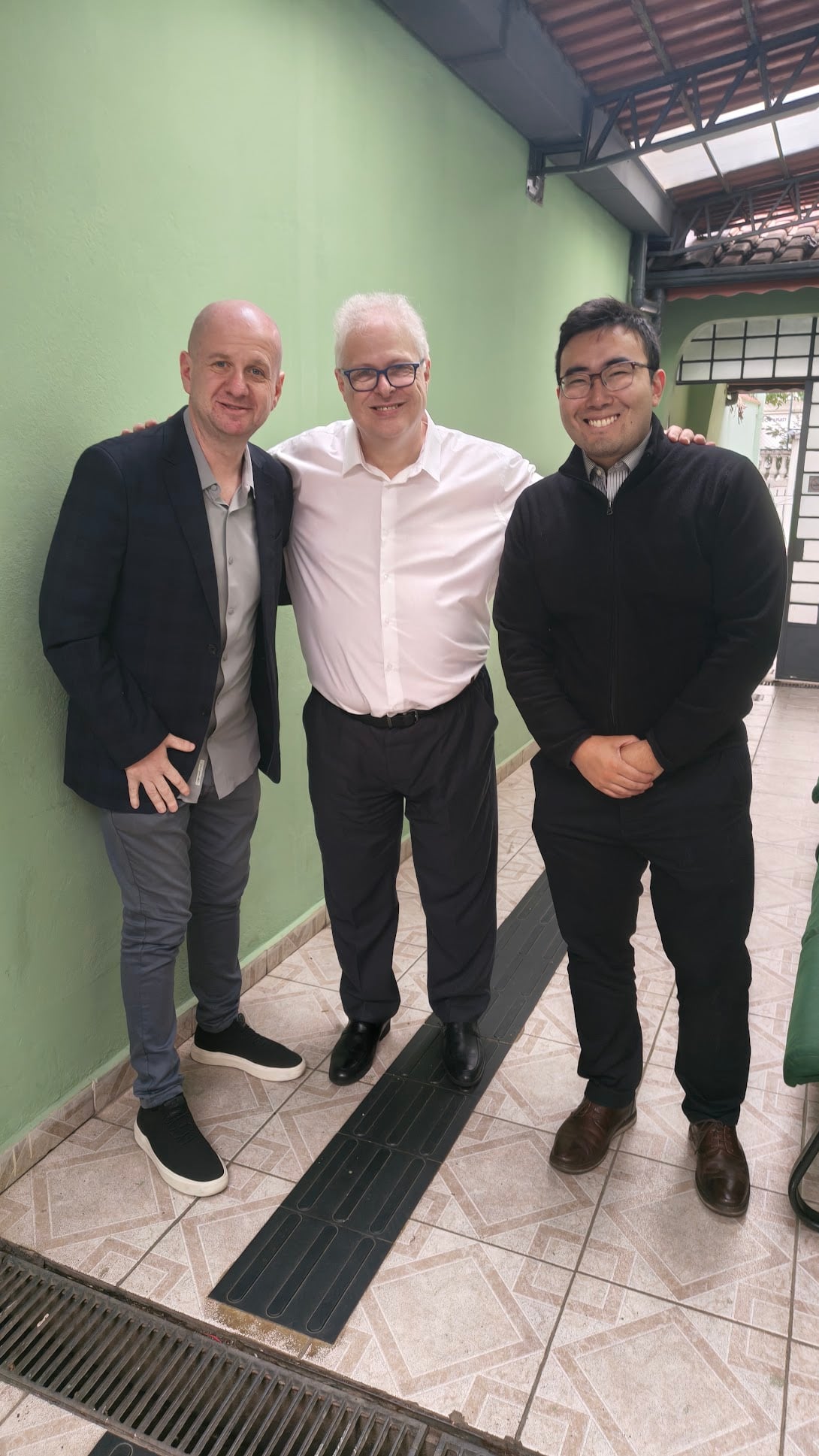
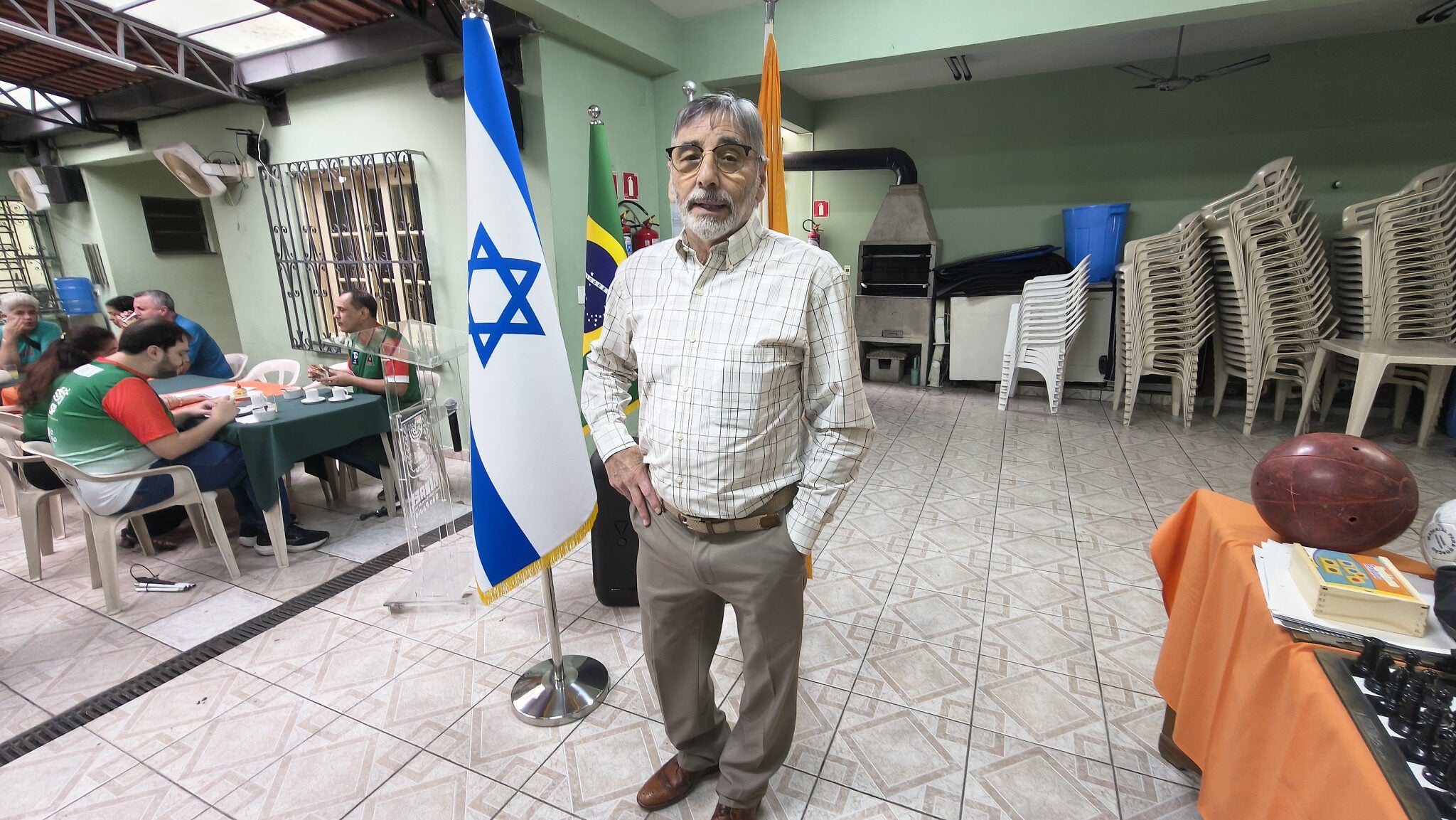
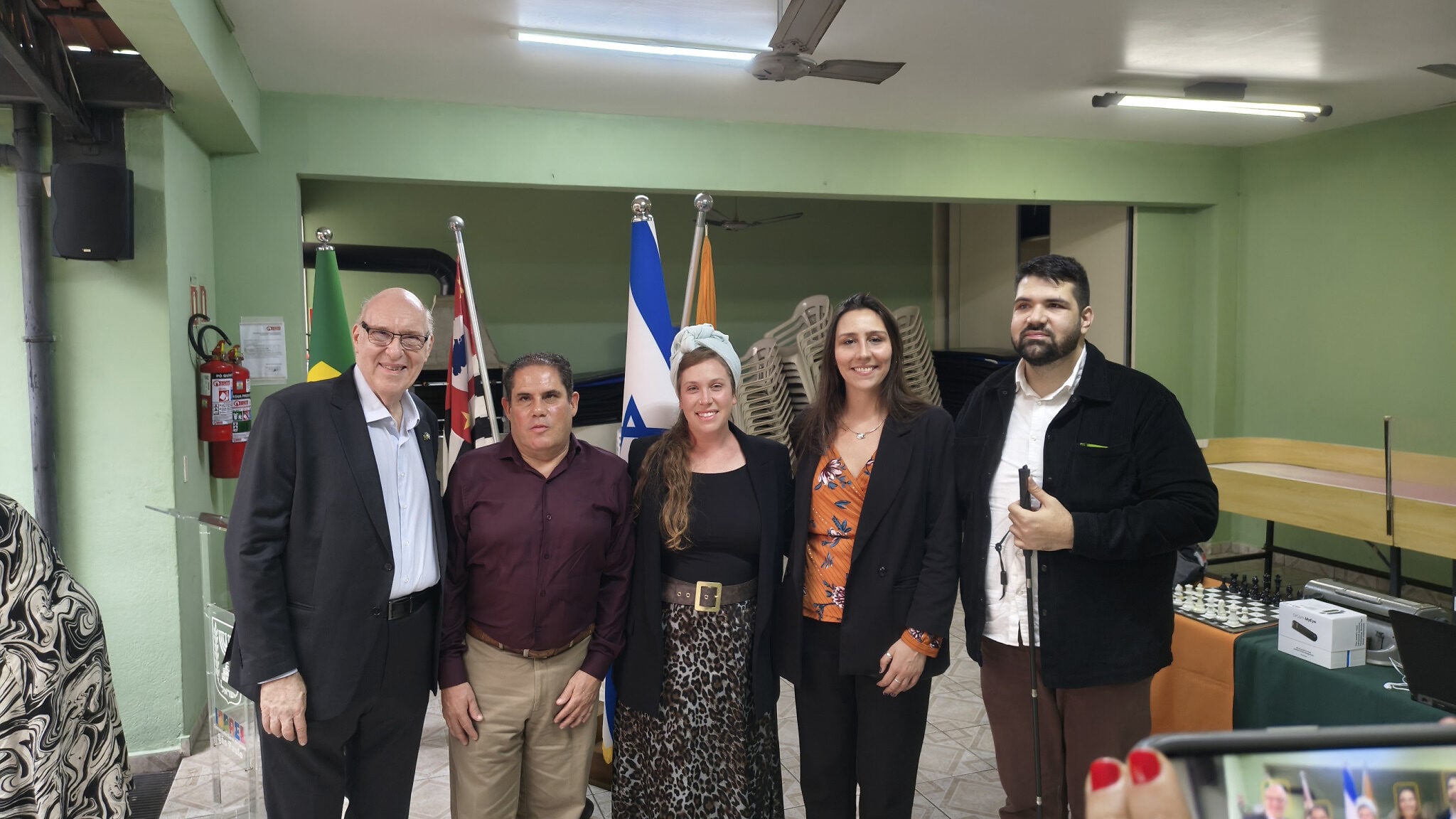
The event was attended by prominent representatives of Israel’s diplomatic community, institutional organizations, and the private sector. Among the guests were Israeli Consul Gili Vilian, accompanied by her team; Ricardo Berkiensztat, Executive President of the Israelite Federation of the State of São Paulo (Fisesp); Doron Sadka, CEO of Mais Autonomia Assistive Technologies; Cleiton de Souza, Communications and Marketing Manager at Mais Autonomia; and Milla, representing São Paulo Mayor Ricardo Nunes. Their participation highlighted the importance of partnerships among civil society organizations, private companies, and public authorities in promoting inclusion, accessibility, and independence for people with visual disabilities.
Today, Cadevi serves approximately 200 individuals through educational, sports, cultural, and social inclusion programs. The initiative that inspired the gathering was made possible through a donation from the Israeli Consulate, which provided the organization with an OrCam device and funding to repair two machines that had been out of service.
The event brought together students, volunteers, supporters, and community representatives to showcase Cadevi’s activities and celebrate another step forward in advancing accessibility.
Braille: Learning and Independence
Among the activities presented, Braille literacy received special attention. The method is particularly important for people who lose their vision in adulthood and need to develop new reading and writing skills.
Participants were introduced to the main tools used in Braille instruction, including the Braille typewriter and the slate and stylus, a more affordable alternative that requires greater practice to master. Demonstrations explained the six-dot tactile system that forms letters, numbers, and symbols, enabling written communication for people with visual impairments.
Adapted Chess Encourages Strategy and Social Interaction
Visitors also had the opportunity to learn about adapted chess, which follows the same rules as traditional chess but uses a perforated board that secures the pieces in place.
One of the most interesting adaptations involves games between blind and sighted players. While sighted players must move a piece immediately after touching it, visually impaired players announce their move before making it. The system ensures equal conditions and fosters interaction among all participants.
Accessible Computing Expands Opportunities
Another important demonstration featured computer classes that use screen readers. These programs convert everything displayed on a computer screen into audio, allowing users to browse the internet, work with word processors, spreadsheets, and other digital tools independently.
With adjustable reading speeds, the software provides greater autonomy for education, employment, and everyday activities, reducing barriers to information access.
Showdown: A Growing Adaptive Sport
Attendees were also introduced to Showdown, an adaptive sport similar to table tennis. Played with a special glove, the goal is to strike the ball into the opponent’s goal slot, relying on hearing, reflexes, and strategy.
The sport is part of the Paralympic movement and already offers competitive opportunities for Cadevi students. One notable achievement highlighted during the event was Guilherme’s participation in the first regional Showdown championship held in Curitiba.
Goallball: A Sport Created for People with Visual Impairments
Another featured sport was Goallball, originally developed for war veterans who had lost their sight.
Played on a court similar in size to a volleyball court, the sport consists of teams of three players and uses a ball weighing approximately 1.25 kilograms that contains bells to produce sound. Goallball is open to both completely blind athletes and those with low vision, with measures in place to ensure fair competition.
Goallball is an official Paralympic sport and includes both men’s and women’s competitions.
Assistive Technology Promotes Independence
The highlight of the event was the presentation of the OrCam, a device consisting of a small camera attached to eyeglasses that can recognize information and relay it through audio.
During a live demonstration, participants observed features such as time recognition and the reading of printed texts. The equipment will remain permanently available at Cadevi, expanding users’ access to information.
The event also introduced CAN (Digital Accessible Collection), available through São Paulo’s public libraries, which provides access to millions of accessible works for people with visual impairments.
Representatives of Mais Autonomia, the company responsible for managing the equipment, emphasized the achievements of hundreds of people with disabilities who, through assistive technologies and training programs, have gained access to universities and the job market on their own merits.
Gratitude, Music, and Celebration
At the conclusion of the event, organizers thanked the Israeli Consulate, the Jewish community, and the volunteers who contribute daily to Cadevi’s activities, making it possible to provide essential services that promote inclusion and independence for people with visual impairments.
The program was enhanced by a live musical performance from Cadevi’s music group, showcasing the talent and diversity of the institution’s activities. Visitors were then invited to experience the Braille, adapted chess, and Showdown stations firsthand, interacting with students and instructors.
The event concluded with a reception featuring refreshments provided by the Israeli Consulate. The celebration marked not only the delivery of the new OrCam device and the funding for the restoration of essential equipment, but also the strengthening of a support network committed to accessibility, social inclusion, and creating more opportunities for people with visual impairments.
With more than four decades of service, Cadevi continues to transform lives through education, technology, sports, and community engagement, reaffirming its position as one of São Paulo’s leading organizations supporting people with visual impairments.