
Israel’s Balkan Embrace Comes with Dangerous Historical Baggage
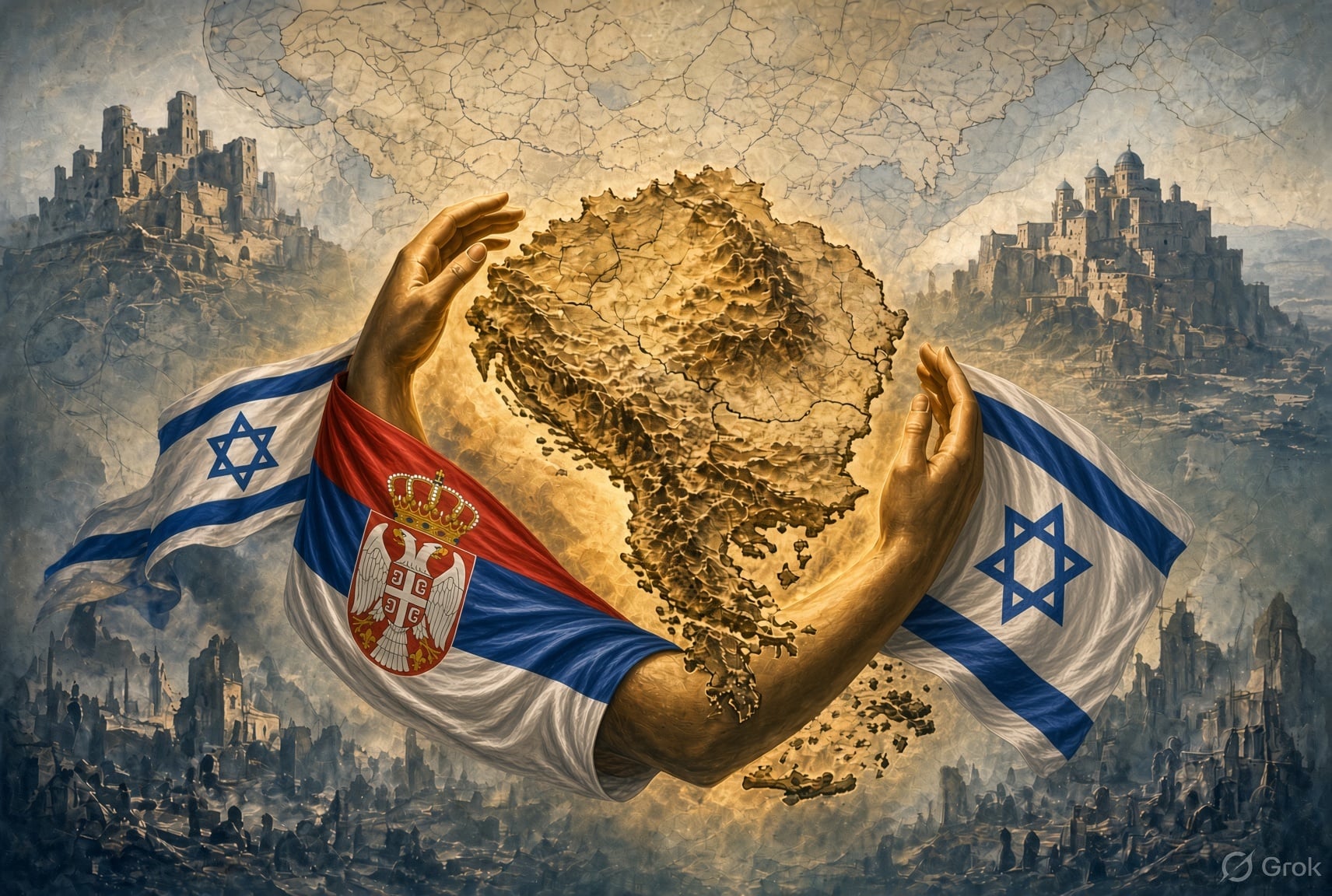
Israel has never had the luxury of treating history as merely history.
For a country whose national consciousness was forged by the Holocaust, the memory of collaboration, persecution, ethnic cleansing and genocide is not an academic exercise. It is part of the moral vocabulary through which Israel understands the world.
That makes Jerusalem’s increasingly intimate relationships with Serbia and Republika Srpska deserving of considerably more scrutiny than they have received.
The latest development is particularly striking. Israeli defence company Elbit Systems has partnered with Serbia’s state arms producer, Yugoimport SDPR, to establish a drone-production facility in Serbia.
The arrangement, according to the Times of Israel, saw Serbia’s (now former) President Aleksandar Vucic inaugurate an assembly factory for Israel-made drones in the Balkan country to boost its military and forms part of a much larger military relationship reportedly involving unmanned systems, artillery, battlefield communications and other defence technologies.
The Serbian government inaugurated the new facility in September, describing plans for further factories with its Israeli partners.
At almost exactly the same time, Israel has been cultivating an unusually warm and cosy political relationship with Republika Srpska, the unrecognised Serb entity within Bosnia and Herzegovina.
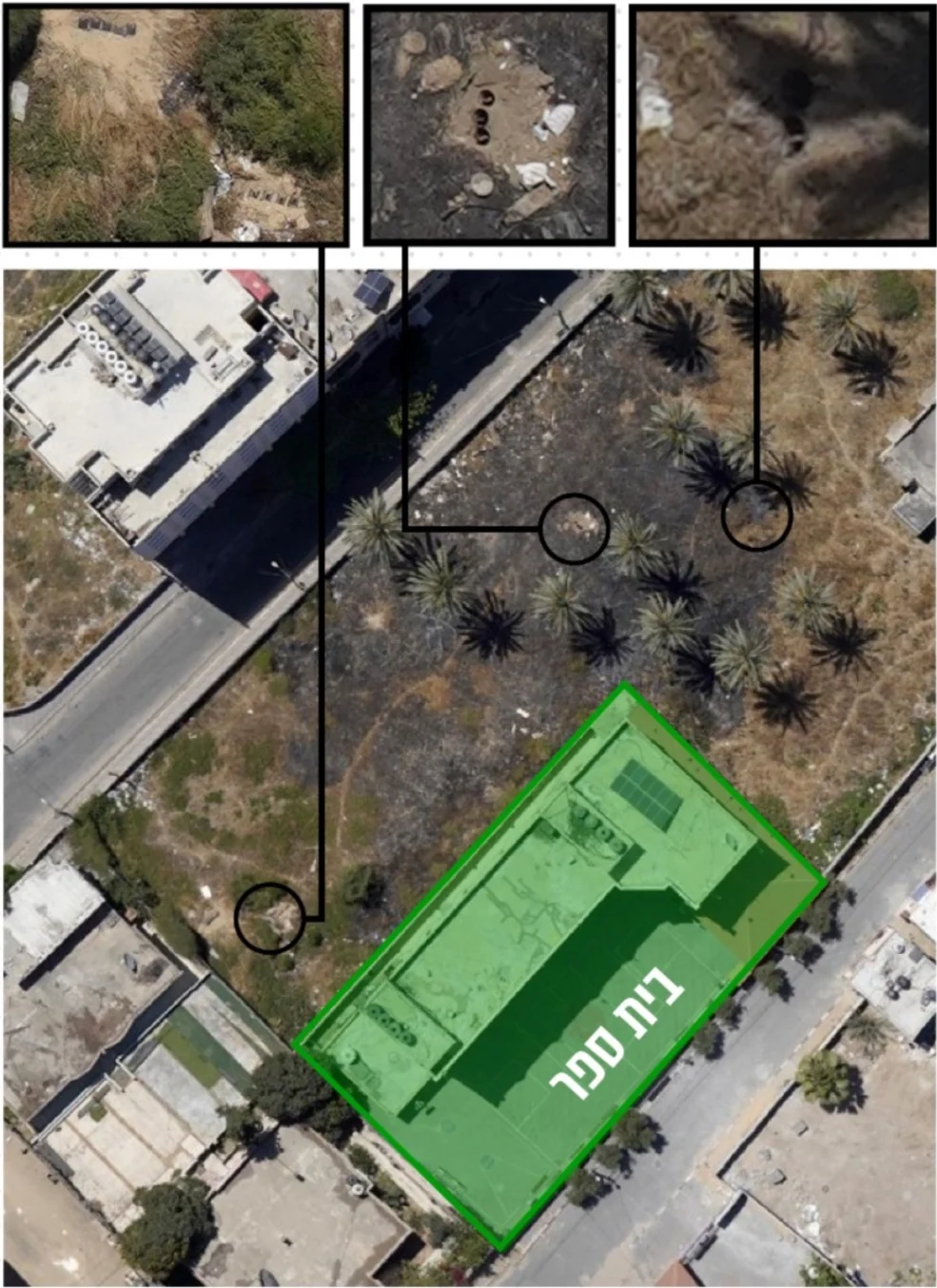 Above: A photograph by an Israeli drone showing 14 underground rocket launchpads in the yard of a school in the Gaza Strip that were used by Palestinian terror groups during May’s conflict between the Israel Defence Forces and Hamas. (Israel Defence Forces). Source: Times of Israel.
In January, Prime Minister Benjamin Netanyahu received Milorad Dodik, then the dominant political figure in Republika Srpska, together with the entity’s president, Ana Trisic-Babic, in Jerusalem. Netanyahu’s office said the sides discussed strengthening bilateral ties and cooperation. Netanyahu also praised what he described as their longstanding support for Israel and opposition to antisemitism.
These relationships may make sense through the narrow prism of diplomacy, arms exports and transactional geopolitics. But Israel should be wary of allowing strategic calculation to obscure historical context.

FOTO: Foto servis DS / KONTRAFOTO
Above: Milorad Dodik, former head of Republika Srpska by DEMOKRATSKA STRANKA DS – XIV izborna Skupština DS. Uploaded by BokicaK, CC BY 2.0, https://commons.wikimedia.org/w/index.php?curid=12405474
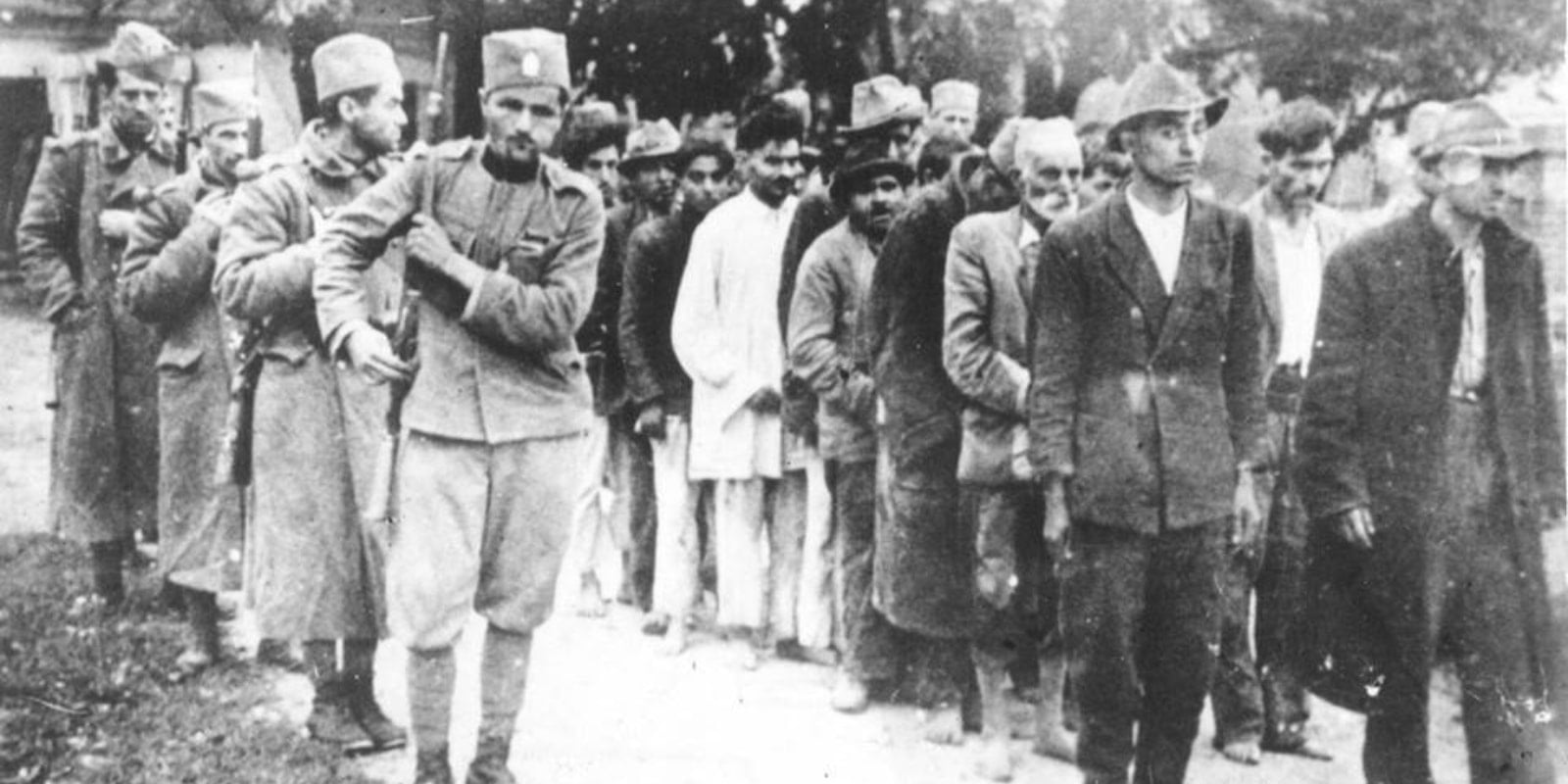
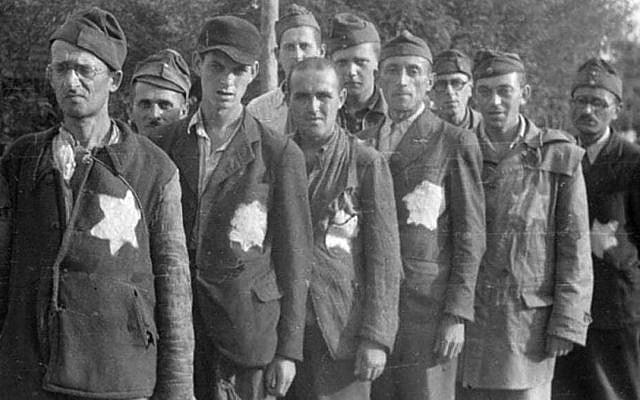
Serbia’s modern political identity cannot simply be equated with the collaborationist authorities of the Second World War. Yet the historical record is unavoidable. During the German occupation of Yugoslavia, the Nazi authorities relied upon the puppet government of Milan Nedić in Serbia, whose security apparatus participated in German occupation policies.
The US Holocaust Memorial Museum documents the role of the Nedić government and other collaborators in the persecution and murder of Jews, Roma, Communists and political opponents.

That history does not make contemporary Serbia collectively responsible for the crimes of the 1940s. Nor does it mean that every Serbian government or citizen should be judged by the actions of an occupation-era regime.
But Israel, of all countries, should understand why historical memory matters when states construct international partnerships.
The same principle applies even more directly to modern-day Bosnia.

Republika Srpska was created during the 1992-95 Bosnian War, a conflict in which more than 100,000 people were killed and approximately two million displaced. Bosnian Serb forces conducted extensive campaigns of persecution and ethnic cleansing against Bosniaks and Croats.
The legal record is also clear on the worst crime – Srebrenica.
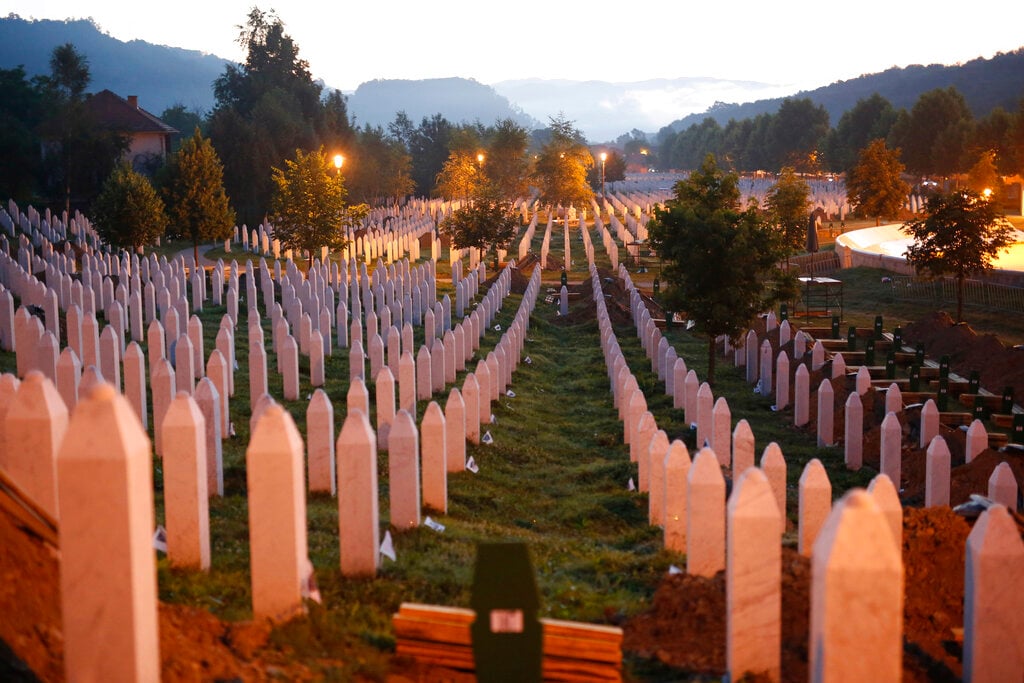
The International Criminal Tribunal for the former Yugoslavia established that Bosnian Serb forces committed genocide at Srebrenica. In the Krstić appeal judgement, the tribunal stated that the forces targeted the Bosnian Muslim population of Srebrenica for destruction and described the massacre as genocide.
Subsequent ICTY proceedings upheld genocide convictions against senior Bosnian Serb military officials, including life sentences for Vujadin Popović and Ljubiša Beara.
The International Court of Justice separately found that Serbia itself had not conspired to commit or been legally complicit in the Srebrenica genocide, but it did find that Serbia had violated its obligation to prevent the genocide and failed fully to cooperate with the ICTY in transferring Ratko Mladić for trial.
These distinctions matter. In the Balkans, they can literally be the dividing line between life and death. That is why Israel should be especially careful.
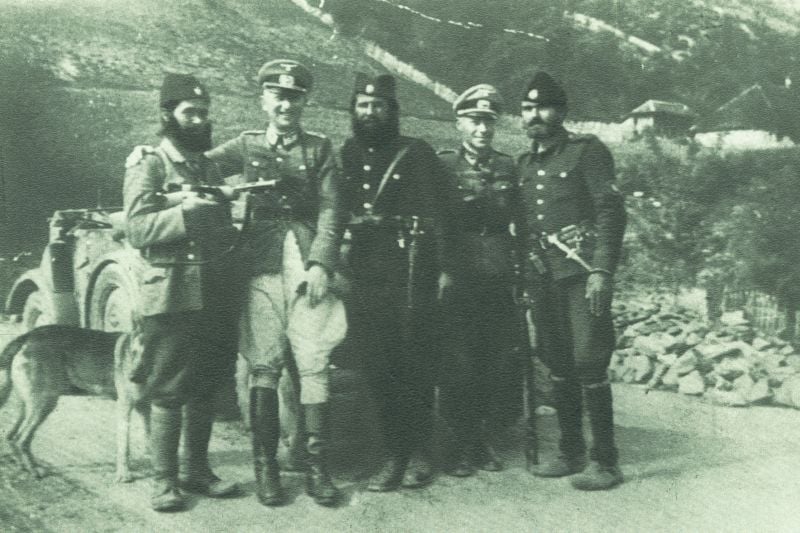 Above: Serbian Chetniks pose with German soldiers, Bosnia, 1943. / Wikipedia.
The issue is not whether today’s Serbs should inherit guilt for crimes committed by previous generations. They should not. Nor is it whether Serbia can have normal relations with Israel. Of course it can, like any other country.
The issue is whether Israel should confer political legitimacy and strategic intimacy without sufficiently considering what its partners represent, what they say about their own histories, and how their policies affect fragile regional orders.
That question is particularly acute with Milorad Dodik.
His political project has repeatedly challenged Bosnia and Herzegovina’s constitutional order and promoted the possibility of Republika Srpska separating from Bosnia and ultimately joining Serbia. In a recent interview with the Jerusalem Post, Dodik described that prospect not as an abandoned historical idea but as something he still dreams about.
This is not simply a question of Balkan constitutional theory.
Bosnia’s postwar settlement was designed precisely to prevent a return to the logic of territorial partition and ethnic domination that helped produce the war. Republika Srpska is an entity within Bosnia and Herzegovina, not a sovereign state. Any attempt to turn unilateral secession into an accepted principle would therefore carry consequences well beyond Banja Luka.
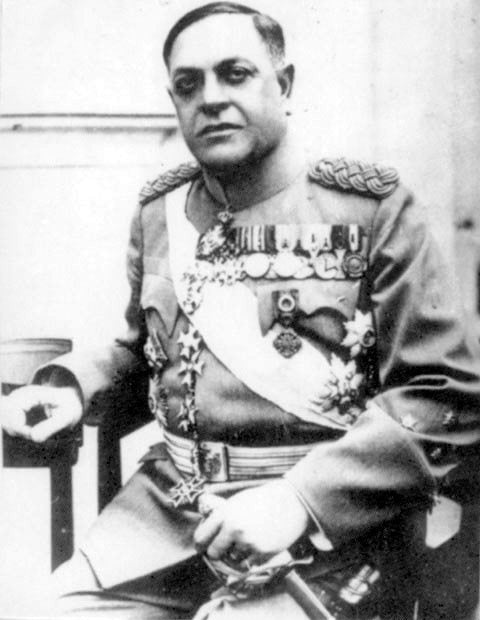 Above: Milan Nedić, head of the Axis collaborationist regime in Serbia during World War Two. / Wikipedia.
Israel should understand this both instantly and instinctively.
The Jewish state has spent decades insisting that international legitimacy, borders and sovereignty cannot simply be rewritten by force or unilateral declaration. It should therefore be cautious about lending its prestige to political movements whose ambitions challenge an existing European state’s territorial order.
Another real danger is reputational.
Israel’s defence industry is one of the country’s most important strategic assets. But arms exports are never merely commercial transactions. Israeli weapons, surveillance systems and military technologies inevitably become associated with the governments that purchase or manufacture them.
Serbia is pursuing a multi-vector foreign policy, maintaining relationships with Israel while also acquiring military equipment from France, China and Russia and pursuing European Union membership.
That makes the Israeli-Serbian defence relationship more complicated, not less.
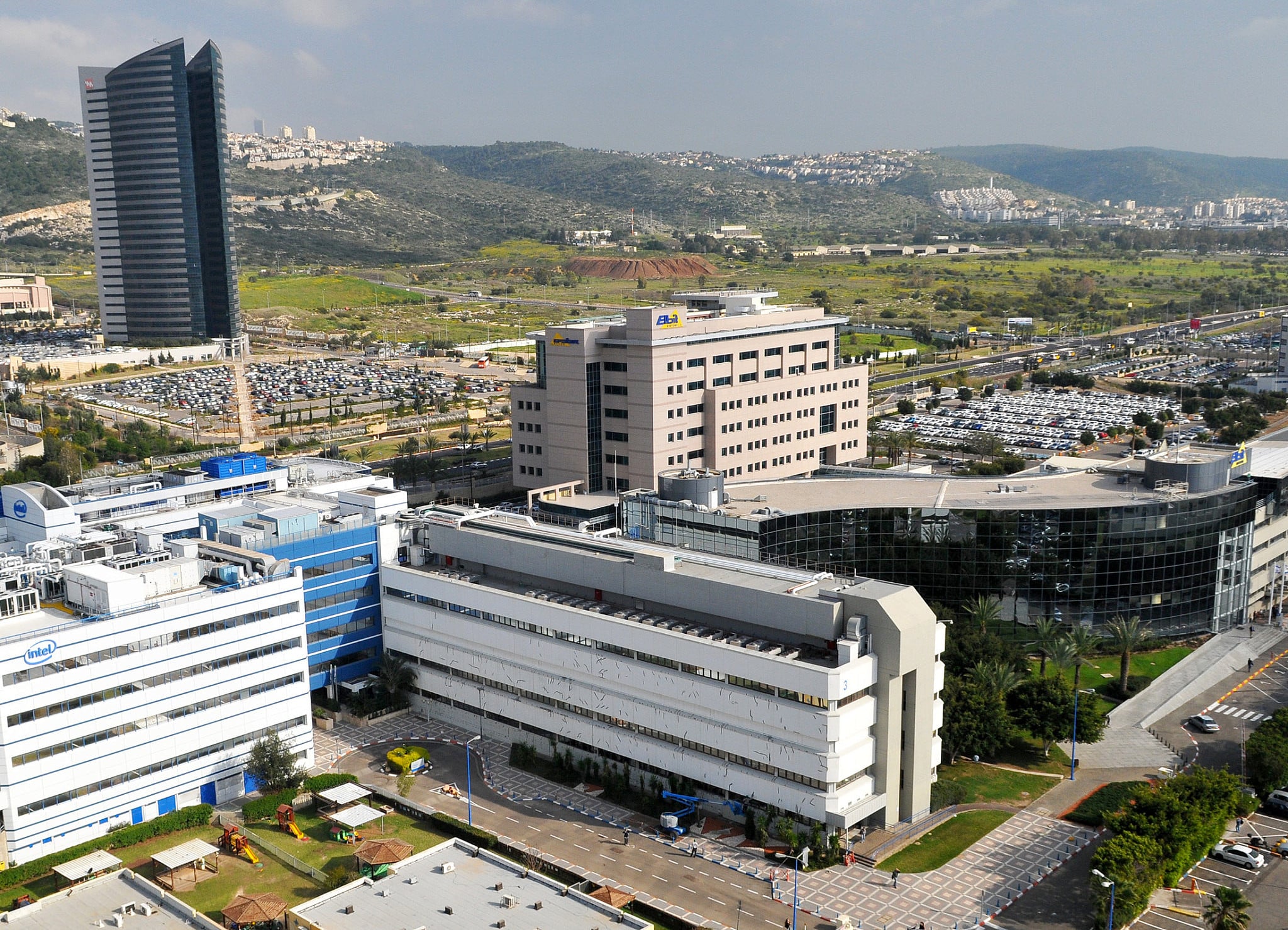 Above: Elbit headquarters at Matam High-tech park in Haifa by Zvi Roger – Haifa Municipality – The Spokesperson, Publicity and Advertising Division, CC BY 3.0, https://commons.wikimedia.org/w/index.php?curid=10771567
If Israeli technology becomes embedded in Serbia’s military-industrial complex, Israel will inevitably become part of the political story surrounding Serbia’s regional ambitions. That does not mean Israeli equipment will necessarily be misused. It means Jerusalem must recognise that strategic exports can create strategic liabilities.
The danger is greater when military cooperation intersects with controversial nationalist politics.
Israel’s reputation is already unusually contested internationally. Its diplomats therefore have an interest in ensuring that partnerships are not interpreted as unconditional endorsements of governments or political movements with deeply disputed historical narratives.
There is also a Balkan dimension that Israel should not ignore.
Bosnia remains a functioning but fragile state. Republika Srpska’s political leadership has repeatedly tested the limits of the Dayton framework. Serbia remains the most important external actor for many Bosnian Serbs. Kosovo remains unresolved. Ethnic nationalism remains politically potent throughout the region.
Against this backdrop, Jerusalem’s embrace of Belgrade and Banja Luka can be interpreted by local actors as more than ordinary bilateral diplomacy.

Above: Elbit Hermes 900 unmanned aerial vehicle by Nehemia Gershuni-Aylho, www.ngphoto.biz, CC BY-SA 3.0, https://commons.wikimedia.org/w/index.php?curid=115934846
Israel does not need to sever these relationships. Nor should it treat Serbian society as synonymous with its wartime governments or equate every citizen of Republika Srpska with the crimes committed during the Bosnian war.
But Balkan engagement should come with historical literacy and political caution.
Of all countries, Israel knows better than most that the past does not disappear simply because governments change.
The lesson of Jewish history is not one of collective punishment but rather vigilance: distinguish governments from peoples, distinguish historical responsibility from inherited guilt, and never allow strategic convenience to erase the record of what happened.
That principle should apply in the Balkans as well.
Israel can trade with Serbia all it wants. It can cooperate on technology. It can maintain diplomatic relations with Bosnia and engage with representatives of Republika Srpska.
But it should not confuse engagement with endorsement, something Belgrade craves more and more.
And it should be especially wary when defence contracts, nationalist ambitions and unresolved memories of genocide begin to converge.
 Above: Elbit Skylark 1 unmanned aerial vehicle by Israel Defence Forces – Ground Forces Combined Corps Exercise, Feb 2010, CC BY 2.0, https://commons.wikimedia.org/w/index.php?curid=34362515
For Israel, the question is ultimately larger than one drone factory or one meeting in Jerusalem.
It is whether a country whose international identity is inseparable from the memory of genocide can afford to be seen as indifferent to the historical and political baggage carried by the partners it chooses.
The answer should matter not only to Israel’s reputation.
It also matters to the future stability of the Balkans itself, which, as we saw in 1914, can quickly unravel, affect most of the world, and devour millions of lives at the same time.