
Israel’s strategic recognition of Somaliland
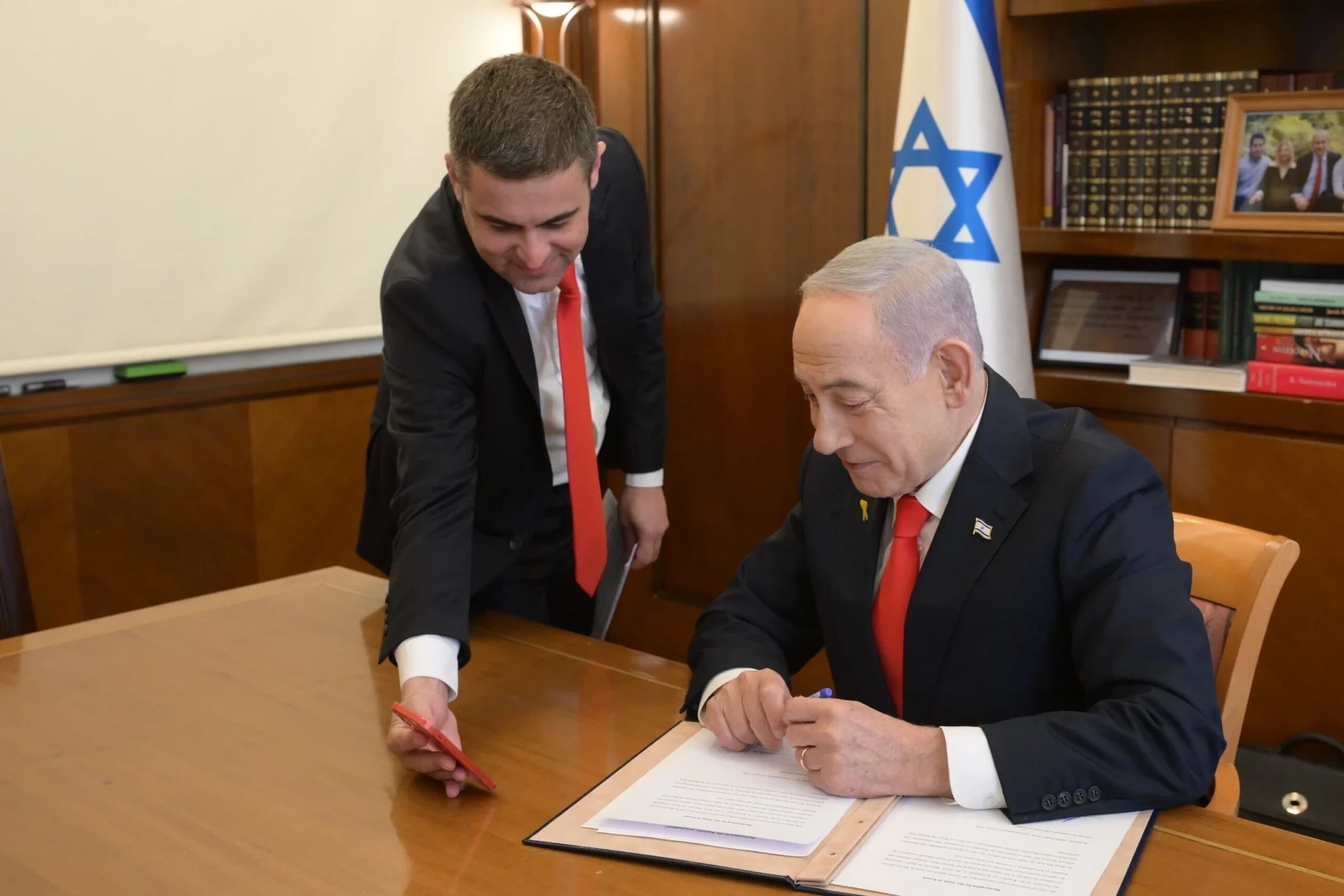
On December 26, 2025, Israel’s Prime Minister Benjamin Netanyahu and Foreign Minister Gideon Sa’ar signed a declaration recognizing the Republic of Somaliland as an independent state, making Israel the first nation to do so since Somaliland’s 1991 declaration of independence. This mutual recognition agreement, signed by Somaliland’s President Abdirahman Mohamed Abdullahi following a phone conversation with Netanyahu, establishes full diplomatic relations, including the exchange of embassies and ambassadors.
Framed under the Abraham Accords, the deal promises collaboration in agriculture, economic fields, and social development. Netanyahu described the partnership as “seminal and historic,” invited Abdullahi for an official visit to Israel, and pledged to advocate for Somaliland’s inclusion in the Abraham Accords with US President Donald Trump. Coming amid heightened Red Sea tensions, this move positions Israel as a pioneer in acknowledging Somaliland’s de facto sovereignty, building on informal ties in security and trade, and crediting the Mossad for advancing the recognition.
Why This Matters: A Win-Win for Israel and Somaliland
For Somaliland, this recognition is a monumental step toward global legitimacy after decades of isolation, especially as a Sunni Muslim country that has maintained stability in the volatile Horn of Africa. It gains a powerful ally in Israel, potentially unlocking further diplomatic doors, trade opportunities, and economic aid. It was the one thing lacking since the 1990s when it became in everything but name a sovereign state.
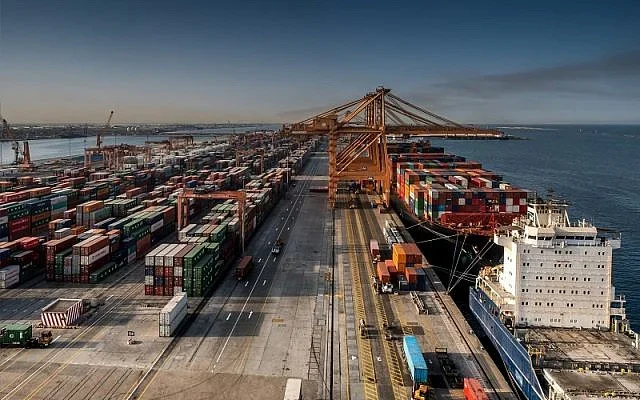
In past years its economy got a big boost form large investments by the UAE upgrading Berbera port, road infrastructure and Hargeisa airport. Also UAE is working with Somaliland and Ethiopia on building a railroad to Ethiopia from Berbera port.
For Israel, it secures a strategic foothold near critical shipping routes, enhancing defense against threats like Houthi attacks and Iranian influence and bolsters democracy and security in a volatile region. This partnership aligns with broader geopolitical shifts, including UAE investments in Somaliland’s Berbera port and Ethiopia’s trade interests, amplifying mutual benefits in a region plagued by instability.
The Case for Somaliland’s Statehood: Meeting International Standards
Somaliland’s claim to independence is rooted in history and law. Formerly British Somaliland, it achieved brief independence in 1960, recognized by Israel and 34 other countries before merging with Italian Somaliland to form Somalia. The union collapsed amid Siad Barre’s genocidal regime in the 1980s, leading to Somaliland’s reclamation of sovereignty in 1991. The people of Somaliland are indigenous people in their ancestral lands and exercising their right to self-determination.
Under the Montevideo Convention, Somaliland qualifies as a state:
- it has a permanent population of over 5 million,
- defined territory with clear borders,
- an effective government holding regular elections,
- and the capacity for international relations.
Unlike Somalia’s chaos, marked by warlords, al-Shabaab terrorism, piracy, and famine—Somaliland boasts stability, a functioning democracy with several elections and peaceful handovers of power, and economic growth, including a thriving port in Berbera (upgraded with big UAE investments. While no other countries have formally recognized it since 1991, several—including the UK, Ethiopia, Turkey, UAE, Denmark, Kenya, and Taiwan—maintain liaison offices.
Strategic Upsides for Israel: Forward Defense in the Horn of Africa
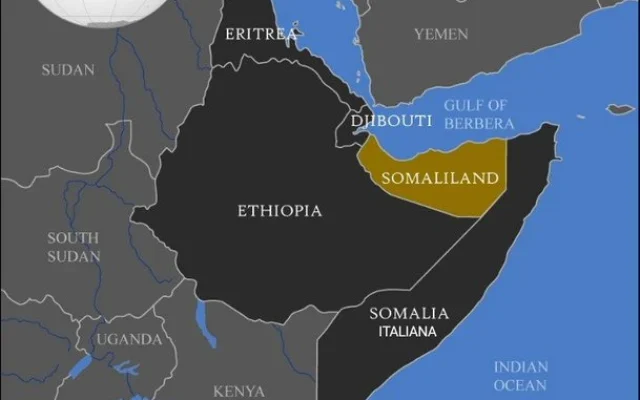
Israel stands to gain immensely from this alliance, particularly through enhanced security. Somaliland’s location—just 300-400 km from Yemen—offers a “forward defense” against Houthi missiles, Iranian proxies, piracy, and Chinese expansion in the region. The possibility of an Israeli military presence could include air components with F-35 jets and drones for rapid strikes, naval patrols with Sa’ar corvettes to secure the Bab el-Mandeb Strait, and special forces for intelligence sharing. In return, Israel could provide aid like desalination plants, medical clinics, and infrastructure, fostering local support and economic ties. This setup mirrors Israel’s successful partnerships under the Abraham Accords, bolstering Red Sea security without overextending resources from home.
Potential Risks and Broader Angles: Navigating Regional Tensions
While promising, the deal carries some risks, including backlash from Somalia’s government, which rejects Somaliland’s sovereignty and has called an emergency meeting in response. Iranian allies, Qatar, and Turkey will likely view it as a threat, potentially escalating proxy conflicts, but as Iran’s proxies are still reeling from Israeli strikes, they can hardly escalate, and Iran itself is severely weakened since the 12-day war, though they are making repairs and trying to rebuild their military assets. However, these are manageable with support from Somaliland’s allies like the UAE and Ethiopia, which also have good ties with Israel. Their combined military, economic and political clout.
Other angles include Somaliland’s indigenous self-determination, contrasting with Somalia’s imposed unity, and unconfirmed reports of ongoing talks between Israel and Somaliland regarding the potential resettlement of Palestinians from the Gaza Strip, highlighting humanitarian potential. Overall, the agreement challenges outdated African Union policies favoring existing borders over practical stability and the right to self-determination.
While the international community usually favors existing borders over the right to self-determination out of fear it will set precedents for other separatist regions in other countries, there are equal rights in international law; the preference for existing borders is thus a political choice. While it is not easy to overcome that resistance, examples like Kosovo show us that it can be overcome.
Looking Forward: Building Momentum for Global Recognition
The Israeli recognition of Somaliland could spark a domino effect, encouraging nations like the UAE, Ethiopia, US, UK, and others to follow suit, most of these nations already have liasion offices in Somaliland and have economic and/or security interests in Somaliland. The Israeli recognition gives them diplomatic cover as they are not the first and each of them have their own interests to follow suit.
For Somaliland, diplomatic recognition means that, in time when more recognitions follow access to international banking, and if recognitions hit a critical mass, AU and UN observer status and membership, and expanded trade. Israel gains a reliable partner in countering extremism, with possibilities for joint ventures in agriculture and tech and resources as Somaliland is rich in minerals and precious metals.
As reactions unfold, the foreign ministers of Somalia, Egypt, Turkey and Djibouti condemned Israel’s recognition of Somaliland, Somalia’s breakaway region, Egypt said on Friday. “The ministers affirmed their total rejection and condemnation of Israel’s recognition of the Somaliland region, stressing their full support for the unity, sovereignty and territorial integrity of Somalia,” Egypt’s foreign ministry said in a statement.
But these are predictable voices of opposition; the focus should be on coalition-building to solidify Somaliland’s place on the world stage, by using this momentum to notch more diplomatic recognitions. Israel can partner with Somaliland to help it gain more diplomatic recognitions from Israeli allies, to promote peace and prosperity in a fractured region while enhancing Israeli regional security. This recognition is truly a win-win situation for both countries and an excellent forward-thinking move by the Israeli government.