‘Ivri Anochi’ – Opening our Tent
I recently returned from a trip to Israel that ran over the third anniversary of October 7. The main purpose was a mission in support of the IDF Widows and Orphans Organization (IDFWO), the only organization recognized by the Israeli government to provide support and advocacy for widows and orphans. I also returned my daughter, Naomi, to her high school in Israel. These were two separate purposes, but they connected in a way I never could have imagined.
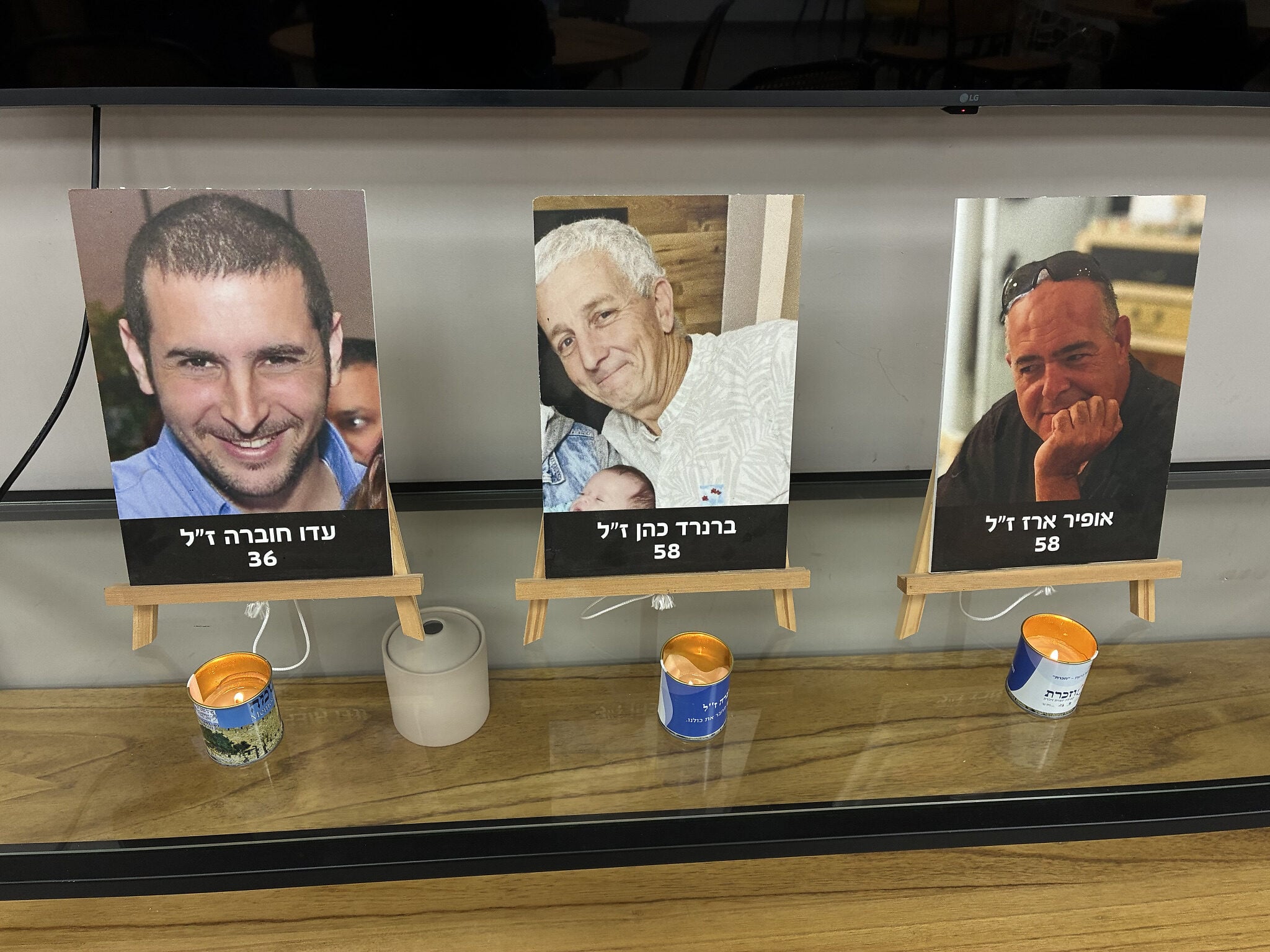
As part of the IDFWO mission, we met Noa Hubara, a widow who lives at Kibbutz Sufa, near Rafah. Her husband, Ido, was murdered on October 7, 2023, when jihadists attempted to break into the kibbutz.
Three years later, on October 7, 2026, we heard his story from Noa. She told us that Ido jumped into action with four other men, and the five successfully defended the community, using limited ammunition against more than 50 attackers. Three men were murdered at Kibbutz Sufa, and the heroics of Ido and his colleagues saved many lives. Ido was shot in the head and died in his father’s arms. His murderers later reported to IDF interrogators that they thought snipers were protecting the kibbutz, because the defenders had used their limited bullets so carefully.
Later on the same trip, with Naomi, we visited a friend in Kfar Saba, an 80-year-old woman named Anita. Anita is not family and did not know us before last year, yet she is helping Naomi navigate life in Israel, including a personal medical issue. She has taken on this responsibility simply because she cares and is willing to help. When I met Anita in October 2026, she told us, for the first time, that her granddaughter had been in Kibbutz Sufa on October 7, 2023, hiding from the attackers and was evacuated the next day. Neither Anita nor Noa knew each other, but they were connected in a way I never imagined. Ido died al kiddush Hashem, defending the community, including Anita’s granddaughter.
Their stories brought to mind this week’s parsha, Chayei Sara, and the encounter between Eliezer and Rivka at the well. When Eliezer asks for water, Rivka not only gives him a drink but also offers to draw water for his camels. She goes beyond what is asked of her, taking responsibility for someone she has never met.
Like Abraham, whose tent was famously open on four sides to welcome guests, Rivka shows us what it means to be part of the nation of Israel. It means looking beyond ourselves and taking action to help others.
Anita has done just that. She opened her circle of responsibility to people who are not family. She has no obligation to do so, but she is helping a 15-year-old girl acclimate and succeed in a new country.
Contrast this with the story of Noah, which we read a few weeks ago. Noah was righteous, spoke with Hashem and spent 120 years building an ark in response to Hashem’s instructions. But, despite all this, Abraham is considered the first patriarch, rather than Noah. Why?
The common explanation is that Abraham inspired others and took action to save them, while Noah closed himself off. Noah enters the ark with his family and waits for the rain. The Torah tells us nothing about him trying to bring others aboard. Abraham, by contrast, welcomes strangers into his four-sided tent and even argues with Hashem to save Sodom and Gomorrah.
The difference is not simply between two people with different levels of righteousness. It is about what they do with their abilities and opportunities. What matters is not only the gifts and blessings we receive from Hashem, but how we use them to bring good into the world and how we respond when others are in trouble.
Consider the fallen soldiers and people like Ido, who died defending Anita’s granddaughter. The heroes of Israel on October 7 and in the subsequent wars are people of action. They use their intelligence, skills and training to protect others, often at the greatest personal cost.
We recently read the book of Jonah on Yom Kippur. When Hashem instructs Jonah to save Nineveh, he initially flees from this responsibility. During the storm that threatens his escape ship, the sailors ask him, “Where do you come from? What is your country? And of what people are you?” He responds simply: “Ivri Anochi” — “I am a Hebrew.” I like to think that, in that moment, Jonah remembers the people from whom he is descended: people of action, people who manifest good in the world. People like Moshe, who was willing to sacrifice his station in Egypt to prevent the murder of a Jew at the hands of an Egyptian. Not people who retreat to safety in the belly of a ship. That’s reflected in the next thing Jonah says, “I fear the LORD, the God of heaven, who hath made the sea and the dry land.” He remembers what Hashem expects of him as a Hebrew. Jonah then stops fleeing his responsibility and acts to save the ship’s crew (and later, the people of Nineveh).
Most of us will never be asked to defend a kibbutz. But we are all given a choice: do we retreat into our own ark, or do we open the sides of our tent? Abraham’s example is not reserved for extraordinary acts of heroism. It is reflected in people like Anita, and it is reflected the everyday work of people who support families through grief, offer help when it is needed, and refuse to let others face hardship alone.
The widows who lead and work with IDFWO continue to demonstrate that responsibility to others does not end with sacrifice. They support fellow widows and orphans, helping families navigate lives transformed by loss. Their work is another expression of Abraham’s open tent and Rivka’s generosity at the well: making room for others, even when doing so requires extraordinary strength.
Ido Hubara opened his circle of responsibility and took action to save others at the greatest possible cost. The question for the rest of us is how we will act to live up to our own responsibilities, so that we, too, can say, “Ivri Anochi.”