
Jewish Peoplehood Without Denying the Diaspora
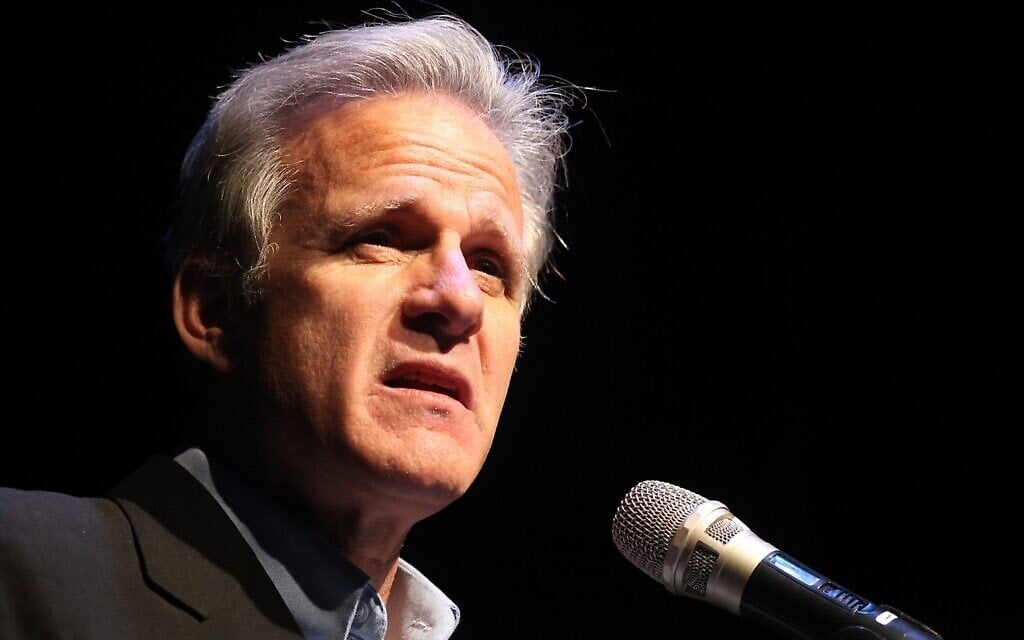
When Michael Oren, who served as Israel’s ambassador to the US and as deputy minister in the Prime Minister’s Office, calls on the diaspora Jews to “come home” (Yedioth Ahronoth 06.05) because of rising antisemitism, this message quickly spreads far and wide. It has even reached San Francisco, where I was staying as part of a series of meetings with Jewish communities in 20 cities in the United States. It arrives and hits hard.
Oren ostensibly demonstrates concern for American Jewry and the diaspora, but most Jewish communities actually interpret this “concern” as abandonment, almost as betrayal. The former ambassador seeks to discuss the “implications for Israel” of the changes among diaspora Jews but entirely ignores the “elephant in the room,” which is the implications of the Israeli government’s policies for diaspora Jewry.
How would Israelis react if, after October 7th, American leaders told us that we should immigrate to the US because it is not safe to live in Israel? We would reject such a suggestion outright.
Yes, around the world there are more and more antisemitic incidents that require educational, security, and increased enforcement responses, but the call for diaspora Jews to “come home” is unhelpful and does not reduce their harm. First, this argument reinforces the antisemitic narrative that Jews everywhere have foreign loyalty toIsrael rather than their actual home. “Go home,” the antisemites say to their Jewish neighbors, and what can we say back if our representatives speak the same way?
Moreover, Oren deals with the implications for Israel of the changing circumstances of diaspora Jews but is completely blind to the implications of Israeli policy on them. Israel’s image around the world has never been worse. While the vast majority of the public opposing Israel’s actions in Gaza, the West Bank, Lebanon, and elsewhere know how to distinguish between the state of the Jewish people and their Jewish neighbors, there are those who direct their anger toward diaspora Jewish communities.
When Central Command Chief Avi Bluth boasts that “we are killing as we haven’t since ’67” and admits that the IDF shoots at Arab stone throwers but refrains from shooting at Jewish stone throwers “for sociological reasons,” these words are heard here and resonate around the world. There will always be those who seek to harm Jews in their countries in order to create a mirror image of the reality in the West Bank and Gaza, as they see it. Those who do this are despicable antisemites against whom their countries should act with the utmost severity. However, Israelis like Bluth, as well as the overwhelming majority of Netanyahu’s coalition, who do not understand the implications of their actions and words – not only for the morality of the state and its standing in the world but also for the Jewish diaspora – are a central part of the problem.
In conversations I have with Jewish communities across the United States, I hear deep anger and frustration. Anger toward the policies of the state of Israel, which is so dear to them, arises because the current Israeli government, in their eyes, deviates from the values that shaped the connection between Jewish communities in the diaspora and the nation-state of the Jewish people. American Jews are frustrated with the consequences of Israeli policy for them as Jewish citizens of the United States. These Jews do not want the state of Israel to call them “come home” because they are already at home. On the contrary, these calls from Oren and others frighten them, because they provide ammunition to antisemites who seek to cast doubt on Jewish loyalty to America.
Israel is the homeland of the Jewish people but not the physical home of diaspora Jews. The denial of the diaspora does not align with the approach of Jewish peoplehood. As citizens of Israel, we must maintain a constant dialogue with our Jewish brothers and sisters around the world, but this dialogue must be conducted from a place of respect for their choice to be proud and loyal citizens of their countries, their homes. A dialogue centered on understanding our responsibility and influence on them and listening to their grievances, in light of Israeli government policies and statements that not only the vast majority of American Jews oppose but that can also affect their personal and communal security.