


Learning to Trust Tomorrow: Manna- not ancient food but a modern lesson
Parashat Beshalach and the Anxiety of “Not Enough”
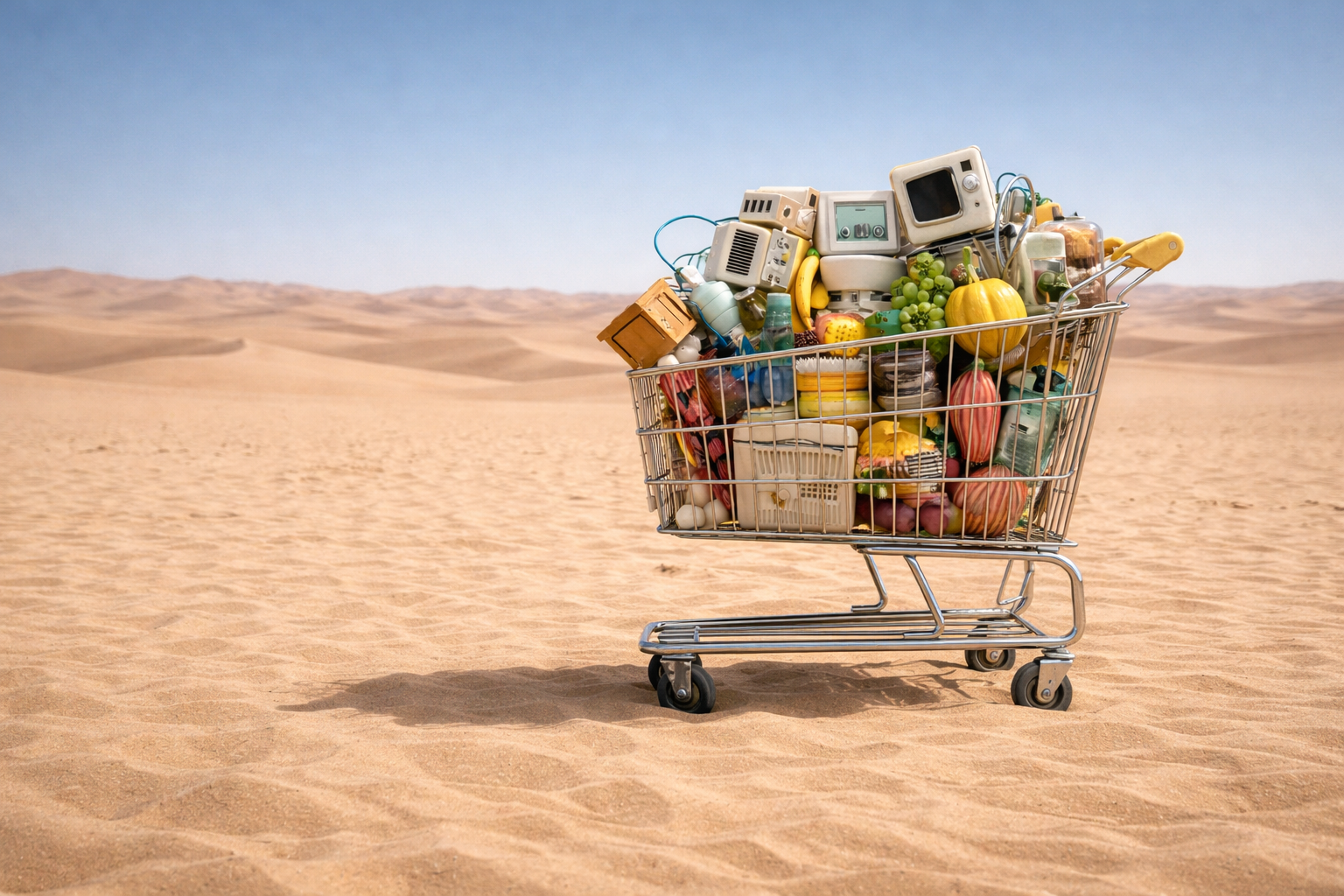
We tend to explain overconsumption as a cultural failure- advertising, capitalism, lack of restraint. Parashat Beshalach offers a sharper diagnosis: excessive consumption is often a response to fear. We buy, store, and over-prepare not because we desire more, but because we are afraid there won’t be enough: enough money, enough security, enough good. What looks like practicality is often anxiety in disguise. I notice it clearly when I pack a bag. How many things I take “just in case.” How convincing the logic sounds: What if I need it? It feels responsible. In truth, it is fear of an untrustworthy tomorrow. That fear expands quickly. To hold all the things we save “just in case,” we need more space, higher incomes, longer hours. A whole way of life quietly forms around one assumption: the future cannot be relied upon.
Psychology names this clearly. Compulsive consumption. When the future feels unstable, objects offer the illusion of safety. Materialism, in this sense, is not greed, it is anxiety.
Parashat Beshalach places this anxiety at the heart of the desert story. Fresh out of slavery, the Israelites carry scarcity inside them. When hunger arrives, God responds with manna: daily nourishment with a firm boundary: take what you need for today. Do not store it for tomorrow. “Behold, I will rain down bread from heaven… that I may test them” (Exodus 16:4). This is not a test of obedience, but of trust. Like a partner in couples therapy, God insists on consistency: I will show up every day. But I need to see whether you can believe that I will. Faith here is not declared; it is practiced. The people struggle. Some take more than they need. What they hoard spoils. The Torah does not moralize, it demonstrates. Fear-driven accumulation does not create security. It produces decay.
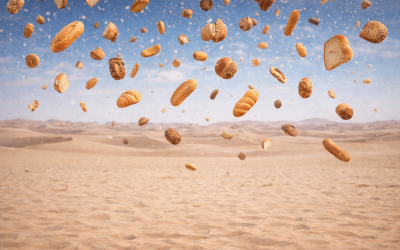
The manna is not ancient food but a modern lesson. This is what makes Beshalach so relevant. It reframes faith as confidence in goodness itself. Trust that tomorrow does not need to be managed in advance. Trust that “enough” can actually be enough. Overconsumption thrives where that trust is absent. When we do not believe good can continue, we try to secure it ourselves, one purchase, one backup, one excess at a time. The desert offers a different spiritual practice. Not denial of risk, but restraint. The courage to pause and ask: Do I really need this, or am I afraid?
Perhaps faith today is less about belief and more about release. Releasing our grip on objects, on control, on the assumption that the future is hostile. Parashat Beshalach reminds us that trust, like any relationship, grows through action. And sometimes, choosing not to hoard is the clearest way of saying: I believe tomorrow can be good.
May we learn to trust that tomorrow can be good, and find the courage to take only what we truly need today.
Shabbat Shalom