Legacy Begins with Stories
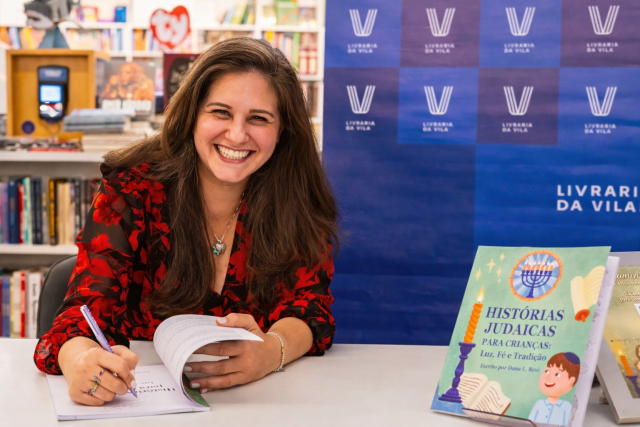
Educator connected to the Hebrew University of Jerusalem, Dana L. Revi turns a lifelong dream into a children’s book that brings families closer to Jewish tradition through literature.
Some dreams change over time. Others remain for a lifetime.
For Dana L. Revi, one dream never left her bucket list: leaving a legacy through words.
Dedicated to education and to building bridges between Brazilian students, researchers, and alumni of the Hebrew University of Jerusalem, Dana has always seen knowledge as more than the transmission of information. For her, education means broadening horizons, encouraging dialogue, and giving people tools to understand the world, rethink convictions, and build new paths.
This vision resonates with a concept deeply rooted in Jewish tradition: hasbará. More than explaining, it is about contextualizing, fostering understanding, and creating a repertoire that allows people to reflect and form their own opinions.
For years, her mission was focused mainly on the university environment. Until, unexpectedly, she discovered a new audience.
Among friends, she often heard the same request from their children: “Aunt Dana, tell us a story!”
Without any planning, she improvised narratives — and only later realized they shared something in common. They went beyond storytelling, becoming small ways of transmitting values, traditions, identity, and belonging.
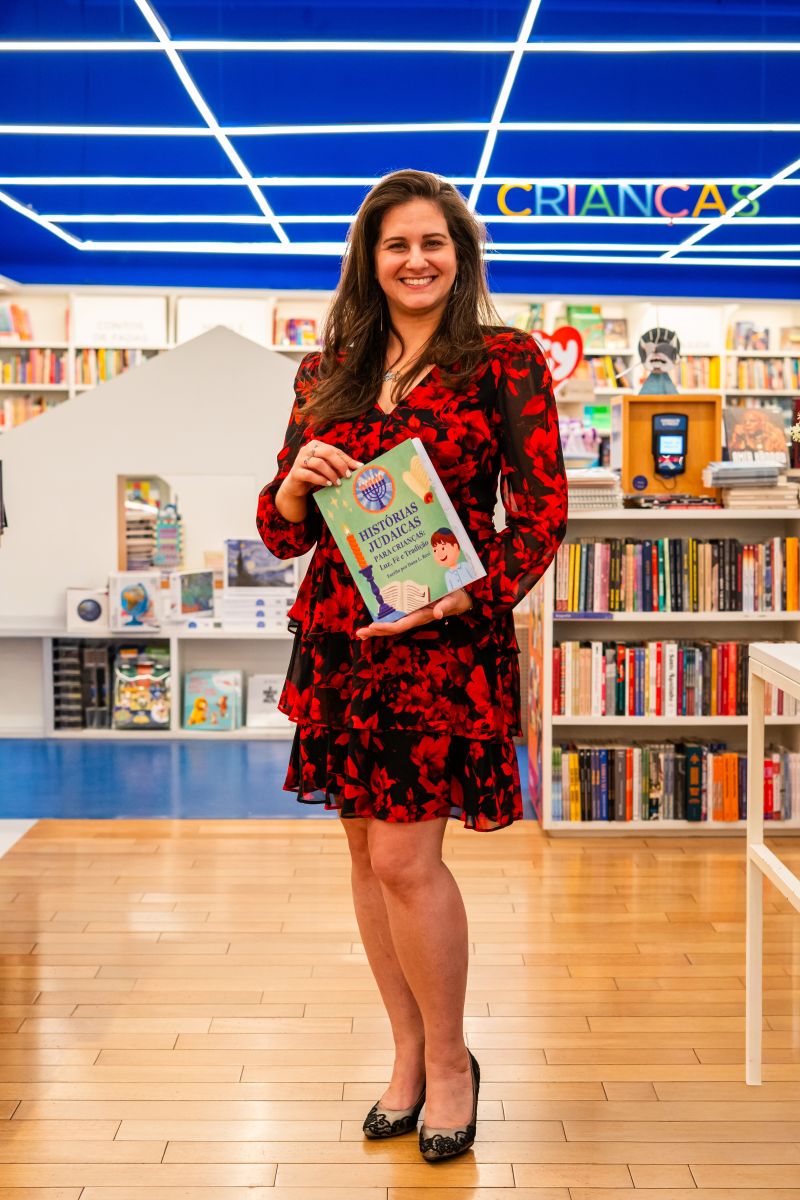
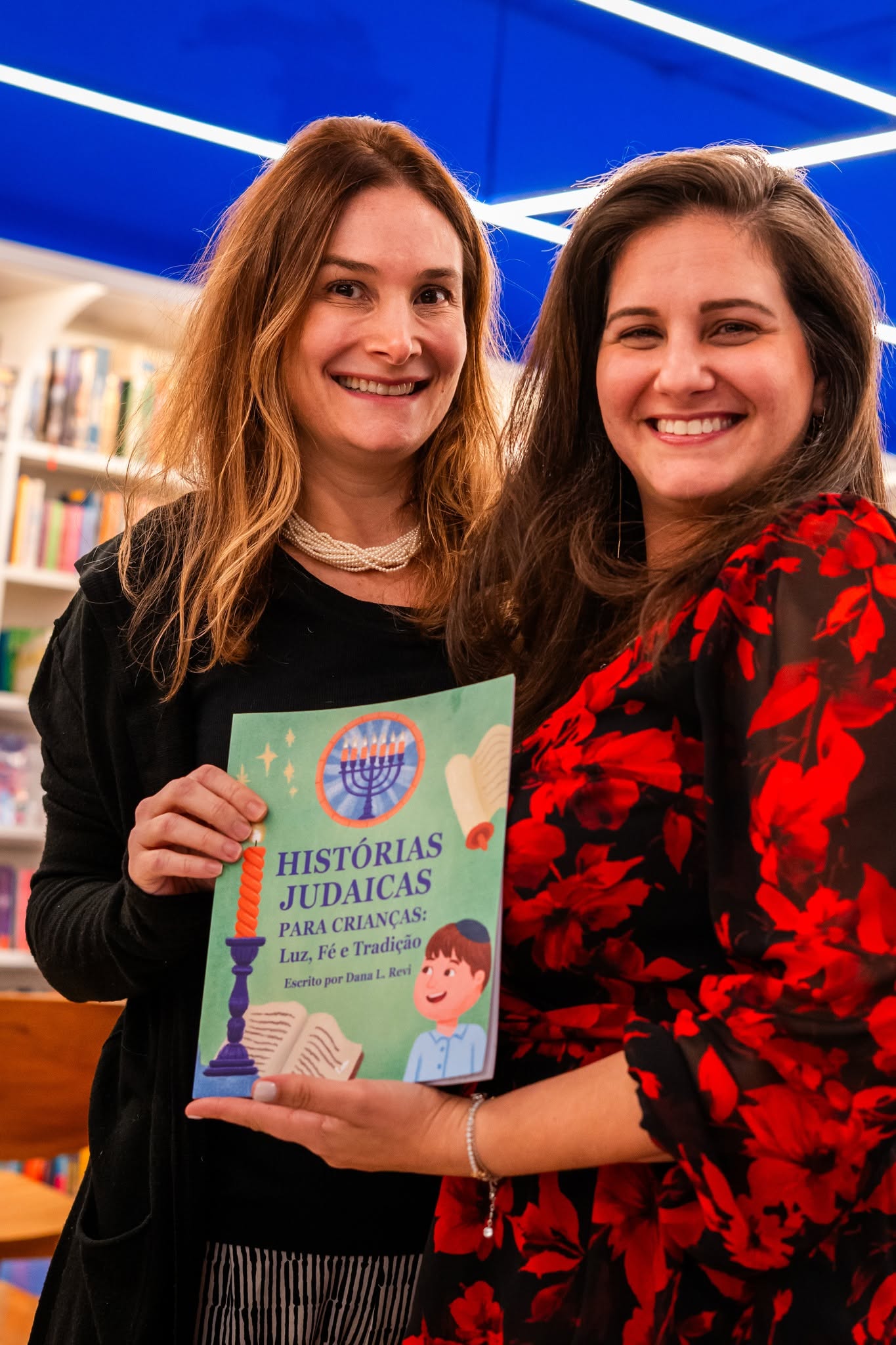
That was the moment when an old dream found its purpose. The idea for Jewish Stories for Children – Light, Faith, and Tradition was born.
More than publishing a book, Dana found a new way to continue what she has always believed to be her mission: educating.
“I didn’t lock the project into rigid goals and deadlines. I preferred to let the creative process unfold naturally. Some days, no words came. On others, several stories took shape in sequence. Then came revisions, adjustments, and consultations with experts to ensure fidelity to Jewish traditions,” she explained.
The result is sixteen stories that address, in a sensitive and accessible way, themes such as gratitude, memory, courage, listening, faith, and belonging. Instead of presenting concepts through formal explanations, Dana chose the power of narrative, allowing values to emerge naturally from the characters’ experiences.
Although written for children up to 12 years old, the book also seems to invite adults. The stories were designed to be shared among parents, children, grandparents, and grandchildren, turning reading into an opportunity to talk about identity, tradition, and family memory.
The proposal connects directly with the essence of the work. In a daily life marked by screens, overstimulation, and rapid change, the book embraces an ancestral, millennia-old habit — much like Judaism itself: the encounter between someone who tells a story and someone willing to listen.
Not by chance, its synopsis describes the work as “an invitation to shared moments,” reminding us that stories remain one of the most powerful ways to transmit values and preserve a heritage built across generations.
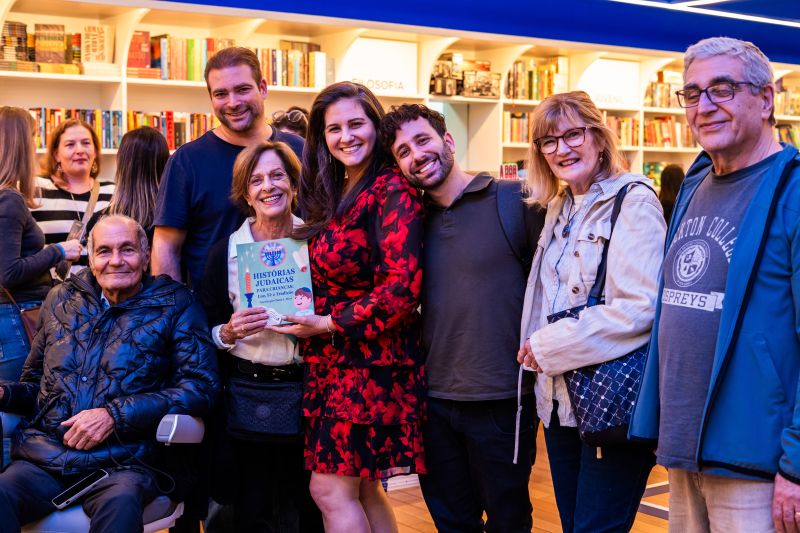
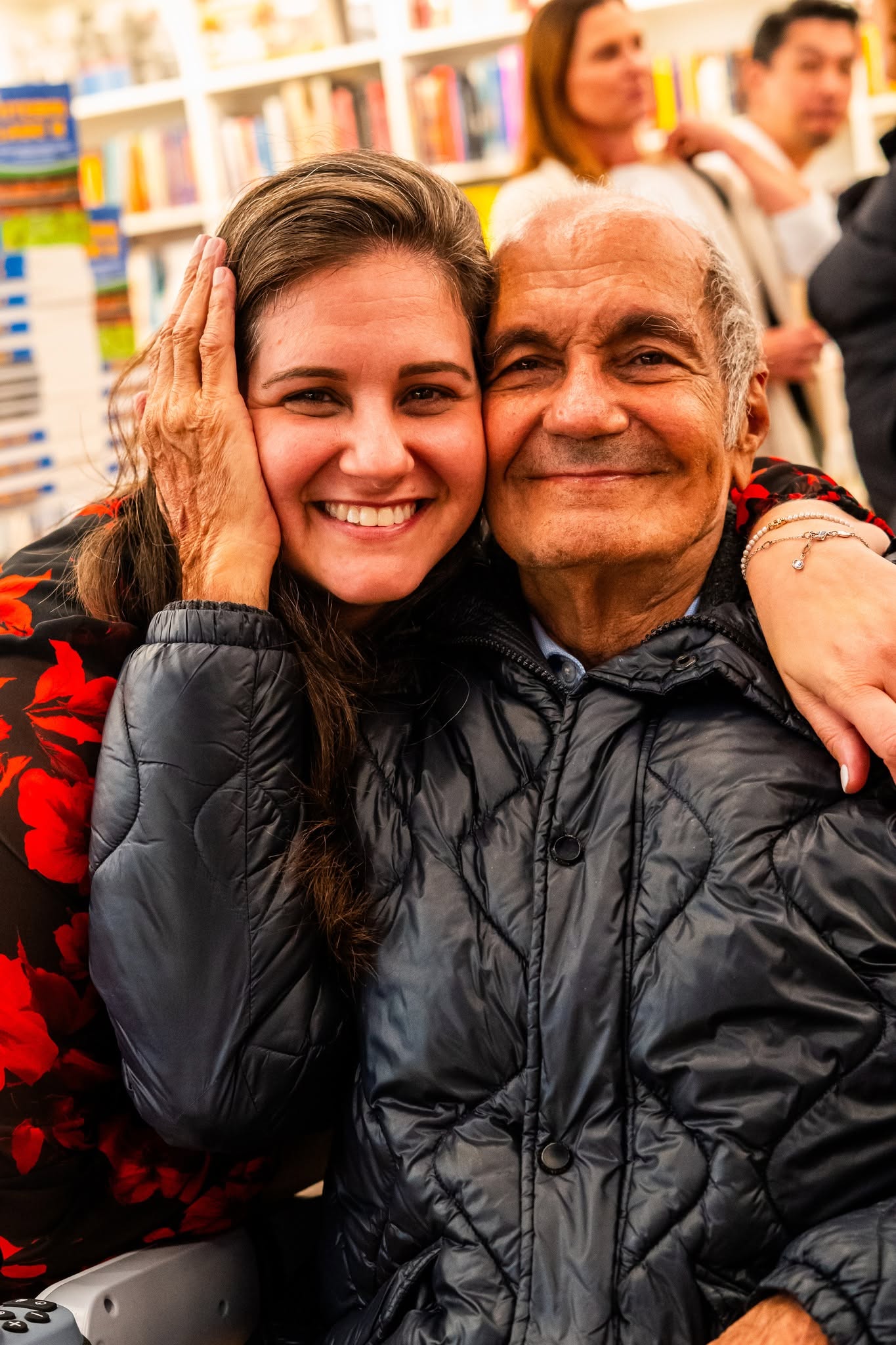
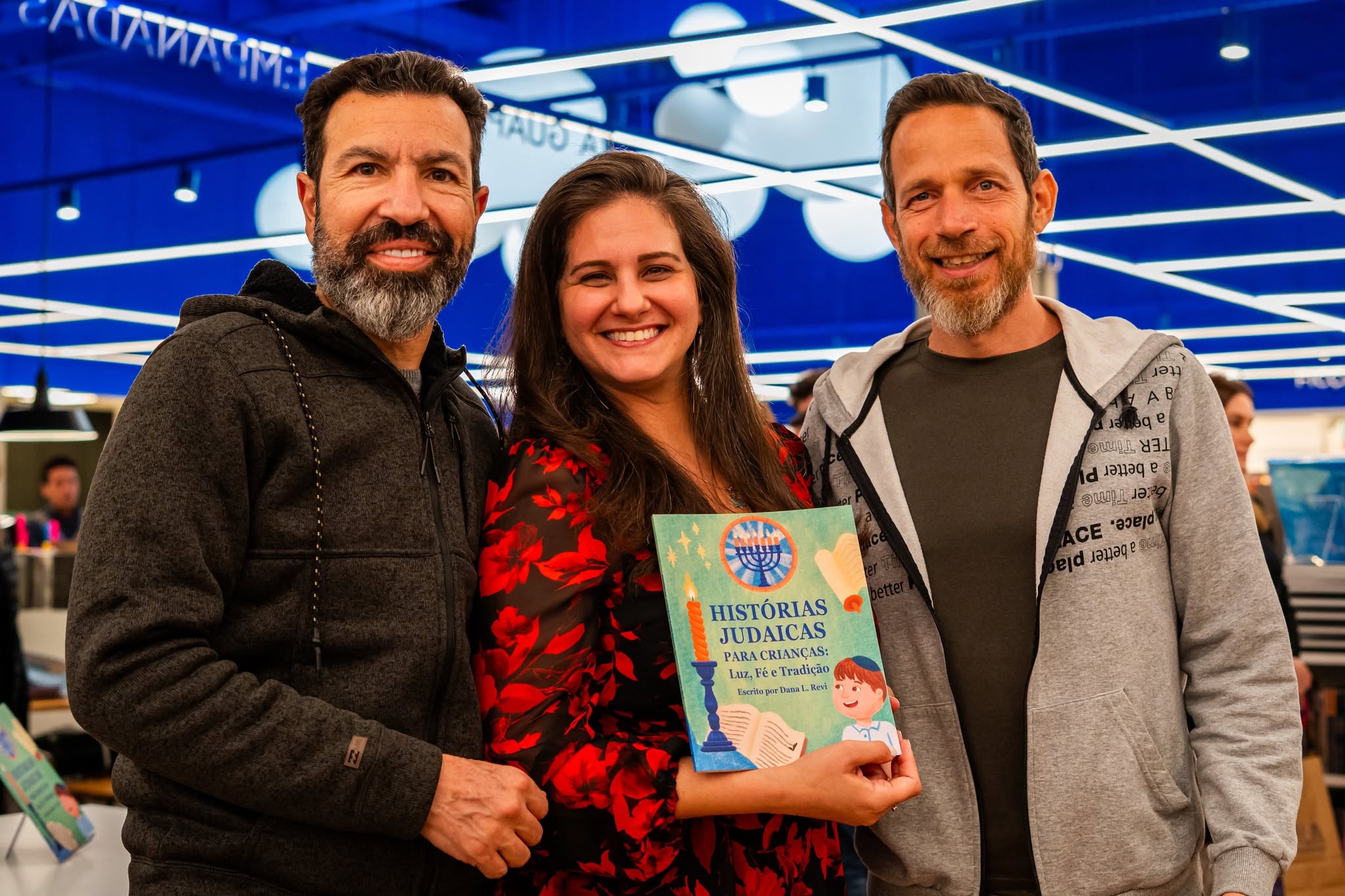
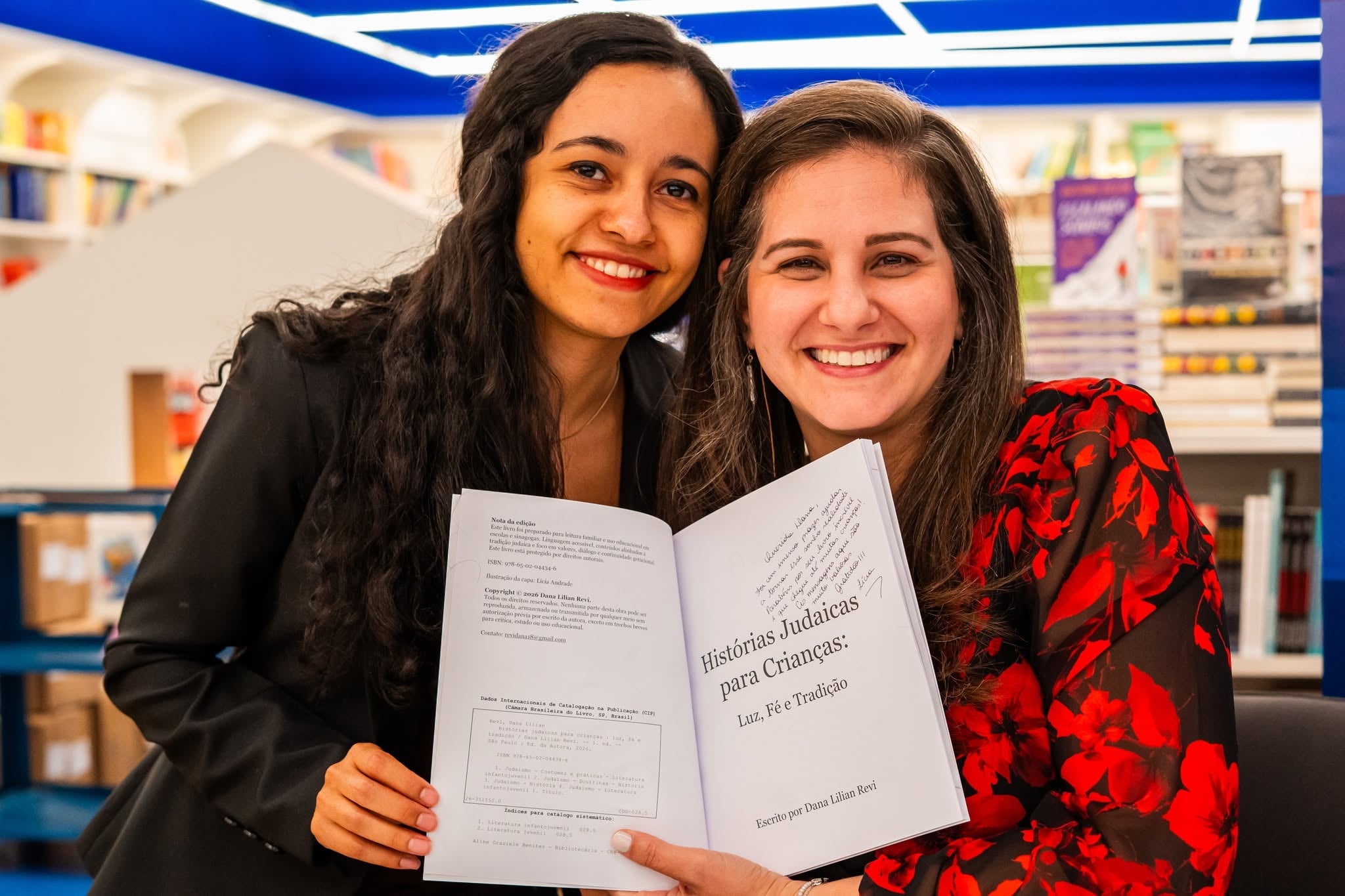
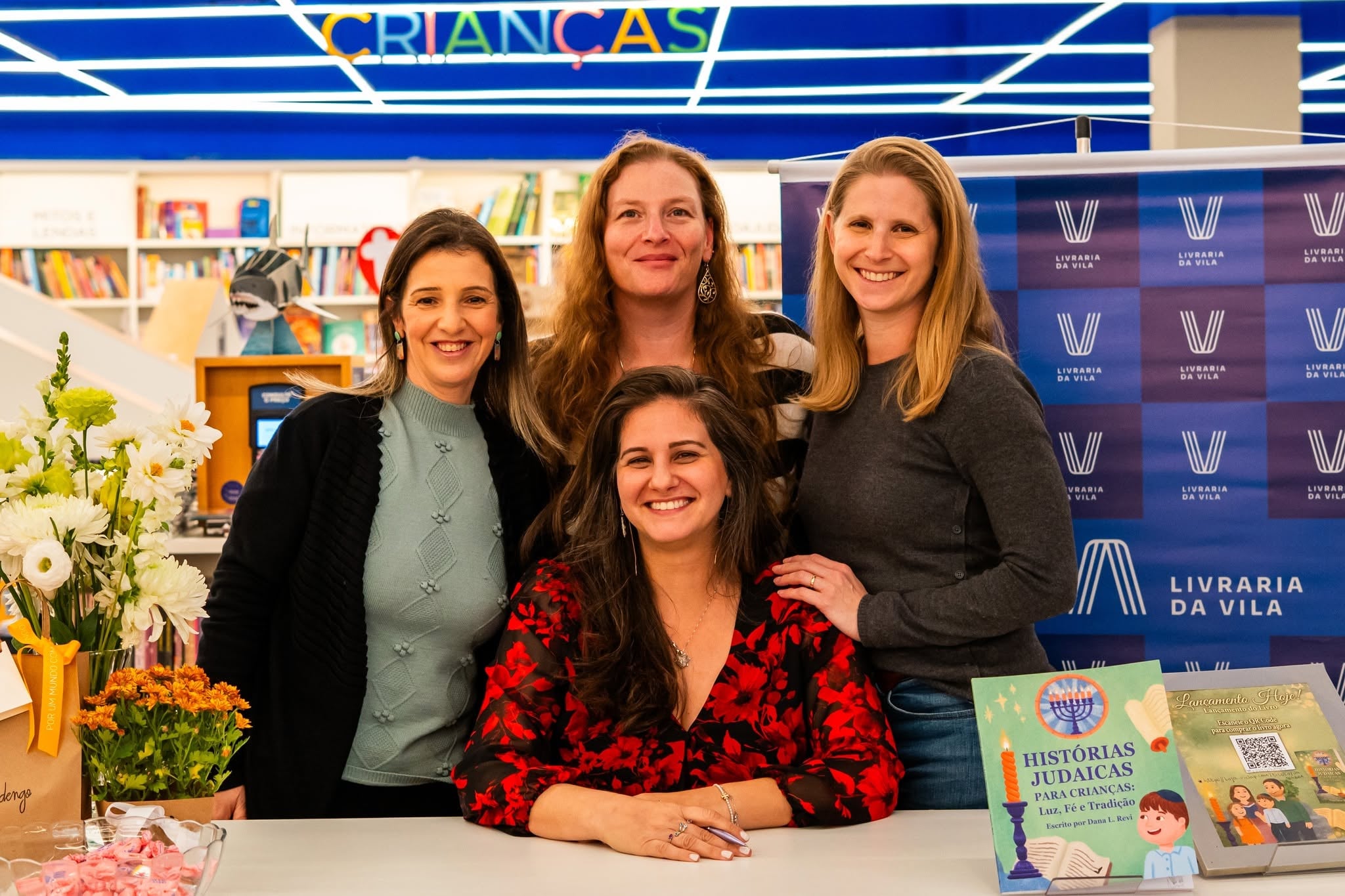
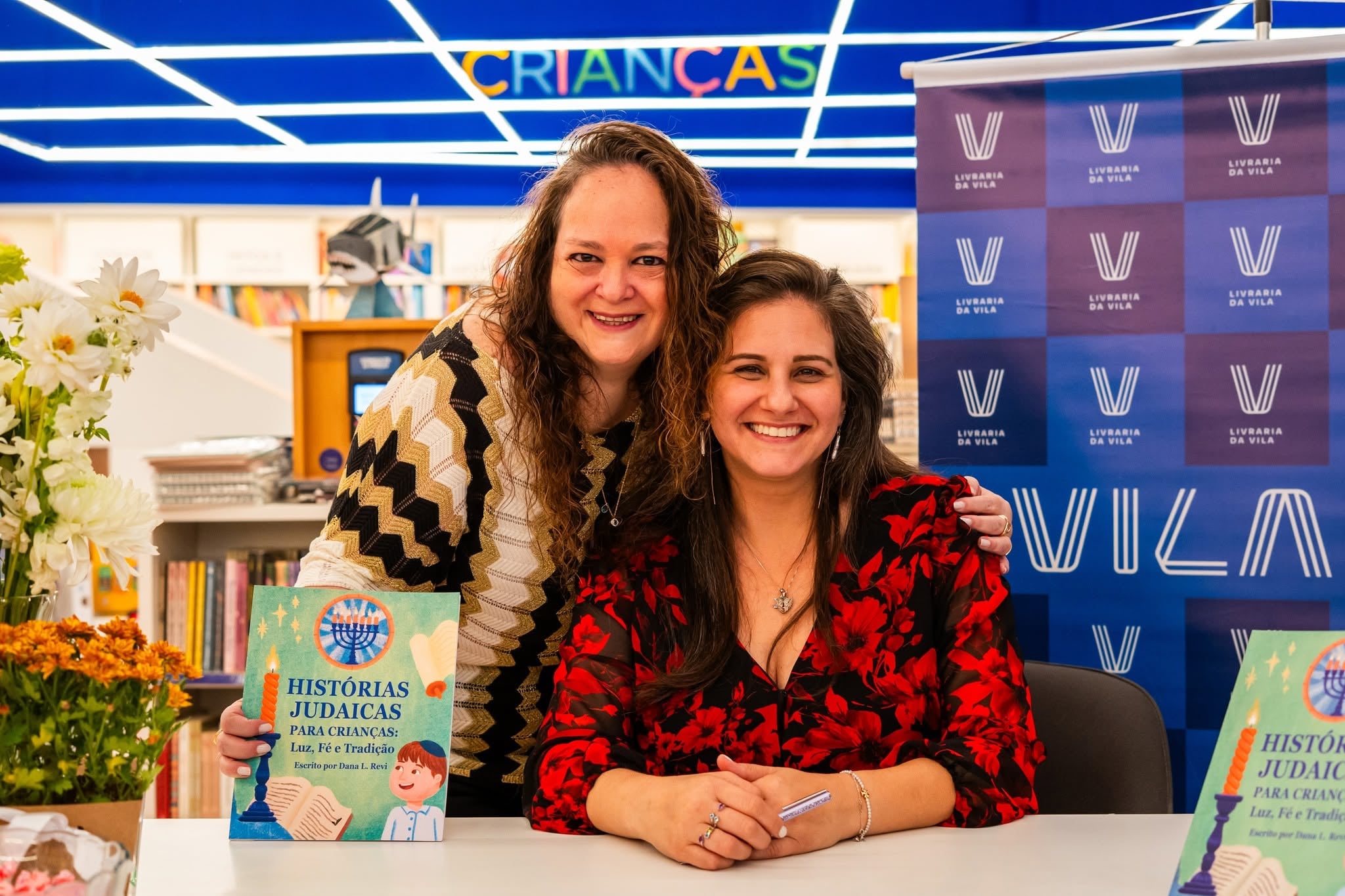
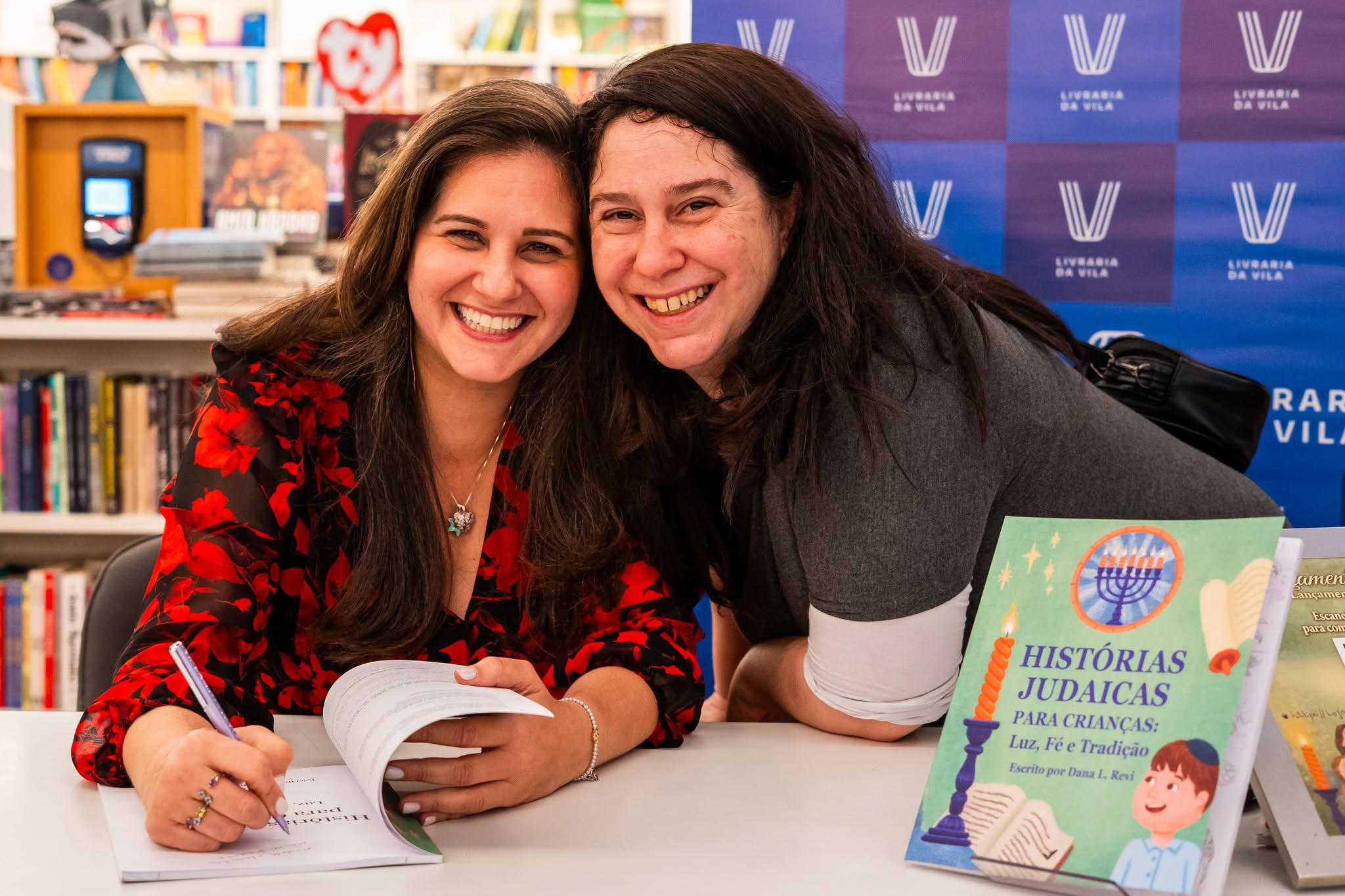
The launch, held in São Paulo, brought together family, friends, colleagues, and people who have accompanied different stages of the author’s journey. More than a book signing, the evening was filled with conversations about education, identity, values, and the role of future generations.
After the event, Dana summed up in a few words what seems to run through her entire path:
“Even in times of rapid change and constant technological advances, there is still space — and need — for what connects us in a human way.”
Perhaps that is precisely the legacy she kept on her list of dreams for so many years. Not just writing a book, but transforming stories into bridges between generations, helping families preserve memories, strengthen identities, and keep traditions alive — traditions that, long before schools, universities, or technologies, were passed down in the simplest and most human way possible: someone sitting beside a child, telling a story.
Written by Thiago Minc Cinato and Silas Anastacio