


International Speaker, Author, Educator, Tour-Guide, Artist, Zionist
Lessons from The Forgotten War: 70 Years Since the Sinai Campaign
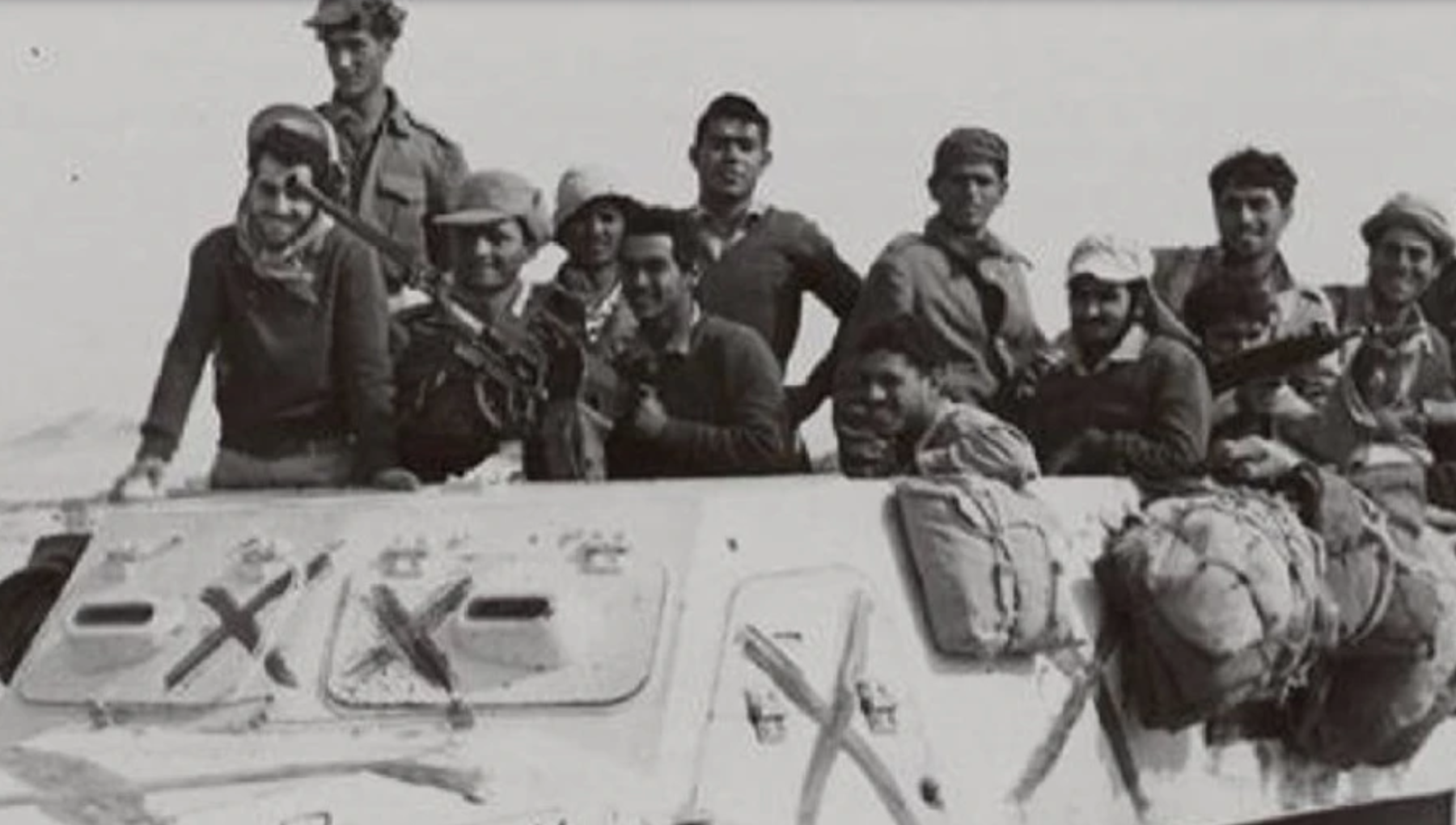
IDF troops entering the Sinai during "Operation Kadesh," 1956. (Photo ©️ IDF, 2026)
Ask most Israelis about the Six-Day War and you will get a story. Ask about the Yom Kippur War and you may get tears. Ask about 1956 and you are likely to get a pause.
This year marks 70 years since the Sinai Campaign, known in Israel as Operation Kadesh. It lasted just eight days, from October 29 to November 5, 1956, and has all but vanished from public memory. As an educator and the author of For the Sake of Zion, in which I write about this war, I find that a loss, because it may be the most instructive of Israel’s wars.
Why Israel went to war
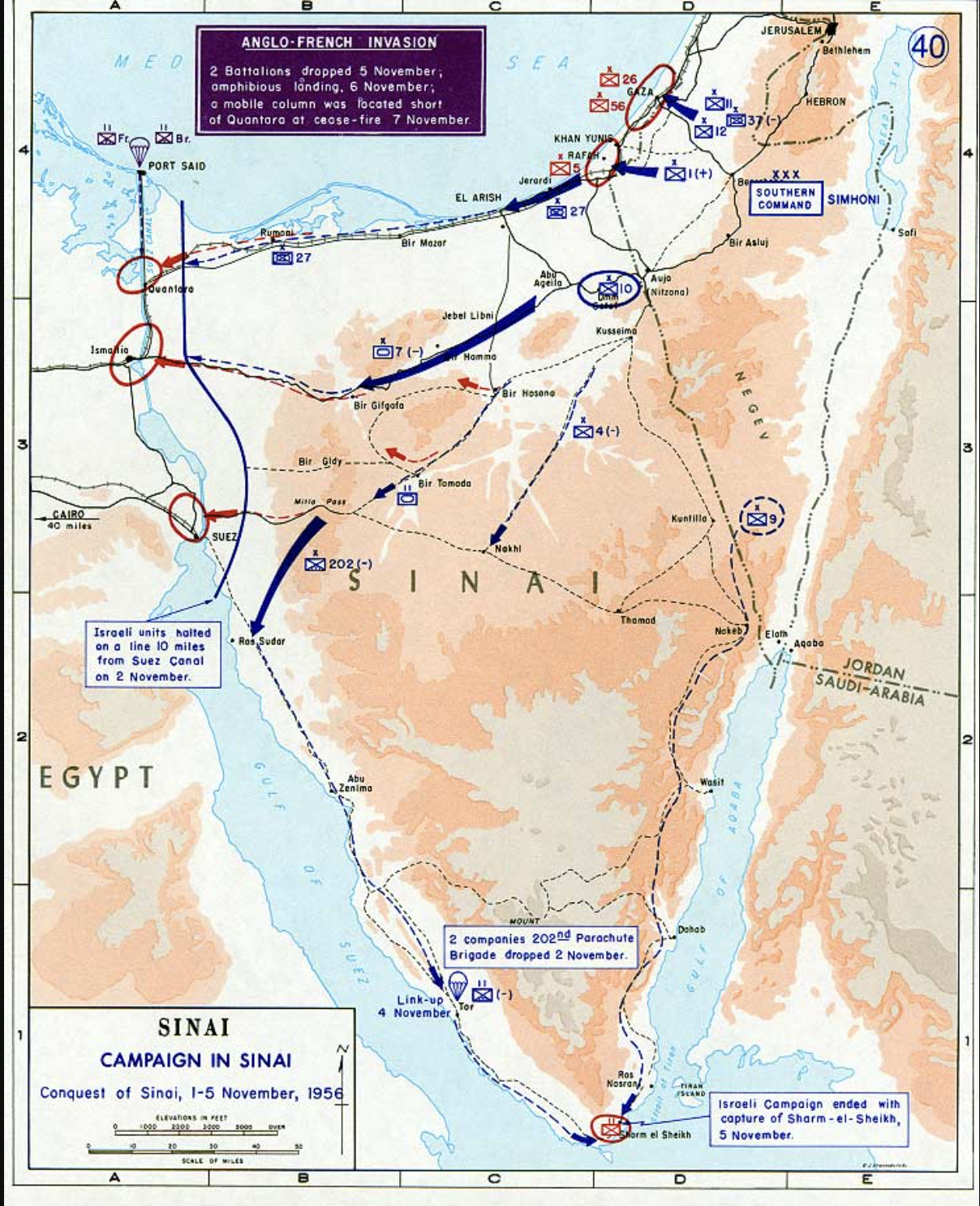
Israel launched the campaign in response to escalating Fedayeen terror attacks, which had murdered hundreds of Israeli civilians. It had three objectives: destroy the Fedayeen bases in the Gaza Strip and along the Sinai border, prevent an Egyptian attack by destroying its logistics and airfields in Sinai, and open the Gulf of Eilat to Israeli shipping.
The campaign partly coincided with the Anglo-French Suez operation, which was a response to Egypt’s nationalisation of the Suez Canal. The British and French effectively destroyed the Egyptian Air Force, and Egypt’s military capability was severely depleted.
A clear military victory
By November 5, the IDF had captured the Sinai Peninsula, the Gaza Strip and Sharm el-Sheikh. Israel lost 171 soldiers, with several hundred wounded and four taken prisoner. Egyptian losses were estimated at several thousand dead and wounded, with 6,000 taken prisoner.
As someone who now serves in a PALMAR medical extraction unit, I never read a number like 171 as a statistic. Each one was a family changed forever, and they paid for a victory that was about to be taken away.
A political defeat
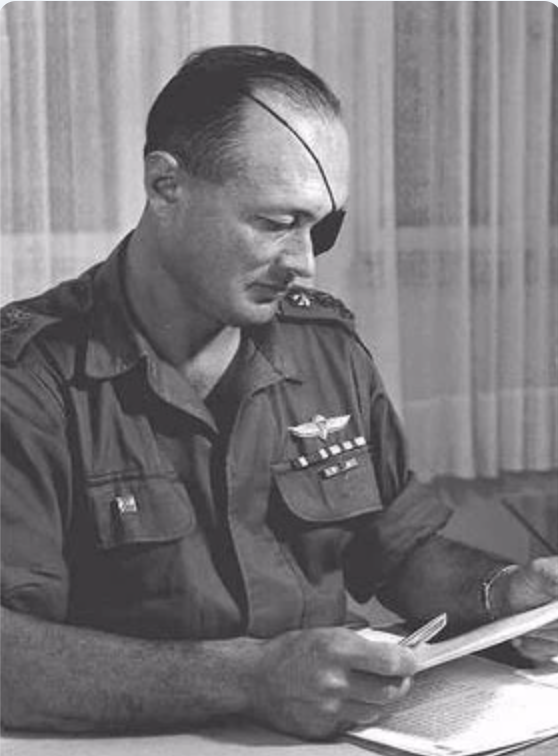
The United States and the Soviet Union, rarely aligned on anything, both opposed Israel. After a prolonged political struggle, the IDF was compelled to withdraw from Sinai and Gaza. For Britain, the affair was a disaster, and Prime Minister Anthony Eden resigned shortly afterwards.
Israel did not leave empty-handed. UN Emergency Force troops were posted in Gaza and at Sharm el-Sheikh to guarantee free passage through the Straits of Tiran. Israel gained a considerable degree of quiet on its southwestern border and open access to Eilat, and those gains held until 1967. It was a real achievement, but a fragile one, resting on promises rather than strength.
The promise breaks
Within a decade, the arrangement collapsed. Egypt moved forces back into the Sinai, forced the United Nations to leave, and once again blockaded the Straits of Tiran. The world had agreed to come to Israel’s aid if the agreement was broken. In 1967, it stood by.
I often ask my students how Israel must have felt. First, two superpowers forced it to give up hard-won territory for a fragile agreement. Then, when that agreement was broken, the guarantors did nothing. The lesson Israelis drew was blunt: in the end, you can rely only on yourselves.
Why it matters
I have served in a PALMAR medical extraction unit since October 2023, and the lesson of 1956 feels close to me. Tactical brilliance is never enough. A military victory that is not secured politically can evaporate, and the next generation of soldiers pays the price.
The men of 1956 did what they were sent to do, and that deserves to be remembered. So does the harder truth that the world did not let their victory stand.
Seventy years on, Operation Kadesh may be forgotten, but its lesson has not aged.
Dr. Tuvia Book is an international speaker, author, tour guide and IDF reservist. His curriculum “For the Sake of Zion” & his “Jewish Journeys” series on Jewish history in the land of Israel are published by Koren. His “Heroes of Palmar, How One IDF Unit Revolutionized Combat Medicine in Gaza” was published by Gefen this year.