Lessons from the IDF reservists
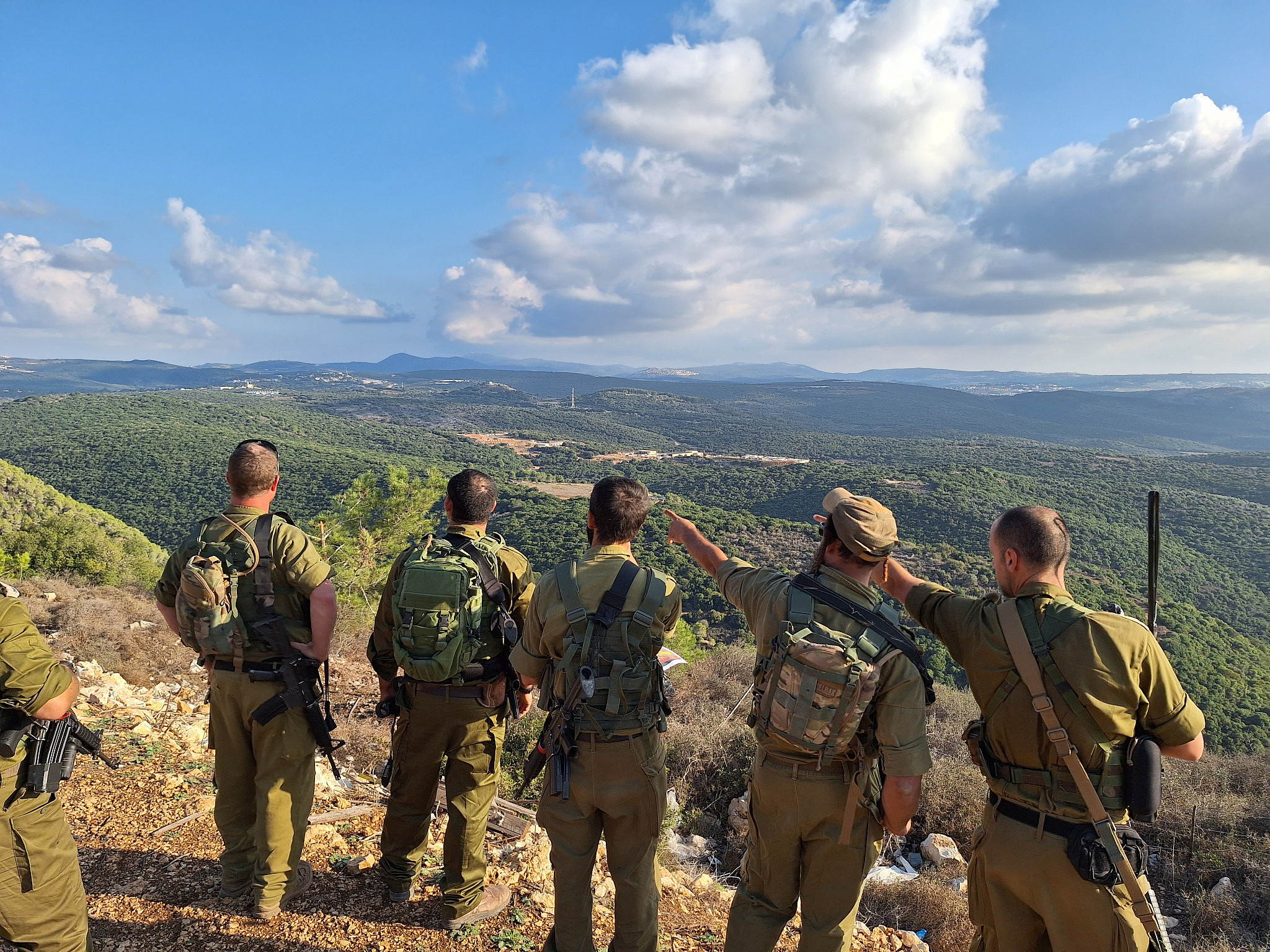
Over the past few weeks, thousands of Israelis have been called up for reserve duty in the IDF—many, including myself, for the third, fourth, or even fifth time in the last 20 months. Each call-up has become increasingly difficult to answer.
When a reservist is called to serve, he (no gender preference intended) is faced with the need to explain his absence. He must tell his employers, clients, and colleagues why he is stepping away for an extended period of time. He must explain to his partner why she must once more carry the full weight of family life alone. And perhaps most challenging, he must convince himself that his service is still vital—that he, specifically, is needed to fulfill the mission his unit has been assigned. And yet, despite the growing strain, reservists continue to show up. They report for duty and perform the vital tasks the IDF entrusts to them.
The massive turnout of reservists following October 7 surprised many and inspired the entire country. But for many reservists, the most striking and uplifting experience in those early days was how receptive the Regular Army was to their service. Reservists arrived straight from civilian life, bringing fresh energy, new perspectives, and valuable experiences. To the IDF’s credit, it embraced these qualities. The Regular Army welcomed the reservists’ contributions that went beyond the basic roles expected of them.
Historically, Israel’s army reservists have served primarily as reinforcements, making up shortfalls in the Regular Army. But since October 7, that paradigm has shifted. Reservists have been empowered to take initiative, bring forward their skills, and have assumed leadership roles in major operations. This development has produced three positive outcomes and offers a valuable blueprint not only for the IDF, but for Israeli society at large.
The first outcome is a renewed sense of purpose among reservists. In interviews and informal conversations, many reservists speak of the deep meaning they find in their service. This sense of mission has motivated them to give far beyond what anyone expected—often at great personal and professional cost. When people feel their efforts matter, they rise to the challenge.
The second benefit is the array of unexpected advantages the IDF has gained by drawing on the civilian expertise of reservists. In many cases, the army has leveraged these talents in ways it hadn’t anticipated. Reservists have contributed to operations and problem-solving across domains—from technology to logistics, from management to communications. The IDF should continue to cultivate this openness.
The third and perhaps most profound lesson is the example of unity that reservists have modeled. Israeli society today seems more fragmented than ever, with political, religious, and social divisions running deep. Yet during the course of reserve service, these differences often melt away. Reservists from across the spectrum—Left and Right, religious and secular—serve shoulder to shoulder. Many have formed deep bonds and launched new initiatives together, inspired by shared experiences and common goals.
Four years ago, Rabbi Benji Levy and I co-authored an article highlighting the unifying role of reserve duty in Israeli society—a message that holds even more significance today. Joint service has helped many reservists move beyond stereotypes and engage with “the other” in meaningful and constructive ways. This has been possible thanks to shared goals. Working side by side in pursuit of national security and the return of hostages, reservists have discovered how mutual objectives can transcend personal or political divides.
These outcomes from the IDF reserve experience hold important lessons for organizations beyond the military. When individuals find meaning in their roles, organizations benefit from increased dedication and commitment. Other institutions can motivate their members similarly by helping them connect with a greater purpose.
Similarly, the IDF’s openness to civilian expertise highlights the power of embracing diversity—those with different backgrounds, skills, and perspectives. Other organizations should actively seek to include voices and talents outside their usual circles, recognizing that true innovation and strength come from integrating diverse experiences and viewpoints.
Finally, the unity forged through shared goals in the IDF reserve units offers a valuable model for bridging divisions across Israeli society. Initiatives that bring together people from diverse backgrounds to collaborate on common projects can foster understanding and build lasting bonds. This approach—adopted across society, beginning with schools and youth movements and extending into broader community life—could help mend some of the country’s deepest divides.
We all pray for the day when the IDF will no longer need to call up reservists en masse. But when that day comes, the army should retain the openness it has shown in recent months—and continue benefiting from the knowledge, skills, and leadership that reservists bring. More broadly, Israeli society must internalize a vital truth: integrating diverse viewpoints and abilities doesn’t weaken us; it strengthens us.
May we soon see the fruits of these lessons—in the army and beyond—for the benefit of all of Israel’s citizens.