Let us in: The world needs uncensored reporting from Gaza now
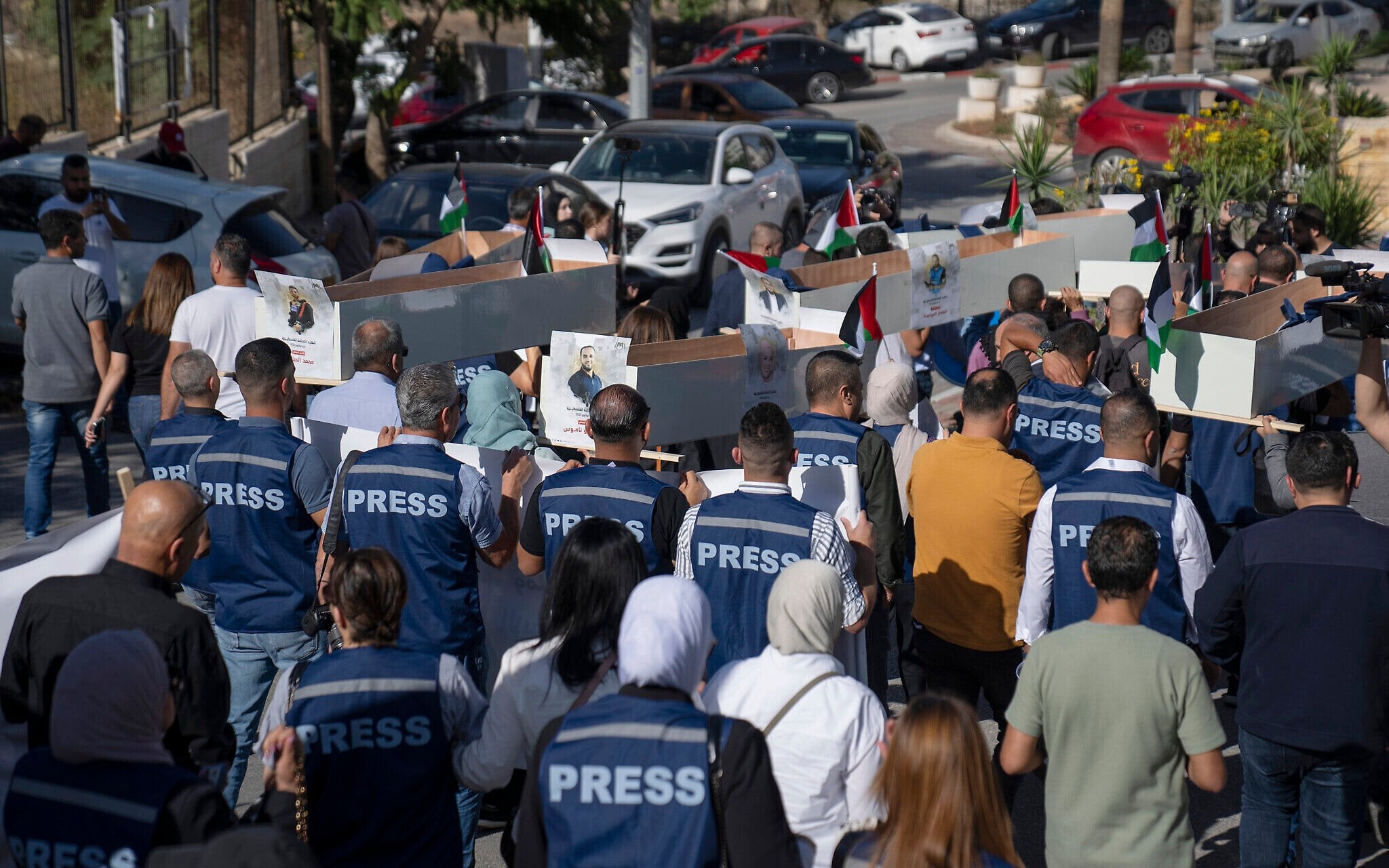
This week, over 1,000 journalists, media professionals, and press freedom advocates from more than 60 countries signed a petition demanding immediate, unrestricted access for foreign journalists to the Gaza Strip. The initiative, titled Freedom to Report, should not need to exist. In a functioning democracy, access to cover a conflict of this magnitude would be a given. Instead, for 22 months, Gaza has remained closed to international media. This is a closure without precedent in modern warfare.
Among the signatories are some of the most respected and experienced war correspondents in the world, including Christiane Amanpour (CNN), Jeremy Bowen (BBC), Alex Crawford (Sky News), Lyse Doucet (BBC), and Lindsey Hilsum (Channel 4 News). They represent global news organizations and national outlets from every continent, including many from Belgium, and reflect a growing and urgent consensus: journalists are being systematically blocked from doing their jobs.
The Israeli government has enforced a near-total media blackout, barring independent access to Gaza. Since the war began, over 1,139 people were killed in Israel, including at least 695 civilians during the Hamas-led attack on October 7. So far, more than 61,000 Palestinians have been killed, according to the health ministry in Gaza, most of them civilians: children, doctors, humanitarian workers, UN staff. Entire neighborhoods have been destroyed. Millions displaced. There is credible evidence that famine is being weaponized. Allegations of war crimes continue to mount. Yet journalists are not allowed in. Why silence the witnesses?
The world cannot rely on press releases, government briefings, or second-hand reports. This demands direct, on-the-ground verification by independent international journalists. Foreign media were eventually granted access to cover the October 7 attacks. Yet Gaza remains sealed. The Israeli government has made its position clear: foreign journalists will not be allowed to report freely from inside the territory.
This has become the deadliest war for journalists ever recorded, with nearly 200 killed, overwhelmingly Palestinian. Despite unbearable conditions, danger, hunger, exhaustion, grief, Palestinian journalists continue to report with extraordinary courage and professionalism. They are making history. But they should not be alone. Our demand is not to replace them, but to stand with them and to help ensure a diverse, independent, and verifiable record of events.
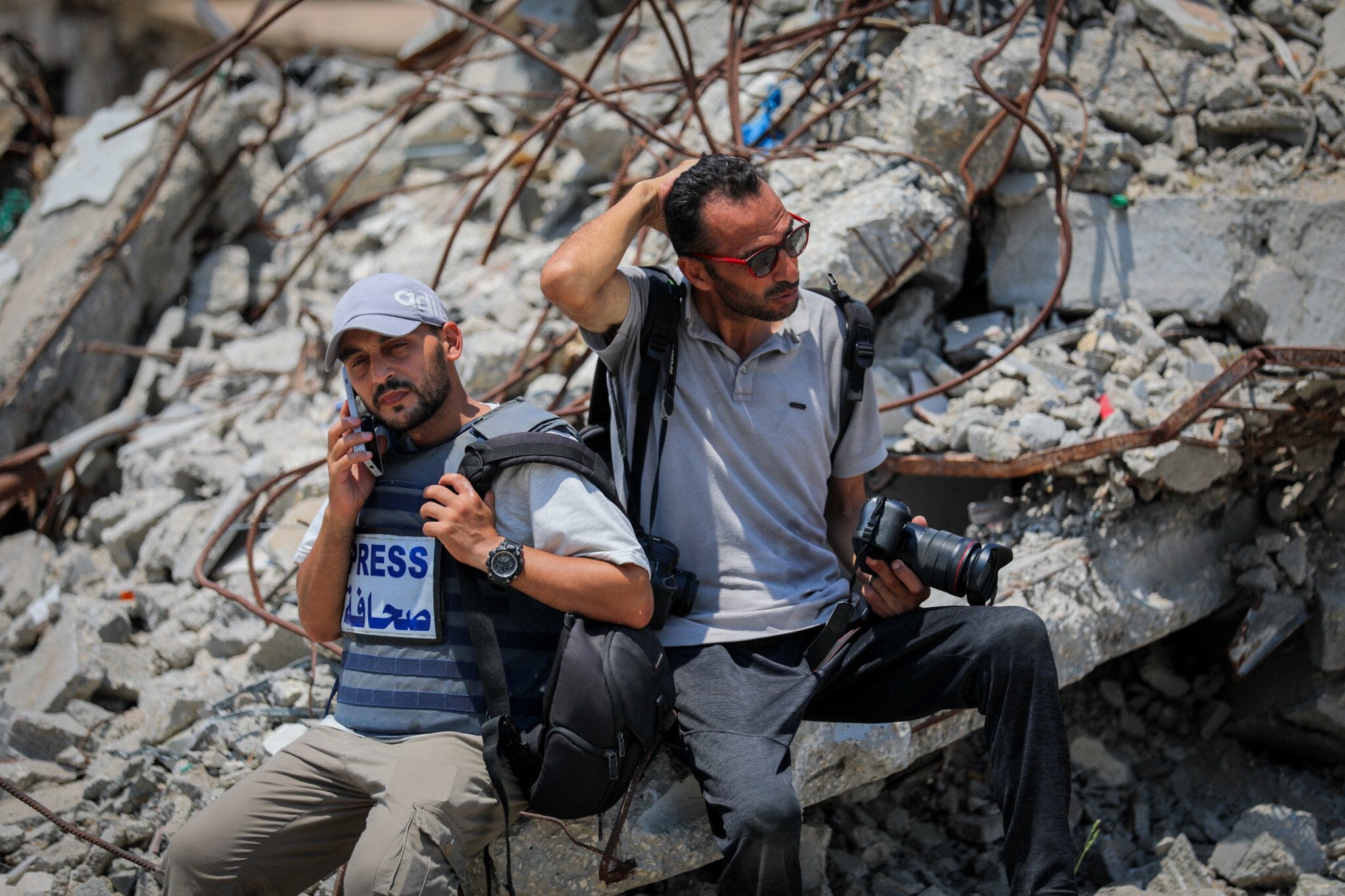
This is not just a humanitarian blackout. It is an information blackout, one that violates the public’s right to know and weakens journalism’s core role: to hold power accountable. If this blockade on truth persists, it sends a dangerous signal to governments everywhere: that press freedom can be suspended during war, that censorship and narrative control are acceptable tools of state policy.
We are already witnessing this erosion beyond Gaza, with a growing wave of global censorship and repression of the press. Gaza is the most urgent case, but it is not the only one. It represents the sharpest edge of a broader threat: the silencing of journalists, the criminalization of truth, and the creeping normalization of secrecy over scrutiny.
If the democratic world is serious about defending press freedom, it cannot look away from Gaza. To defend access there is to defend access everywhere.
We who have covered wars, who have buried friends and colleagues killed while seeking the truth, do not make this demand lightly. We understand the risks. But war zones are where journalism matters most.
This is not a political act. It is not activism. It is journalism.
And it is urgent.
Let us in. Now.