Evaluating Sustainable Wellness Hospitality
Light, Circus and Coexistence at the Akko Festival of Alternative Theatre
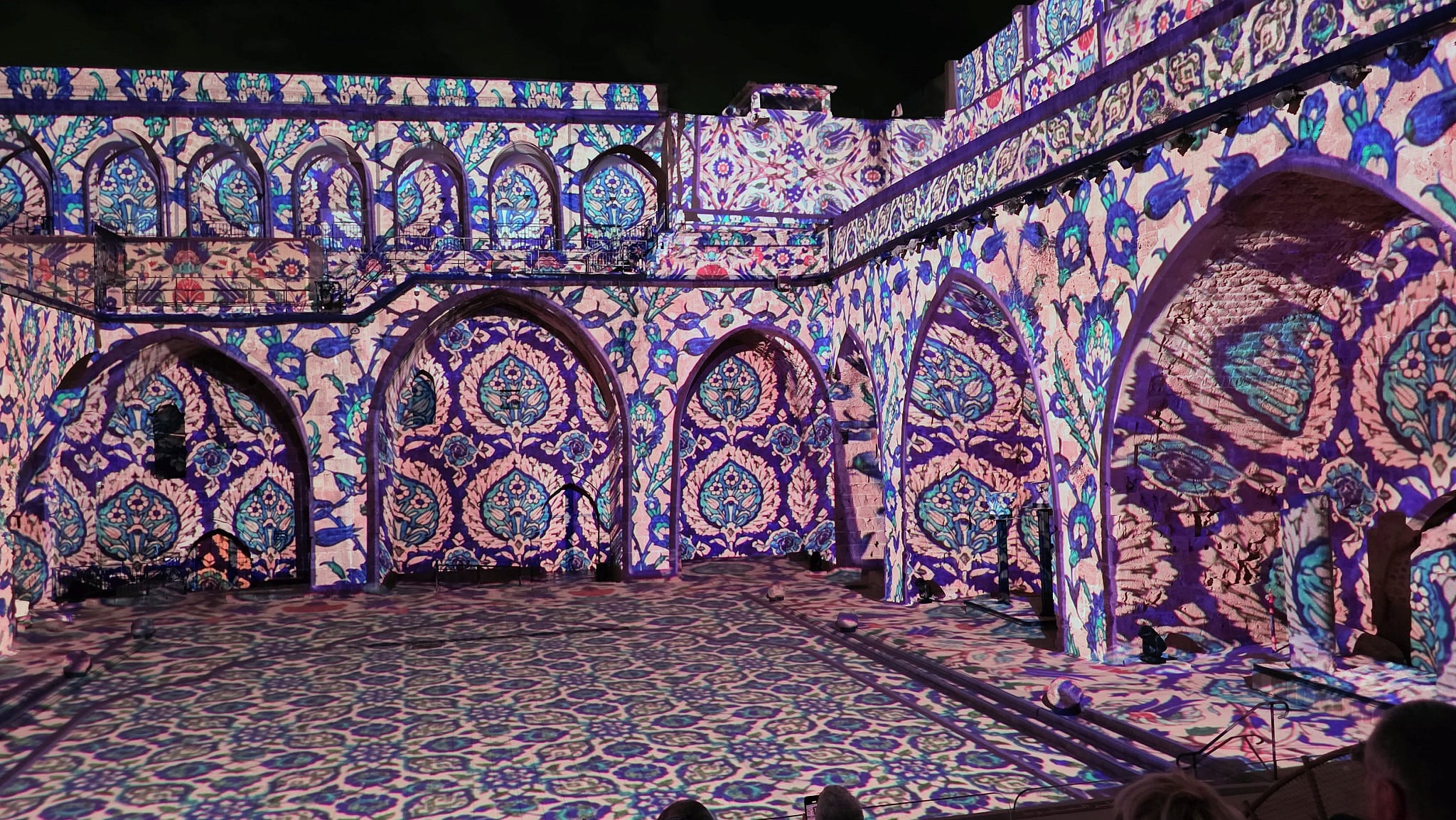
Photo credits: Noam Bedein
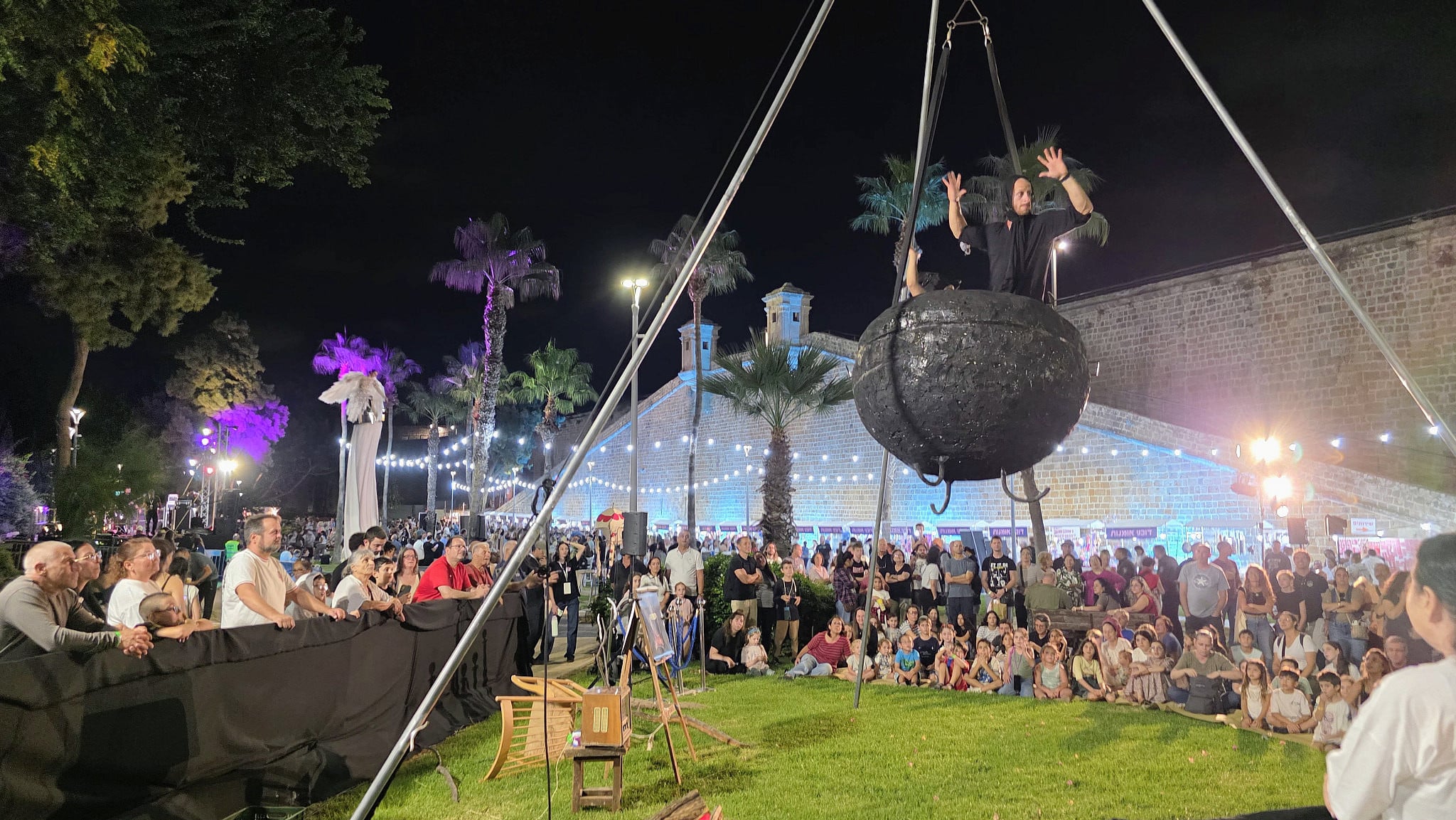
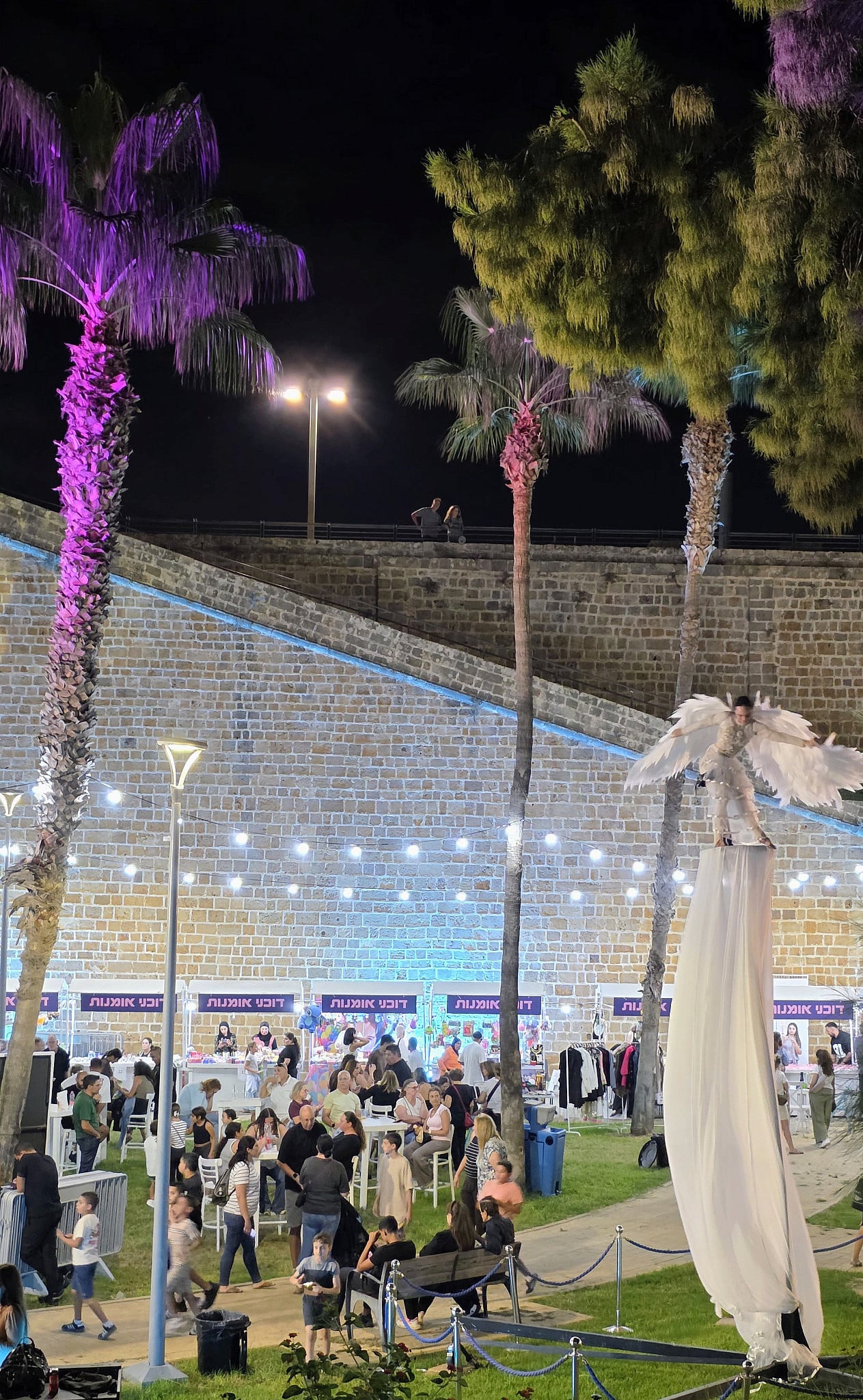
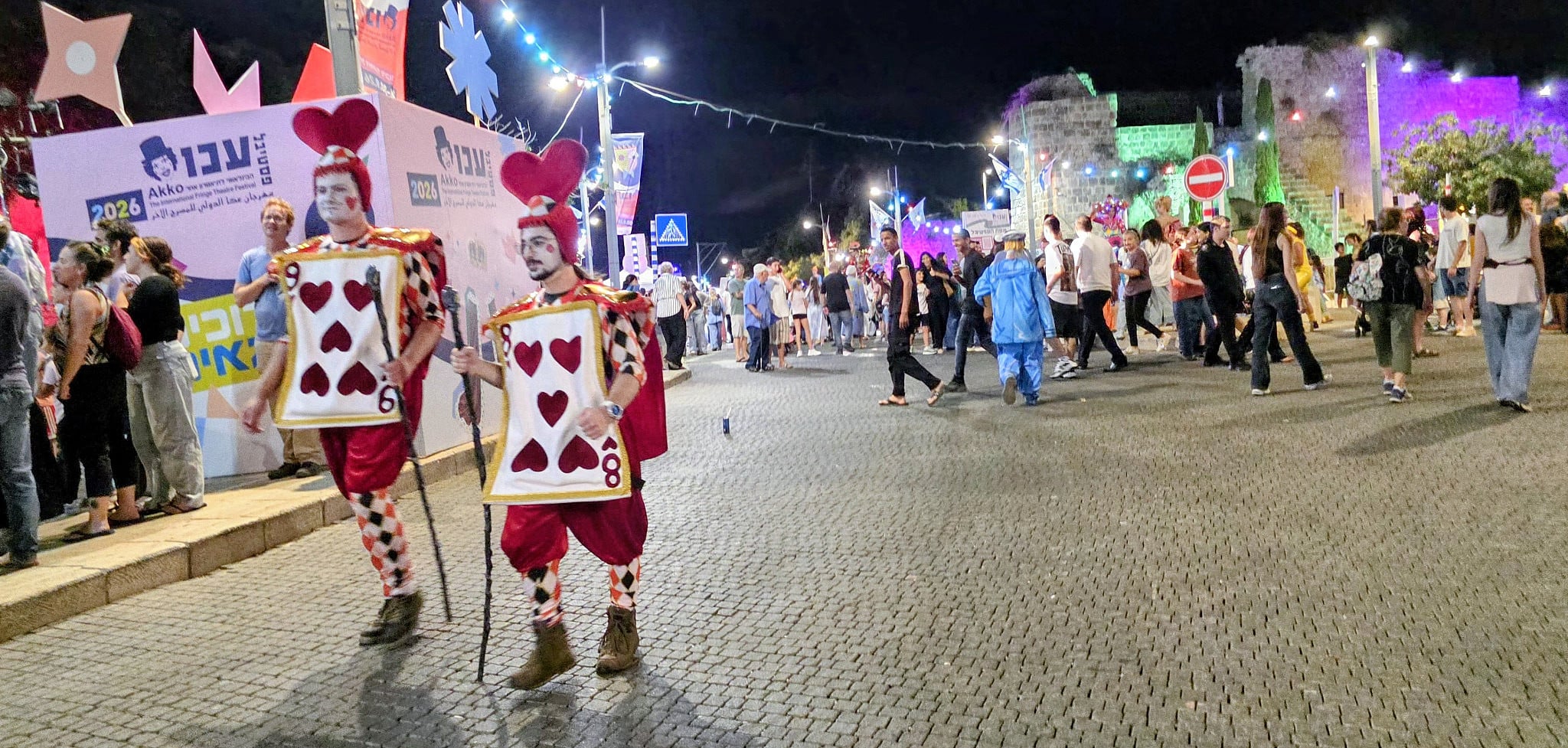
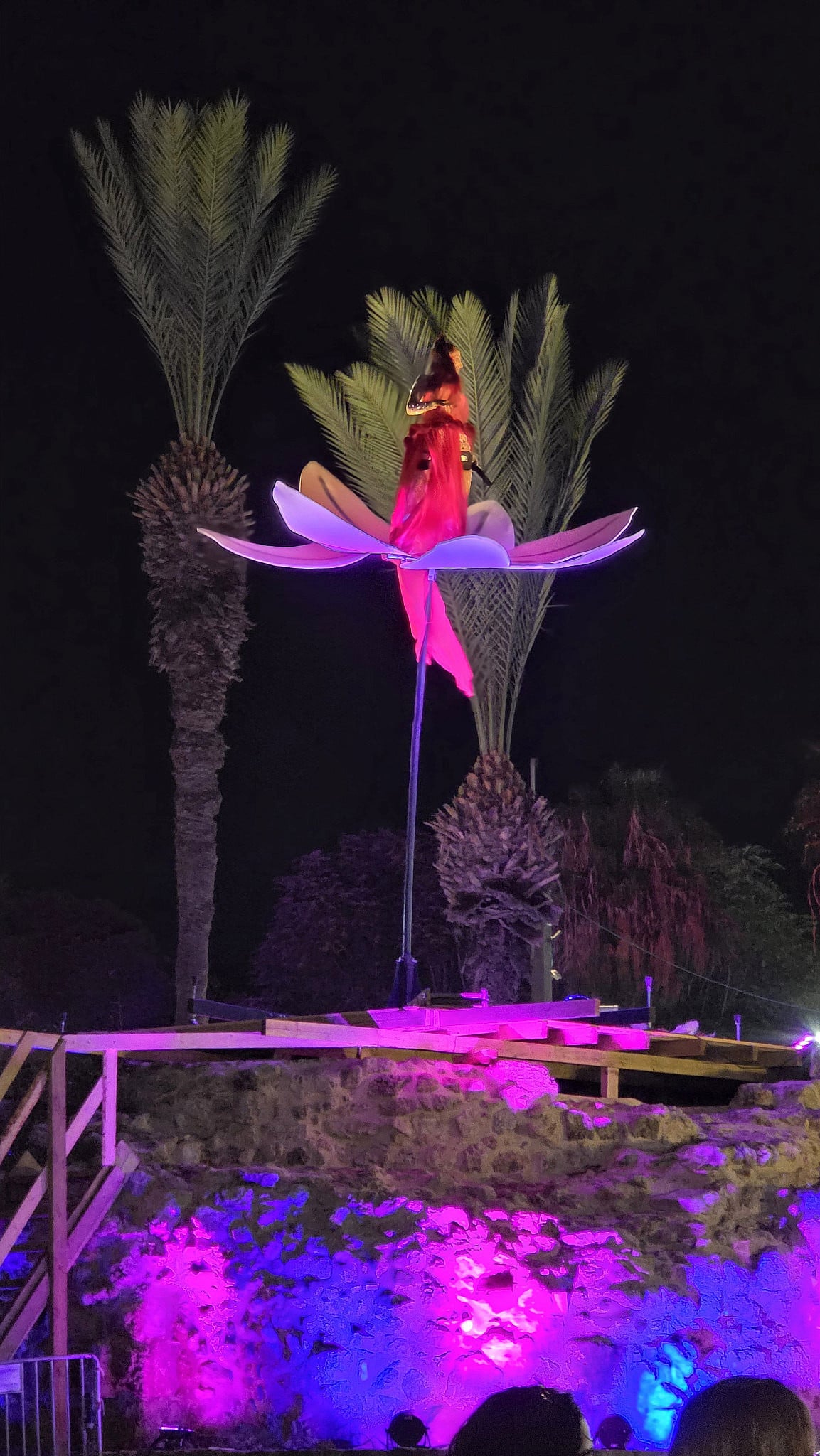 We heard the festival before we saw it. Drums rolled up from the direction of the port, children laughed somewhere down a side alley, and then, above the heads of the crowd, a woman danced on a giant flower swaying in the air. Colored light washed over the ancient walls. Musicians played on street corners, and costumed performers slipped between the market stalls. During the Sukkot holiday, Akko offers a rich cultural experience, both local and international.
A City the World Fought Over
The anonymous author of an account of King Richard’s journey once compared Akko to mythical Troy. He described a city so beautiful and so strategically important that the whole world fought to conquer it. Hellenistic, Roman, Byzantine, Muslim, Crusader and Ottoman rulers all left their mark here. In the Crusader period (1104-1291), the city drew artists and scholars. Byzantine, French and Italian influences shaped its poetry, dance and music. In the markets, people spoke an Old French laced with Italian and Arabic words, a language of trade and shared daily life.
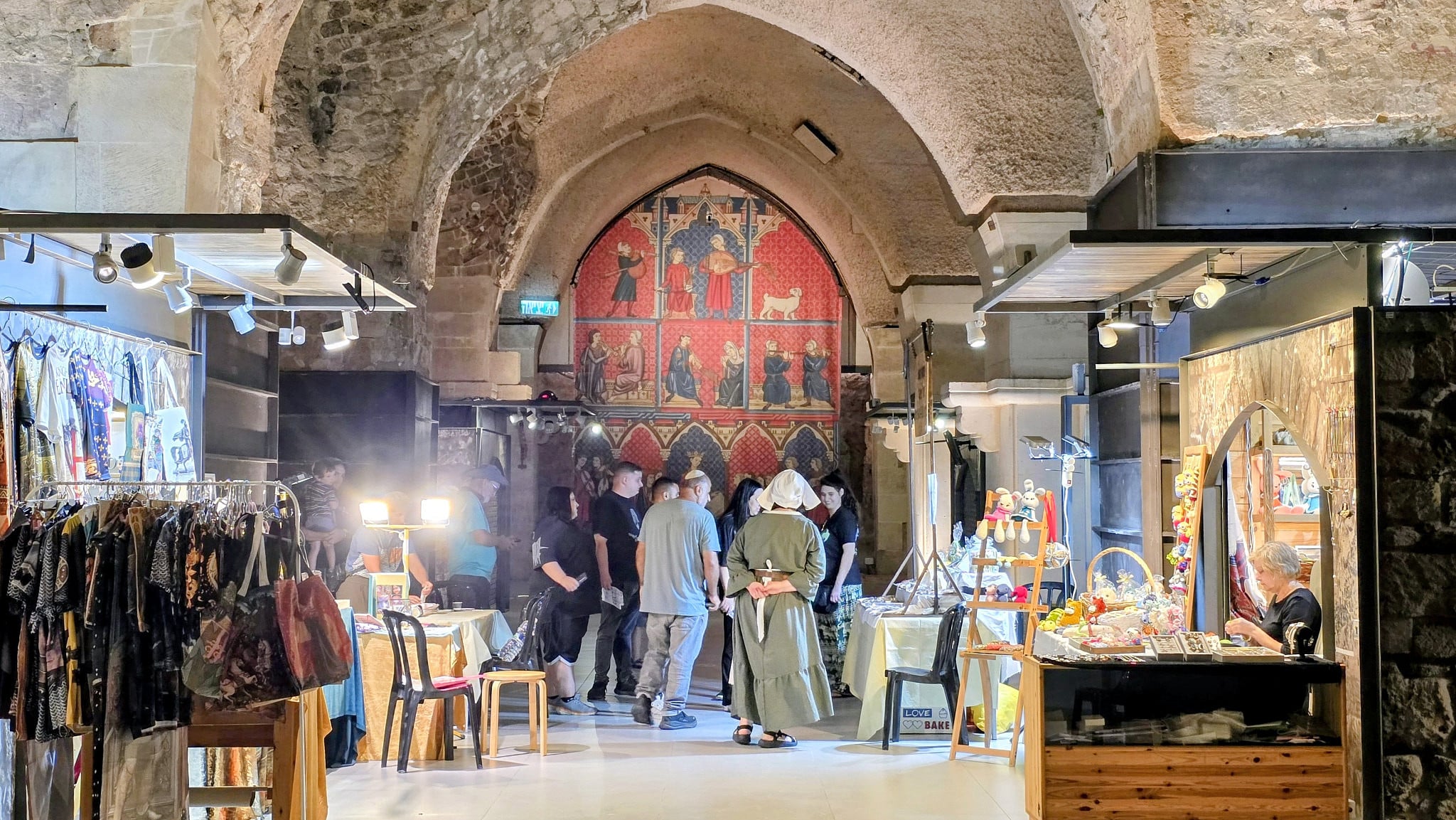
You can still feel that texture on the street today. Jews, Muslims, Christians and Druze live alongside new immigrants and longtime residents, and thousands of visitors pass through. The scent of spices from the market, the sea breeze and the city’s tradition of hospitality turn a simple walk into a kind of restoration.
 Forty-Six Years of Alternative Theatre
The festival was born in 1979 on the initiative of director Oded Kotler. Together with the late Yossi Frost, the late Yossi Pitusi and Haim Shiran, he persuaded the late Lea Porat to give the festival a permanent home in Akko. Since then it has grown into Israel’s leading stage for independent, groundbreaking work.
Mayor Ohad Segev took office on April 14, 2026 and brought this year’s festival to life at the very last minute. “The Akko International Festival of Alternative Theatre marks 46 years since its founding this year,” he said. “The ability to take culture out into the street, to bring it close to people, and at the same time to give a stage to bold, thought-provoking work – that is the special power of the Akko Festival.”
When we spoke, it became clear how personal the festival is for him. “I started as an actor with Moni Yosef… and I had the privilege of being a hall manager here at the theatre during the festival… so I’m truly connected to this festival in a direct way.” After the events of Operation Guardian of the Walls and the difficult period the country has been through, he sees the festival as a national mission. “To try and bring our beautiful Akko back to being a model of coexistence… Akko has to come back. It’s not for Akko, it’s for the State of Israel.”
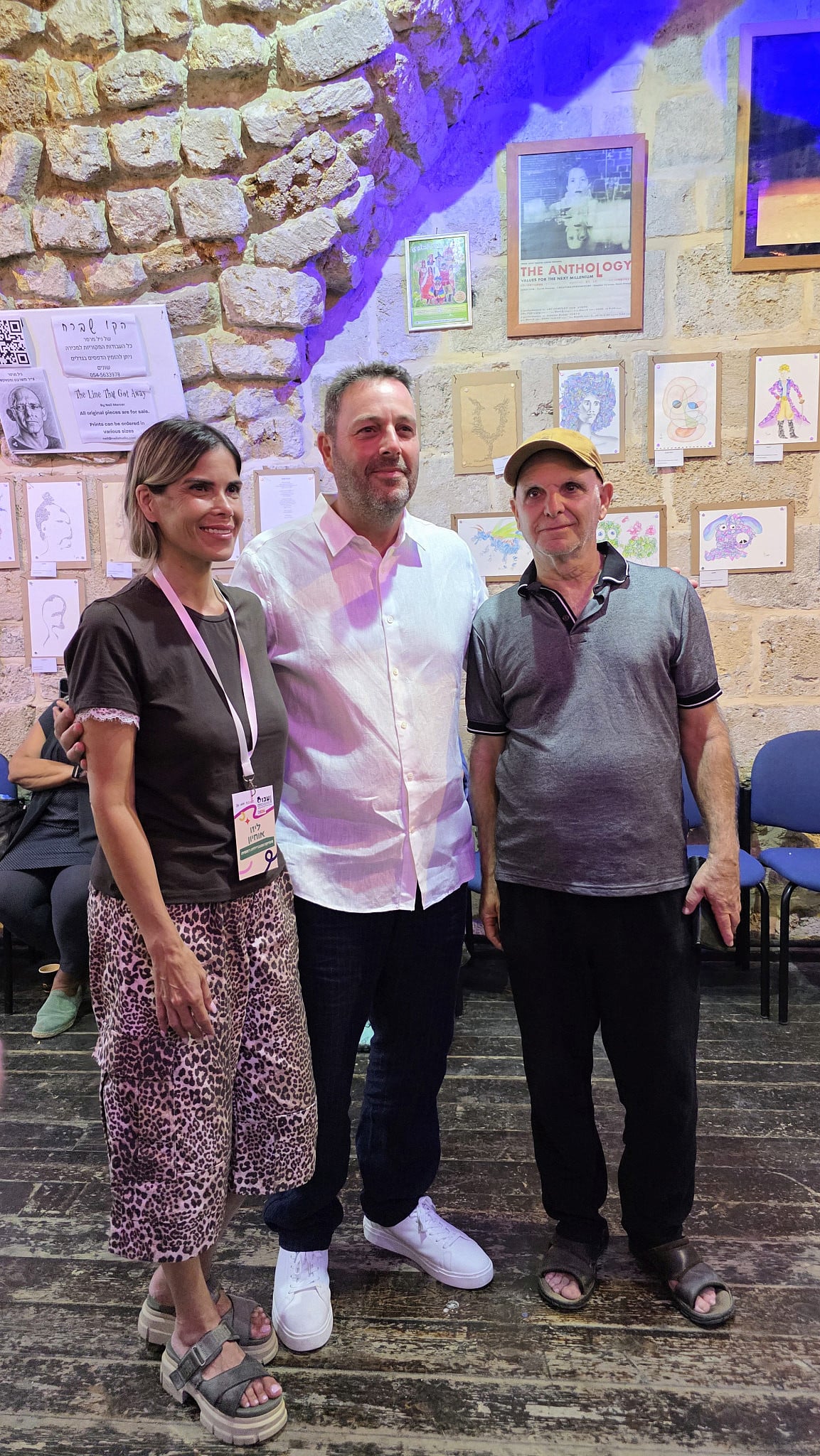
Lizo Ohayon, the festival’s CEO and chief producer, put the entire production together in about six weeks. “It’s not a given to take a budget and direct it toward culture,” she said. “He allowed culture to keep living in the city of Akko… Enjoy yourselves, explore the city. It’s worth it. There’s plenty to see here.” She worked alongside Avital Almog, who runs the festival headquarters, and the Akko Theatre team. Credit also goes to municipal director general Golan Givon, deputy mayor Adham Jamal, municipal spokesperson Sharon Dahan, assistant spokesperson Abdallah Hindawi, and Nava Pilizer of Pilizer Communications.
 The International Stage
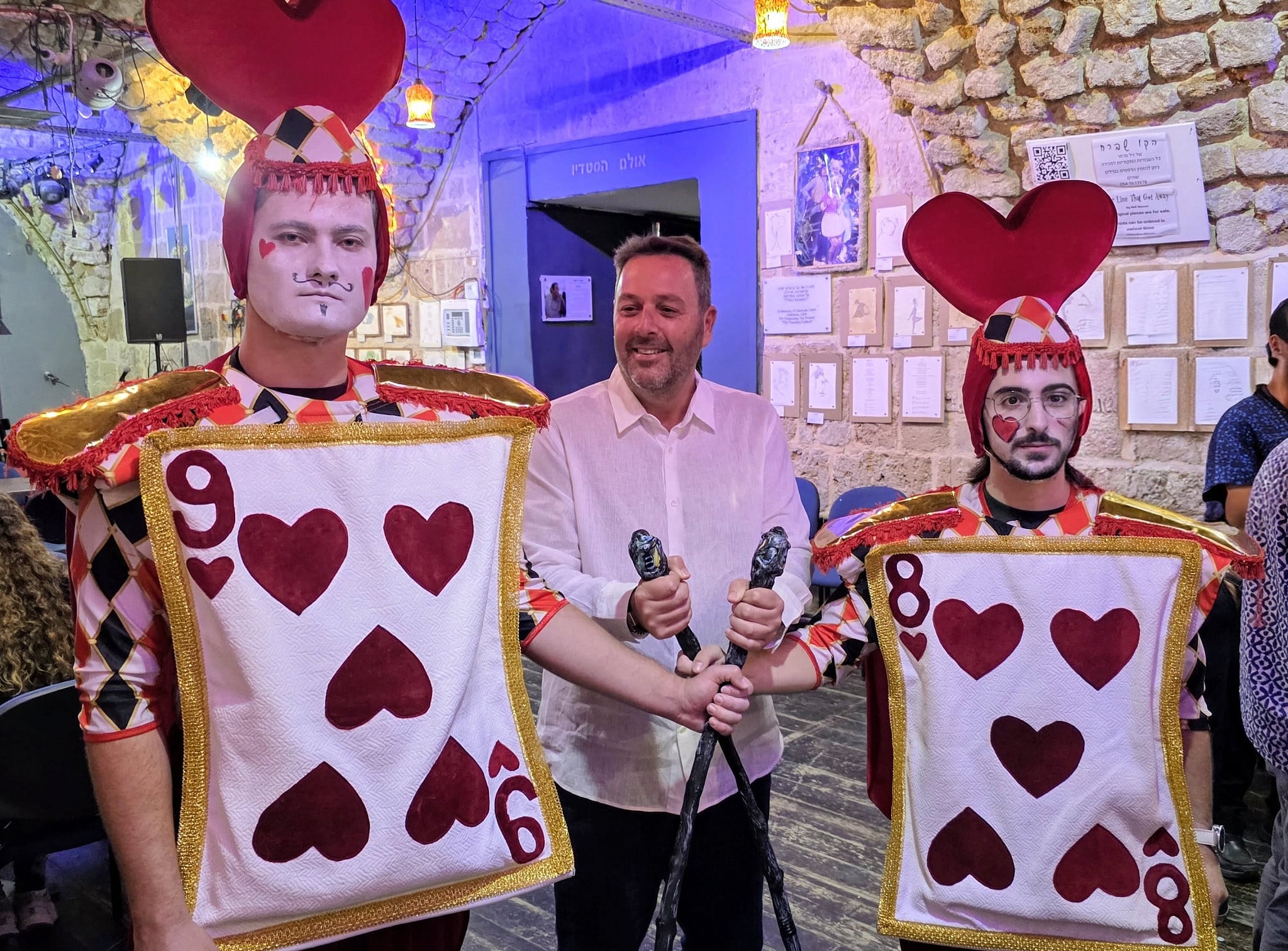
Moni Yosef, director of the Akko Theatre, has led the festival’s international program and its ties with festivals abroad since 2017. He told us there is no artistic boycott of the festival, and that troupes from around the world are lining up to perform in Akko. Ongoing relationships with artists and festivals in Germany, Austria, Japan, Italy and Sweden remain strong. Budget limits and the security situation reduced the number of foreign productions this year, but demand from troupes and foreign embassies is still very high. The mayor was generous with his praise: “A big thank you to Moni Yosef… who believed in this place and created something incredible here.”
The international presence is easy to spot on the street. Flowers in the Sky, from Germany in collaboration with Circus Y, features a circus artist swinging five meters above the crowd. Grimm in the Circus brings the Abika troupe from Addis Ababa on a colorful journey through the Brothers Grimm tales. The festival also hosts an exhibition by artist Nils Mercer.
The Street as a Stage
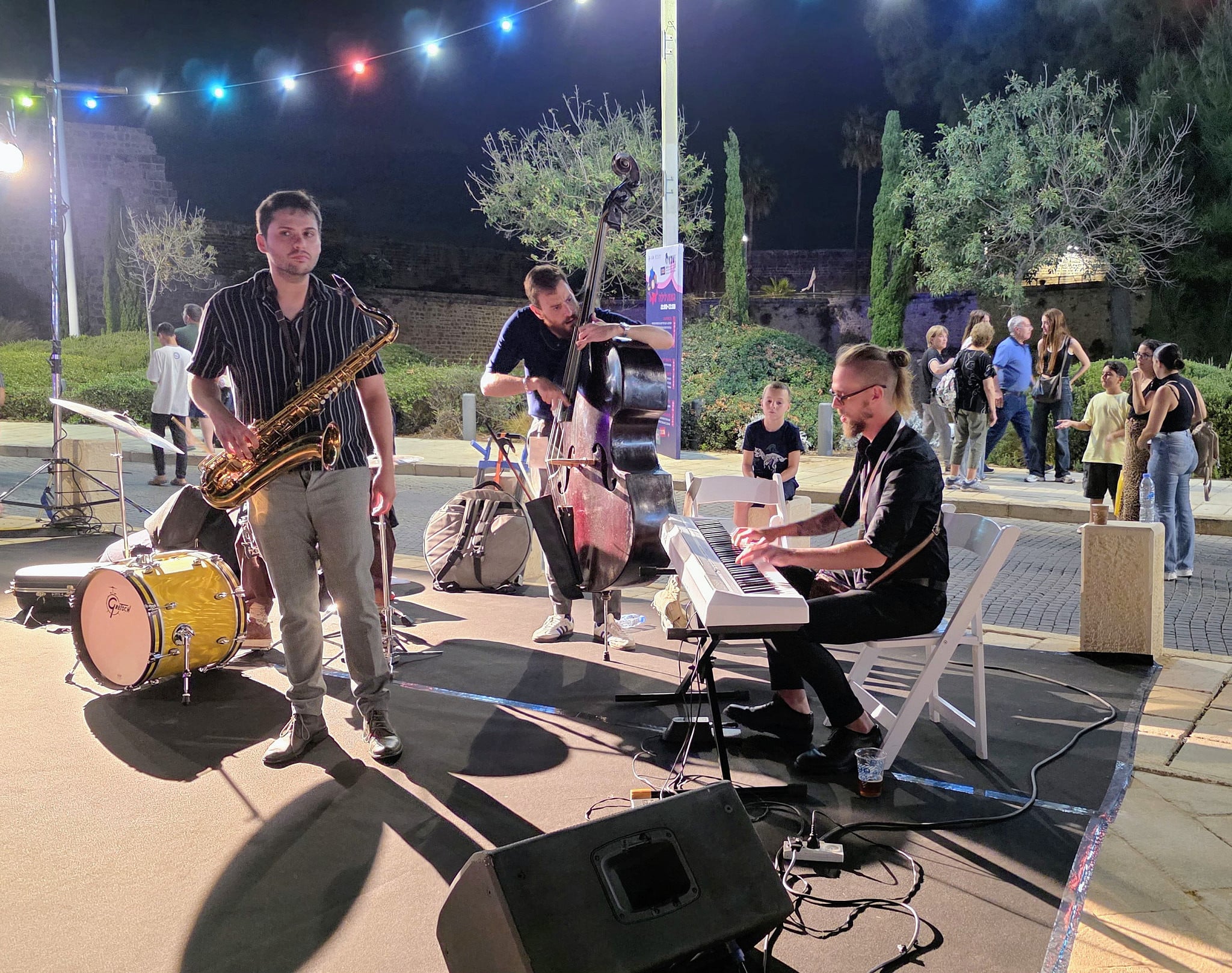
The dozens of free outdoor performances are the festival’s beating heart. The Uplifters, by Keshet Arts (Idan Sklar and Shmulik Shochat), fills the alleys with giant puppets and Brazilian and African rhythms. In The Broadcaster, David Buchnik plays a 1960s single-channel radio host who interviews passersby. Maayan Ferrera’s Grandma Hamsa is a three-meter living sculpture who hands out Moroccan blessings against the evil eye. In Open Mind, from Akim Israel’s alternative theatre and directed by Sharon Gombosh, actors with intellectual disabilities invite the audience to open their hearts. Dror Liberman and Kazuyo Shionoiri of Tamuna Theatre roll giant metal hoops through Circles of Joy, and Ziv Eitan plays a giant marimba and more than 70 percussion instruments from five continents in WOW Marimba.
At night, the stage in the Lower Moat hosted a Queen tribute by the Rimon School of Music, which recently opened its first branch in Akko. Also on the bill were the Smachot band with Israel Bright, the Acropolis band and the Shayara project.
 The Knights’ Halls: Treasure by Day, Light by Night
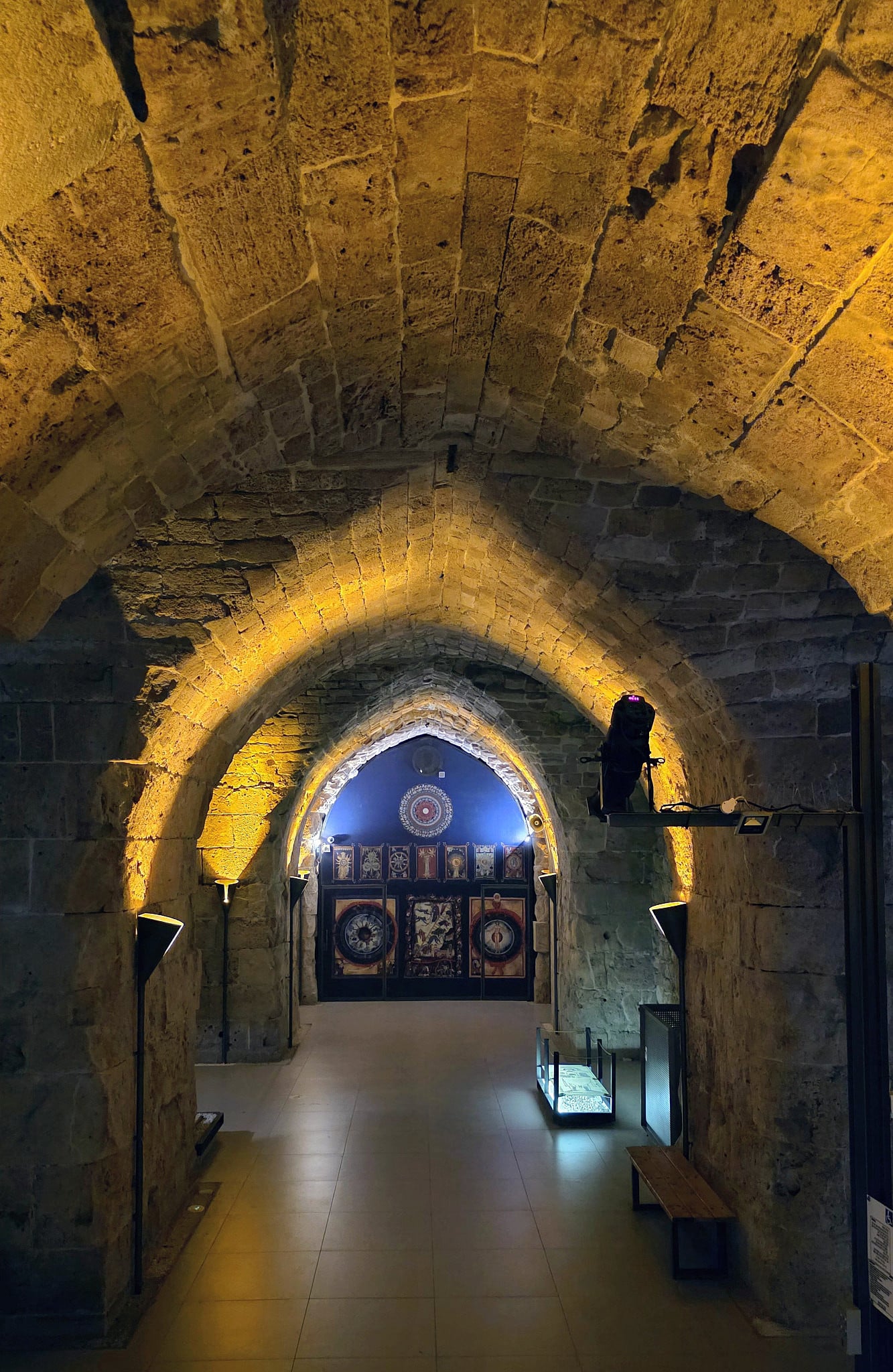
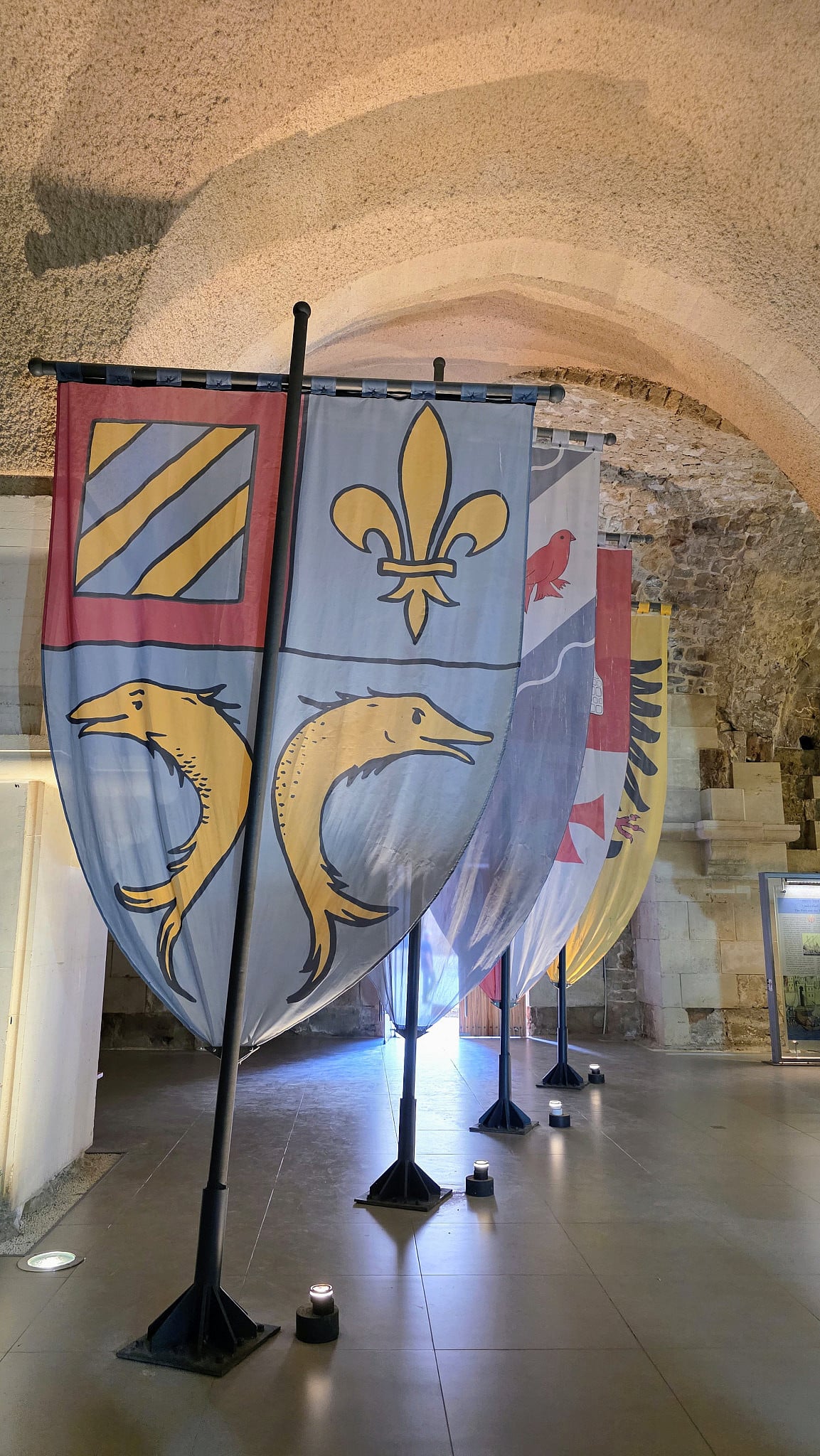
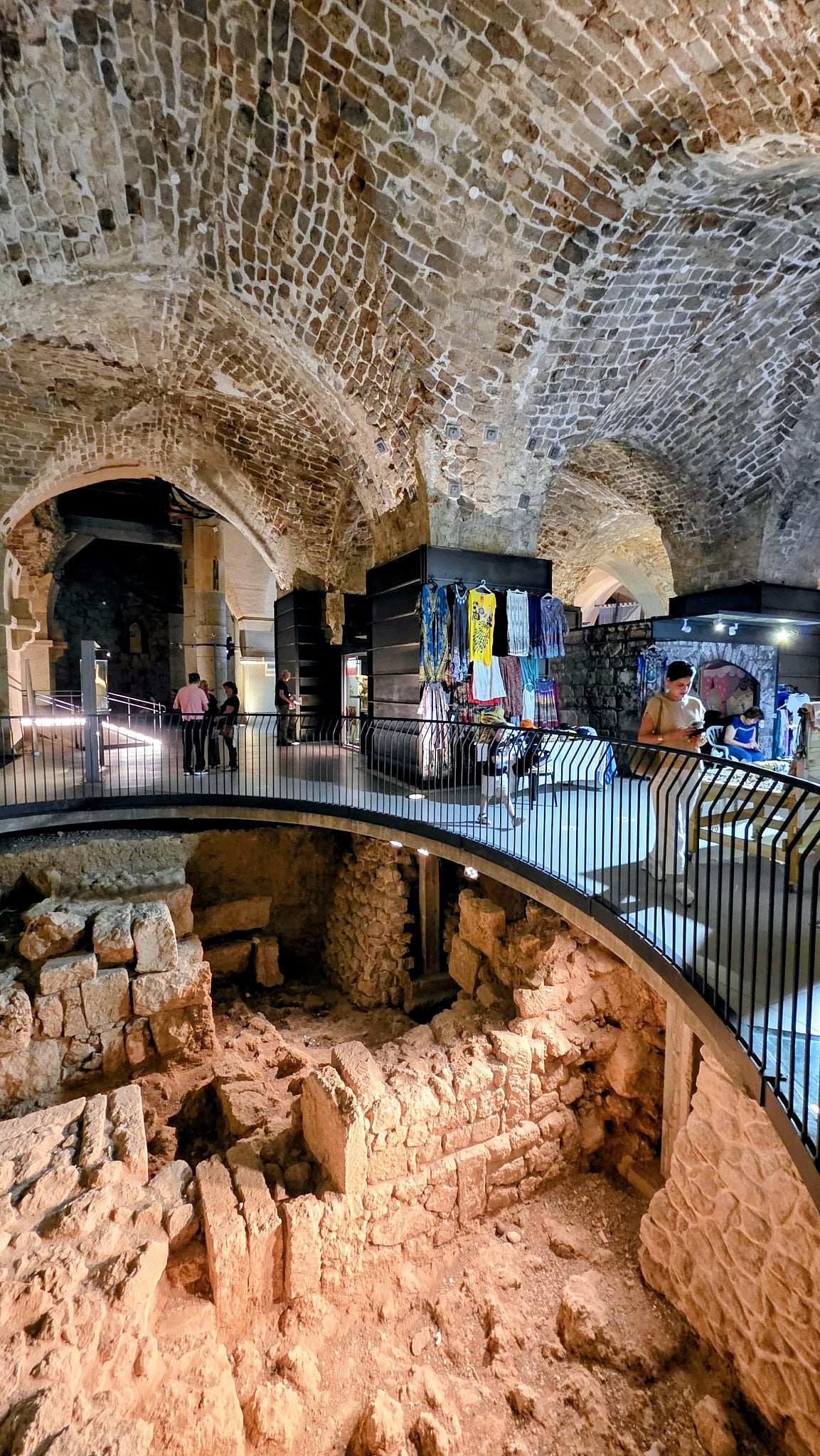
The Hospitaller citadel is one of the most striking buildings in Israel. Excavations during the British Mandate uncovered the upper part of the Pillar Hall. In 1947, Jewish prisoners dug an escape tunnel from a cell in the upper section of the complex. Further excavations in the 1950s and 1990s, followed by conservation work that lasted until 2005, revealed the full complex. In 2001, UNESCO declared Old Akko a World Heritage Site. The halls are managed and developed by the Old Akko and Nazareth Development Company, led by CEO Yuval Porat.
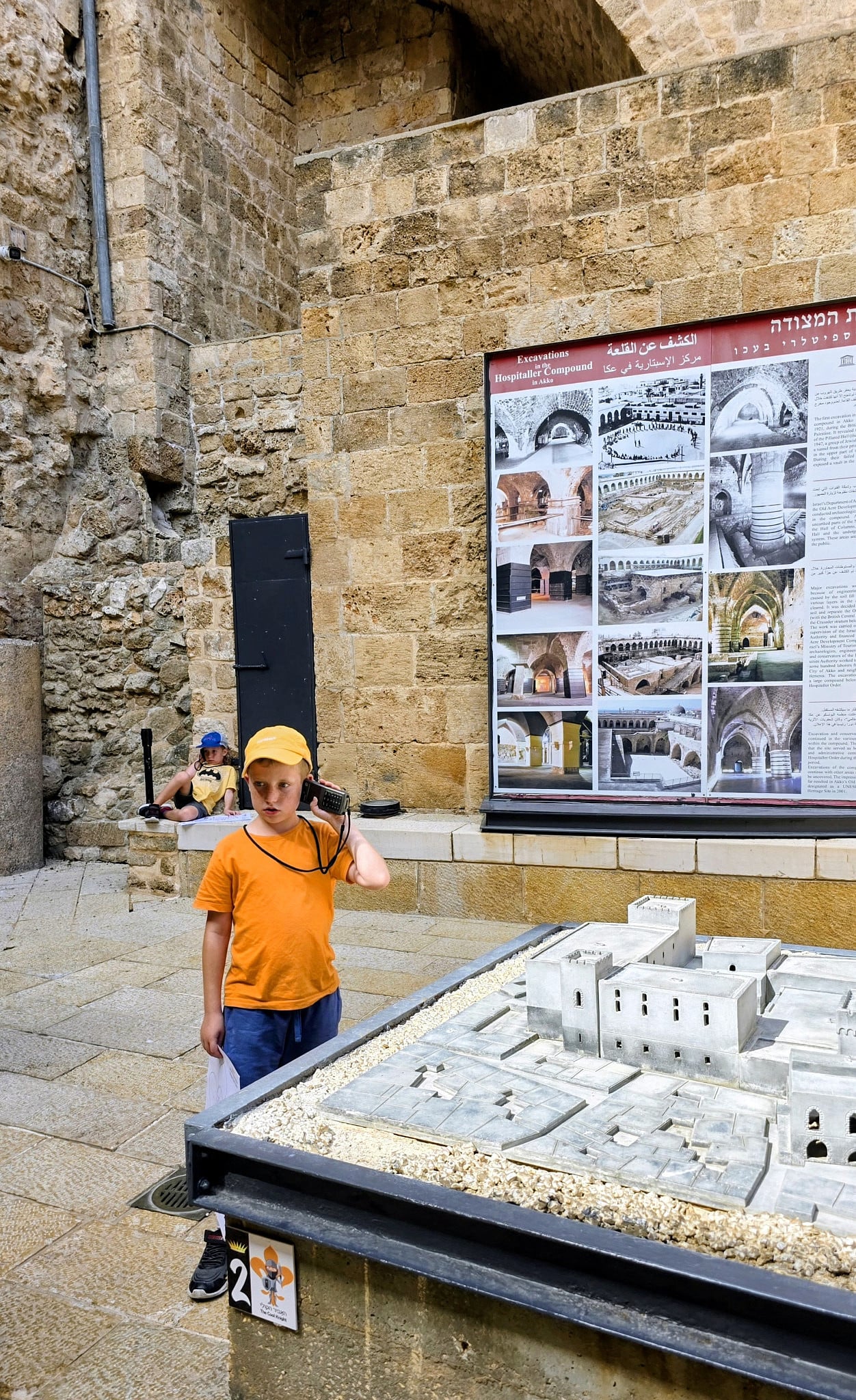
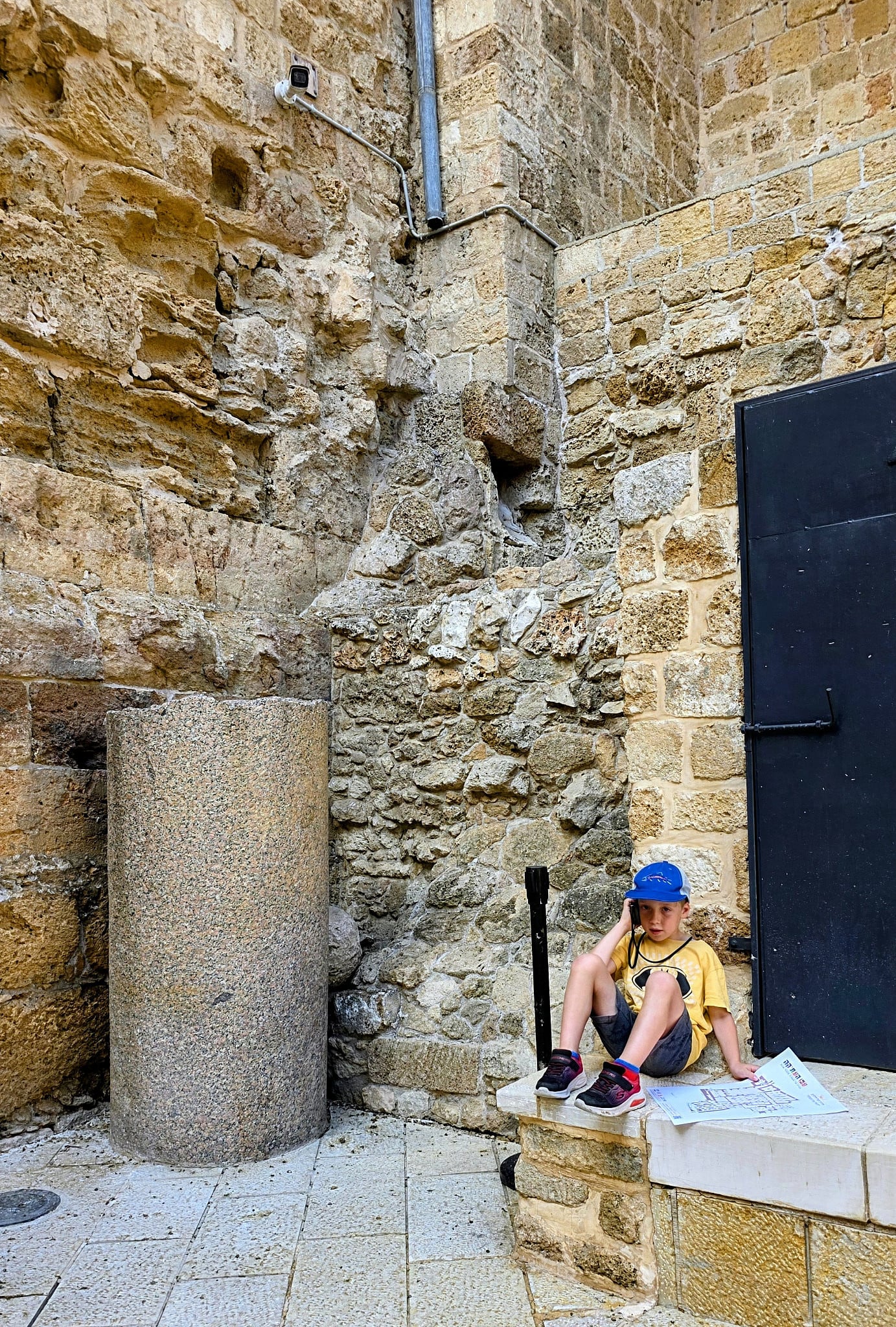
By day, the halls became a treasure hunt for us. The interactive audio guide Saving Havatzelet was created by Yuval Malchi, producer of the History for Kids podcast, together with the development company. It sends players from station to station in the footsteps of the knights and monks who lived here about 800 years ago. We ran between columns and vaulted ceilings, stopped to solve riddles, listened to the voice in our headphones, then set off again. The cool stone, the echo in the halls and the sudden realization of where you are standing make it a lesson you absorb through your body. A medieval photo booth waits at the end, and the game is included in the site entrance fee.
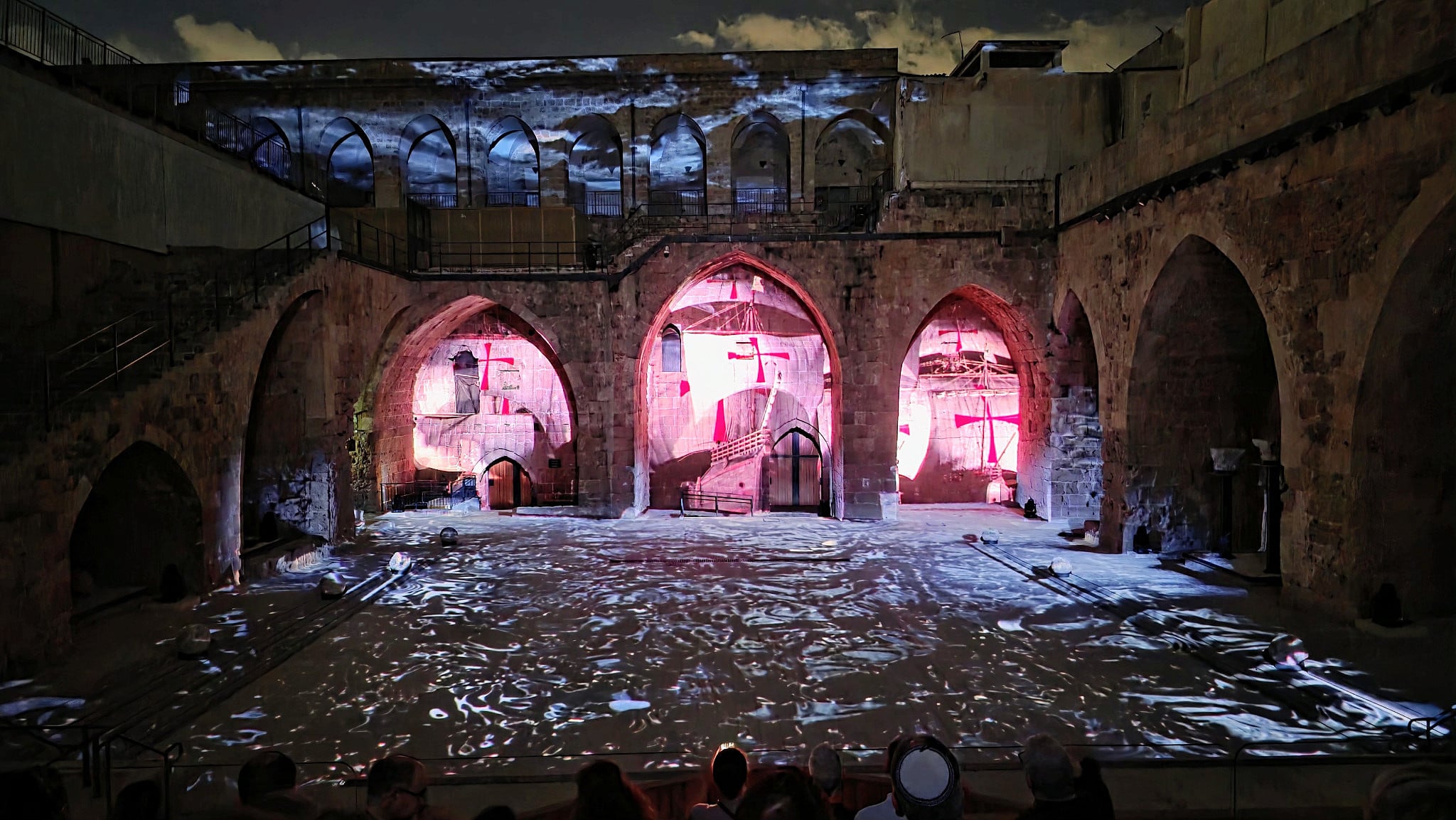
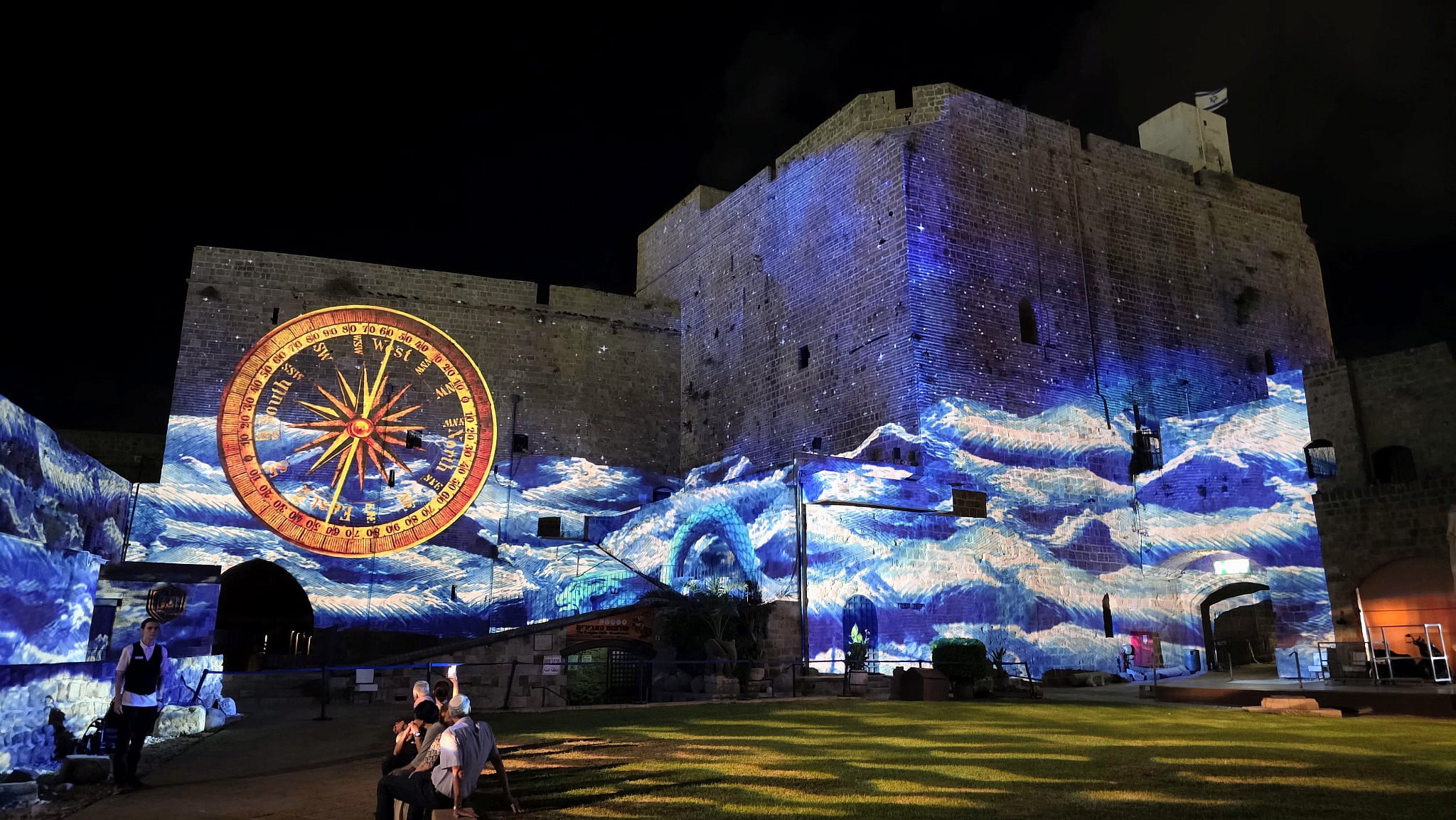
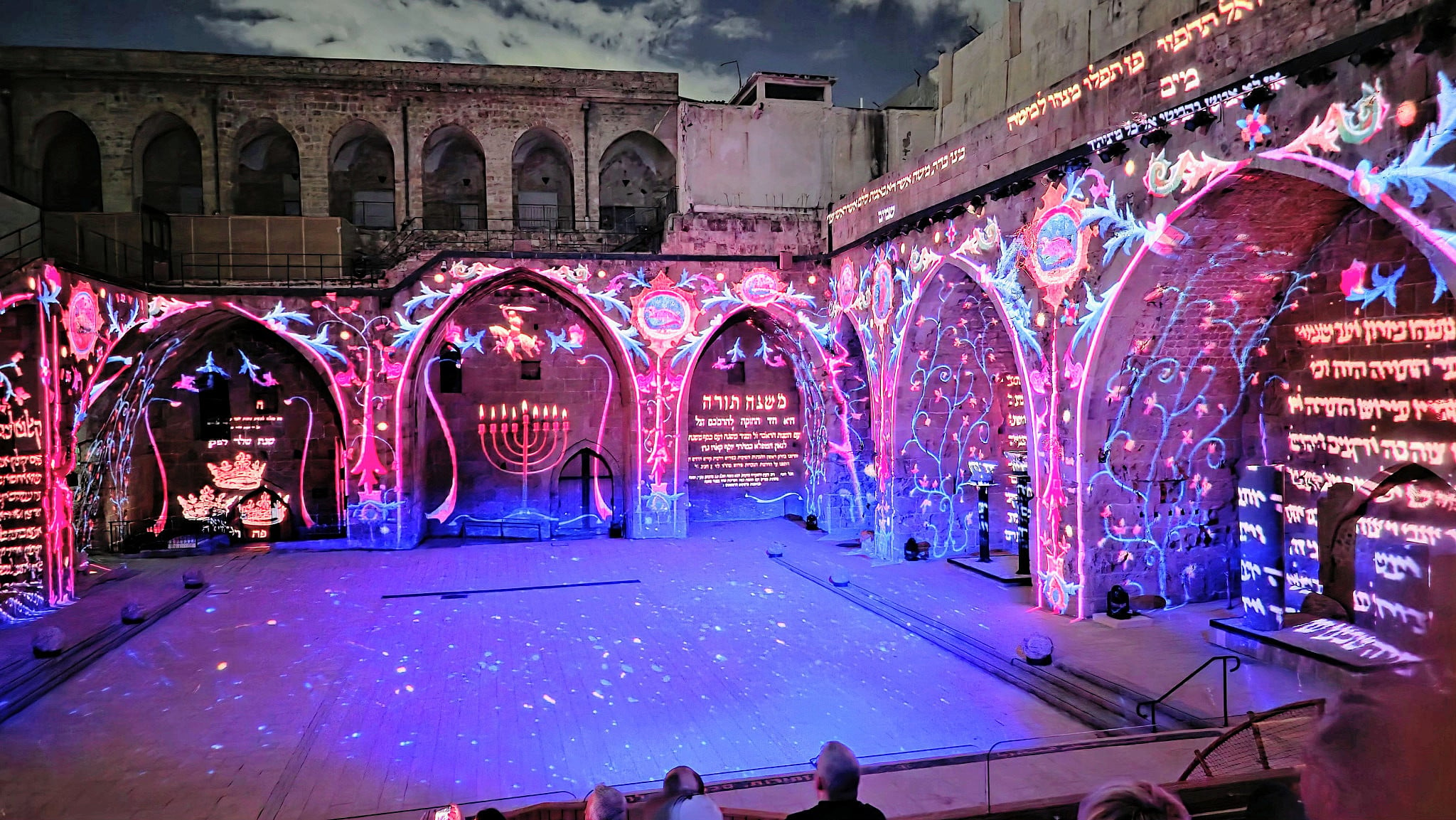
At night, the same place looks completely different. The Crusader walls become a living screen for a video-mapping show of about 35 minutes that moves from the ancient world to the present day. The content was curated by Eilat Lieber of the Tower of David Museum in Jerusalem. According to Porat, the show was produced by the French company Cosmo AV, which was chosen to produce the opening show for the restoration of Notre-Dame Cathedral in Paris. The projectors came from Digital Projection. Twenty-two projectors and more than ten kilometers of fiber-optic cable run through the citadel.
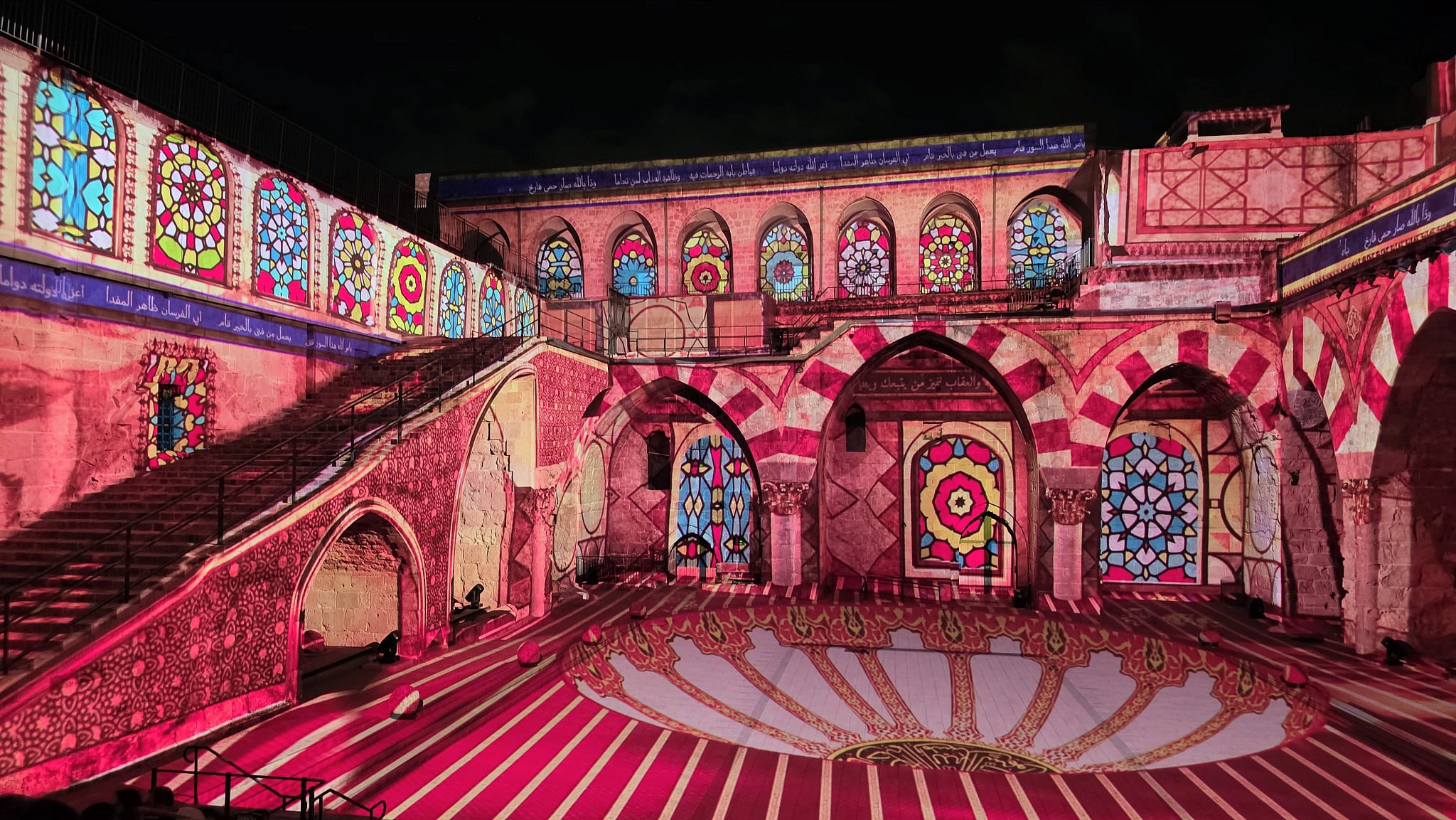
The show has no narration and no words. It relies on image, light and original music, so it speaks with the same force to every age and language. “The show seeks more experience and less didactics and history,” Porat explained. “People today want something that moves them.” We sat in the grandstand and felt the stone breathe. Afterward, the audience is guided out through the market and alleys, a deliberate choice meant to revive the city’s nightlife and support local merchants. For me, this is sustainable tourism at its best: an experience that keeps both the money and the life inside the city. The show runs year-round.
Plan Your Visit
Festival: Sukkot, September 28-30, 2026. Outdoor performances run 18:00-23:00 and are free.
Night sound-and-light show: Two performances nightly at 20:00 and 21:00. Tickets cost NIS 59 per person, and children up to age 5 enter free. Arrive 20-30 minutes early for the pre-show.
Combined sites ticket (NIS 55): Includes the Knights’ Halls, the Turkish bath, the Templars’ Tunnel, the Okashi Art Museum, the Treasures in the Walls Museum and the Ramhal Synagogue.
Parking: The HaHafir lot is free. The Eucalyptus lot is paid through the Pango app. The Knights’ lot is paid at the booth.
Info and booking: www.akko.org.il | 04-9956706/7