Light up these Dark Days – Hanukkah 5786
It was late in Kislev of 1196, in the Rhineland city of Worms, today in Germany.
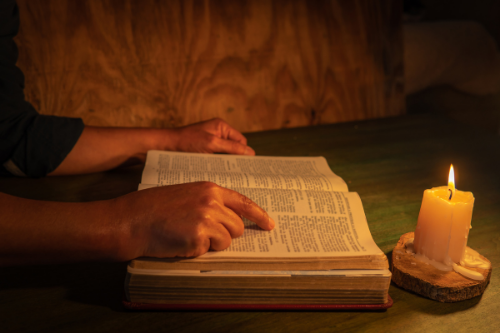
Rabbi Eleazar ben Judah — known as the Rokeah — was at his desk, learning quietly by lamplight.
From his diary, we know exactly where he was in the Torah: Parashat Va-yeishev, last week’s reading — studying the line that says, “Jacob settled,” a line about calm and security.
But outside his window, Europe was shaking with crusading zeal and the vitriol of hate being poured on the Jews.
Inside his home, he was doing what Jews have always done in uncertain times: studying, teaching, holding the thread of tradition, thinking about how to spread eternal ideas and values into the world.
Then his world broke.
His family was attacked.
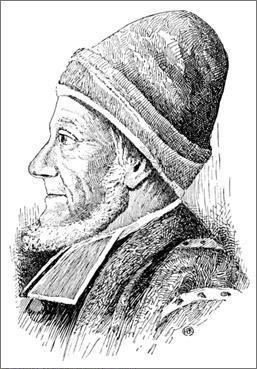
Two Christian crusaders attacked his home, murdering his wife, Dulcea, and their two daughters.
His world was shattered.
The Rokeah wrote a beautiful poetic eulogy for Dulcea — not only mourning her, but naming her kindness, her leadership, her devotion. He remembered the way she helped others, the way she held a household together so Torah could be learned.
Through his loss, through his tears, he lit the Hanukkah lights.
*****
And now, nearly a millennium later, we gather this morning during another difficult Hanukkah week.
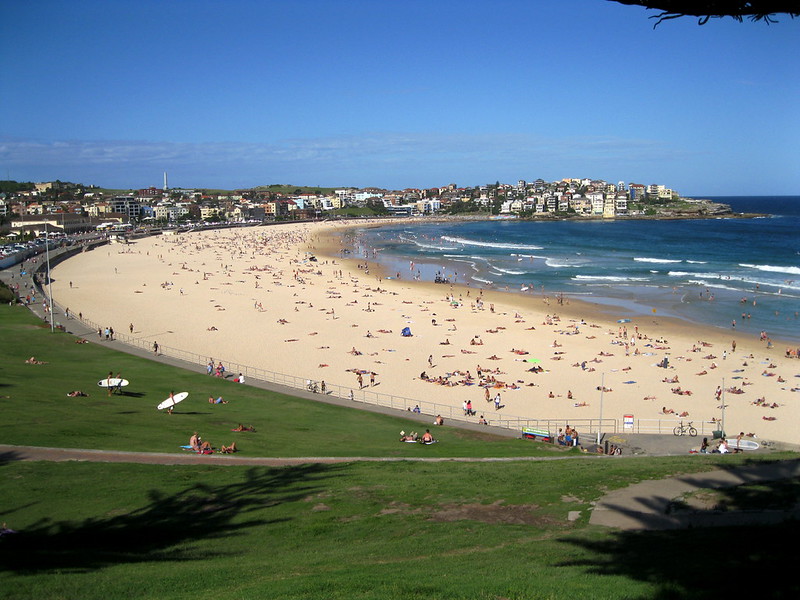
Bondi Beach now means not only a beautiful stretch of sand, but the site of a horrific modern antisemitic pogrom.
And closer to home — different in nature, but still terrible — the attack at Brown University, another hard way to enter Hanukkah.
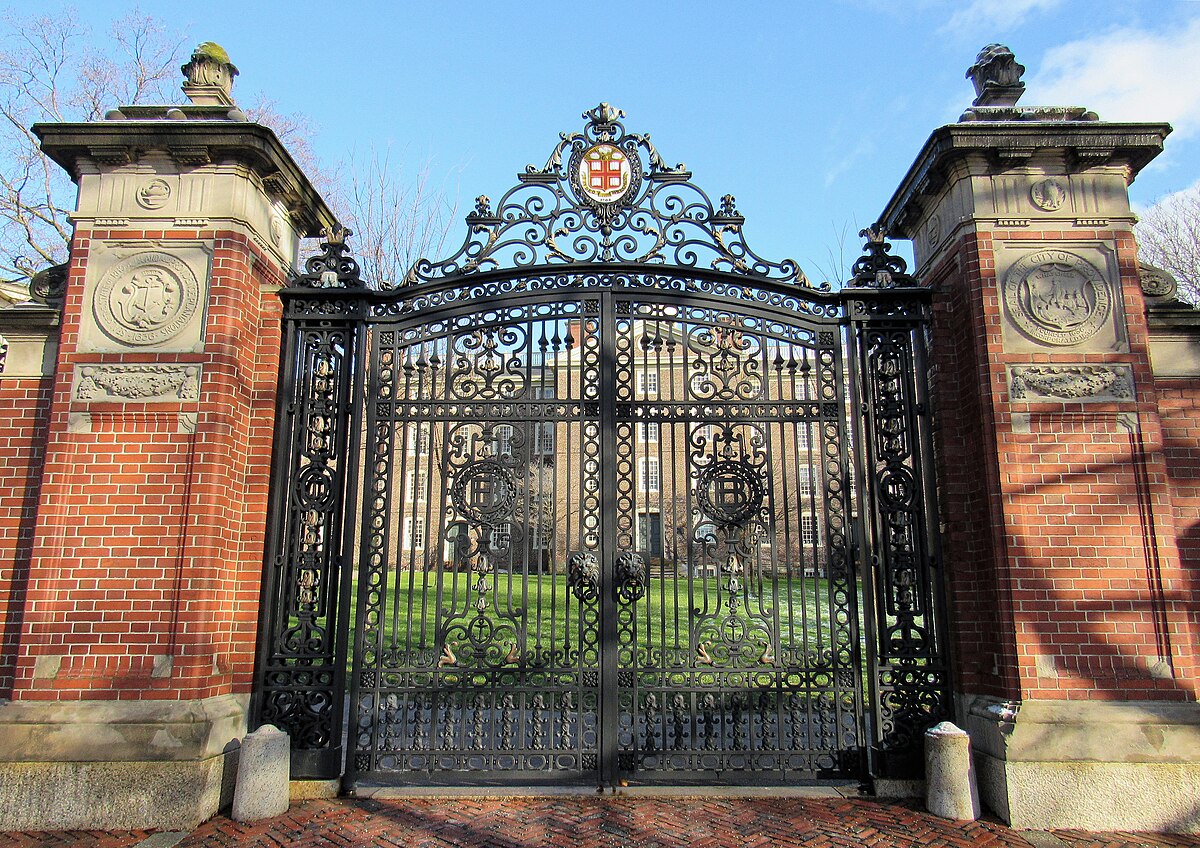
Thank God, our Emunah family members who study there are safe.
We send consolation to all those who lost loved ones and strength and healing to the wounded, including those who are still carrying fear in its aftermath.
*****
I want to lift up Ahmed al-Ahmed — Syrian-born, Muslim, a father, a shopkeeper — who decided: I will not be a bystander.
In the attack on Bondi Beach, he ran forward, wrestled a gun away, and saved lives.
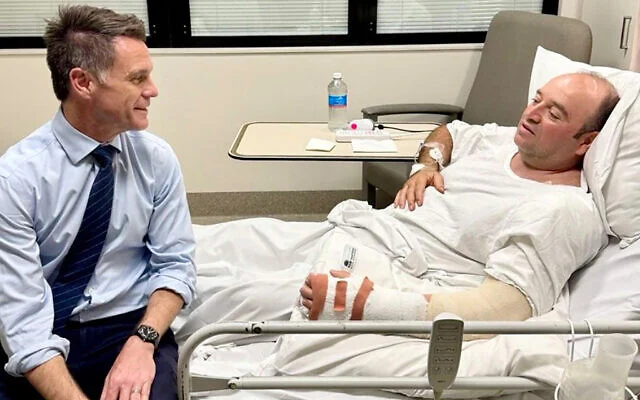
Courage.
Risking his own life.
An upstander.
In a week of fear, he became a living Hanukkah candle — one person, one act, shining some light in a horrible moment.
Here, in the Brown and Brookline cases, the “upstander” did something quieter: they noticed. Someone recognized a key detail and chose to speak up — helping to solve the case.
*****
Today we find ourselves in the midst of a holiday that has only one simple mitzvah: to light the Hanukkah candles.
Everything else — from latkes, to sufganiyot – donuts, to presents — is all fun, but not the essence.
We are taught to “pirsumei nisa” — to publicize the miracle: spread the light, the courage, the hope, the upstanding — and to do it publicly.
The rabbis ask what we should say before lighting the candles.
We are given not one, but two blessings.
Blessing #1: “…v’tzivanu l’hadlik ner shel Hanukkah – Who has sanctified us with mitzvot and commanded us to light.”
Blessing #2: “…she’asah nisim la’avoteinu ba’yamim hahem ba’zman hazeh – Who performed miracles for our ancestors in ancient days at this time of year.”
The first one simply states that the mitzvah is lighting the candles.
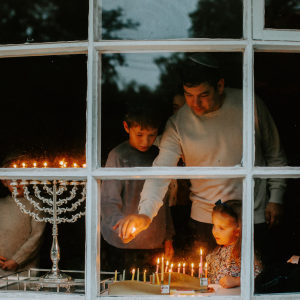
The second blessing reminds us that this lighting is not like that of other holidays, which begin a day off from work; after all, Hanukkah is a minor holiday, and you can work on every day of Hanukkah — except on Shabbat.
But the second blessing reminds us that this lighting doesn’t initiate a sacred moment; it looks back in time to recall a great moment in Jewish history.
*****
But there is another version of that blessing — which I love.
While it’s not the one used in most of the Jewish world, and you might not have learned it, we do use it here at Emunah, and we find it in our siddur.
This version adds one letter — a vav, meaning: “and.”
Instead of being grateful for a miracle that occurred “in those ancient days at this time of year,” it reads that there were miracles then — and there are miracles now.
They are all around us.
They’re in every moment.
In every person.
In every soul.
In every connection.
In nature.
Close your eyes, and you might feel them.
Stop long enough and become aware of the magic, the mystery, and the miraculousness of our world, of our bodies, and of community.
It might not be an oil miracle or a military victory, but there are great miracles all around…
So the addition of the vav says: the world did not only have great moments in the past, but that they exist today.
I love and always use that version.
But who wrote that version?
Was it a modern rabbi?
It first appears in our movement’s prayer book in 1985, but it is originally found in early sources and later becomes characteristic of the Ashkenazi world, including in a famous early prayer book called: Mahzor Vitry, a thousand years ago.
This was a very challenging period.
It was the time I described with the opening story of Rabbi Eleazar ben Judah — the Rokeah — who lost his family.
Can you imagine that?
Things were not so miraculous or great for those Jews.
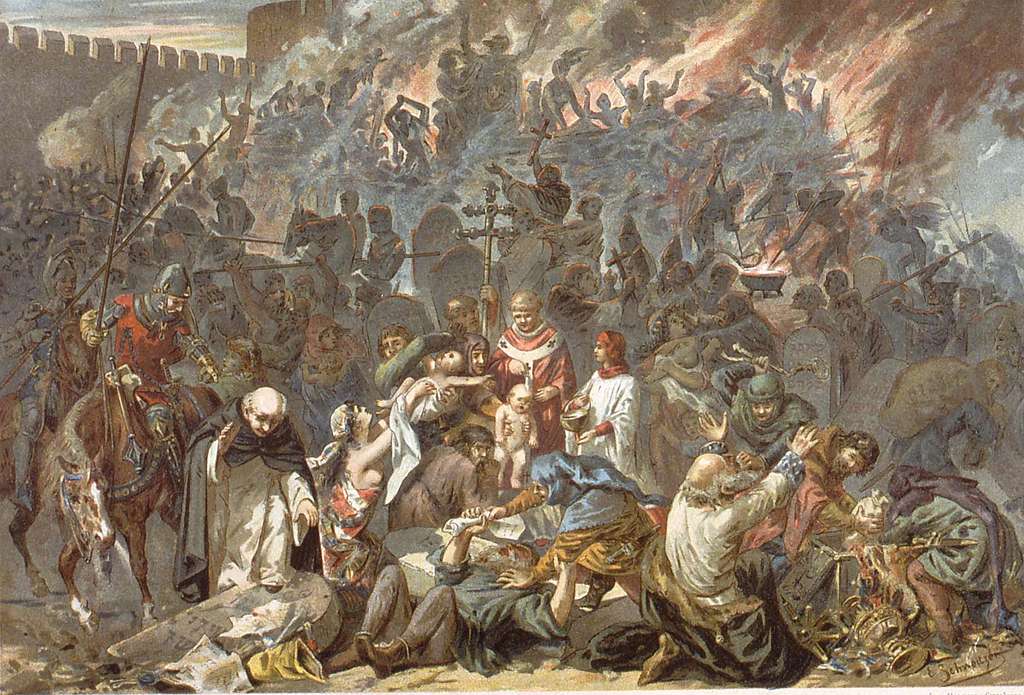
The Rokeah and many Rhineland communities were attacked in 1096, and pogroms continued for generations, with a catastrophe in York in 1190, the pogrom in Fulda in 1235, the expulsion from England in 1290, and on and on.
And THEY, THOSE RABBIS, THOSE GENERATIONS OF JEWS, were the ones who added the vav into the Hanukkah blessing.
They weren’t denying darkness; they were refusing to let darkness have the last word.
They were reminding us to say: “Yes, there were miracles then — and there can be miracles now.”
*****
The mystical tradition picks up on this. In the 18th century, Rabbi Levi Yitzḥak of Berditchev taught that mitzvot, the commandments, aren’t only symbols — they are spiritual catalysts.
On Hanukkah, he imagines a moment when the “inner” service of the Temple is blocked, we keep lighting “outer” lights — the Shabbat candles, the synagogue lamps — the ner tamid and Hanukkah lights.
And he writes: “בִּגְלַל כֵּן נִכְמְרוּ רַחֲמִים לְמַעְלָה עַל זֹאת הָעֲבוֹדָה שֶׁל הַנֵּרוֹת” — “Therefore, compassion was stirred Above because of this service of the lights.”
That’s the heart of what I want to say this Shabbat: in dark times, we are not asked to fix everything.
We are asked to do one small act of light — and to trust it is real. That will make a difference in our world and in Realms beyond.
It can awaken rahamim again — tenderness, responsibility, human decency — in the world and in us.
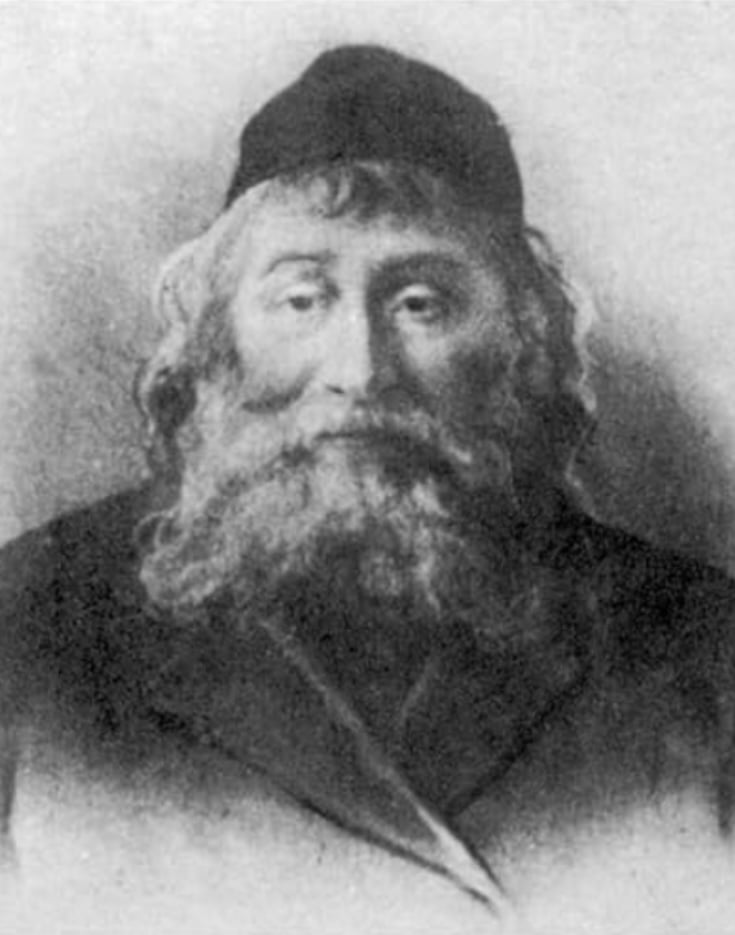
And the Sefat Emet, my favorite teacher from the late 19th Century, gives Hanukkah its closing cadence: the point isn’t one dramatic blaze, but a light that grows.
“וּבֵית הִלֵּל סָבִירָא לֵיהּ הָעִיקָּר לִהְיוֹת מוֹסִיף וְהוֹלֵךְ” — “Beit Hillel teaches: the essential thing is to keep increasing.”
Let the light grow.
This week, more than 250 of us gathered at our Emunah Hanukkah party. I spoke with a parent who named the heaviness of the world — who reminded me that one small action can change everything.
So tonight, we will light the seventh candle.
We will add.
We will honor the upstanders.
*****
May we continue to light in the face of darkness and loss, as we have done for thousands of years, even in our most challenging times.
May we be people of U-vazman hazeh — the people who see and make miracles happen, even (or especially) in these times.