


Lihi Lapid and the Day After Happily Ever After
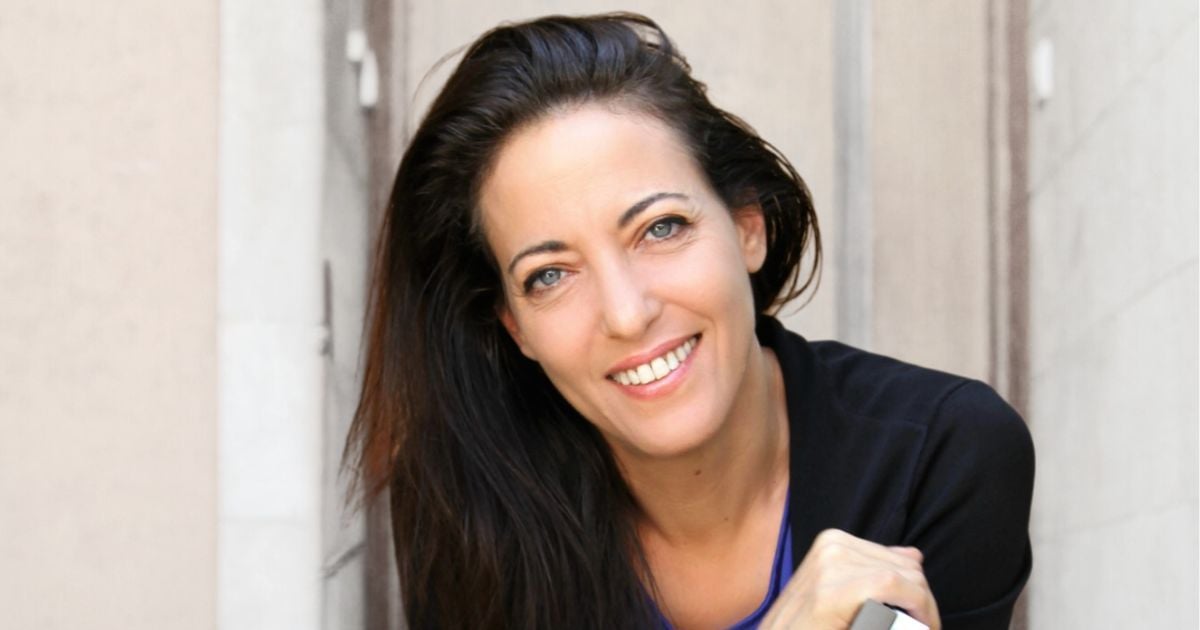
This conversation was meant to be a podcast interview.
It was scheduled weeks in advance, planned as a recorded interview about marriage, motherhood, and the recent US release of her book, I Wanted to Be Wonderful. But when Lihi Lapid joined the call, she wasn’t sitting in a quiet room with a computer. She was in a hospital.
Her mother had broken her hip and required surgery. Lapid was splitting time between bedside vigils, phone calls, and family logistics, trying to hold everything together while insisting — almost apologetically — that we continue.
The recording glitched. The connection dropped. Parts of the video were lost altogether. Eventually, the podcast became impossible to salvage. But the conversation didn’t disappear. It transformed.
What follows is not a transcript or a traditional interview. It’s the story that emerged from a fractured recording. At one point, I apologized — again — for doing this at all. For talking about books and ideas while she sat in a hospital room.
Lapid waved it off.
“This is life,” she said. “We’re all doing everything.”
It became the core of the conversation — and, ultimately, of this piece.
What We Owe Our Parents
We talk endlessly about what parents owe their children. Love. Stability. Presence. Therapy money. But we speak far less about the reverse — what, if anything, adult children owe their parents when roles inevitably reverse.
Lapid has written about this before, but here, in real time, it was no longer theoretical. Two daughters caring for a mother who wanted no one else near her.
Her husband, she told me, had said something striking: that watching her care for her mother was the greatest lesson their children could receive. Not a lecture. Not values explained at the dinner table. Just example.
“When your kids see you taking care of your parents,” she said, “they understand what’s right.”
It landed hard.
I’m not married. I don’t have children. But my parents are aging, and every morning I wake up with a quiet inventory of fears: Is everyone okay? What’s coming next? The truth is, you don’t need children to understand responsibility. You just need time.
Did She Want This Life — Or Was It Assigned?
Lapid’s book is unsparing in its honesty about marriage and motherhood. It strips away the fantasy entirely. It’s billions of women’s stories—almost too relatable. And yet, what struck me most while listening to the audiobook — four hours straight, in one sitting — was how deeply it affected me despite the fact that I chose a different path.
Her sadness felt visceral. Familiar. It shook me.
So I asked the question carefully, because it’s one many women think but rarely say out loud: When she looks back, does she believe motherhood was something she truly wanted — or something she was guided toward by expectation?
She paused.
“I think getting married and having kids is not really seen as a decision,” she said. “It’s what you do. Not doing it is the decision.”
Divorce is a decision. Not having children is a decision. But marriage? Motherhood? Those are often treated as defaults.
And yet — here was the contradiction — she admitted that what shocked her most was how much she did want it. How deeply she loved being a mother, even when it broke her open.
She told me about a moment she describes in the book, crying to her father, asking why this life had happened to her. And how he answered with a question instead.
“Do you think she could have a better mother than you?”
“No,” Lapid said she answered.
“Then this is the journey of your life.”
When the Story Changes
Lapid became a mother young. She was 22 when she met her husband. She proposed to him. She became a stepmother young and had to figure out a role no one really prepares you for. She was careful not to overstep. Then came her daughter.
And with her, a diagnosis that changed everything: autism. Nonverbal.
It is not something you “get over,” Lapid told me. It’s something you live alongside. A grief that doesn’t end, but evolves.
And she kept writing through all of it.
She had to.
The Day After Happily Ever After
One of the most devastating ideas in Lapid’s book is what she calls “the day after happily ever after.”
The wedding happens. The baby arrives. The book gets published. And then you wake up the next morning and… nothing has magically changed. You still have to do life.
Lapid describes finally achieving her dream of publication — only to realize the elation evaporates quickly. There is always another book to write. Another achievement to chase. Another version of “better” waiting just beyond reach.
“After every pair of boots you buy,” she writes, “there’s another shirt you want.”
As a recovering alcoholic, that line resonated with me, as it continues to do daily. Because addiction isn’t just about substances — it’s about the belief that the next thing will finally be enough. It never is.
The Pressure to Be Everything
Lapid is brutally honest about the pressure women carry — the fear of scarring children forever by being late to pickup, saying the wrong thing, missing a moment. The belief that perfection is both required and possible.
I asked her whether that pressure is getting better or worse.
“Shape-shifting,” she said.
Different expectations. Same weight.
We are kinder to ourselves in theory. Harsher in practice.
Marriage, Demystified
If there is one myth Lapid wants people to abandon, it’s the idea that marriage is meant to fulfill you completely.
Marriage, she says, is not a fairy tale. It is two people walking side by side, sometimes closer, sometimes farther apart — and choosing, again and again, to stay in the same direction.
She spoke about moments of honesty with her husband that many couples avoid — listening without defensiveness, and saying the harder things out loud.
What Being “Wonderful” Means Now
By the end of the conversation, glitches and all, I asked her the final question — what does being “wonderful” mean now?
Her answer was simple.
Being present. Being honest. Letting go of perfection. Accepting the life you have, not the one you imagined you were supposed to want.
And sitting in a hospital room, doing it all at once.