Loud for Gaza, Silent on Tehran
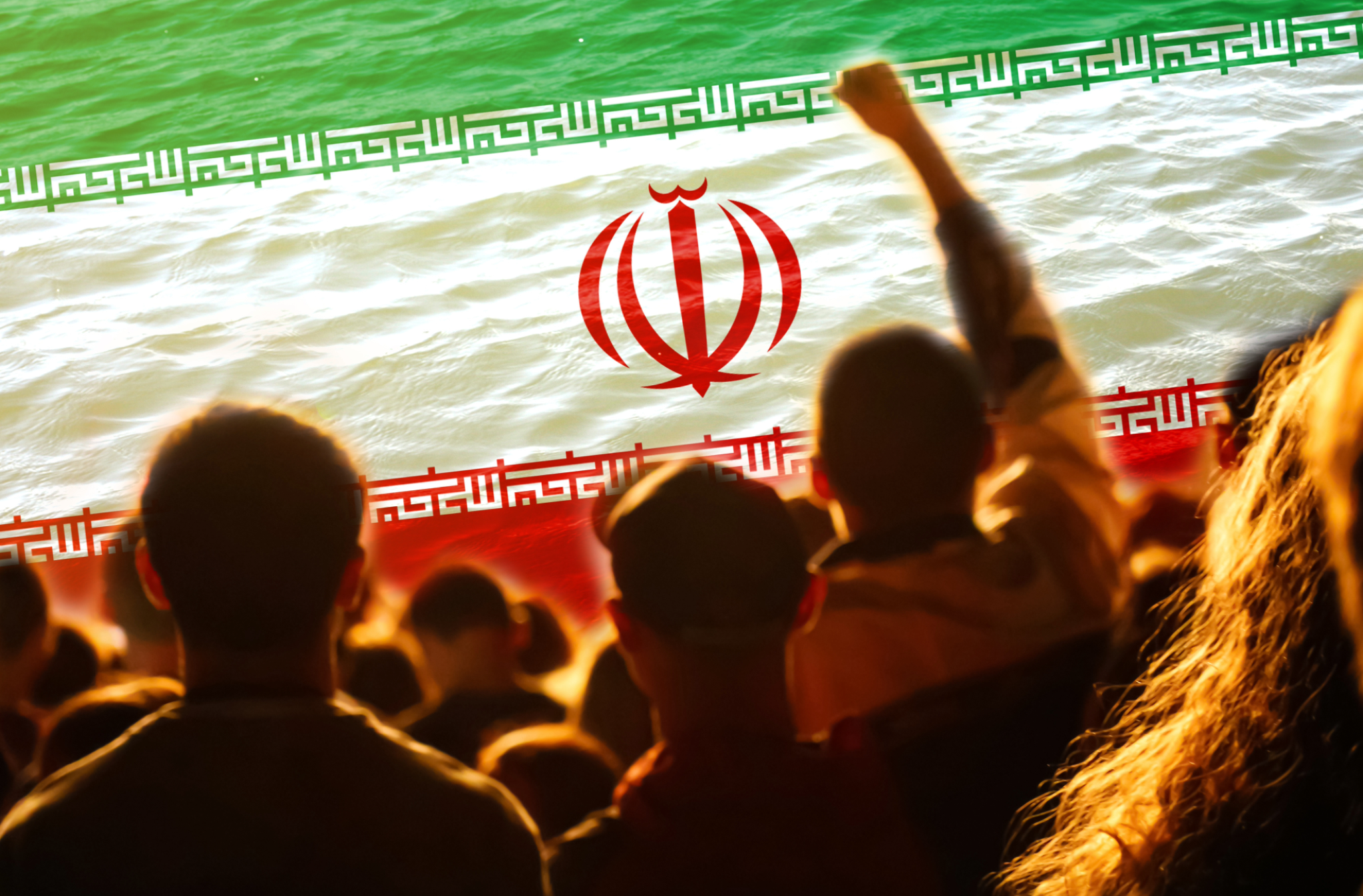
Beginning in 2023, protesters across the United States, notably on college campuses, mobilized in large numbers demanding “justice” for Palestinians and an end to the war in Gaza. “In our thousands, in our millions, we are all Palestinians,” they shouted from rallies and encampments. But as Iran descends into one of the bloodiest state-sponsored crackdowns in decades, those same voices have been conspicuously quiet.
Countless Iranians — some estimates place the number as high as 20,000 — have been brutally killed by Iranian security forces in recent weeks as nationwide protests erupted over economic desperation and state repression. Many more have been injured, and thousands have been arrested. The regime has executed protesters en masse, shut down the internet, and deployed rape and torture in detention centers. Amnesty International has described the acts as “crimes under international law.”
And yet, the international outrage machine, so fast to mobilize for Gaza, has largely looked away.
Iran’s Brutality Is Not a Secret
The Iranian government’s violent suppression of dissent is well documented. Following the death of Mahsa Amini in 2022, Iran saw mass demonstrations led by women demanding basic freedoms. The regime responded with mass arrests, public executions, and lethal force. This year, those tactics have intensified.
According to UN reports, the Iranian regime has used rape, electric shocks, and forced confessions to terrorize detainees. Iranian authorities have also systematically blacked out the internet, preventing the world from seeing what’s happening in real time. Amnesty has called it “a deliberate strategy to hide crimes and perpetuate impunity.”
Iranian dissidents have begged for attention. Last week, Masih Alinejad, a journalist and political dissident, told the UN: “I’m here in front of you. You tried to kill me, but you couldn’t. You cannot kill all the people.”
Meanwhile, the Streets Are Quiet
The contrast is striking. After the war in Gaza began, cities across the West saw massive protests, some drawing crowds in the hundreds of thousands, as demonstrators lined up to condemn Israel’s military actions. Celebrities, campus groups, and activist organizations called for ceasefires, sanctions, and justice.
But when Iran’s rulers began murdering protesters and hanging young women, the same groups were silent.
As U.S. Senator Tom Cotton observed: “Nobody has seized campus buildings. It makes you think they weren’t focused on innocent lives; they were focused on attacking Israel.”
A recent analysis of over 180,000 social media posts found the same pattern: Israel was mentioned thousands of times, often in highly charged language. Iran, even at the height of its crackdown, was barely mentioned at all. In some cases, not once.
Why the Silence?
This isn’t an issue of capacity. The information is available. Iranian activists, journalists, and NGOs are doing everything they can to alert the world, whenever brief windows of internet access allow it.
But many Western activists seem unwilling to confront regimes that don’t fit the narrative. Iran positions itself as anti-imperialist and anti-Zionist, and for some, that seems to shield it from scrutiny. Others appear to fear being seen as feeding into Islamophobic or neoconservative agendas. It would appear, in some spaces, that opposing Western power has become more important than defending human rights.
The result is a dangerous double standard: outrage when Israel acts, silence when Iran slaughters. It’s a form of selective empathy that many are noticing.
When Advocacy Becomes Ideology
Human rights are supposed to be universal. But when outrage is reserved only for certain victims, or only when the perpetrators are politically convenient targets, the moral foundation begins to crack.
The Iranian regime knows this. They count on global apathy to survive. As the Jerusalem Post’s Zvika Klein recently wrote, “The world knows. The world looks elsewhere.”
That silence has consequences. It emboldens dictators. It isolates dissidents. And it betrays the very people who risk everything, including their lives, to demand freedom.
A Moment for Moral Clarity
You can support Palestinians and still speak out for Iranians. You can oppose Israeli policies and still condemn Iranian repression. These are not contradictory positions. They are the baseline of principled, consistent advocacy.
Iran’s protesters continue to fight. And they have asked the world not to forget them. Not to ignore them. Not to apply a different moral standard just because their oppressors wear clerical robes instead of military uniforms.
If people claim to care about justice, they have to prove it when it’s inconvenient, not just when it’s fashionable or aimed at Israel.
History will judge the regimes who brutalize their own people. But it will also judge those who chose to remain silent.