
Jewish historian
Featured Post
Loving a mentally ill parent
It wasn't his fault he left us destitute, but what about the rabbis who refused to release my mother from the marriage?
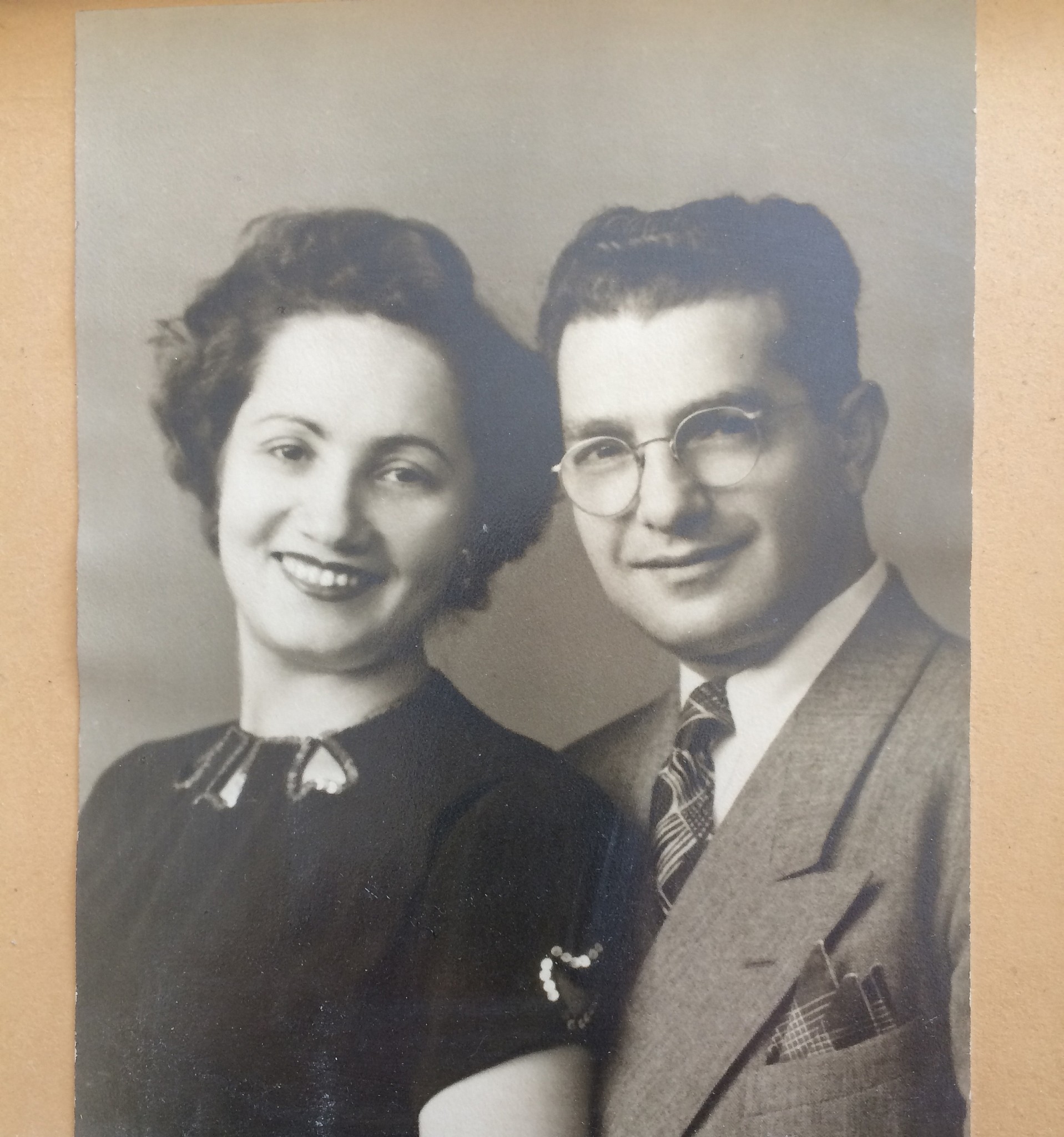
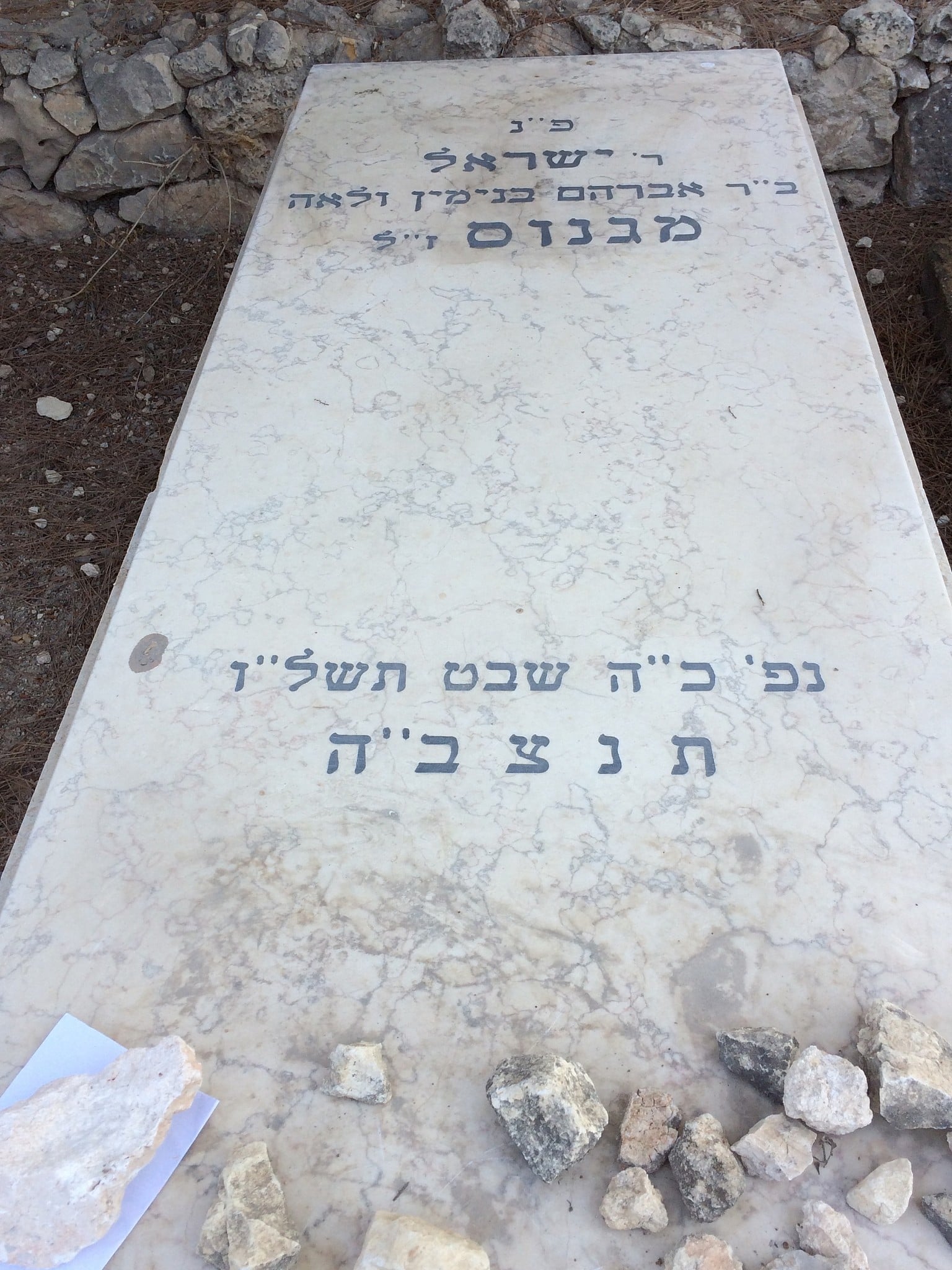
It is my father’s z”l, yorzeit.
My father, Yisrael (Irving) Magnus (ne Magnuszewski/ Magnushevski), fled Poland for the US as a boy of bar mitzvah age, after antisemitic hooligans threatened to kill him after he tore off placards they had put on his parents’ store in Mlawa, Poland. This was sometime in the 30s, I believe.
I know this from my father’s brother, Mordechai, who wrote me this after my father’s death.
I did not hear my father’s stories from him because he became mentally ill and was hospitalized when I was four. We were told the diagnosis was paranoid schizophrenia. Experts have told me more recently it was likely severe PTSD, a diagnosis unheard of at that time. He became fearful, suspicious; irrationally, at neighbors, co-workers. When did he become ill, I would ask my mother, much later, as I was trying to make sense of things. McCarthy hearings, she said. He listened to the radio obsessively, that is when he broke. His parents were religious Jews, ardent Zionists, but the children were all socialists or communists; the only party, Mordechai told me, that was not Jew-hating. And now they were hunting communists. In the US.
Effectively, I lost my father then. Though of course, he was alive. But not the same father I had known as a very young child, and whom I adored. And, putting it very mildly, helping people cope with mental illness in the family– supporting family members, certainly, children; helping them make sense, navigate healthy ties, and boundaries, and, heavens, grief — was not developed when I was a child. Did not exist. I sure hope it’s better now though I know this continues a terrible problem.
Loving a mentally ill parent is a very, very complicated thing.
It was more complicated because, eight years after my father was hospitalized, my mother, z”l, sole survivor of her family and quite Orthodox, sought a gett, a divorce in rabbinic law, the only kind she would recognize as ending her marriage.
She never got one.
The same cousins who took my father in and saved his life told him to refuse her (why should he facilitate her desire for “boyfriends” when she should take him home?). They also told him to cut off his veteran’s disability checks (he had served in the US army during World War II and been injured; and liberated camps); and his social security payments as a disabled parent of minor children, which is what we lived on. Which he did. Which put us under the poverty line, eligible for welfare. Which my mother refused to take.
My father should not have done this. On the other hand, as I have taken many times to saying, he was mentally ill. The rabbis, on the other hand, presumably were/ are not. And they were the ones, they and their system, and their pathetic abdication of responsibility or decency, that made her an aguna. He was mentally ill. What was/ is their excuse?
So, it is very complicated.
I remember a brilliantly alive, creative father, an incredible artist. Such beautiful drawings he did for us children, sensuous flowers that were real, on paper! and horses, too, with sinews and muscles! And oh! the Flexible Flyer sled with which he surprised us one wintry day, outside our door. The sight of him, running down the block behind my older sister on her two-wheeler, as he taught her to ride the bike. Drawing something for me because I had none of his talent, or my sister’s, but wished I did; whispering that I could pass it off as my own (she didn’t buy that for a second). So many other young-child memories, frozen in unacknowledged mourning, the only way to hold on to the father that was. An involved and loving father, impossibly handsome, who was ambidextrous, more magic from him; who knew so many languages and loved books and ideas and delighted in me. He bent down low and taught me to sing, la la la, see? like this, tongue at the roof of the mouth.
I wish with all my heart he’d had an easier life.
He deserves a zekher.
Related Topics
Related Posts