


Mahsa and Shirel share a wall in Jerusalem
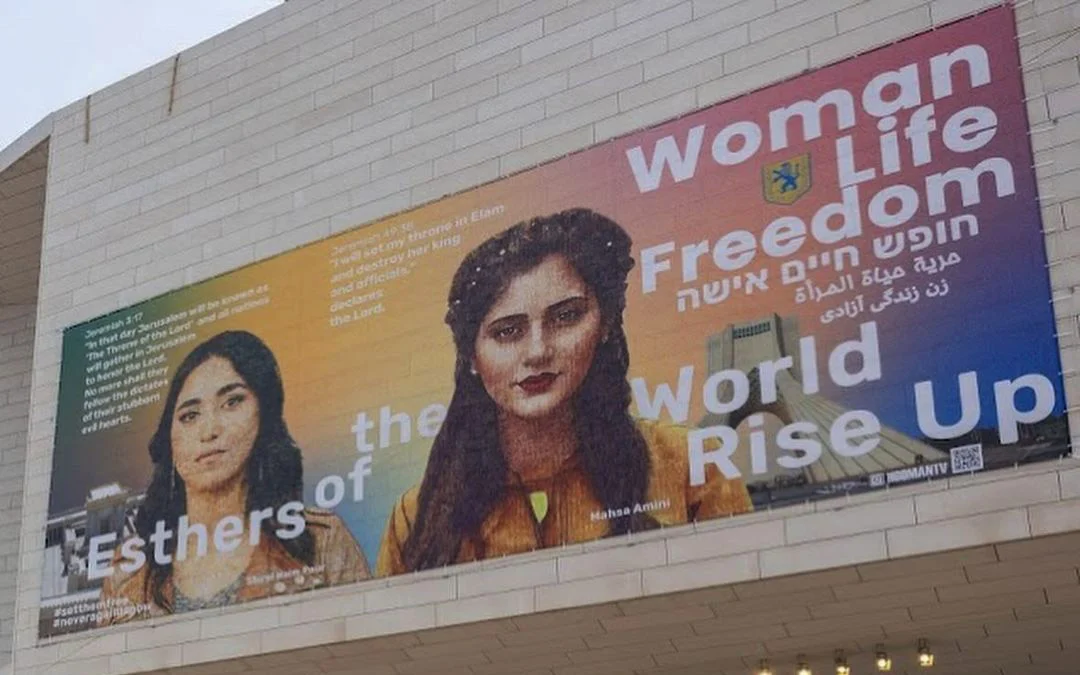
On a wall outside Jerusalem’s Museum of Tolerance, two young women look out at the street. One is Mahsa Amini. The other is Shirel Haim Pour, an Israeli soldier from an Iranian Jewish family, killed at Nahal Oz on October 7. Above them, the wall reads: “Esthers of the World, Rise Up.” Below, in English, Hebrew and Persian: “Woman, Life, Freedom.”
I want to explain to Israeli readers what that wall looks like from the Iranian side.
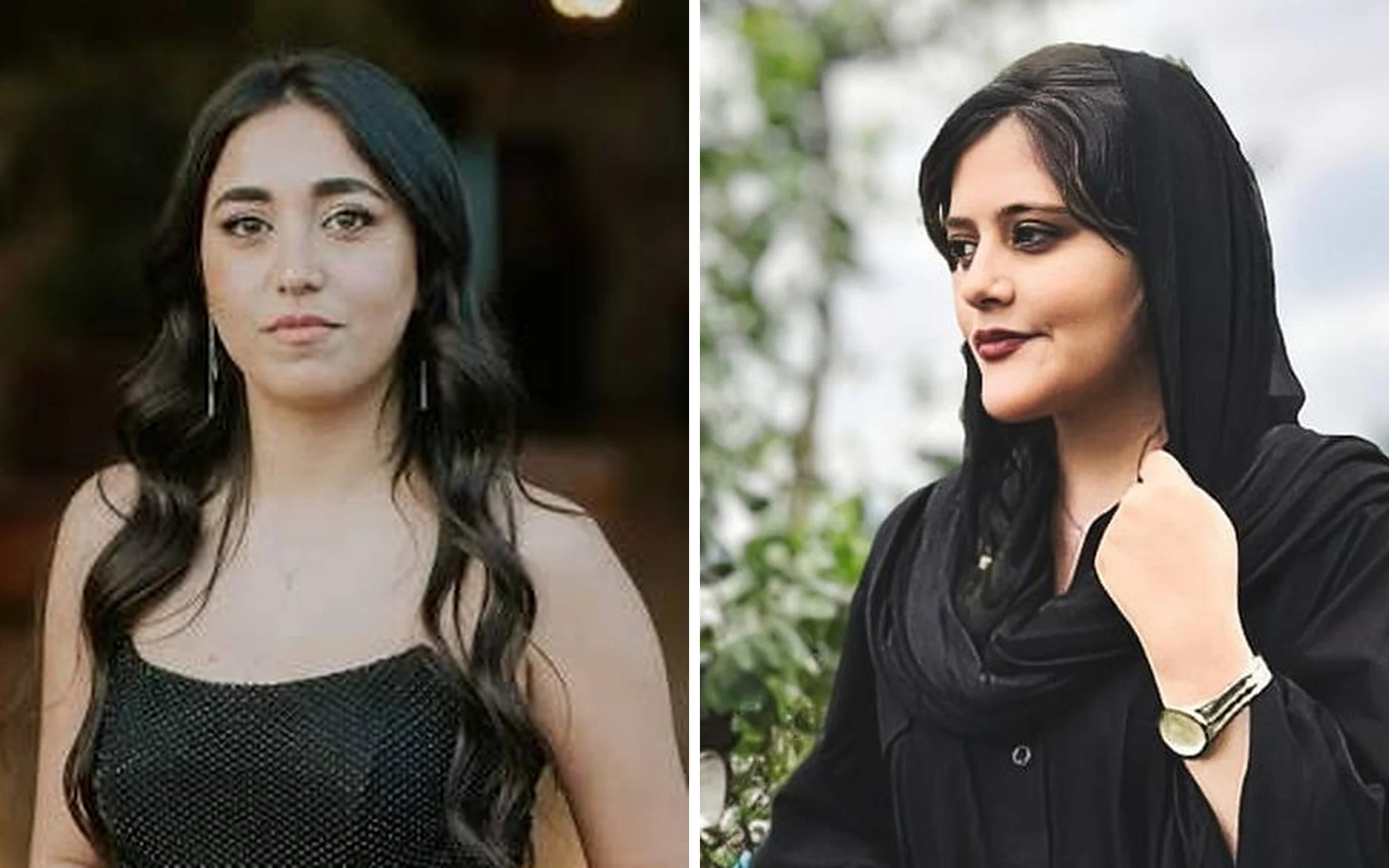
This week is the fourth anniversary of Mahsa’s death. She died in a Tehran hospital on 16 September 2022, three days after the morality police stopped her near a metro station over the way she wore her hijab. This year the anniversary falls between Rosh Hashanah and Yom Kippur, during the ten days you set aside for teshuva. The word is usually translated as repentance, but its root means return, and return is closer to what I want to describe.
I grew up hearing the name Israel next to the word enemy, the way a child grows up hearing that water is wet, as a fact about the world rather than a claim anyone had to defend. The Islamic Republic has spent nearly half a century reinforcing that reflex in school textbooks, in Friday sermons, in murals of its own, in forty-seven years of the same slogan. It has less to show for the investment than it expected, because what it set out to erase had been in place for twenty-five centuries.
Jewish communities had roots in the Iranian world before the Achaemenid Empire rose. When Cyrus took Babylon in 539 BCE and allowed the exiles to return and rebuild their Temple, his decree added a new chapter to a relationship that had begun long before. Isaiah calls him God’s anointed, the only foreign king in the Hebrew Bible given that title.
That relationship continued at street level for most of the next 2,500 years, in Susa and in Hamadan, where the tomb of Esther and Mordechai still stands, and in Isfahan, Shiraz and Tehran. Iranian Jews worked in medicine, trade and music, and Persian still carries their marks. Living that close for that long leaves residue, in family memory, in names, in food, in the sound of an old word, and forty-seven years is not enough time to clear it out.
The regime knew the residue was there, which is why the erasure was so physical. Weeks after the revolution, the Israeli embassy in Tehran was handed to Yasser Arafat, and the street it stood on was renamed Palestine. Renaming the street took an afternoon. Forty-seven years later, the government is still working on the rest.
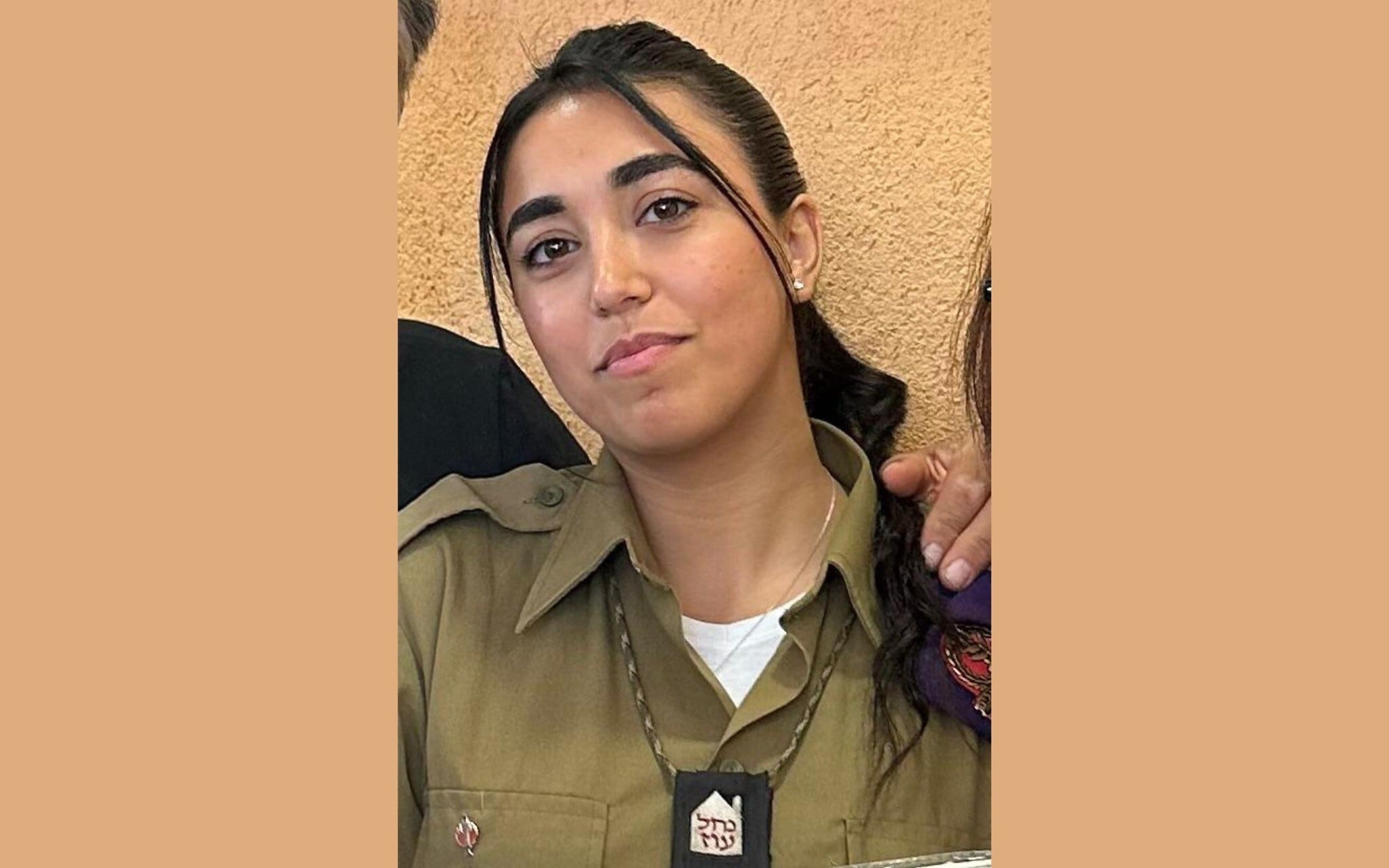
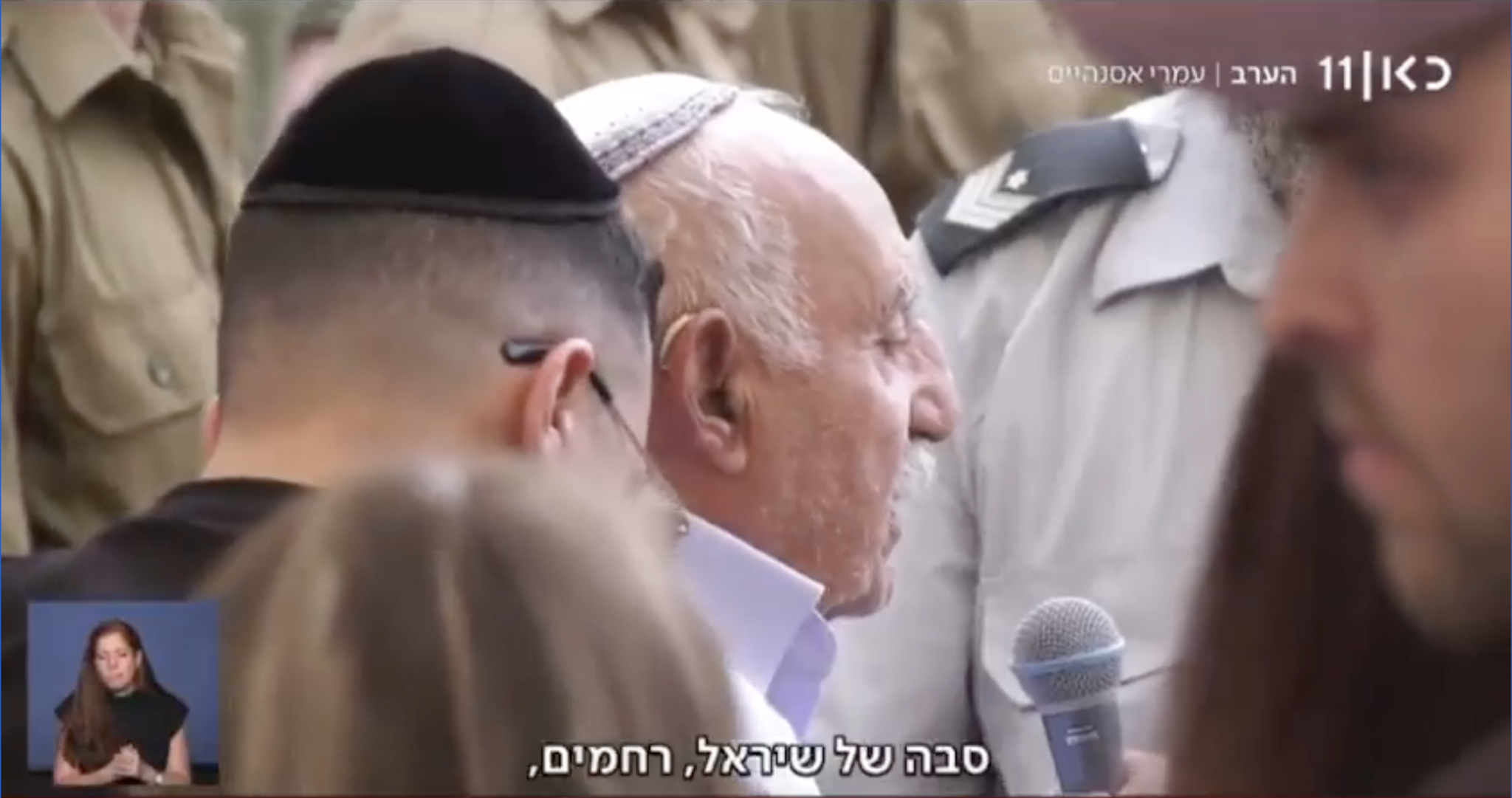
Shirel Haim Pour was twenty. That weekend was meant to be her last on the base before her discharge, and she was not on duty when Hamas attacked Nahal Oz. She went to the operations room anyway and stayed there, sending warnings until the room was set on fire. She was buried October 29, after her family had waited three weeks to learn what had happened to her. At the graveside, her grandfather Rahamim sang her a Persian wedding song in his Isfahani accent, for the wedding she would not have.
The recording travelled, and not only among Israelis. It moved through Iranian networks, and Iranians who had never met the family wrote to them. Many of them had been raised on the same sentence about Israel that I was.
That is what I would ask Israeli readers to hold onto, rather than the diplomacy, which does not exist. A grandfather sang in Persian over the grave of an Israeli soldier, and Iranians who had been taught to call her people the enemy knew the song and answered it.
The murals come from the same recognition. Hooman Khalili, an Iranian-American filmmaker, painted his first wall in San Francisco in November 2022 and has been putting them up across Israel since: Mahsa in Jerusalem; in Netanya, Niloofar Aghaei, a nurse who lost an eye during the protests; in Tel Aviv, Queen Esther standing beside the Iranian archer Kosar Khoshnoodi Kia and beside Shirel again. Khalili is not Jewish. Israelis gave him the walls.
Israelis have been doing a version of the same work in reverse. For decades they heard Iran through the Islamic Republic: missiles, the Revolutionary Guard, promises to destroy them. It would have been easy to let the regime’s face stand in for the country’s. More Israelis now make the distinction Iranians have been shouting for a generation: The hostility was a government’s project, built on top of the people who have to live under it.
None of this is on paper. There are no embassies, no flights, no diplomatic relations, and no reason to expect them soon. But if the day comes when Iranians and Israelis can visit each other’s countries without fear, the reopening will get the credit, but the work will have been done years earlier, in conversations nobody recorded and at a graveside in Rishon LeZion.
I know what the years in between cost. Generations of Iranians and Israelis who could have met at universities, through work, through travel, through marriage, met through propaganda instead. Those years are gone. But we should not let the people who took our yesterday write our tomorrow as well.
That is close to what I understand your ten days to be for. The shofar is a call to wake up and look again. This year it has something to say to Iranians too: we knew one another before we were told to be enemies, and it is not too late to know one another again.
Shana Tova U’Metuka.