Making A Teaching Touching
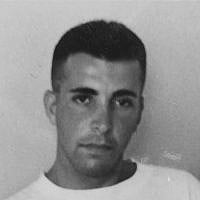
“I promise you I will come home.” These were the last words Rebecca heard her husband say. He’d been a producer of the Nova Festival, and had gone back a couple of times to help others get to safety. “Trust me, everything is okay,” Elkana had told Rebecca.
For 651 days, he’s been brutally held in airless dungeons, more than 30 meters underground. Elkana has asthma. He’s clinging to life. Rebecca knows this because he recently appeared in a fourth Hamas propaganda video. She’d been quiet for a long time. But now, since their 3-year-old son Reim finally turned 5, she’s become determined to speak out. I encourage you to listen.
There’s so much we can’t control. What can we do or say? We can control how we communicate. This week’s portion of Torah provides a telling illustration of what touching communication looks like.
“Our father died in the wilderness for his own sin” the daughters of a man who left no male heirs said as they stood before Moses. “Why should his name and legacy be erased? Please grant us the permission to inherit from his portion” (Num. 27:3-4). Moses brings the case directly to God, who responds very favorably. “These daughters have spoken justly. They shall indeed inherit their father’s portion.”
Their transparency, their sharing what’s in their hearts, enables them to be heard. A commentator adds, “Happy is the person whose heartfelt words are praised by God” (Rashi).
This is what moves me about how Rebecca has had to communicate with their young son Reim. At first, when they hoped the hostages would be brought back in days, she told her precious three-year-old, “Daddy is lost. They’re looking for him and will bring him home soon.”
But, as time went on, she had to tell Reim more. “Daddy went to work. Bad people came and took Daddy and others. Daddy’s with the bad people, but Daddy’s not alone.”
After the temporary hostages and ceasefire release in February, she had to speak more frankly. “I decided to tell him more. Daddy is a hostage in Gaza.” Little Reim asked why Daddy didn’t come home with others. I told our son, “Those people needed to see doctors sooner. Your Daddy is strong. He can wait longer.”
Rebecca then adds, “Each time I speak to Reim, he is silent. He doesn’t respond right away. He listens. Imagines. And then he speaks later on.” In a world where pundits and podcasts prescribe and predict, Rebecca’s conversations with Reim hum on a deeply humane frequency.
May we stay strong for them, so their male inheritor, Elkana – dear father, husband, son, and friend to so many – is soon back where he belongs.