
Mamdani, El-Sayed, and the Future of America
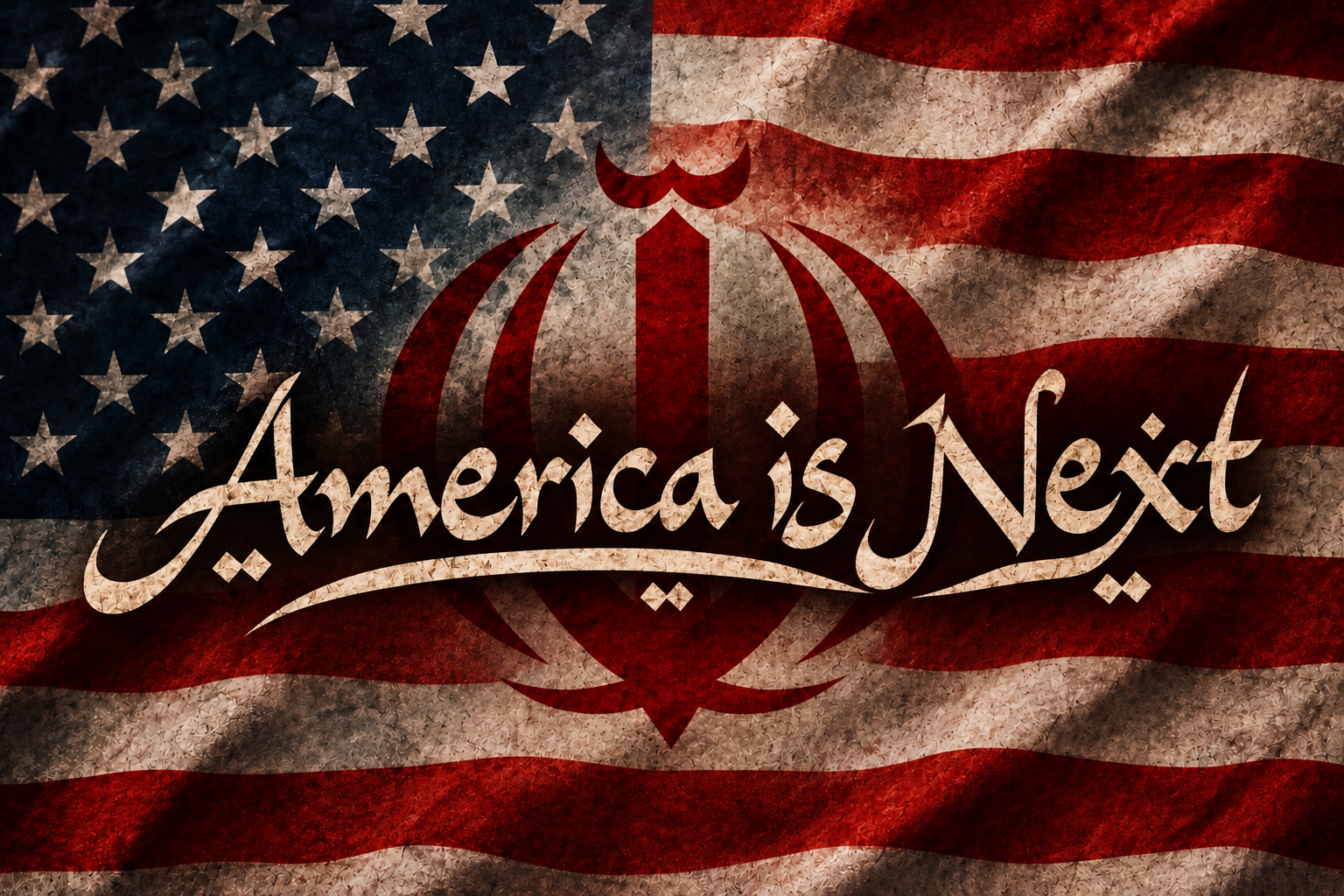
In November 2025, Zohran Mamdani was elected mayor of New York City. One year later, Abdul El-Sayed won Michigan’s U.S. Senate race.
Their victories raise questions that extend far beyond New York and Michigan: What do their political positions mean for the future of America? How will their growing influence shape American politics, Israel, American Jews, and the U.S.-Israel relationship?
Mamdani’s election challenged the idea that strong support for Israel was a political necessity in New York. He has openly opposed Zionism, supported the Boycott, Divestment and Sanctions movement, and criticized Israel’s conduct in Gaza.
In June 2026, Mamdani described AIPAC, a pro-Israel lobbying organization, as “monsters” and accused it of spending millions in dark money to influence elections and preserve political power. The controversy surrounding his remarks illustrates a growing divide over Israel within American progressive politics.
El-Sayed’s campaign generated similar controversy on the national stage. His opposition to American military aid for Israel and his accusations of Israeli genocide became prominent issues in Michigan’s Senate race.
The divisions were so pronounced that his Democratic primary opponent, Representative Haley Stevens, crossed party lines to endorse Republican nominee Mike Rogers just days before the 2026 midterm elections. Nonetheless, El-Sayed won the race.
The significance of these elections extends beyond the individual candidates. They demonstrate that politicians who challenge longstanding American policies toward Israel can win major elections, even amid criticism from within their own parties.
For American Jews, these developments raise important questions about the future of the U.S.-Israel relationship. As opposition to longstanding American policies toward Israel gains greater representation in elected office, debates over military assistance and diplomatic cooperation may become increasingly prominent.
The experience of France offers a related reminder of the challenges Western democracies face. French authorities have confronted Islamist extremist violence, antisemitism, and disputes over religious freedom. These challenges demonstrate the importance of protecting democratic institutions in the face of growing extremism.
As American citizens, we are fortunate to have the right to vote and the ability to influence the direction of our country. But electoral victories also raise questions about the policies voters are willing to support and the consequences those policies may have for America’s longstanding alliances and democratic principles.
The developments in New York and Michigan, alongside the challenges facing France, raise difficult questions about the future of Western democracies. What remains to be seen is whether these elected leaders will preserve the alliances, freedoms, and democratic principles that have long defined America – or pursue policies that threaten to undermine them.