Marcel Hollender and Shalom Brasil Honored in São Paulo
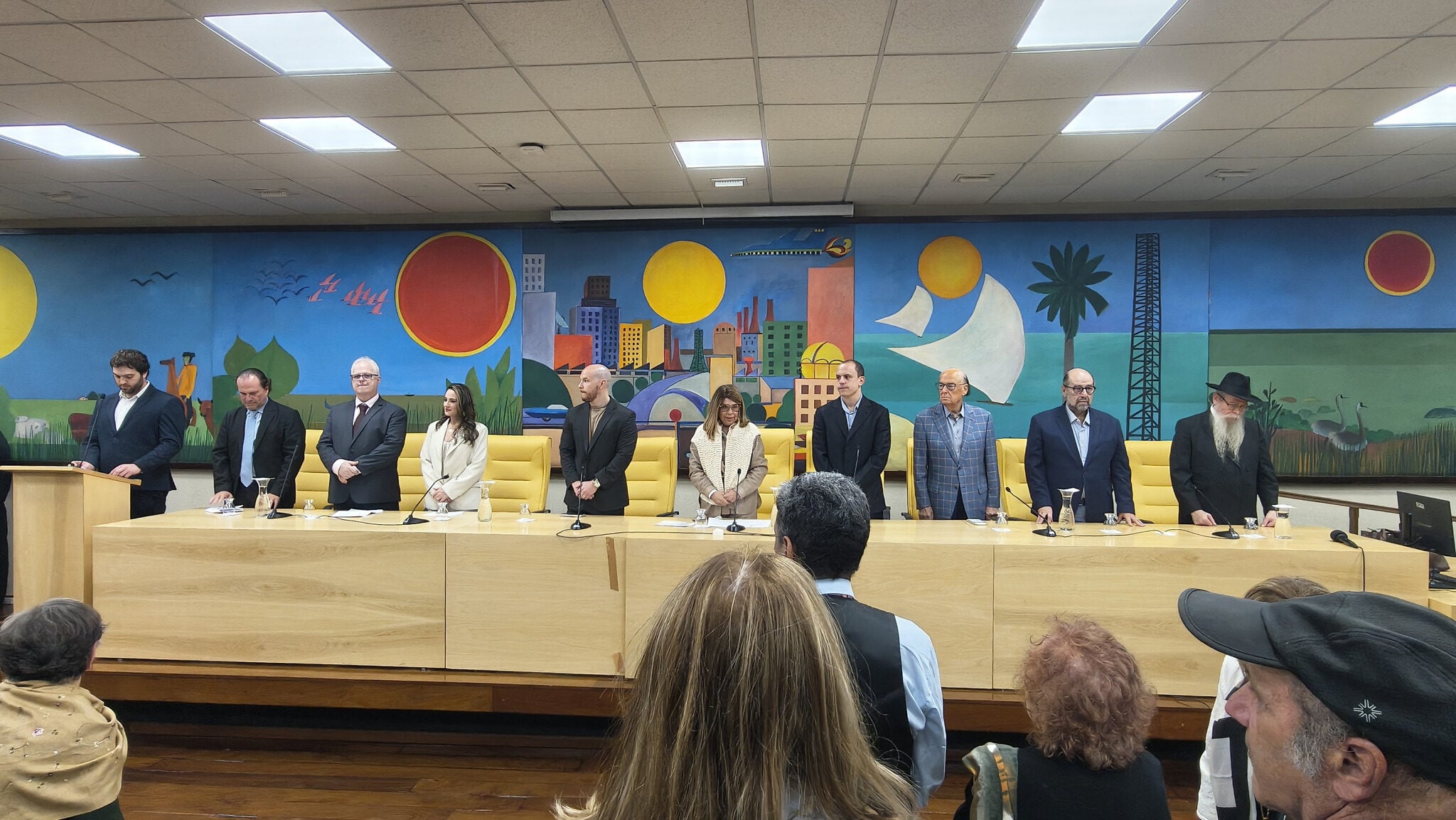
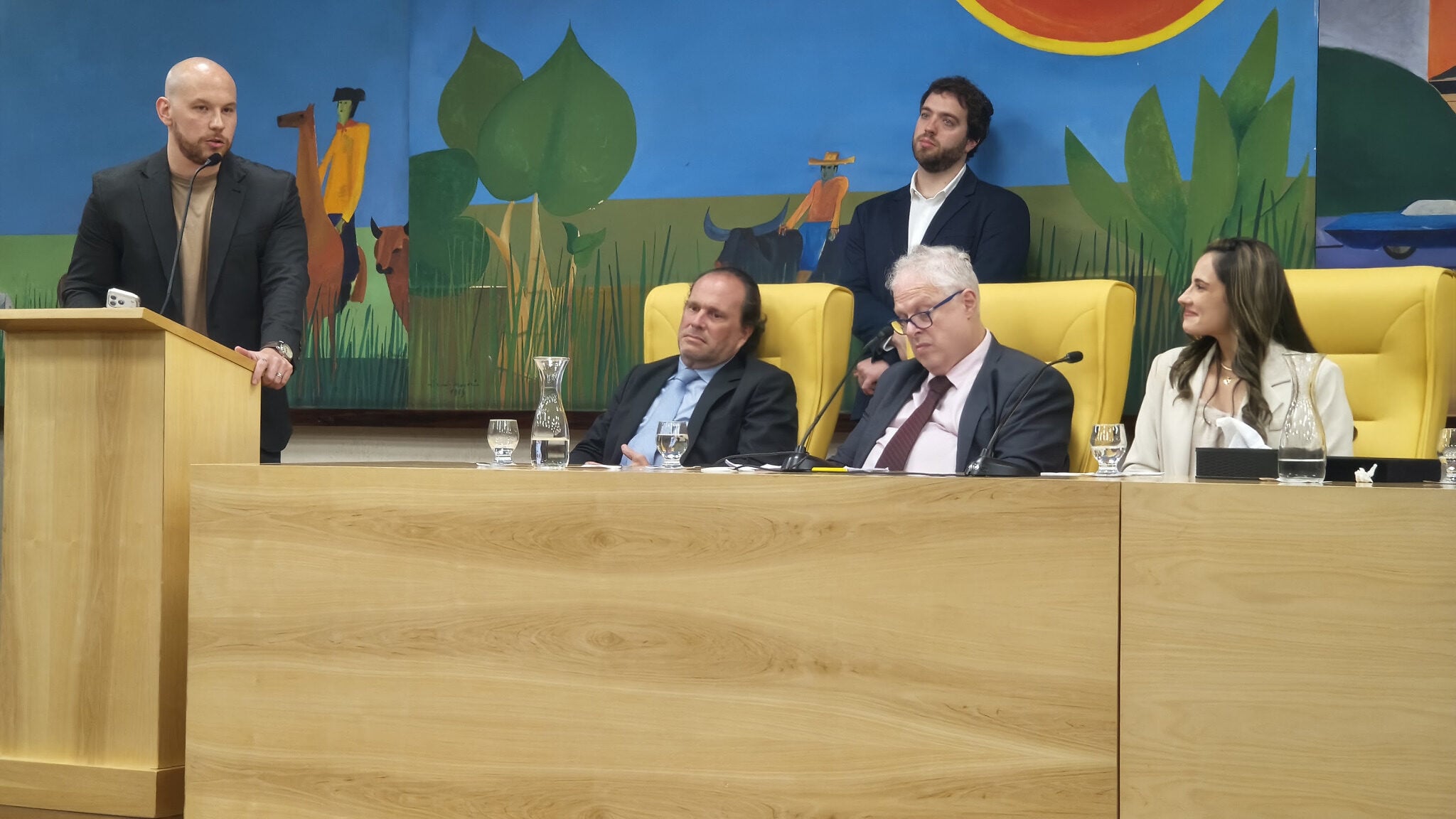
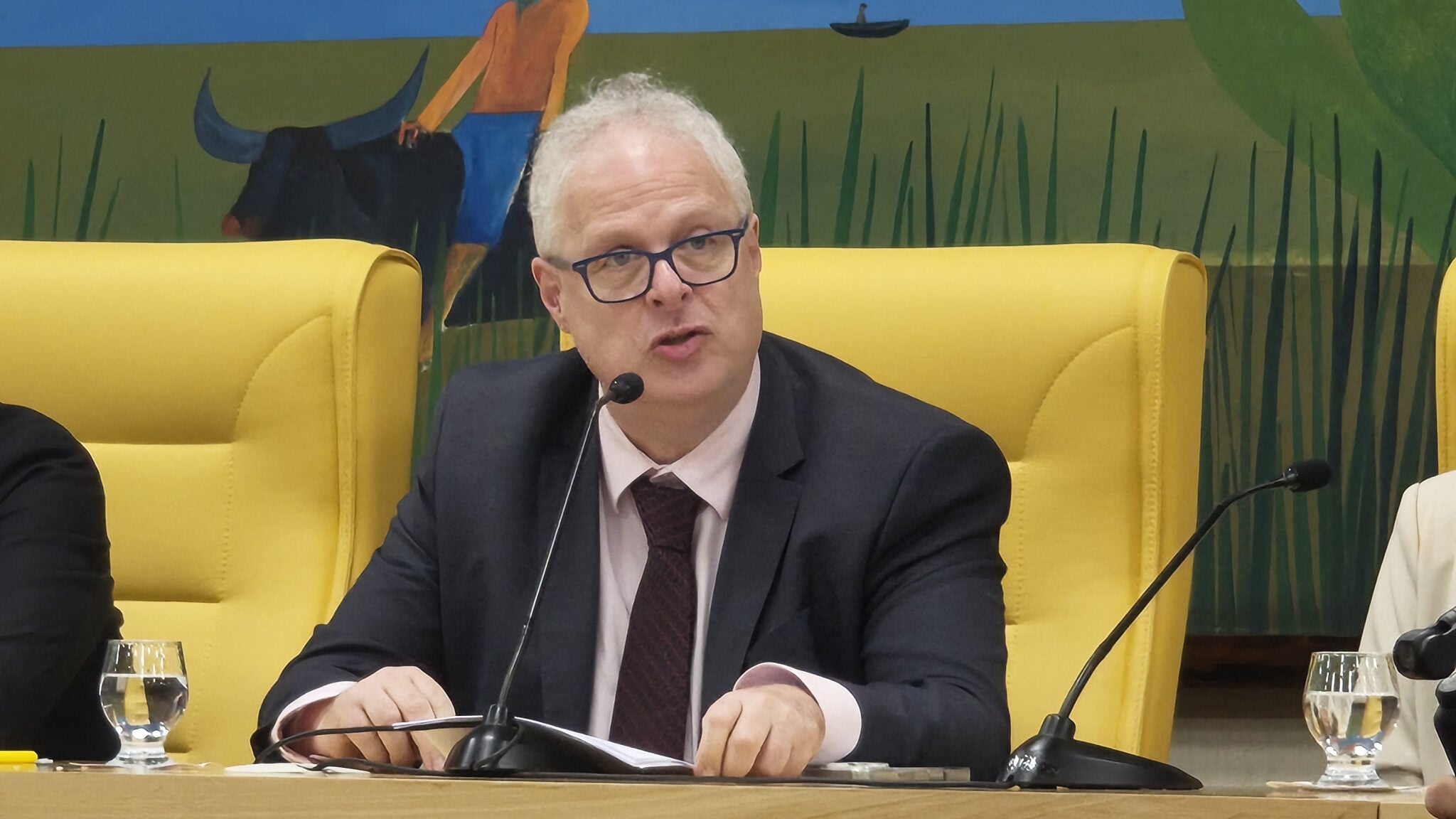
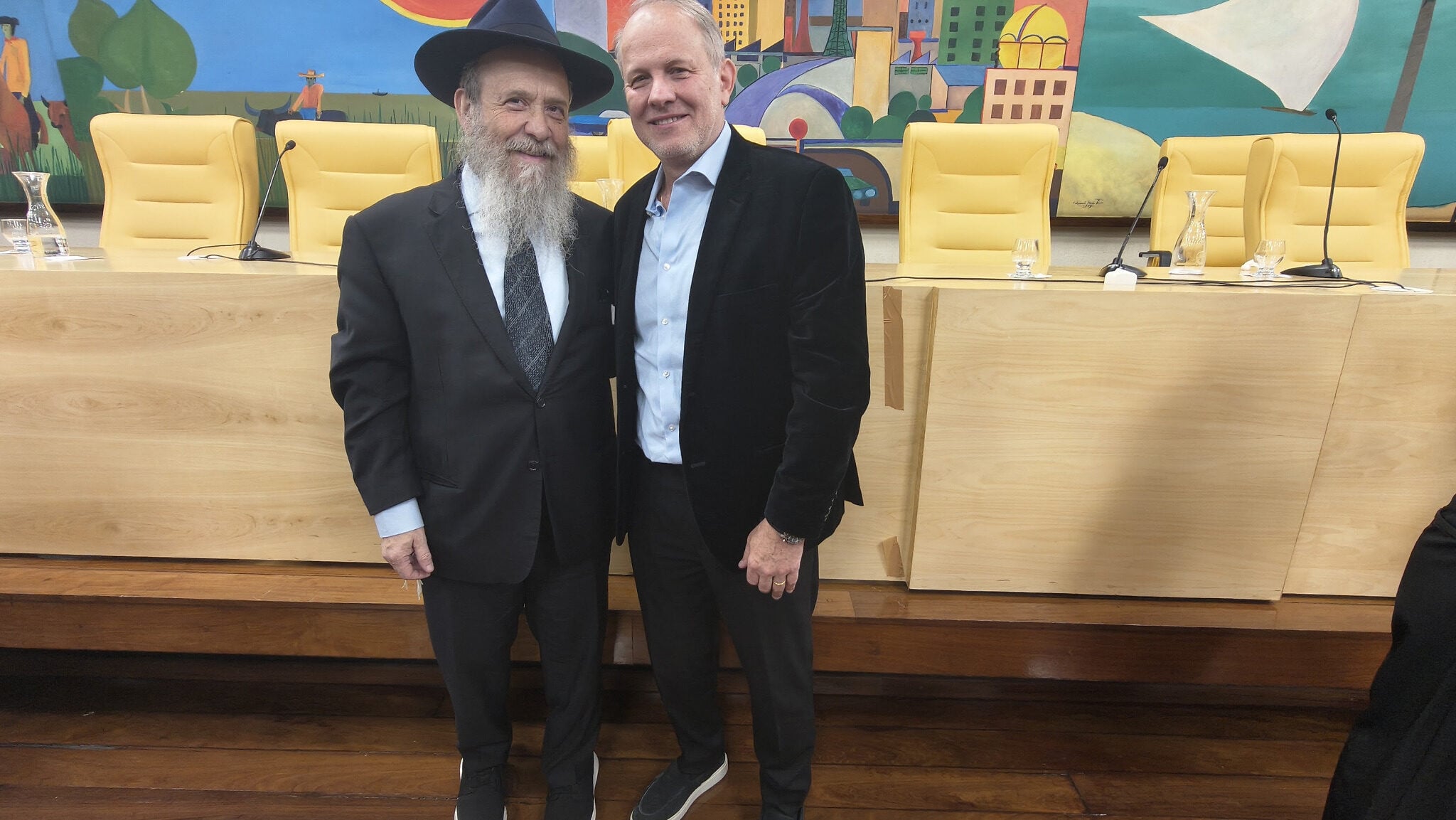
In an evening marked by emotion, on November 11, 2026, the São Paulo City Council paid tribute to Shalom Brasil and celebrated the legacy of its founder, Marcel Hollender.
São Paulo witnessed an evening of remembrance, gratitude, and heartfelt nostalgia during a special session in which Shalom Brasil received the prestigious Salva de Prata (Silver Salute), one of the highest distinctions awarded by the São Paulo City Council. More than a tribute to a media outlet with over three decades of service, the event became a celebration of the life and legacy of Marcel Hollender, founder of the program and one of the most beloved figures in Brazil’s Jewish community.
Throughout the ceremony, community leaders, rabbis, institutional representatives, friends, and family members shared stories that revealed not only the dedicated professional Marcel was, but also the generous human being who was deeply committed to his community and to the preservation of Jewish memory.
The Man Who Turned a Camera Into a Mission
Born in Paris, Marcel Hollender moved to Israel at a young age and built a life marked by resilience and determination. With limited resources, he learned the craft of audiovisual communication and founded Shalom Brasil alongside Tânia Bragarnick, to whom he was married at the time.
What began as a dream grew into one of the most important records of Jewish life in Brazil.
As several speakers noted, Marcel understood that every community needs to tell its own story.
While many Jewish communal events went unnoticed by mainstream media, Marcel was always there. With his inseparable camera, he documented religious ceremonies, charitable initiatives, cultural events, tributes, celebrations, and personal stories that might otherwise have been lost to time.
His well-known motto was:
“Vai para o mundo (Take it to the world)…”
The Sacrifice Behind the Beginning
One of the evening’s most moving moments came during the speech of his son, Ariel Hollender, who shared a little-known story about the early days of Shalom Brasil.
According to Ariel, Marcel’s parents believed so strongly in the dream that they sold a family apartment to finance the purchase of the program’s first camera.
It was an act of faith that would forever shape the project’s future.
The apartment my grandparents had given my parents was sold to buy the first camera, Ariel recalled.
Decades later, that investment became a historical archive documenting Jewish life throughout Brazil.
A Respected Communicator and Everyone’s Friend
Former Hebraica president Fernando Rosenthal recalled that it was almost impossible to attend any community event without running into Marcel.
With good humor, he compared him to “the Roberto Marinho of the Jewish community.”
According to Rosenthal, some people even joked that Marcel must have had several look-alikes attending events simultaneously, such was his ability to appear everywhere at once.
His trademark was a colorful plaid shirt and a camera always at the ready.
But what truly set him apart was his ability to recognize significance where others saw routine.
To Marcel, every birthday celebration, charity event, tribute, and communal gathering deserved to be recorded because each one contributed to the collective memory of the community.
The Vision of a Community Leader
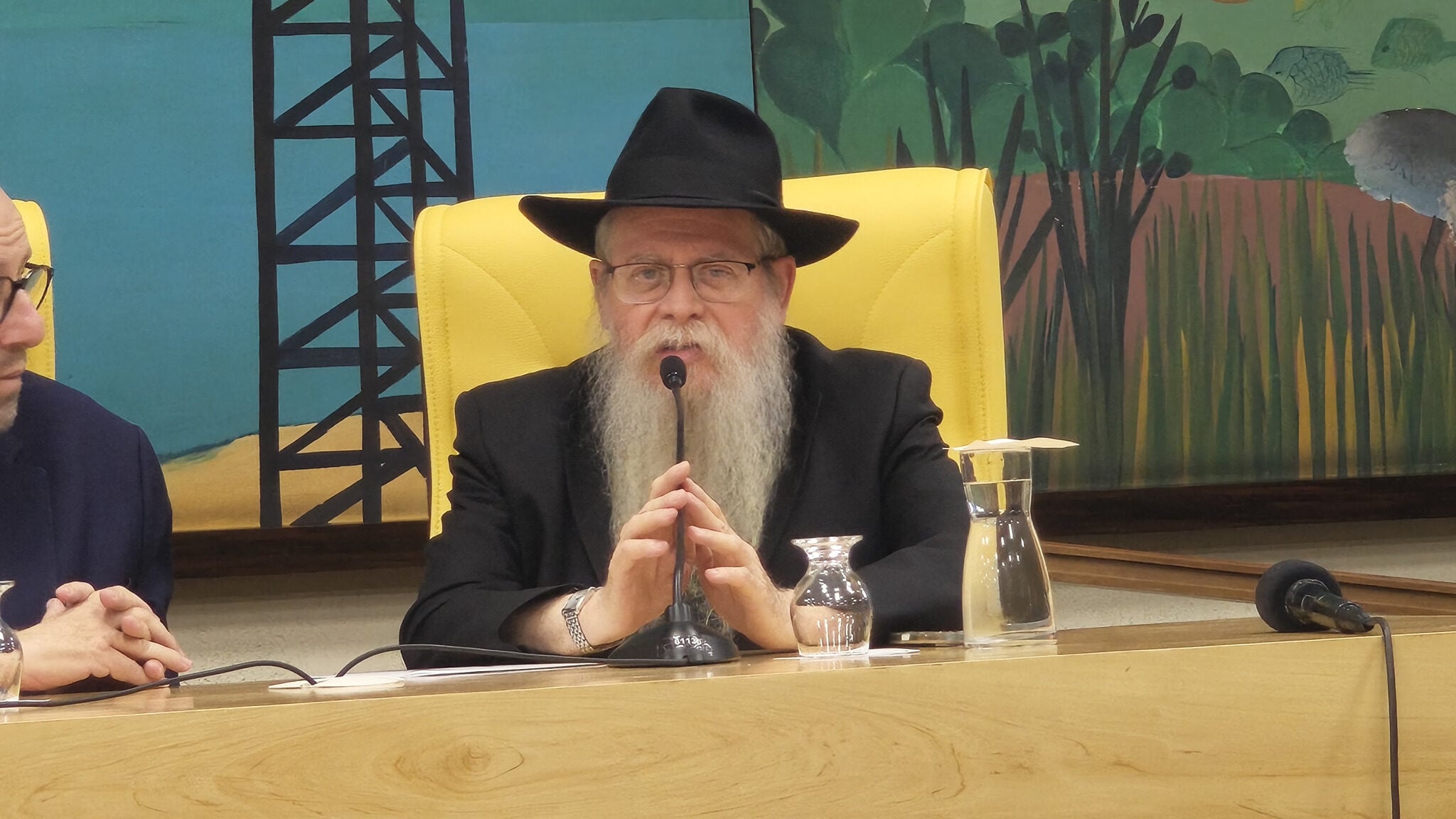
In one of the evening’s speeches, Rabbi Davi Weitman compared Marcel to the sacred instruments described in Jewish tradition.
According to the rabbi, great communicators are like trumpets fashioned from a single piece: consistent, whole, and faithful to their values.
In his view, Marcel embodied those qualities.
He was a man who openly championed Jewish values, the bond with Israel, and the importance of communal identity, never compromising his convictions.
Rabbi Weitman also highlighted Marcel’s courage in presenting to the wider Brazilian public the Jewish community’s contributions in healthcare, education, science, social welfare, and innovation.
The Friend Who Called Everyone “Bicho”
Another emotional tribute came from Boris Ber, who remembered Marcel’s affectionate way of addressing people.
His universal nickname for friends and acquaintances was simple:
“Bicho” (“Buddy”).
That was how he greeted nearly everyone he met.
Boris recalled how Marcel encouraged him to develop his own television presence and credited part of his professional path to Marcel’s support and advice.
He was much more than a friend. He was a brother and a mentor, he said.
The Community He Helped Build
Ricardo Berkiensztat, Executive President of FISESP, recalled that Shalom Brasil was born from the understanding that the Jewish community needed a space of its own to tell its stories.
According to him, Marcel realized that an invisible community risks being neither understood nor remembered.
Over more than thirty years, the program created a genuine audiovisual memory of Jewish life in Brazil.
From prominent leaders to anonymous volunteers, everyone found a place in front of Marcel’s camera.
A Deep Love for Family
Despite his dedication to Shalom Brasil, the evening’s tributes made clear that Marcel’s greatest source of pride was not professional.
It was his family.
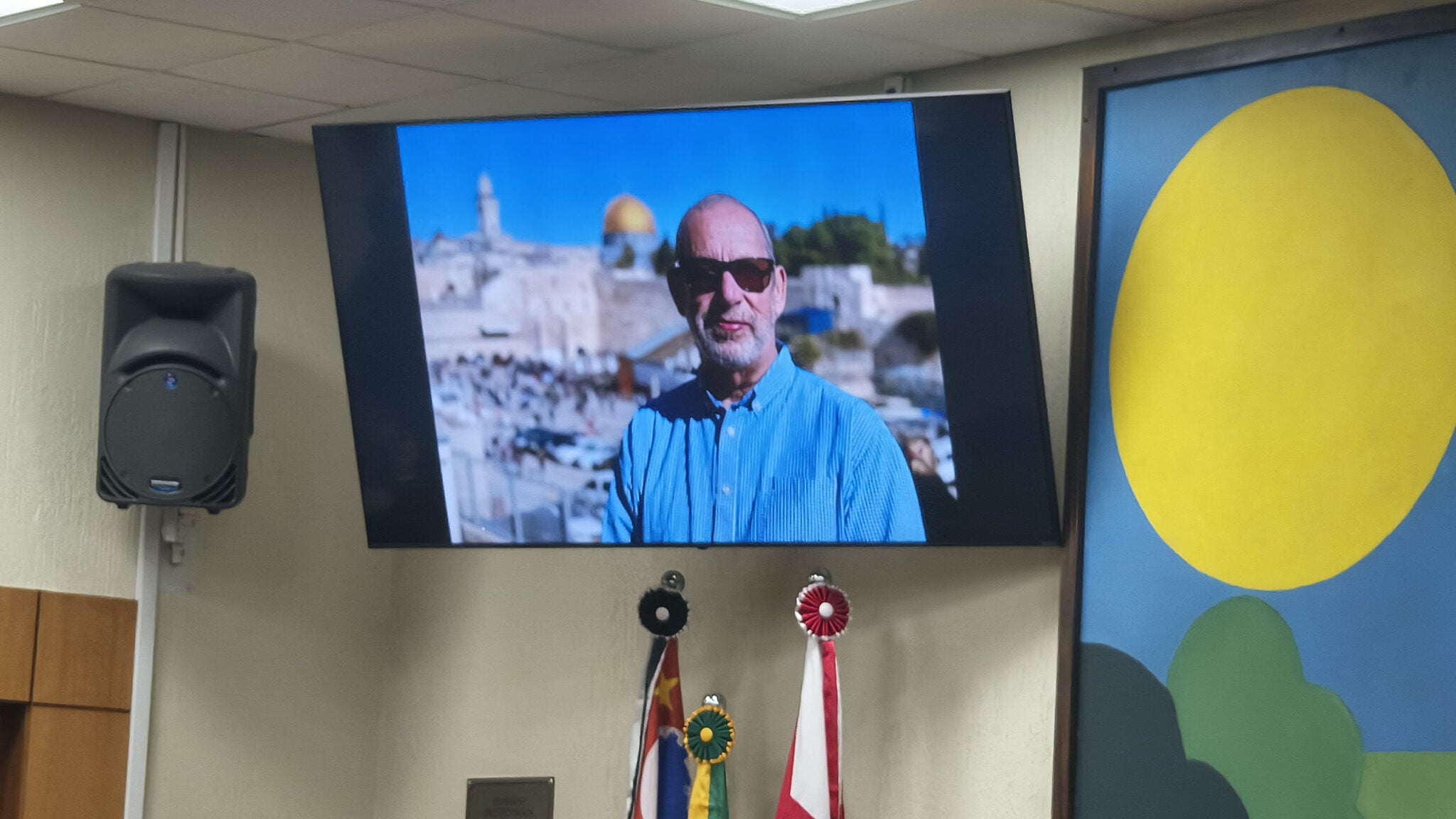
A video shown at the opening of the ceremony described him as a father deeply devoted to his children, someone whose greatest achievement was never televised, but lived at home.
The emotion reached its peak during the speeches delivered by his children.
Patrick Hollender spoke of his father as a source of strength and security.
He remembered the calls he made home while serving in the Israel Defense Forces, especially during difficult moments near the Lebanese border.
According to Patrick, his father always found the right words to restore courage and hope.
If I become even half the person my father was, I will have achieved everything that truly matters, he said emotionally.
“Without a Past, There Is No Future”
Perhaps the evening’s most touching speech came from Lilian Hollender, Marcel’s daughter-in-law and the current Director and Host of Shalom Brasil.
She recalled that Marcel’s home featured a hallway filled with family photographs.
Whenever someone paused to look at them, he would repeat a phrase that became a guiding philosophy in his life:
“Without a past, there is no future.”
For Lilian, the tribute, held exactly two years after Marcel’s passing, was like a great candle lit in his memory.
She described him as a man of extraordinary kindness, someone who helped others without seeking recognition and who consistently placed other people before himself.

A Tribute That Transcends Generations
Councilwoman Cris Monteiro, who sponsored the tribute, emphasized the historical importance of Shalom Brasil and its contribution to preserving Jewish culture and memory.
She also shared a personal story.
During an election campaign, an elderly woman approached her and said she recognized her from watching Shalom Brasil.
It was at that moment, the councilwoman recalled, that she fully understood the reach and influence of the work Marcel had built.
A Legacy That Lives On
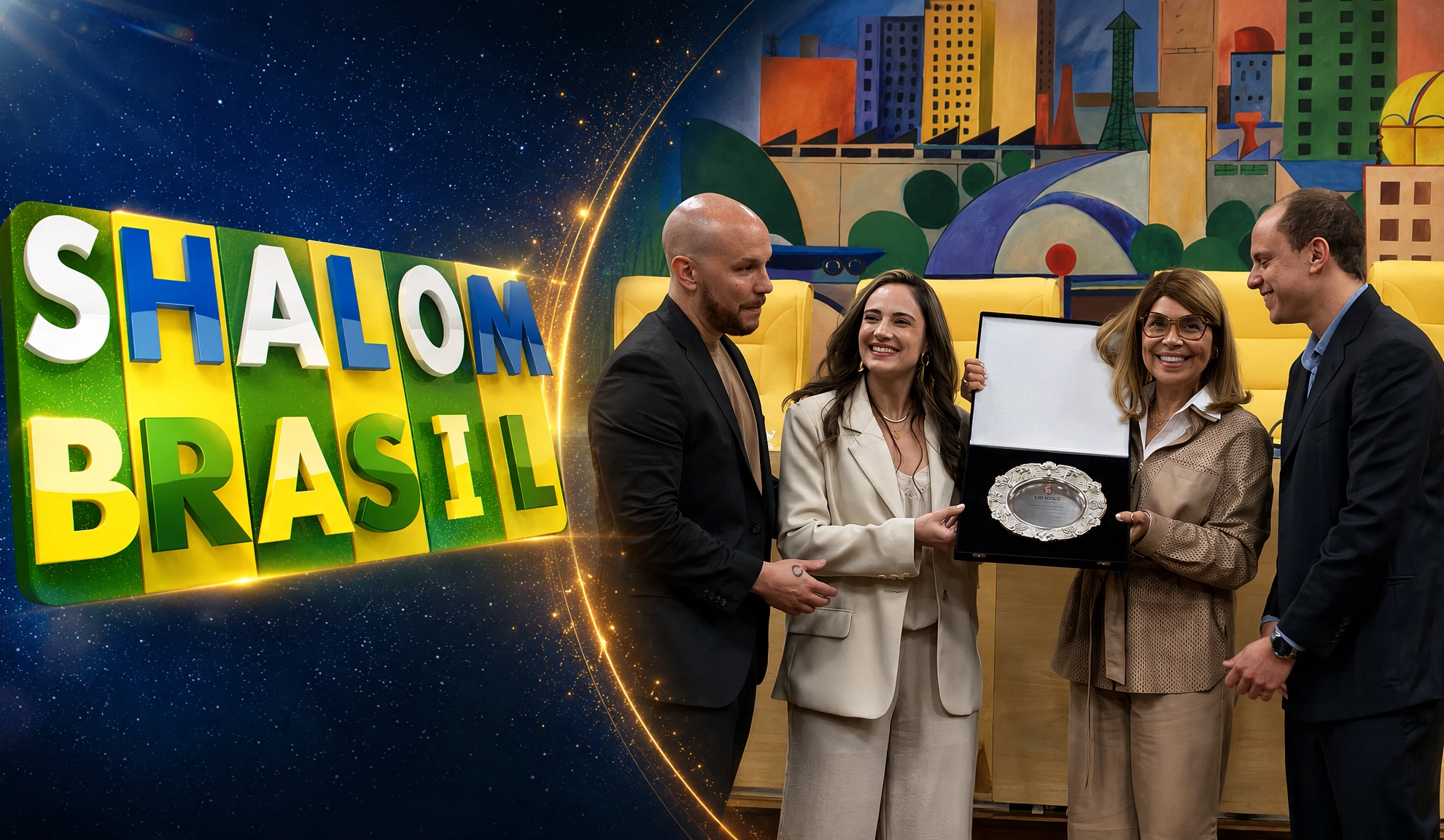
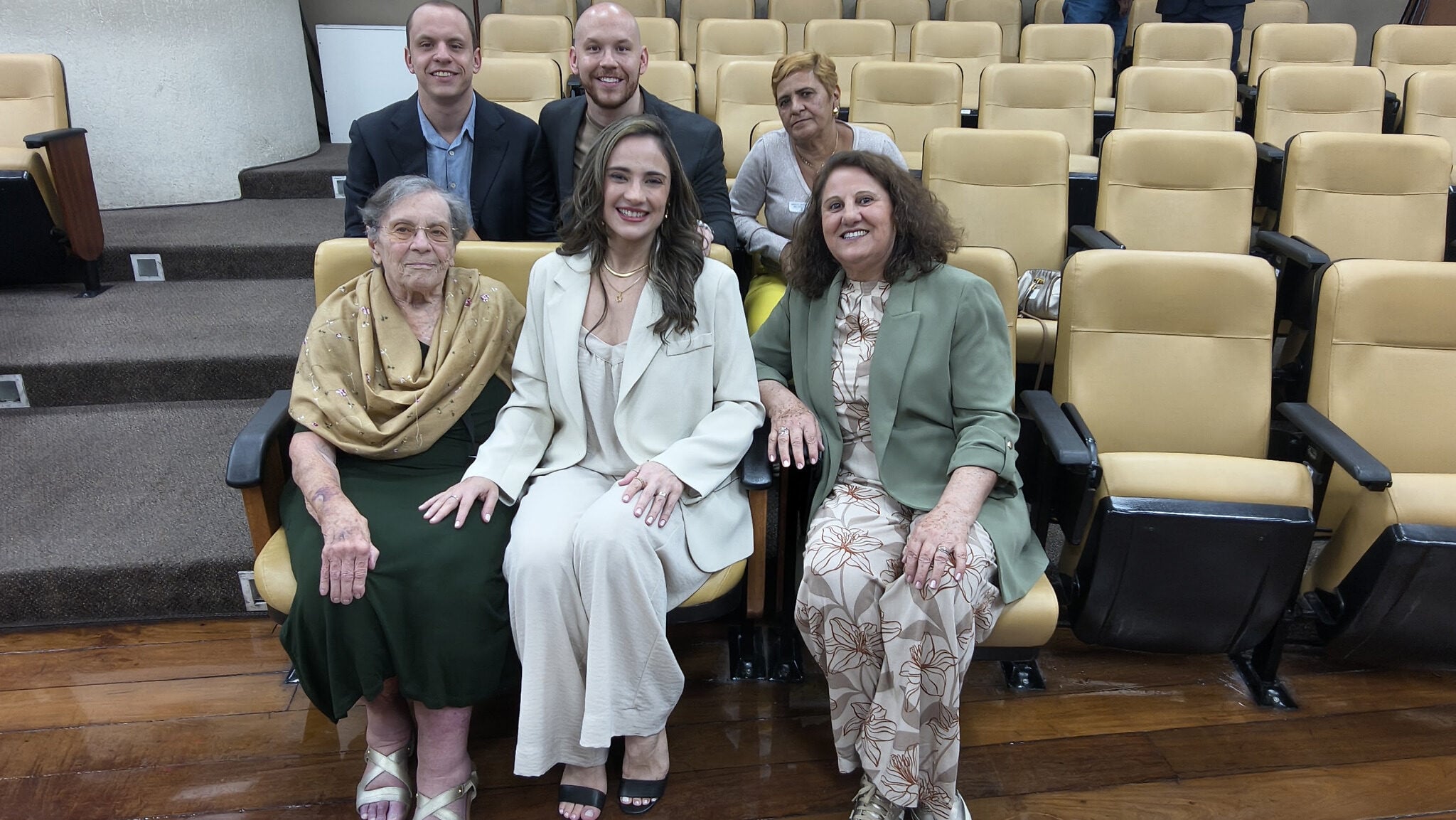
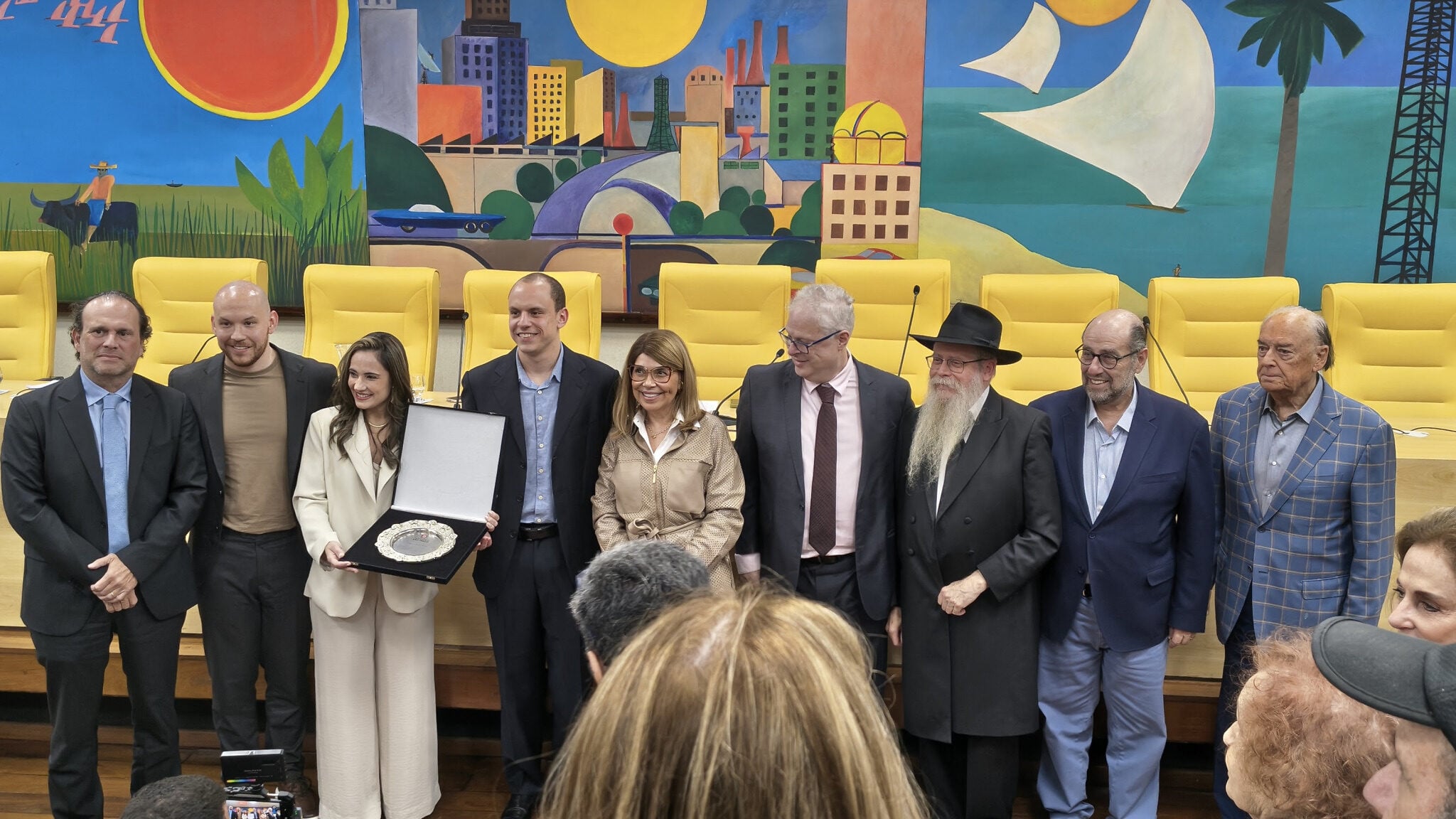
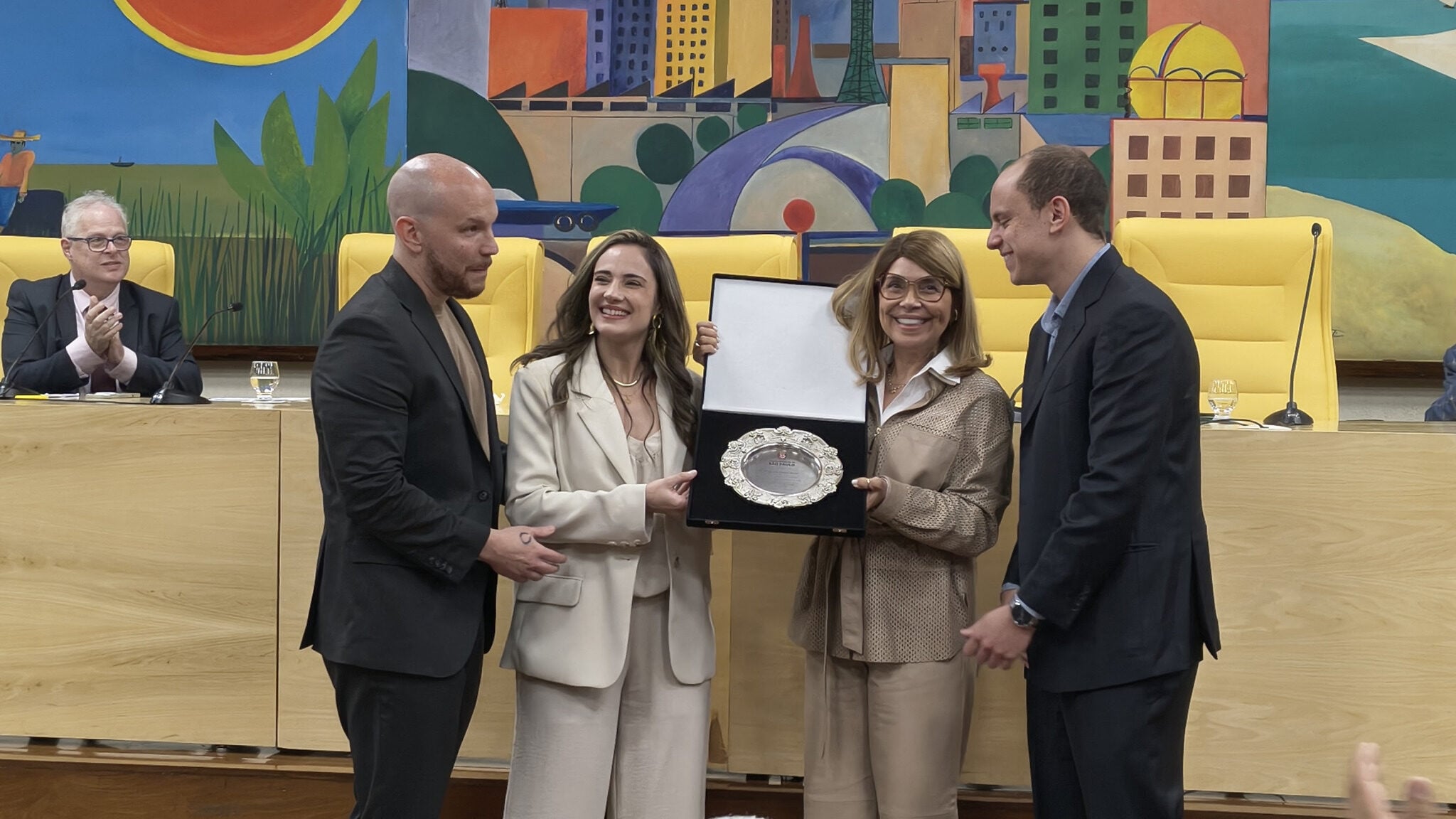
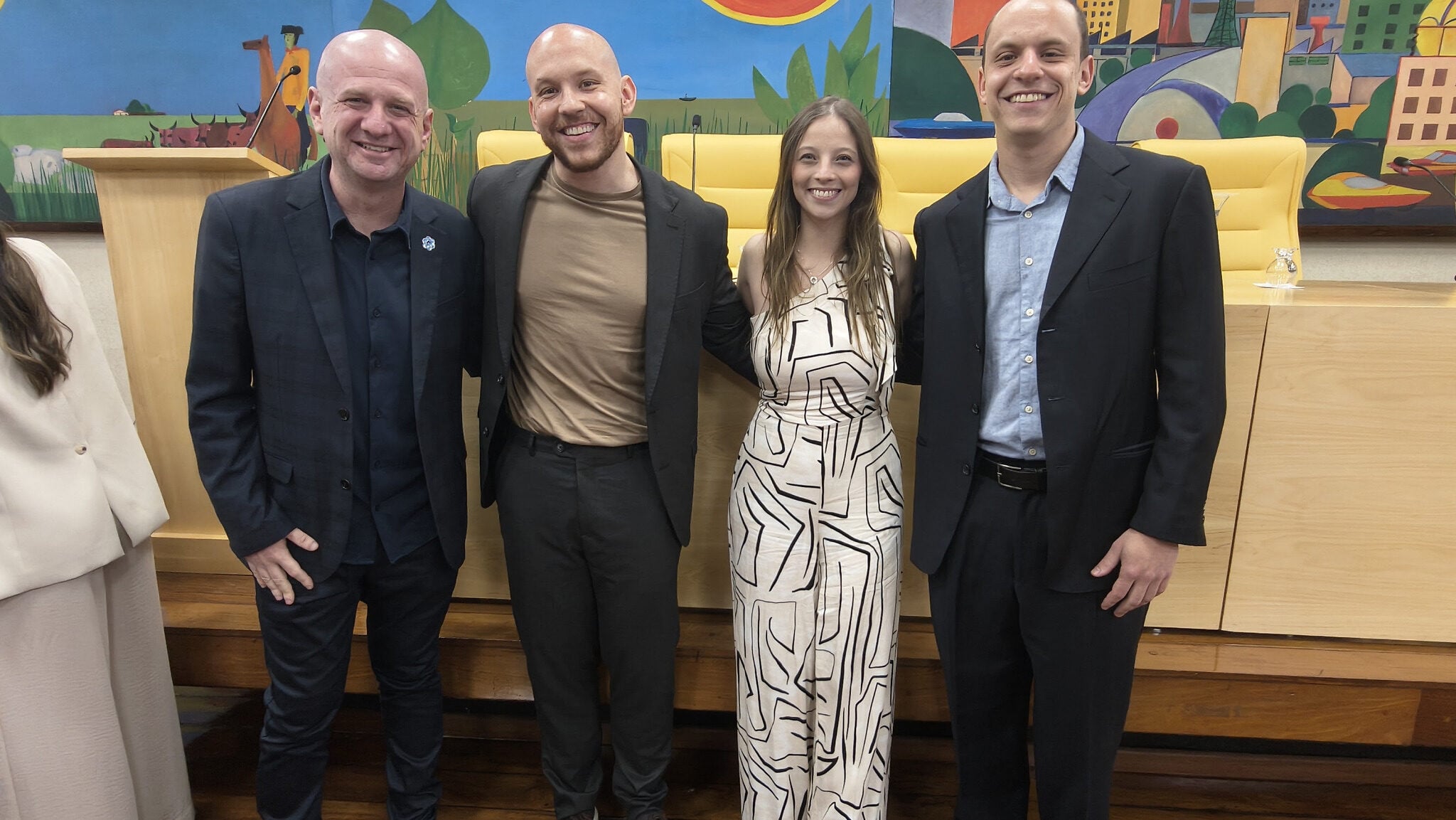
At the conclusion of the ceremony, the Salva de Prata was presented to Marcel’s children and daughter-in-law. Today, Lilian Hollender and Ariel Hollender continue the project he started more than 30 years ago.
Shalom Brasil remains on the air and has expanded into digital platforms, broadening the reach of the mission its founder began.
The tribute made one thing abundantly clear: Marcel Hollender built something greater than a television program.
He built a bridge between generations.
He built memory.
He built identity.
Now it is his own story that continues its journey, carried by the memories of those who knew him and by a legacy that remains alive in the community whose story he helped tell.
Marcel Hollender spent his entire life behind the camera. On that night, before an audience filled with emotion, it was his turn to become the protagonist of the story.

-

- Image: Asher Dorell