


Stephen J Stern PhD
Martin Luther King Day Is a Call, Not a Pause, for Maryland’s Youth
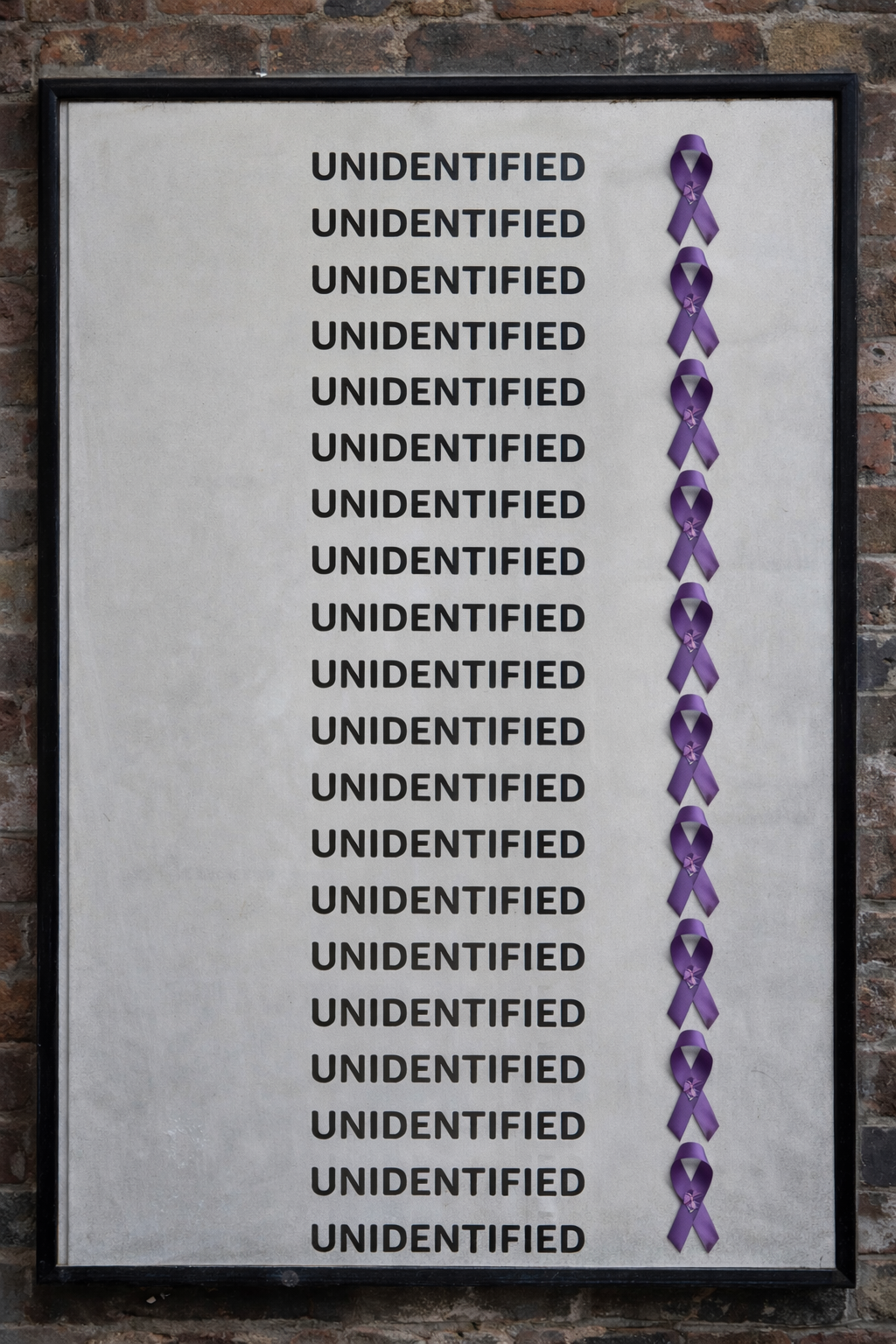
AI Image created by Stephen Stern
My dogs pulled forward toward the Howard Street Dog Park as we passed First and Franklin Presbyterian Church. Outside hung purple ribbons, each representing a person killed by gun violence in the past year. 133 people were shot dead in Baltimore, Maryland, in 2025. The names of the murdered youth were posted between the ribbons. Some names were followed by the word “unidentified.” Several unknown youths appeared in a row, no names, just absence.
Their deletion did not begin with death. It began in life.
Most of us know what it feels like to have our name overlooked or mispronounced. The slight is easy to dismiss, but the message may land all the same, you do not count. Now imagine that experience repeated over and over for a child by an adult charged with their care. Over time, the diminishment compounds. A name is not a formality. It is recognition. We name those for whom we are responsible. To be named is to be counted. To be counted is to belong.
Research confirms what lived experience suggests. A 2024 longitudinal study published in the Journal of Epidemiology and Community Health found that persistent childhood poverty and household adversity increase a young person’s exposure to violence and contact with the justice system by adolescence. Economic instability and neglect are not background conditions. They are active risk factors shaping who is protected and who is not.
This is not theoretical for legislators in Maryland. Maryland ranks second to Alabama in automatically charging children as adults, placing the state among the most punitive in the nation for youth justice.
NPR reporting from June 2025 documented how young people in Maryland’s juvenile and adult detention systems endure extended periods of “dead time,” weeks or months spent waiting in jail cells with little access to education, therapy, or rehabilitative services. Significant portions of their confinement are spent awaiting court dates or placement decisions made far from their lives. The time often goes uncredited, but the harm accumulates.
Think Jewishly, Act Locally
Hebrew prophets would not be surprised. They opposed deprivation and named power as accountable. Jeremiah declared: “They have become fat and sleek; They pass beyond the bounds of wickedness, And they prosper. They will not judge the case of the orphan, Nor give a hearing to the plea of the needy.” (Jeremiah 5:28, Sefaria) Isaiah announced: “And [when] you offer your compassion to the hungry And satisfy the famished creature—Then shall your light shine in darkness And your gloom shall be like noonday. (Isaiah,58:8, Sefaria) The assignment is clear. When we help the vulnerable, our lives grow brighter.
At the prophetic forefront insisting on justice for youth are Jews United for Justice (JUFJ). JUFJ aligns with other invested organizations, organizing Jewish communities across Maryland, Washington, DC, and Virginia to advance racial, economic, and social justice by educating, mobilizing, and lobbying for fair policy change. “Think Jewishly, Act Locally” is both its framework and its charge, grounding advocacy in Jewish values of obligation, dignity, and collective responsibility.
Through its Youth Justice and Decarceration platform, JUFJ is urging passage of Senate Bill 422. The bill would limit automatic adult charging of youth, prohibit placing minors in adult jails, and fund the Department of Juvenile Services alongside community based alternatives that meet federal juvenile justice standards.
Maryland legislators began their session last week. Resources are finite, but priorities are revealing. When funding does not reach children caught in cycles of neglect, we are witnessing not inevitability, but choice.
We do not have to imagine a child without a name: we walk past them, and we legislate past them. If Maryland’s children are to be protected, their names and the obligations those names carry must matter more to legislators than the interests that dominate their attention.
If not now, When? Honoring Dr. King Means Protecting Maryland’s Children Now

Pass SB 422. Children’s lives demand legislative action. Ending policies that criminalize childhood will not solve everything, but it will move Maryland toward light rather than darkness. When lawmakers choose protection over punishment, the future brightens, and the ribbons outside First and Franklin need not multiply.