President and CEO of Netzach Educational Network
Mending Our Broken Vessels
Netzach
Our students today have grown up in a fractured andabnormal world. They have experienced a global pandemic causing social isolation, heard about an invasion by violent terrorists, witnessed painful divisions within Israeli society,and lived through a long war, with screaming sirens and families evacuated from their homes. Along with other cities in Israel, Haredi cities like Bnei Brak, Beit Shemesh and Arad have been struck by lethal missiles.
Despite their apparent Haredi allegiance, the families of students and teachers in Netzach Educational Network schools are actively invested in the wider Israeli society. Many of them have sons serving in the IDF and Reserves; many of them have friends and family members who have been directly impacted by injury and loss. They have prayed for the hostages and attended the funerals of fallen soldiers, while witnessing the disconnection of the rest of Haredi society from this pain. They must struggle with this divided identity, witnessing violent protests in the streets, and arguments over military service and allegiance to community leaders in their homes and communities.
Today, we are all broken vessels. We all carry scars from the traumas of the past three years, but the Haredi world makes it difficult for us to express our emotions, because problems involving mental health are usually kept quiet. We try to achieve perfection in everything we do, but speaking with therapists is not generally acceptable. Israeli Haredim often fear that their family’s reputation may be tarnished if they are seen entering a clinic.
Personally, I am not afraid to share my feelings and my vulnerability, and I have encouraged my colleagues to do the same. Our schools cultivate a culture of discussion and self-reflection, and we have developed an extensive program of social and emotional learning for both our staff and our students, to build resilience and encourage empathetic listening.
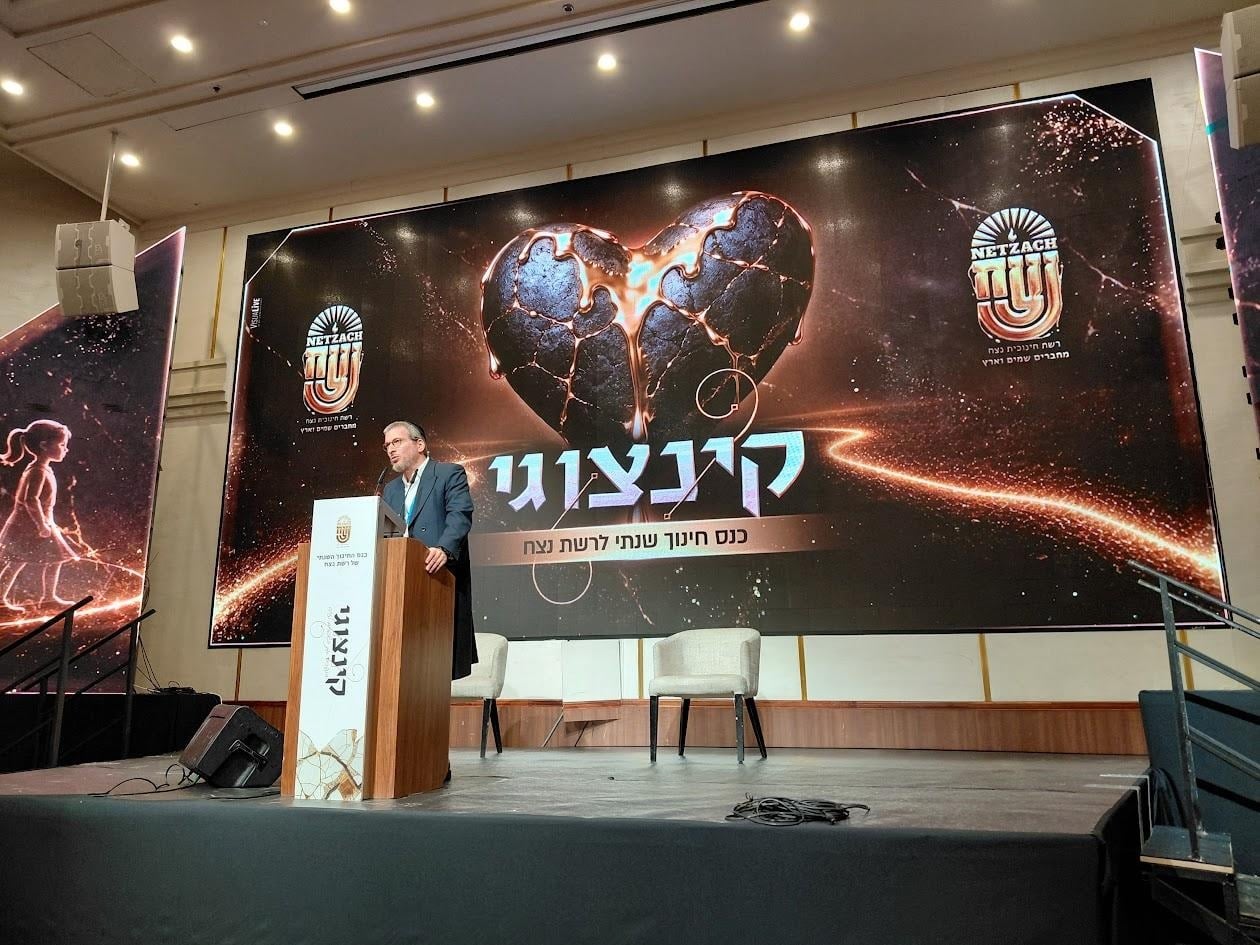
When we sat down to plan our annual teacher conference this summer, we decided it was time to address our problems openly. We picked as our theme an ancient Japanese technique for fixing broken vessels. “Kintsugi” is the art of repairing without concealing the break. Instead of pretending that the crack never existed, the artist gathers the fragments of the vessel, joins them back together, and fills the cracks with gold.
When we witness the effects of trauma among our students, we need to be honest in how we address these complex issues. When we recognize feelings of brokenness in those around us, we need to help them to fill the cracks with acceptance rather than shame. Whenever there are disputes within our communities, we should educate our children to understand the complexities and acknowledge the other person’s point of view. We should teach our students that disputes are not disasters, that not everyone who thinks differently from us isseeking to uproot our way of life, and arguments should not come at the cost of maintaining our dignity. We should be speaking out firmly against the Haredi anti-government protests that threaten to take over the streets of our communities.
When we experience fractures within our Haredi communities, and conflicts with other Israeli communities, we should try to fill them with the courage to renew. To understand that loyalty is not stagnation, and that it is possible to find new ways to realize our world of values without losing our identity. Cracks of indifference should be filled with responsibility. Responsibility for ourselves, for our families, for our communities, and for the entire Jewish people, by embracing and supporting those who are suffering.
When we see students broken by loneliness or grief, we should seek to strengthen them with our caring, to show that they still belong and have our support. If they experience meaninglessness and emptiness, we should try to fill those holes with faith, using a Torah compass to guide them, and helping them to recognize that, even when His presence is concealed, God’s hand continues to guide His world.
The philosophy behind Kintsugi is echoed by one of the most famous teachings of the Kotzker Rebbe: “There is nothing so whole as a broken heart.” By recognizing our own failings with humility, and by accepting our brokenness, we can open our hearts to share wisdom, compassion, and spiritual connection with our students.
Since knowledge is now universally shared, we can no longer sweep our problems under the carpet. While it is difficult for our community to acknowledge the problems that we face, we need to learn to address these issues in an open and honest way, especially when the mental health of our students is at stake. The message that we chose to share with our staff at our summer conference was that Netzach accepts imperfection and embraces “tikkun olam” – the need to fix our broken world.
May we all have the strength to examine our own words and deeds instead of critiquing others; to be fixers not breakers, and to fix our broken vessels – our children and ourselves – in the coming months.