

Miketz: From the Bor to Barur
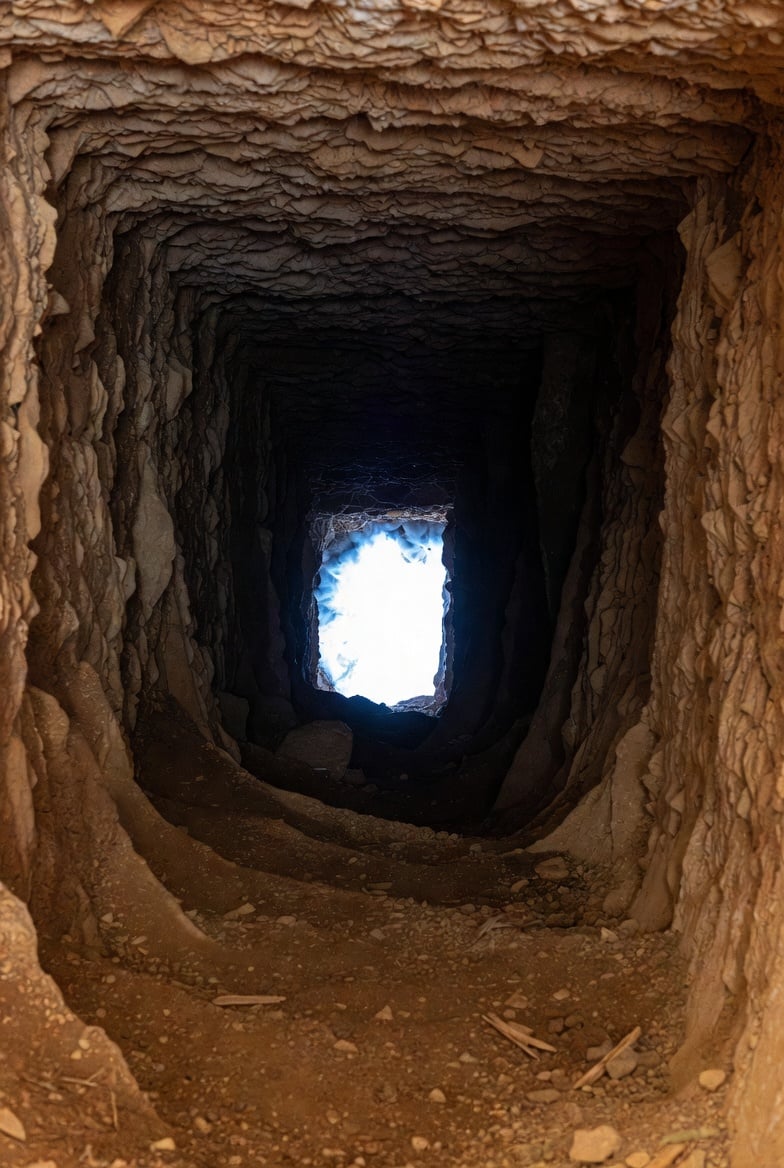
The Double Rise of Yosef. Here is a whisper in the words the Torah chooses. In Vayeshev, when the brothers drag Yosef out of the cistern, it says simply “Vayalehu Min Ha’bor” – they raise him from the pit, seemingly with a struggle to lift him. But hidden inside “Vayalehu” is the root “Ila” עילה – reason and cause. This was not random cruelty. This was the Ila Hashem spoke to Avraham: “Your seed will go down, taste servitude, learn what it means to be owned, so that one day they can truly stand free.” The descent itself carried divine reason. Every foot of rope was measured by Heaven.
Years later, in Parshat Miketz, the scene repeats, only now it is prison, and now it is Pharaoh’s panic. The Pasuk uses the word “Vayirtzihu Min Ha’bor” – derived from the word “Ratz” רץ, they rushed him; they caused him to run out of the pit. Ratzah has another meaning – “will and desire” derived from the word רצון. The same man, the same darkness, but now the pull upward is Ratzah, Hashem’s own will, injecting speed into history.
From Ila (reason) to Ratzah (will) – the promise awakens; the engine ignites. One was a calculated descent; the other, an unstoppable ascent. And notice: the prison was never called Bor when they threw him in; the Torah just said “Beit Ha-Sohar” or “Mishmar.” Yet when they pull him out, it uses the term “Bor.” Why bring back the old word? Because every low place in life is the same Bor. But two Bor together spell Barur: clarity. Double Reish (400), double descent, one shattering revelation.
You only earn crystal vision after two full plunges into the mud. That second plunge happened in Potiphar’s house. The flame was real. The Yetzer dug deep, as the Gemara in Sota 36b states: “Yosef heard, ‘Would you want to be erased from the stones on the Eifod and removed from your other brothers?’” The stones were inscribed, as the Torah states, Pituchei Chotam, like the engravings of permanent grooves that ache for filling. Most people, once they taste that depth, spend the rest of their lives chasing a stronger hit. The void widens; nothing earthly is ever enough again. But Yosef, in the split-second of no return, looked up and saw a window. Polished. Clean. Reflecting.
He saw a face flash before him. He saw his father Yaakov staring at him. Or was it his own that looked exactly the same? It doesn’t matter. Reflection is the gift. The moment you see yourself from the outside, the suction breaks. You are no longer the player drowning in the game; you become the observer who can choose the next move. That is the birth of true freedom.
Only one fire burns deeper than desire: the fire of Hashem. Black fire on white fire—the letters of the Torah itself. The darkest ink resting on the purest light. When Yosef chose that fire, the groove of craving that was dug in his heart by the temptation of Eishet Potifar did not stay empty; it became a channel for something infinite. He walked out unscorched, carrying clarity no palace could give.
Pharaoh’s dreams were child’s play after that. “Not I,” Yosef says, “God will answer Pharaoh’s peace.” And Pharaoh clothes him, names him “Tzafnat Pa’neach – decoder of the hidden.” But we know the truth: the first secrets he decoded were his own. The pits, the lust, the shame, the reflection—he solved them all. Once a person masters that inner code, the evil eye loses its power. Whispers? Let them whisper. He is too busy seeing clearly to care what others think.
From Vayalehu (reasoned descent) to Vayirtzihu (willed ascent), from Bor to Bor to Barur, from almost falling to standing second only to the king, Yosef teaches us the blueprint. We all have two pits waiting. We all face one moment where the flame feels unbeatable. We all stand at one polished window. Look through it. Choose the deeper fire. Let the double darkness birth double light. Because the ladder out is never made of rope. It is made of reflection, of covenant, of choosing the Only Fire that never consumes the one who carries it.
Shabbat Shalom
David Lemmer
LemmerHypnotherapy.com