
Morocco at the Center of Israel–Africa–US Cooperation
Over the past decade, many observers of Middle Eastern and African geopolitics have noticed Morocco’s gradual transition from a regional player to a key continental connector. This shift is now undeniable. Since the Abraham Accords were signed in 2020, Rabat has become a pivotal link between Israeli expertise, African markets, and American strategic goals. What once seemed like a diplomatic experiment is now developing into a solid trilateral framework with real consequences for security, trade, and political stability across three continents.
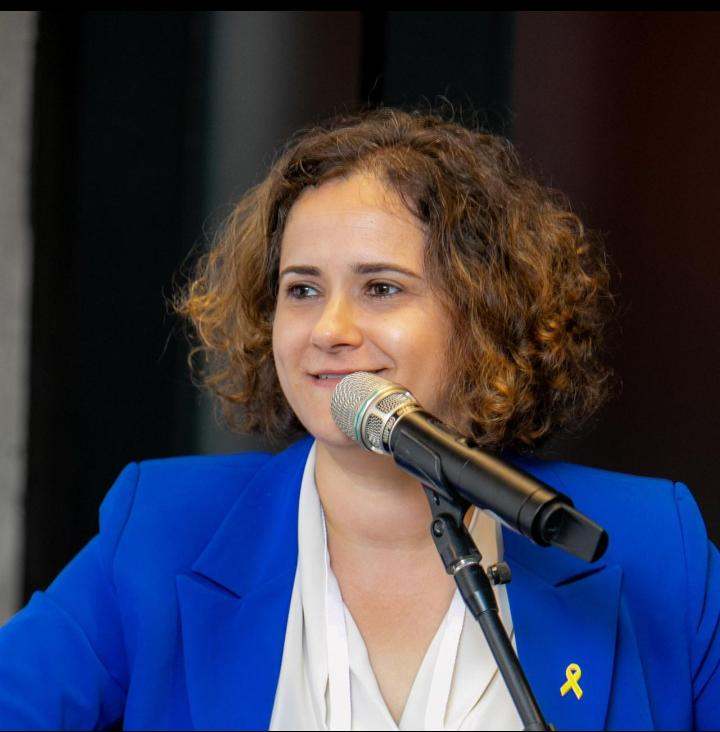
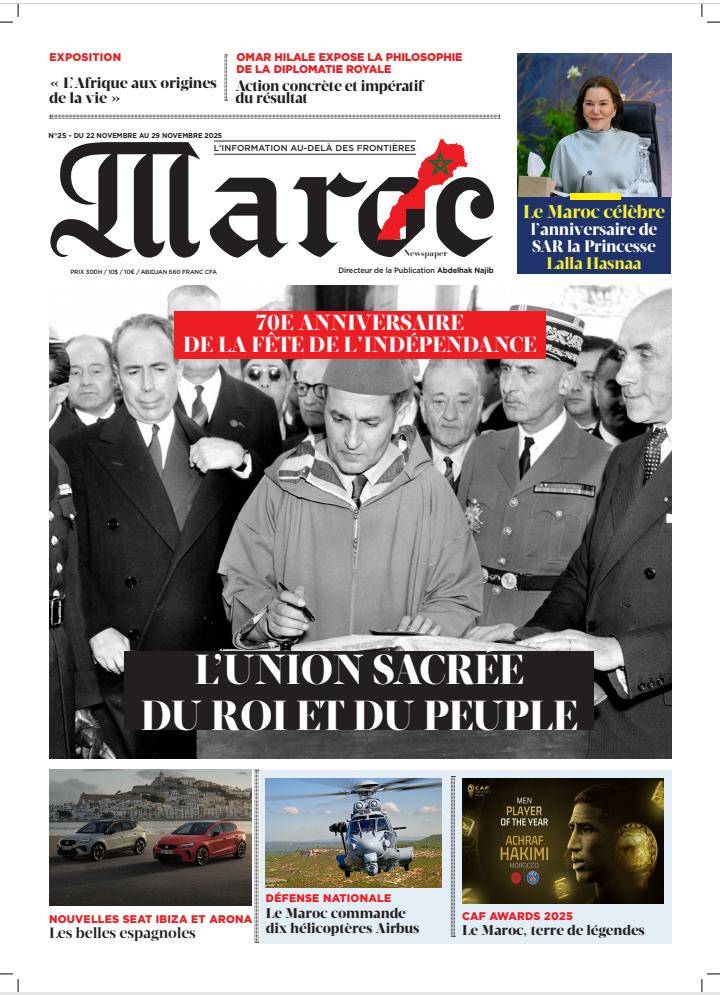
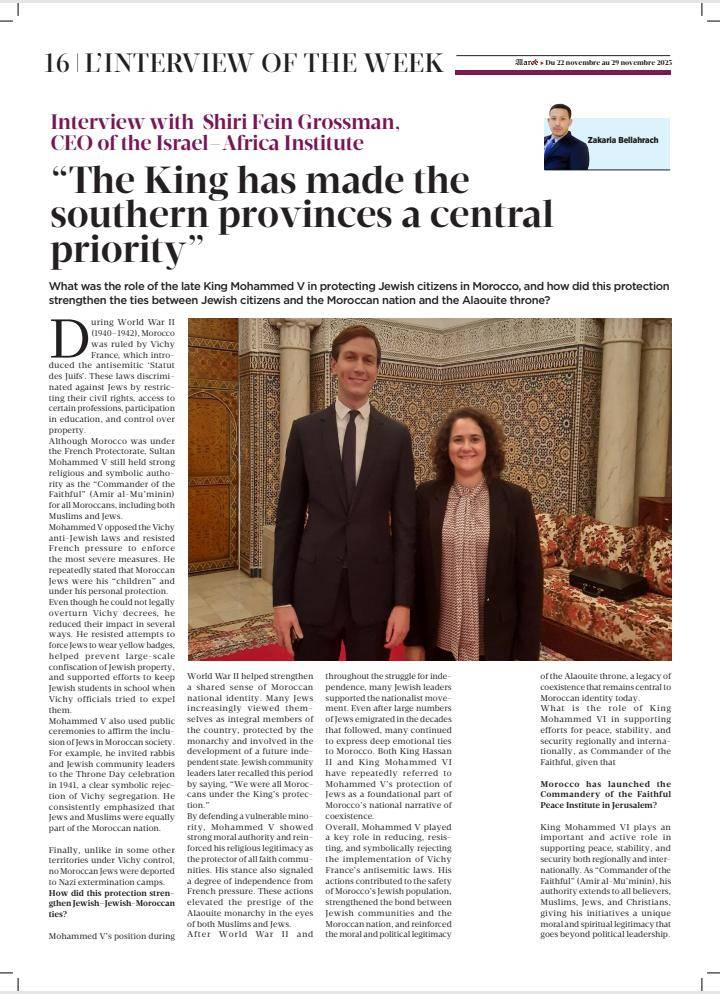
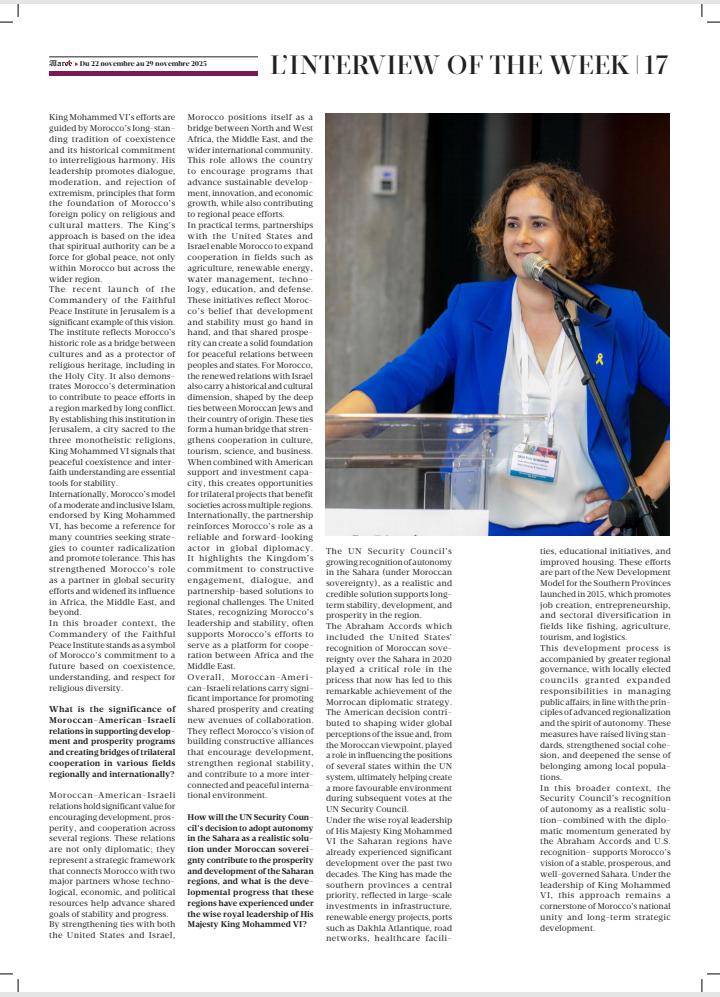
In a recent exclusive interview with Maroc Newspaper, Shiri Fein Grossman, the CEO of the Israel–Africa Relations Institute (IAI), shared insights into this remarkable change. Interviewed by Moroccan journalist Zakariya Bellahrach, the conversation highlighted how Morocco’s rich historical identity, political decisions, and geographic advantages have come together to enhance the Kingdom’s role in a rapidly evolving region.
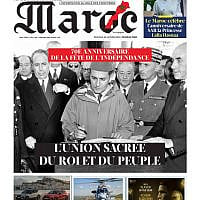
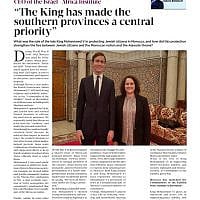
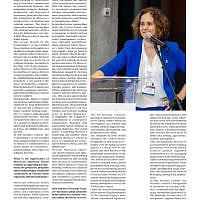
- Photo Courtesy: Zakariya Bellahrach
A Historical Foundation Few Countries Possess
Morocco’s significance did not just materialize out of thin air. As Grossman highlights, the Kingdom’s long-standing relationship with its Jewish community has created a solid moral and cultural groundwork for its growing ties with Israel. A key moment in this history was Sultan Mohammed V’s refusal to adopt the antisemitic policies of the Vichy regime during World War II, asserting that Moroccan Jews were “Moroccan subjects” entitled to full protection. This stands as a testament to Morocco’s identity, which has always been more about pluralism than sectarianism.
This continuity is crucial. Today, under King Mohammed VI, Morocco presents a political model that is all about moderation, stability, and quiet confidence—an approach that resonates in a region often caught up in reactionary or ideological extremes. The establishment of the Commandery of the Faithful Peace Institute in Jerusalem illustrates the Kingdom’s desire to build bridges rather than take sides in the fragmented landscape of the Middle East.
The US as Catalyst, Morocco as Connector
Washington has always recognized Morocco’s potential as a valuable partner. It became a Major Non-NATO Ally back in 2004 and followed that up with a free trade agreement two years later—making it the only US FTA with an African nation.
However, the real game-changer came in 2020 when the US acknowledged Morocco’s sovereignty over its Southern Provinces. This move, made in exchange for Morocco normalizing relations with Israel, solidified what years of diplomatic hints had suggested: Morocco stands as a stable ally in a region that’s becoming increasingly competitive.
This acknowledgment set the stage for the US–Morocco–Israel Joint Declaration, which laid the groundwork for collaboration in areas like diplomacy, innovation, and defense. Since then, trilateral discussions and congressional roundtables—like the ones held in Washington in 2025—have played a crucial role in strengthening this partnership.
Security Cooperation: The Strategic Glue
Security is truly the backbone of the trilateral relationship. Joint military exercises, such as African Lion, which are led by US Africa Command (AFRICOM), now regularly include both Morocco and Israel. These drills not only enhance interoperability but also give African militaries a chance to work with Israeli systems, leading to a noticeable increase in Israeli defense exports throughout the continent.
Rabat has quickly strengthened its defense connections with Israel, acquiring advanced artillery and drones while gradually moving away from older European systems. In the Sahel region, where jihadist groups and foreign mercenaries pose a threat to stability, Morocco’s intelligence capabilities—developed in close partnership with US agencies—have proven to be crucial. Grossman pointed out that shared worries about Iran’s expanding influence in North Africa are another key factor driving this cooperation.
Economics: Morocco as the Entry Point to Africa
When it comes to security, Morocco’s economic influence is just as important. Over the last ten years, the country has established itself as a key logistical and financial center in Africa, thanks to assets like the Tanger Med port—one of the largest in the Mediterranean—and its growing connections with West African markets.
From 2008 to 2018, trade between Morocco and sub-Saharan Africa surged by 68%, with most of its investments now flowing southward. This positions Morocco as a perfect launchpad for both Israeli technology and American investment. Israeli firms are already teaming up with Moroccan businesses in sectors like agriculture, fintech, water management, and renewable energy. US incentives, including billions in anticipated private-sector investments, are boosting this trend.
Plans for a tri-continental investment fund aimed at the Mediterranean, North Africa, and the Sahel could further strengthen Morocco’s status as the main entry point for Israeli and American initiatives in Africa.
The Israel–Africa Relations Institute: A Quiet but Influential Force
The Israel–Africa Relations Institute has quietly but significantly influenced the development of this new framework. Located in Herzliya, IAI focuses on policy research, hosts discussions, and advocates for a stronger Israel–Africa partnership. Importantly, it positions Morocco as a prime example for future collaborations.
Grossman often points out Morocco’s unique blend of stability, modern infrastructure, and connections across Africa—traits that many other regional players don’t possess. IAI’s research highlights how the Abraham Accords and the US acknowledgment of Moroccan sovereignty have paved the way for new diplomatic opportunities, fostering trilateral projects in renewable energy, agriculture, and development throughout West Africa.
Additionally, IAI promotes collaborative projects between Israel and Morocco—like agricultural initiatives or tech incubators—that can eventually be shared with other African nations. This approach aligns seamlessly with US strategies to counter foreign influence, particularly from China and Russia, whose presence in Africa has been growing rapidly.
Diplomacy and Soft Power: Morocco’s Stabilizing Role
Morocco’s diplomatic style—deliberate, patient, and focused on the long haul—stands in sharp contrast to the transactional nature often found in regional politics. Its backing of Palestinian civilians, even while keeping normalized ties with Israel, illustrates its ability to juggle moral commitments alongside strategic realities.
More generally, Rabat has been a reliable mediator in regional crises, from the political negotiations in Libya to security collaborations in the Sahel. The US is increasingly viewing Morocco as a stabilizing counterbalance in a landscape of volatility that stretches from the Atlantic coast to the Red Sea.
Challenges and Regional Tensions
Morocco’s growing influence certainly comes with its share of challenges. For instance, Algeria’s choice to cut diplomatic ties with Rabat back in 2021—pointing to Morocco’s normalization with Israel—has created a significant rift in North African politics.
Additionally, there’s rising domestic criticism in Morocco regarding the Gaza conflict, which adds another layer of political sensitivity that Rabat needs to handle with care. There are also rising concerns about the use of Israeli surveillance technologies across parts of Africa, along with the ethical questions of exporting these “battle-tested” systems. These are discussions that the trilateral partners will need to face head-on if they want to build a foundation for lasting cooperation.
Looking Ahead: A Partnership With Continental Implications
Even with the challenges, the direction is becoming increasingly evident. In recent months, Moroccan officials have made it clear that their partnership with Israel will carry on, especially in high-tech and development areas.
Washington, regardless of the political landscape, regards Morocco as a trustworthy partner whose influence reaches far across Africa. The opportunities that lie ahead—green hydrogen, vital minerals, food security, cybersecurity, and counterterrorism—are perfectly suited to the strengths of all three nations.
If navigated wisely, the Morocco–Israel–US triangle could turn into one of the most impactful diplomatic arrangements in the region. As Grossman noted in her interview, Morocco’s growth isn’t merely a result of geopolitical factors. It reflects a unique identity that combines history with modernity, moral clarity with strategic vision.
In an age characterized by fragmentation, Morocco stands out not through might, but through the gentle power of connection. For Israel, Africa, and the United States, that connection has never been more vital.