

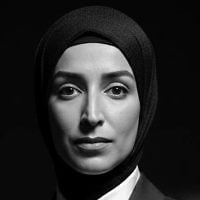
My Bedouin mother wears a niqab. She voted for a better future
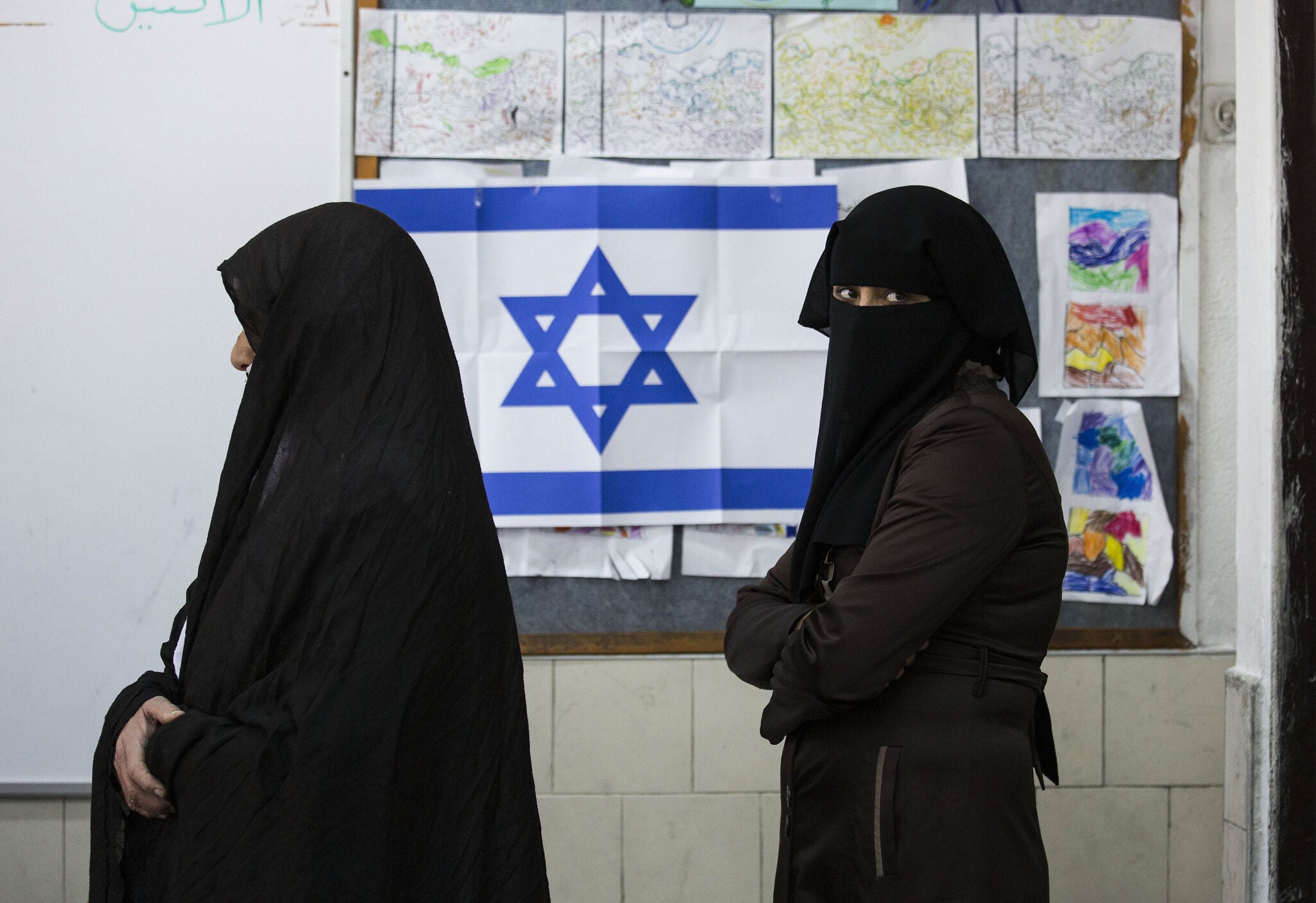
Photographs of Bedouin women in the Negev region of southern Israel casting their ballots in the country’s recent election have raised mixed emotions. For some, there was excitement about the surge in Arab voting turnout. But for too many Israelis, the prospect of Arab Israelis fulfilling their most fundamental democratic right has led to apprehension, and even suspicion.
How could so many of them be voting? Do they even understand whom they are voting for? Perhaps the men decide for them? If they don’t drive, how did they get to the polling stations? They wear veils, so surely there will be fraud. And why should we have to see these images at all? Are we living in a Muslim country?
These are just some of the comments bandied about on social media and even by a few “analysts” in the mainstream media. For some of those commenting, the very presence of Bedouin women at the polls became something that demanded explanation and justification.
I want to tell you who these women are, and I’ll start with my mother.
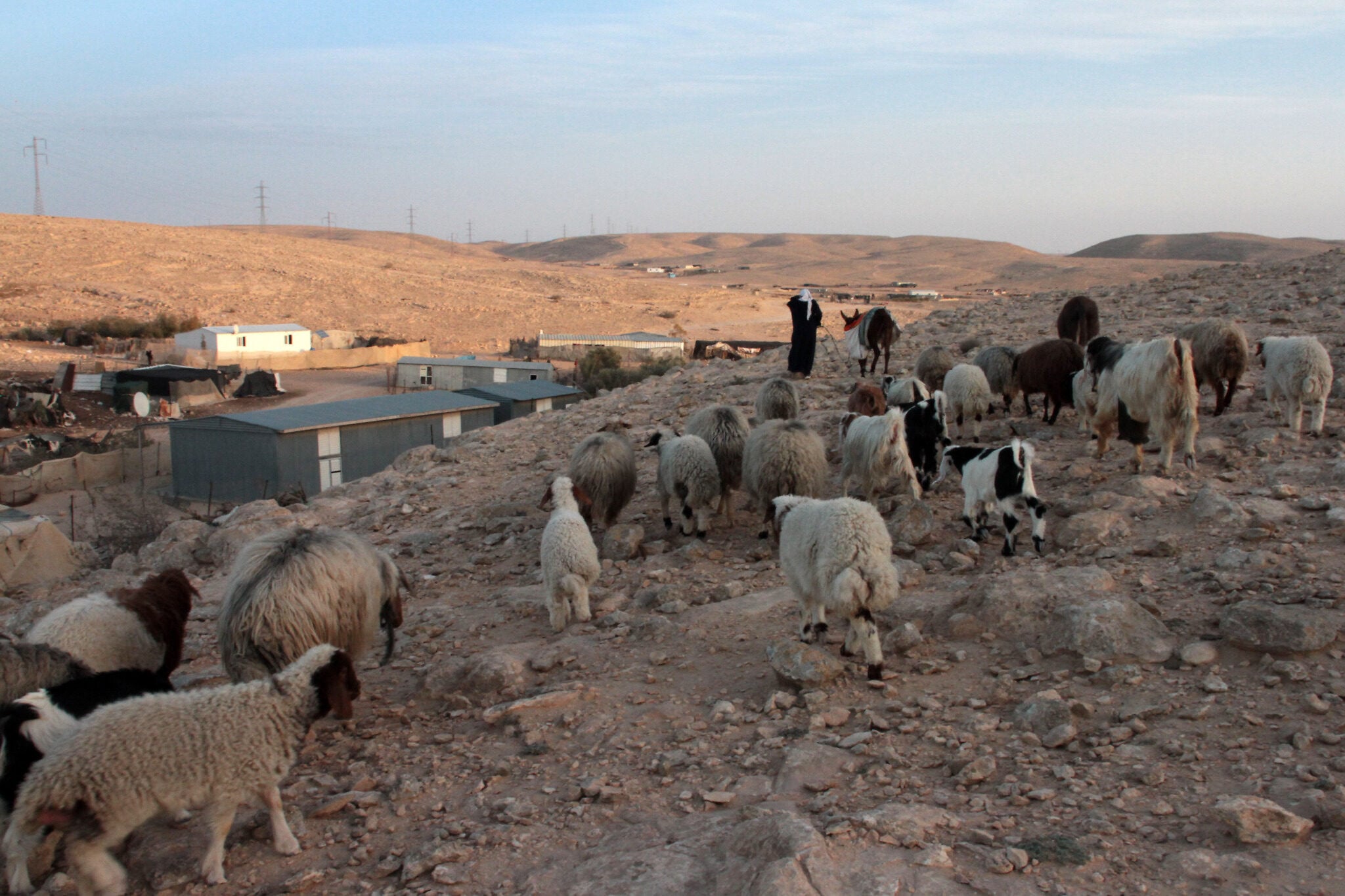
My mother wears a niqab – a full face veil. She tended her flock to pay for my education. Day after day, even in the scorching heat of the Negev, she went out with the animals so that I could study and get ahead. I doubt that those who speak so condescendingly about women like her could endure even a single day of that work. Today, I am a postdoctoral researcher. My path to academia was paved, in part, by her hard work.
In winter, my mother spread a shadar, a sheet of tarpaulin, over our home to protect us from the rain that seeped inside. During the Negev summers, she would wait for us with a donkey at the bus stop to make the journey home easier in the intense heat. And now, people who know nothing about her life come along and declare that she is incapable of exercising independent judgment.
Like my mother, many other Bedouin women rise early each morning to begin another day of work for their homes and children: milking the cow or sheep, gathering eggs from the chickens in the yard, and preparing food for their families. Day after day, year after year. This work demands strength, responsibility, planning, and creativity. All of that is difficult to see when you look at a woman and see only a veil.
Over the past decade, growing numbers of Bedouin women have pursued higher education and entered the workforce. According to the 2024 Statistical Report of Nagabiya (a Bedouin society research hub), women accounted for 81% of undergraduate students from Bedouin communities in the Negev during the 2021–2022 academic year: 3,349 out of 4,144 students (based on the Central Bureau of Statistics).
Choosing to pursue an education under the conditions in which much of the Bedouin community lives is no simple decision. Many of these young women come from communities that lack basic infrastructure or accessible public transportation. Sometimes they must walk long distances just to reach a road or the nearest bus stop. And yet, they choose to do so.
The employment situation has also changed. According to figures presented by the government, the employment rate among Bedouin women in southern Israel rose from 15% in 2014 to 31% in 2024. This is progress, but it has occurred alongside, and despite, significant barriers that continue to limit their ability to earn a decent living.
When there is no accessible childcare, no transportation, and no workplace nearby, the desire to work is not enough. According to the National Insurance Institute’s 2024 Poverty Report, 52.7% of children in Rahat lived below the poverty line. In Abu Tulul, the figure reached 71%. These are children whose mothers are trying to provide them with food, a roof over their heads, and the opportunity for a better life, only to encounter seemingly insurmountable obstacles.
To me, these living conditions reflect a longstanding policy of neglect and disregard for the Bedouin population. The message this policy conveys is that deprivation can wear us down until we agree to whatever solution is offered to us. Every day, women are forced to find ways to survive within this reality, manage their households, and raise their children. And then, when they turn out to vote in an effort to change that reality, even their votes are treated with suspicion.
The Bedouin women I know are the most creative women I have ever met. They find solutions to problems that others never even have to consider: how to clean the housh, the courtyard of the home, under the conditions they face; how to protect their homes from the rain; how to get to school; and how to raise a generation of educated, independent, principled women and men.
Anyone genuinely concerned about the well-being of women should demand protection, resources, and independence for them. But using their suffering to humiliate them and cast doubt on their votes only compounds the harm.
Even before the election, there were news reports about allegations of voter fraud in Arab communities and the issue of identifying women who wear veils, despite the absence of any evidence of fraud of this kind. In my view, the degrading rhetoric about Bedouin women serves precisely this purpose: to turn votes that are politically inconvenient into votes that are viewed with suspicion.
But Bedouin women’s votes are a demand for change in their living conditions: to secure a roof over their heads for themselves and their children, to escape poverty, to find accessible and suitable employment, and to earn a decent living. A woman who experiences this deprivation day after day knows exactly what she wants to change. Her lived experience is a source of knowledge and political awareness.
Like so many other Israelis, Bedouin women showed up in record numbers on Election Day to actively participate in our democratic system and make our voices heard. Instead of questioning their motivation, let’s embrace their civic awareness and hope that their political integration will lead to a desire of all Israelis to close the still existing gaps in our society.