British Student Defending Israel
My university secretly monitored me for standing with Israel
CCTV Image of me getting a Coffee and a Sandwich from the University Library Cafeteria
Secretly monitored for standing with Israel: my university’s 1,465-page dossier.
I am the British pro-Israel student whose university compiled a 1,465-page file documenting my movements, activities, friendships and personal life. What began as a story about my treatment at Royal Holloway has since become a national and international news story, making the national front pages and attracting coverage across Britain, Israel and the United States.
The sheer absurdity of the level of monitoring, alongside a secret referral to counter-terrorism authorities in the context of my outspoken Zionist and pro-Israel views and support for Israel in its fight against Islamist terrorism in the Middle East, has attracted widespread attention. I have since spoken to and been featured by The Telegraph, The Times, GB News, TalkTV, Israel’s Channel 12 and Channel 11, among others. The story has raised serious questions about freedom of expression, university surveillance and the treatment of students who stand up for Israel and Britain’s Jewish community.
There is something profoundly disturbing about discovering that the university you attend has been documenting your movements, activities, friendships and personal life on an extraordinary scale. I know, because it happened to me.
A report by The Telegraph, subsequently reported internationally across Britain, Israel and the United States, has revealed the extent of Royal Holloway’s monitoring of me through extensive documents obtained under a Subject Access Request. The disclosure comprised 1,465 pages of records, including CCTV images, internal emails, social media monitoring and staff correspondence documenting my activities. Many of which were redacted.
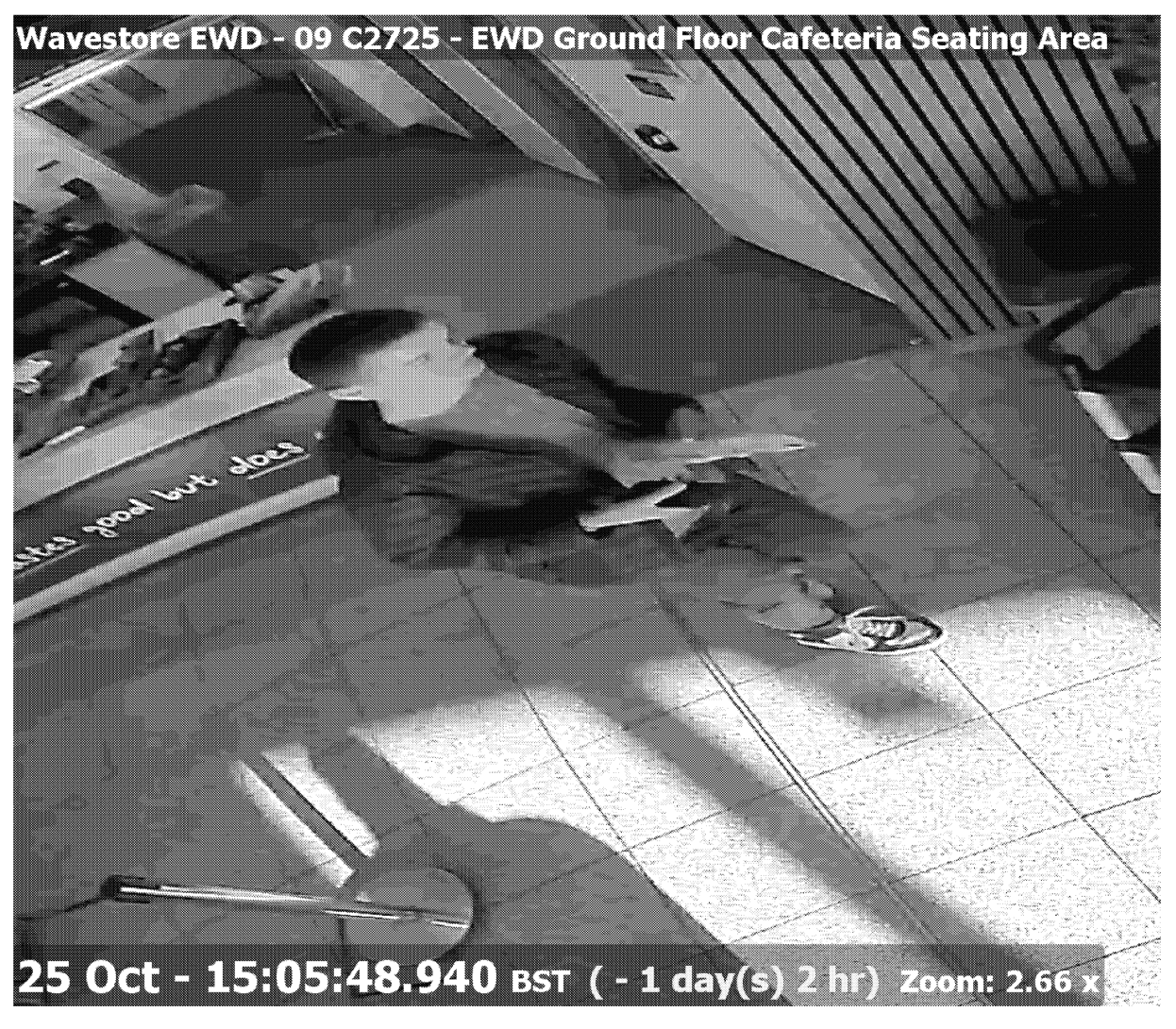
This was not simply a university keeping a reasonable record of a student. The documents included discussions about me getting a sandwich and coffee, entering campus buildings, attending a religious remembrance service in the university chapel, and travelling to Golders Green to show solidarity with Britain’s Jewish community following a terrorist attack.
Stop and think about that for a moment. Why was my visit to Golders Green considered something worth documenting? Why were ordinary aspects of my daily life being recorded and circulated among senior university staff? How closely was I actually being watched? As someone who studies and lives on site and has one more year to go, this is really frightening.
I am a politics, international relations, and law student. I am not a terrorist. I am not a member of an extremist organisation, and I have never been found to be involved in terrorism. Yet my experience included a 9 week suspension, a 1-year police investigation, a Prevent referral and now revelations about the extent of institutional surveillance. I have been treated as a walking terror threat for supporting Britains jews and the World’s Jewish state.
The Prevent referral itself included extensive references to my pro-Israel views, despite the university acknowledging there was no evidence connecting me to extremist groups. Counter-terrorism police subsequently closed the referral, finding no evidence that I was being drawn into extremism or terrorism. The separate police investigation was also closed without any further action.
There are serious questions that Royal Holloway, University of London must answer.
Universities should be places where young people can challenge conventional thinking, debate controversial topics, express political opinions and stand alongside communities experiencing discrimination. They should not be places where students feel they are being stalked for doing precisely those things.
What message does this send to a student who witnesses antisemitism on campus? That speaking up might result in their movements being documented, their social media scrutinised and their private relationships examined? That keeping quiet is the safer option?
That is the chilling effect we should all be worried about. This is far from normal, rather Orwellian.
I am particularly concerned about the resources, the money, and attention being directed towards monitoring peaceful student activity when genuine extremism, whether Islamist or far-right, remains a serious national security concern. Universities have safeguarding responsibilities, but those responsibilities must be exercised proportionately, transparently and with proper accountability.
I am not suggesting universities should ignore genuine threats. Of course they should act when there is credible evidence of danger to the student body. But there must be a clear distinction between identifying extremism and scrutinising students because of their political views, friendships or peaceful activism. Supporting jews and Israel is far from developing an extremist mindset.
I refuse to let this experience become a warning to other students to stay silent.
I am a northerner who speaks his mind. Not everybody will agree with me. That is precisely the point of freedom of expression.
I will continue standing against antisemitism, supporting Britain’s Jewish community and defending Israel. No university suspension, police report, Prevent referral or institutional surveillance will change that.
I was a student, not a suspect. Disagreement is not extremism. And no student should have to choose between speaking their mind and feeling safe at university.
Follow my updates and continued coverage on X: @BrodieMitchell1
Related Topics
Related Posts