
Why was the US ambassador at Netanyahu’s court hearing?
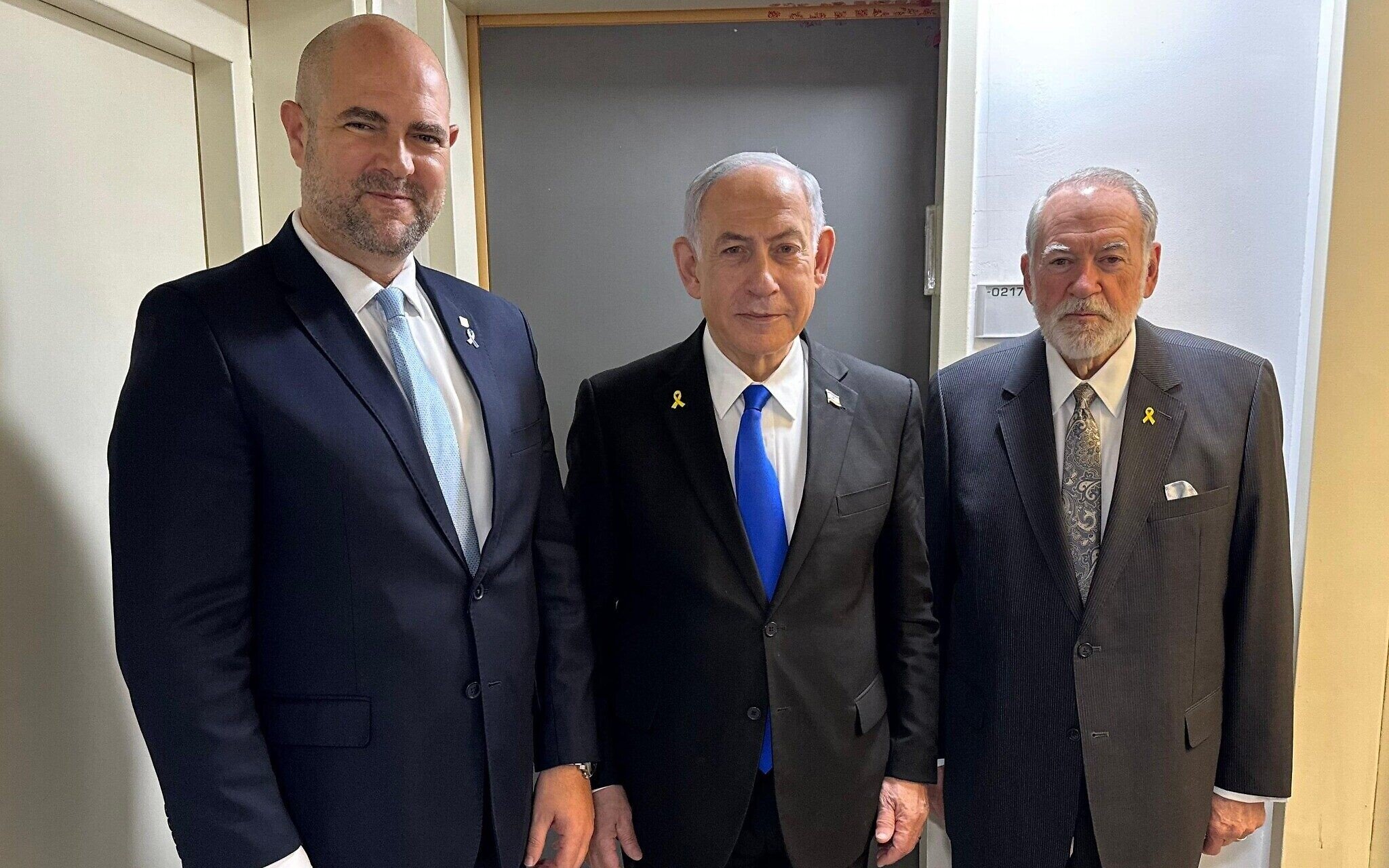
In an extraordinary and deeply troubling move, US Ambassador Mike Huckabee appeared Wednesday at the Tel Aviv District Court during Prime Minister Benjamin Netanyahu’s ongoing corruption trial. His presence was not merely symbolic; it carried a clear political message. Huckabee echoed President Donald Trump’s demand to “end the witch hunt” against Netanyahu, reinforcing the notion that the legal proceedings are unjust and politically motivated.
This was no routine diplomatic observation. It was a calculated gesture of solidarity with a sitting prime minister on trial for bribery, fraud, and breach of trust. It marked a profound breach of diplomatic protocol and a troubling intrusion into Israel’s internal judicial processes.
While Israel and the United States maintain a close alliance, such friendship must never come at the expense of institutional boundaries. For a foreign envoy to physically attend a courtroom proceeding, mid-trial, and publicly align with the defendant’s narrative is nothing short of inappropriate. The message it sends, both domestically and internationally, is dangerous: that foreign powers may pick sides in active judicial cases.
Judicial legitimacy in any democratic society depends on public trust in the courts’ neutrality, procedural fairness, and insulation from political pressure. Huckabee’s appearance, cloaked in the language of friendship, undermines these foundations. It lends credence to the idea that courtrooms are extensions of political battlegrounds, rather than bastions of impartial justice.
RELATED: In show of support, US ambassador Huckabee attends Netanyahu’s criminal trial
Let there be no mistake: this was not an innocent show of support. It was a deliberate act of political theater, timed and executed to reinforce Netanyahu’s narrative of persecution. One would be hard-pressed to find any precedent in US–Israel relations or in any Western democracy of an ambassador so blatantly disregarding the principle of judicial non-intervention.
Imagine, for a moment, the Israeli ambassador to the United States showing up at a high-profile criminal trial of a former president, publicly voicing support and accusing the legal system of bias. The outcry would be immediate and justified. Why, then, should Israel tolerate such conduct on its own soil?
In a time when Israel’s democratic institutions are under strain, from constitutional upheaval to growing public distrust in government, respect for judicial independence must be absolute. Courts must not be arenas for foreign political actors, regardless of their affiliations or intentions.
The rule of law is not negotiable. Not for allies. Not for ambassadors. Not for politics.