I believe in independent, clear, and courageous journalism – especially where injustice is being silenced
‘Never again’ is not a slogan: What I saw inside Yad Vashem
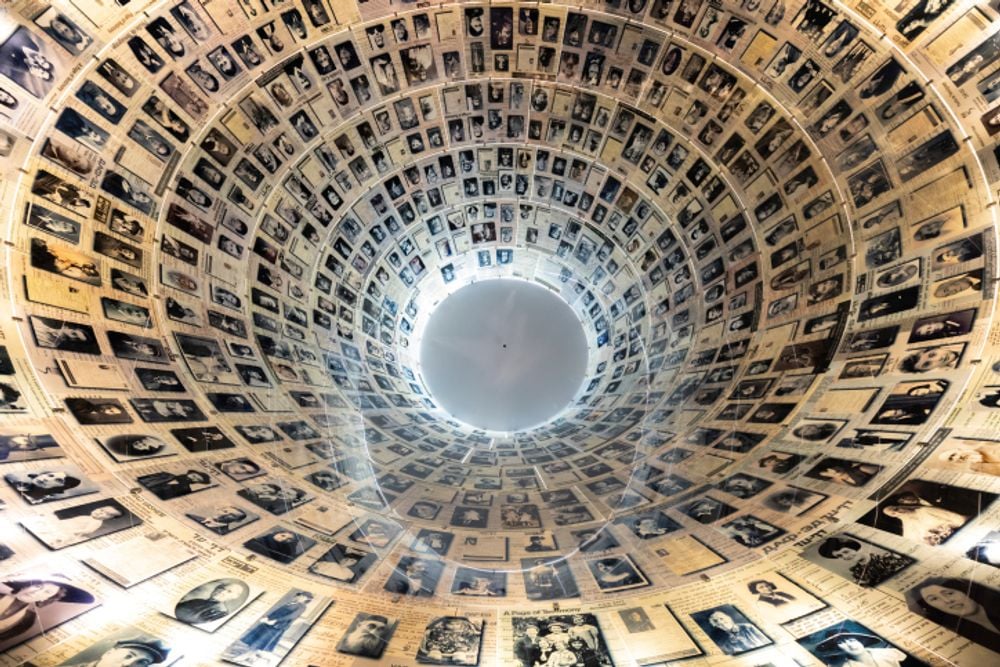
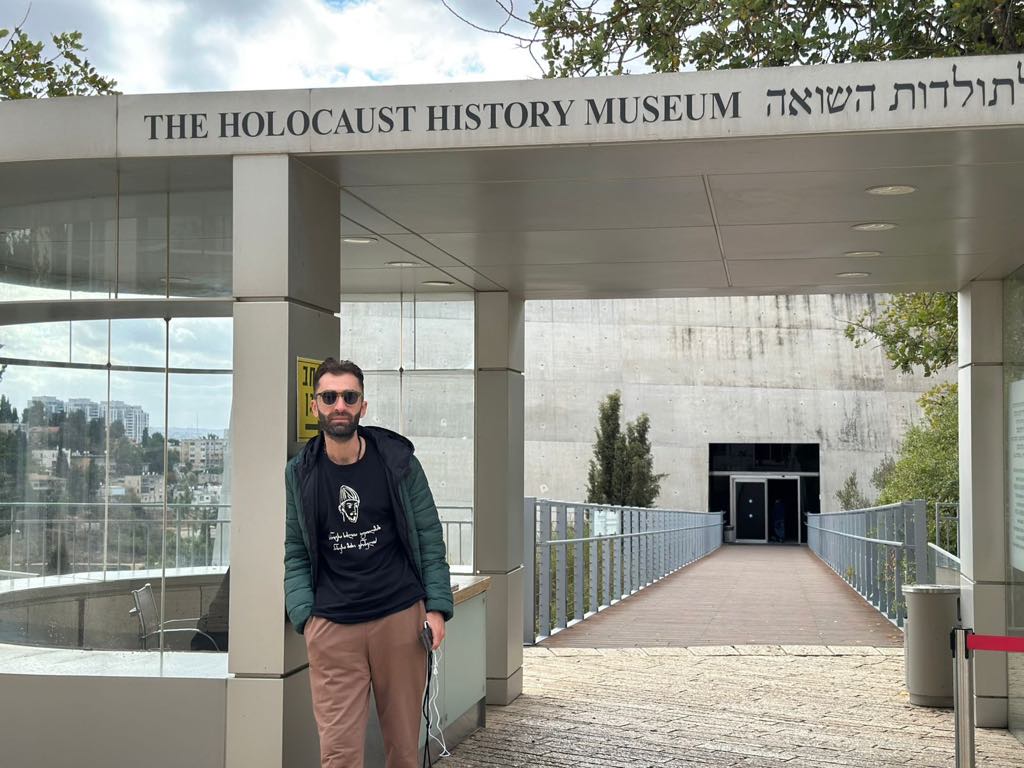
Photo by Katie Zaalishvili
By Mikheil Khachidze, reporting from Israel
JERUSALEM – My first visit to Yad Vashem, Israel’s Holocaust memorial and museum, is something I will carry for the rest of my life. I have visited former concentration camps before — Auschwitz, Dachau, Mauthausen — but nothing quite prepared me for this.
Yad Vashem is not just a museum. It is a cry against forgetting.
It exists to explain, in painful detail, how antisemitism — one of history’s oldest hatreds — led to the Shoah. And it insists on one lesson above all: Never again must not become an empty phrase.
The museum takes visitors on a chronological journey: from centuries of European antisemitism, through the rise of Hitler and the Nazi regime, to the systematic murder of six million Jews. Personal items — shoes, photographs, family letters, even strands of hair — are displayed with care. They do not scream for attention. They whisper of lives taken.
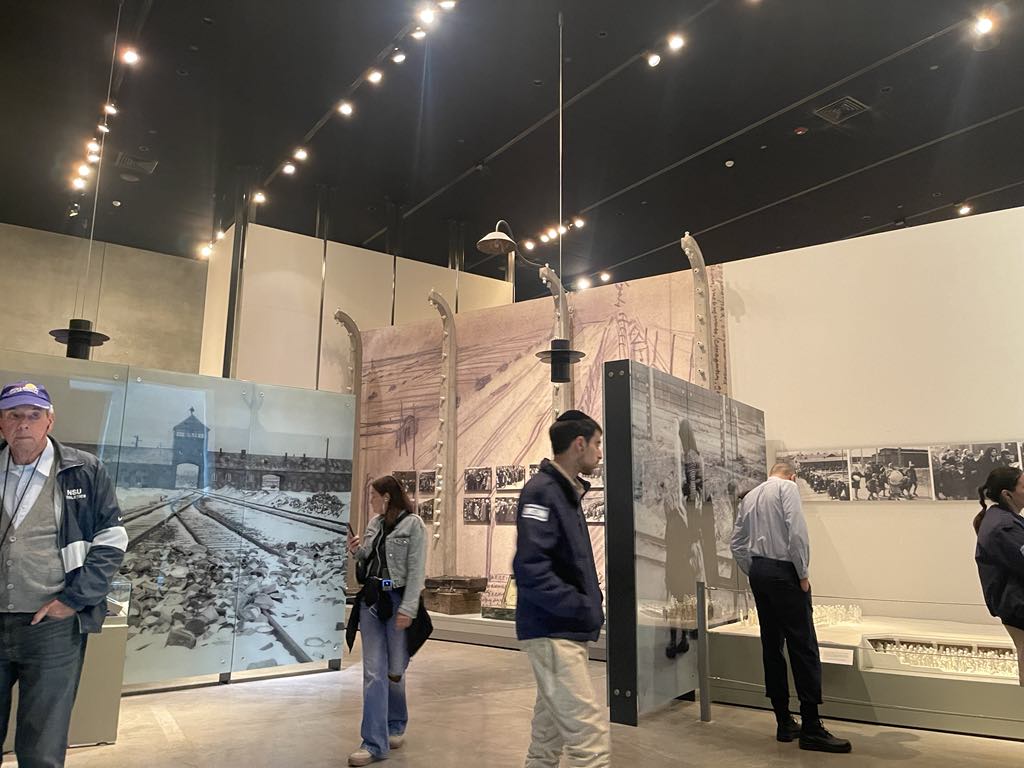
One gallery holds hundreds of shoes stripped from Jewish prisoners before they were herded into gas chambers. Another preserves cherished belongings: a child’s doll, a wedding ring, a violin. A wall is covered with photographs of families that no longer exist. There are videos and survivor testimonies — some silent, others unflinching.
But nothing shook me more than the Children’s Memorial, a darkened space dedicated to the 1.5 million Jewish children murdered during the Holocaust. Inside, six candles are reflected by angled mirrors, creating the illusion of endless lights. As the names and ages of children are read aloud — one after another, without end — the air itself feels heavy with grief.
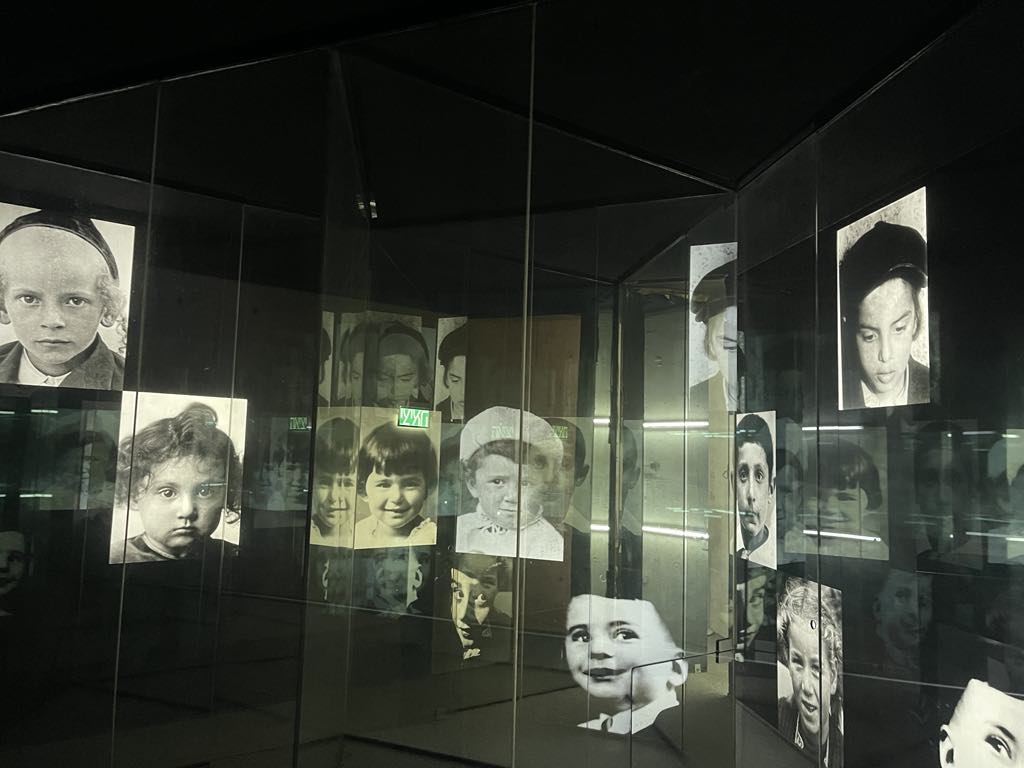
This is not a place for comfort. It is a place for confrontation — with humanity’s capacity for cruelty and with our shared responsibility to prevent it from happening again.
Yad Vashem is also a monument to those who resisted. Among its most moving spaces is the Avenue of the Righteous Among the Nations, where more than 2,000 trees honor non-Jews who risked their lives to save Jews. They remind us that even in the darkest times, individuals had the courage to say no.
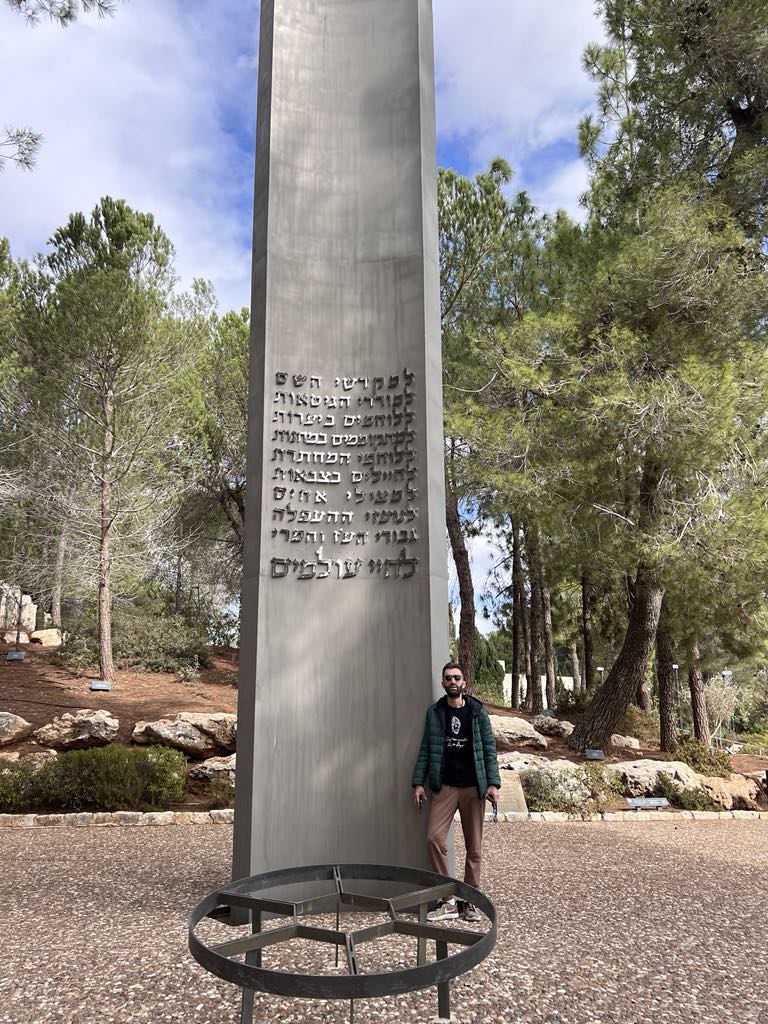
The museum’s design, by architect Moshe Safdie, cuts through Mount Herzl like a scar — a prism of steel and concrete, part above ground, part underground. It ends in the Hall of Names, a circular structure with shelves full of binders — each one holding testimonies and records of known victims. The ceiling, conical and glass, reflects photos of those remembered.
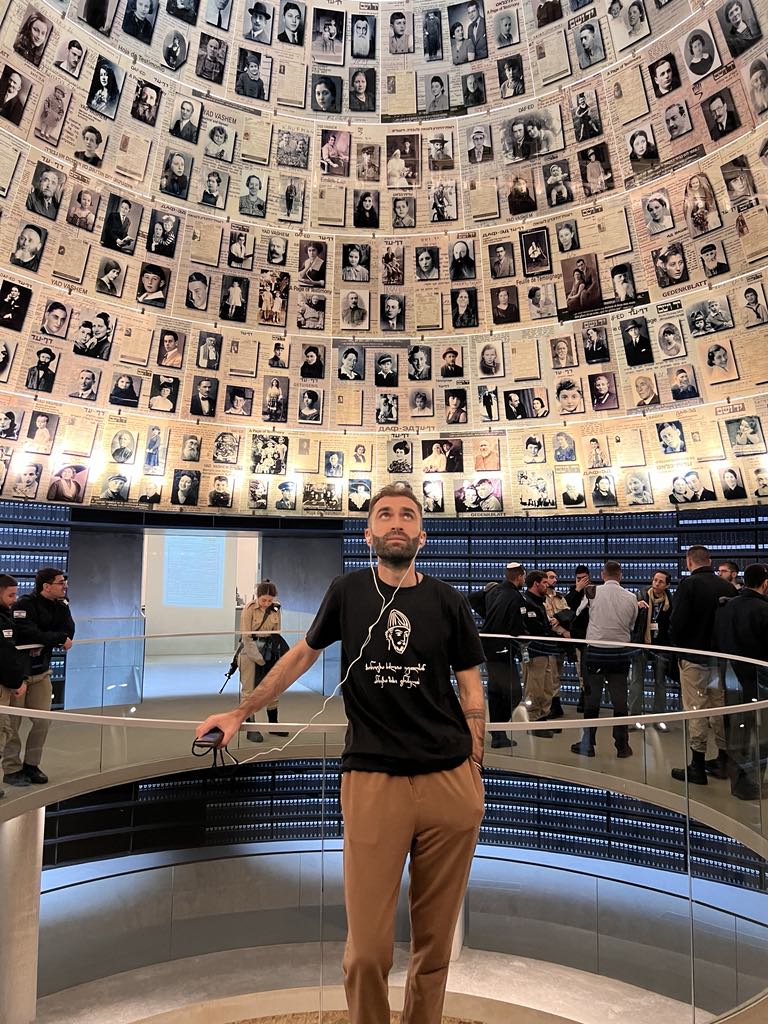
Visiting Yad Vashem is emotionally draining, but morally essential. It is one of the most powerful experiences available in Israel — or anywhere.
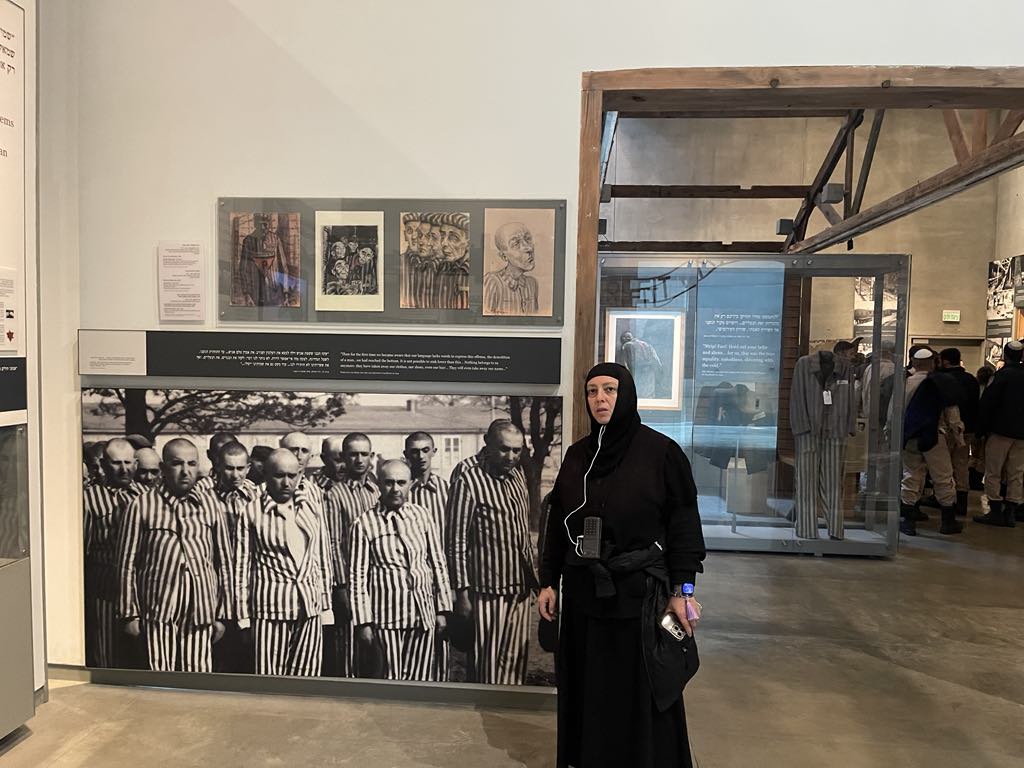
I left Yad Vashem not with answers, but with questions. And a deeper understanding of why antisemitism, in any form, must be fought — not just in Israel, but everywhere.
If you come to Jerusalem, don’t miss this place. It will change how you see history. It might even change how you see yourself.
Related Topics