

New York: A geopolitical mirror
A symbolic turning point or a political illusion?
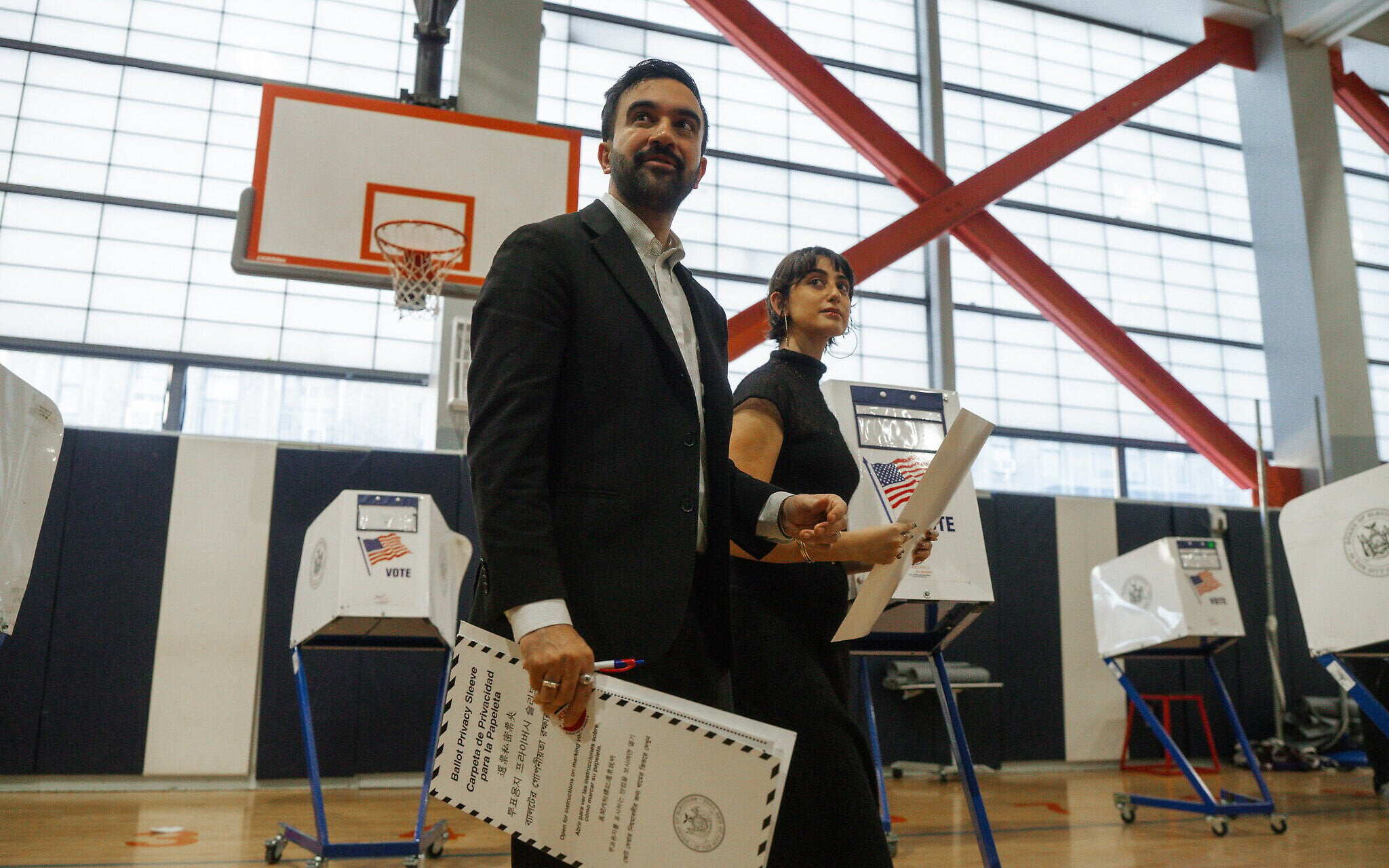
Zohran Mamdani won the mayoralty of New York; it is much more than a municipal upheaval, it is a global political signal. The election of a mayor from the most left wing of the Democratic Party, known for its critical positions towards Israel and for its support for radical socialism, reshapes the American political landscape while projecting, internationally, the image of a fractured America in its relationship with the Middle East.
New York is not like other cities. It is, above all, a mirror of the country. The election of Zohran Mamdani—a leading figure of the Democratic Socialists of America—symbolizes the breakthrough of the radical left in a city considered a center for liberalism . By becoming the first socialist mayor in a century, Mamdani upsets the internal balance of the Democratic Party and reinforces tensions between its center and its militant fringe, like Alexandria Ocasio-Cortez or Ilhan Omar.
This victory opens a new front between the town hall and Washington. In a situation where the White House is concerned about keeping stable relations with Israel, Mamdani’s anti-Zionist rhetoric can become a source of political and media tension. Washington will undoubtedly try to put a limit on a mayor who is seen as too ideological , even if it means accentuating the already explosive polarization of the American landscape.
At the local level, the community issue immediately becomes central. New York has almost 1.6 million Jews, more than any other city in the world except for Israel. Many people already think Mamdani is hostile because he supports the BDS movement and doesn’t agree with the International Holocaust Remembrance Alliance’s (IHRA) understanding of anti-Semitism. His election raises up identity conflicts and further fractures a city that is already very divided along political and racial lines.
This kind of division could make it harder for people to get along in a city that has built its strength on diversity. The municipal police (NYPD), already wary of a candidate in favor of downsizing and a deep reform of urban security, risk entering into open friction with the local executive.
On the international scene, the effect of this election is above all symbolic but of considerable significance. The mayor of New York does not define American foreign policy, but his media and diplomatic influence is real. On the other hand, a mayor who is openly critical of Israel and more lenient towards pro-Palestinian movements will be seen in both Tel Aviv and Washington as weakening the historical consensus between the two nations.
In the Arab world, some governments might present Mamdani’s victory as an ideological turning point or even as a symbolic revenge against the domination of pro-Israel discourse.
But this rupture has a cost: In the midst of global geopolitical recomposition, the United States needs strategic unity. A city like New York, if it becomes the scene of permanent ideological clashes over Israel, the police, or immigration, risks projecting outside the image of a fragmented America, unable to speak with one voice.
Zohran Mamdani’s victory is therefore both a political earthquake and a geopolitical illusion. in the geopolitics of the 21st century, symbols—especially when they come from New York—can sometimes weigh as much as a decision by the White House