


Mathematics Teaching Professor, Author
Northern Beacon of Jewish Legacy: Exploring the Jewish Museum Trondheim, Norway
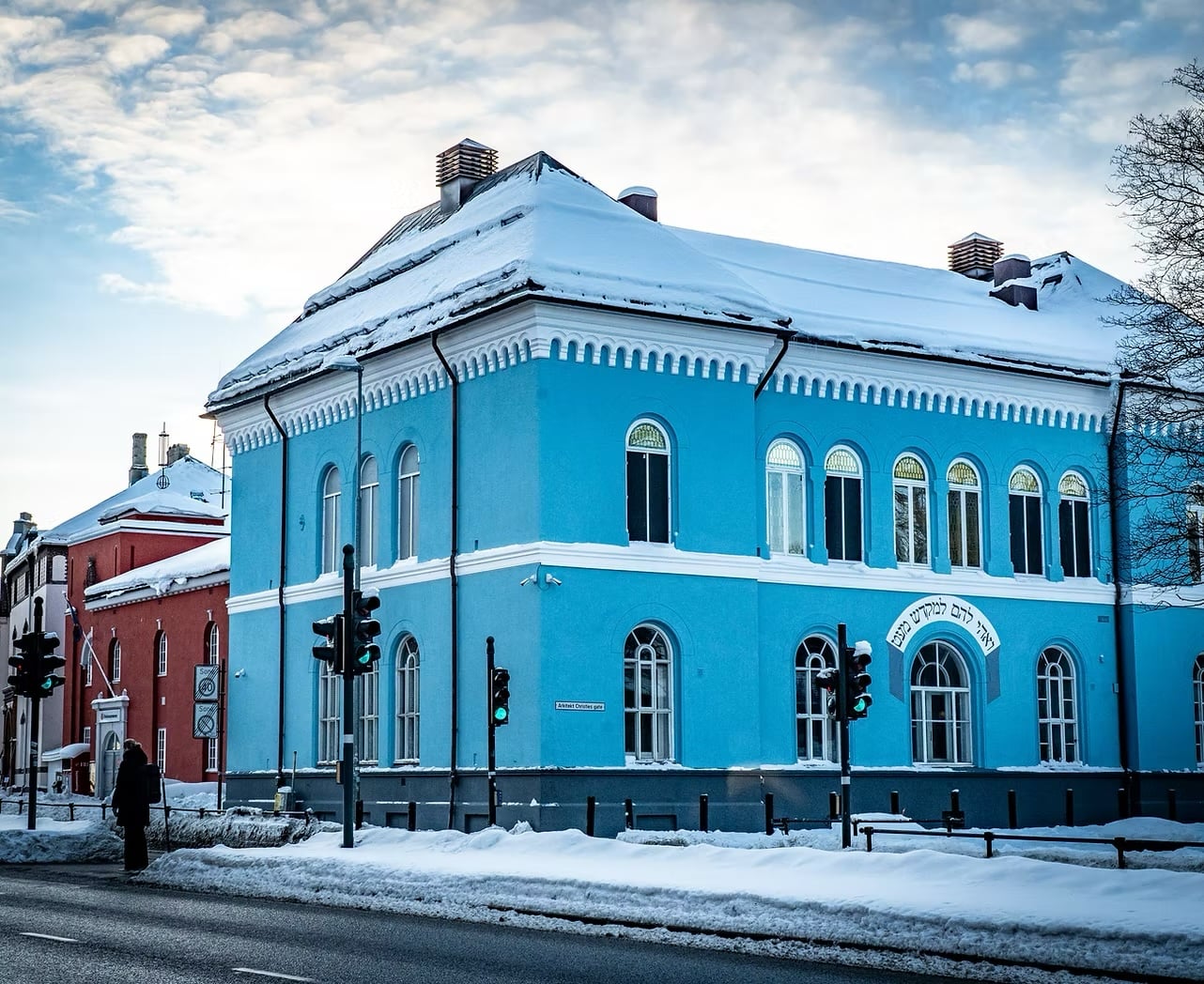
Jewish Museum Of Trondheim (Source: Jewish Museum Of Trondheim, Norway)
The Jewish Museum Trondheim, located in the historic Trondheim Synagogue, preserves and shares the history, culture, and heritage of the Jewish community in Northern Norway and Svalbard. As a museum dedicated to a national minority, it focuses on research, education, accessibility, and inclusive storytelling through collections of objects, photographs, and historical sources.
The museum and synagogue share the same building, making the site both a place of worship and a center for cultural learning. Trondheim’s synagogue is especially unique as the northernmost synagogue in Europe and the only one that was once a railway station before becoming a synagogue in 1925.
I would like to thank the esteemed Ulf Ingemar Gustafsson, Museum Director, Jewish Museum of Trodnheim, for his support and guidance.
Museum and Synagogue
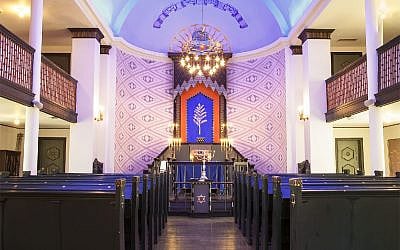
The Jewish Museum in Trondheim, Norway, is housed in the same building as an active synagogue on the upper floor, one of the northernmost synagogues in the world. The museum, located on the ground floor and in the basement, explores the history of Jewish life in Central and Northern Norway and features a permanent exhibition on the Holocaust.
Exhibitions
The Jewish Museum Trondheim features exhibitions that explore Jewish history, culture, and life in Norway. Three key exhibitions include “From Shtetl to Diocese”, “Homecoming 1945-1947”, and “Home. Away. Holocaust in Trondheim“, each presenting different chapters of Jewish life and history in the region.
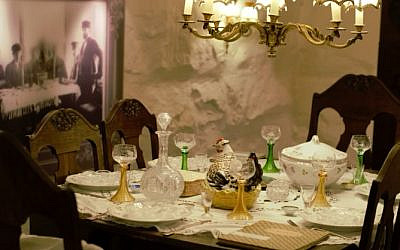
“From Shtetl to Diocese” is an exhibition that tells the story of Jewish immigrants who settled in Trondheim in the late 19th century. It explores how they built new lives, preserved their traditions, and balanced their Jewish identity with integration into Norwegian society.
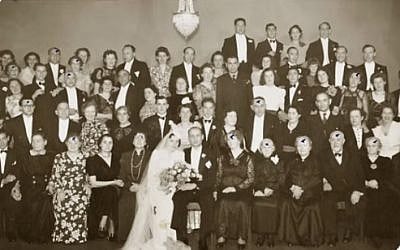
“Homecoming 1945-1947” is an exhibition that focuses on the experiences of Jewish survivors returning to Trondheim after World War II. Through personal stories, photographs, documents, and objects, it portrays the hope, loss, and challenges of rebuilding their lives.
“Home. Away. Holocaust in Trondheim” is an exhibition that honors the 16 Jews from Trondheim and the surrounding region who were killed during the Holocaust. Using personal stories and historical materials, it commemorates their lives while reflecting on the lasting impact of the Holocaust on the local Jewish community.
Collections
The museum’s collections preserve the stories of Norwegian-Jewish life through generations, using photographs, documents, objects, and personal memories. These collections provide insight into the history, traditions, and experiences of the Jewish community in the Nordenfjeldske region, making the museum an important archive of cultural heritage.
The Photo Collection at the Jewish Museum Trondheim preserves photographs of Norwegian-Jewish life across generations, documenting holidays, family events, religious ceremonies, businesses, and community activities. These images provide a personal view of Jewish experiences in Norway, bringing everyday stories and historical moments to life.
The Object Collection includes religious items, everyday belongings, artwork, and personal objects that reflect Jewish history, culture, and heritage in the Nordenfjeldske region. Each object carries a unique story, connecting visitors to the traditions, experiences, and memories of the Norwegian-Jewish community.
Archives
The museum’s archive preserves important records of Norwegian-Jewish history in the Nordenfjeldske region. It contains documents, letters, protocols, and other written materials that support research into family histories, migration, business, social and cultural development, as well as the experiences of Jewish communities during World War II and the Holocaust.
Digital Collections
The Jewish Museum Trondheim’s digital collections provide online access to a selection of objects, photographs, and documents that preserve and share Norwegian-Jewish cultural heritage. The collection currently includes 298 objects, 189 photographs, and 107 artifacts, featuring materials such as religious ritual items, personal belongings, family photographs, and historical documents.
Through digital platforms such as Digitalt Museum, these resources allow researchers, teachers, students, and the public to explore the history, traditions, and everyday experiences of the Jewish community in Norway from anywhere in the world. The digital collections make the museum’s historical materials more accessible while helping preserve and share important stories of Jewish life and heritage in the Nordenfjeldske region.
Education
The Jewish Museum Trondheim’s educational offerings are designed for different target groups and are based on competency goals for primary and secondary education. The museum provides adaptable teaching programs that can be adjusted to meet the needs and interests of schools and other educational institutions, allowing students to engage with Jewish history, culture, and traditions in meaningful ways.
“Norwegian-Jewish Traditions, Rites and Culture” is an educational program designed for students from grades 1 to 4 and 5 to 7 through that explores Jewish life, traditions, and practices in Trondheim and Norway. Through interactive activities, group work, and the study of ritual objects, students learn about Jewish symbols, holidays, beliefs, and what it means to be Jewish today. The program also includes an exploration of one of Europe’s northernmost synagogues, where students examine its features and learn about similarities and differences between a synagogue and other places of worship. The content can be adapted to different age groups and may include topics such as Jewish food traditions, ceremonies, and Norwegian-Jewish life today.
“Home. Away. The Jews from Trondheim” is an educational program designed for junior high school and high school students that explores the history and experiences of the Jewish community in Trondheim. It examines how the first Jewish immigrants made a living after arriving in Norway, what every day Jewish life was like in Trondheim before World War II, and what happened to the community during the Holocaust. Through historical sources, personal stories, and museum materials, students gain insight into migration, community life, persecution, and the lasting impact of the war on Norwegian Jews.
The museum also hosts a Jewish Cultural Festival celebrating the richness of Jewish culture and history through music, traditions, food, theatre, art, and more. The festival offers a welcoming space for people of all backgrounds to experience, learn about, and celebrate Jewish heritage and contemporary culture.
Historical Backgrounds
Jews first arrived in Norway in the late 19th century after restrictions on Jewish settlement were lifted in 1851, allowing Jewish communities to form in the country. Many immigrants came from areas such as present-day Poland and Lithuania, fleeing poverty and persecution, and the first Jewish families settled in Trondheim during the 1880s.
At the end of the 19th century, a small but steady wave of Jewish immigration to Norway began, with many immigrants settling in Oslo and Trondheim. At its peak, Norway had just over 2,000 people with Jewish backgrounds, and today around 1,500 people continue to maintain connections to this heritage. These early immigrants brought their faith, traditions, and cultural practices from Eastern Europe, creating the foundation for Norwegian-Jewish life that continues today.
By 1900, the growing community had established one of the northernmost Jewish communities in the world. Trade became an important part of Jewish life in Trondheim, with more than thirty Jewish-owned shops operating at the community’s peak. Although few physical traces of these businesses remain today, photographs, documents, and personal stories preserve their role in Trondheim’s history.
In 1925, the synagogue at Arkitekt Christies gate 1b opened in Trondheim, marking an important milestone in the history of the city’s Jewish community. However, the story of Jewish worship in Trondheim began decades earlier, when the first Jewish immigrants arrived around the 1880s. Before a permanent synagogue was established, religious gatherings took place in private homes and rented spaces, while the community gradually developed its congregation, cemetery, and traditions.
Over time, Trondheim’s Jewish community built a rich religious and cultural life, participating in sports, social activities, and public discussions. This period of growth was disrupted during the German occupation of Norway in 1940, when discriminatory anti-Jewish laws were introduced, eventually leading to the deportation and murder of many Jewish residents in Trondheim and across Norway.
Which brings us to 1997.
In 1997, Norway was experiencing rapid modernization while balancing its strong welfare traditions, agricultural roots, and emerging technology sector. For Trondheim, the year was especially significant as the city celebrated its 1,000th anniversary and hosted the FIS Nordic World Ski Championships, creating a period of cultural celebration and civic pride.
For the Jewish community in Trondheim, 1997 was also a historic year. Although the community was small, with around 150 to 200 members, it remained active in preserving Jewish heritage, remembering Holocaust victims, and maintaining cultural traditions centered around the Trondheim Synagogue. On May 12, 1997, the Jewish Museum Trondheim officially opened in the same building as the synagogue, marking an important milestone for the community.
Established as a gift from the Jewish community of Trondheim to the city during its 1,000th anniversary celebrations, the museum was created to preserve and share around 140 years of Jewish history, culture, and experiences in Northern Norway. Since its opening, the museum has grown into an important center for research, education, and preservation of Norwegian-Jewish heritage, connecting historical memory with contemporary Jewish life in Trondheim and the wider Nordic region.
Today, the Jewish Museum Trondheim preserves and shares the rich history of Jewish life in Norway, from early immigration and community building to the challenges of the Holocaust and the renewal of Jewish traditions today. As both a synagogue and museum, it stands as a place of remembrance, learning, and dialogue, ensuring that Norwegian-Jewish heritage and contributions continue to be recognized for future generations.
Contact Information:
Jewish Museum Of Trondheim, Arkitekt Christies gate 1B, 7012 Trondheim, Norway
Phone: +47 40 16 98 01
Email: post@jodiskmuseum.org
Website: https://www.jodiskmuseum.org/