


Unapologetically Explaining Israel and Sharing the Jewish Light.
Northern Syria on the Brink: Why the Kurds Matter to Israel and the Region
The tragedy unfolding in northern Syria is not new. It’s a pattern that repeats when the world turns away. Today, the Kurds are once again facing threats from Islamist extremists, and history shows that such crises rarely stay contained.
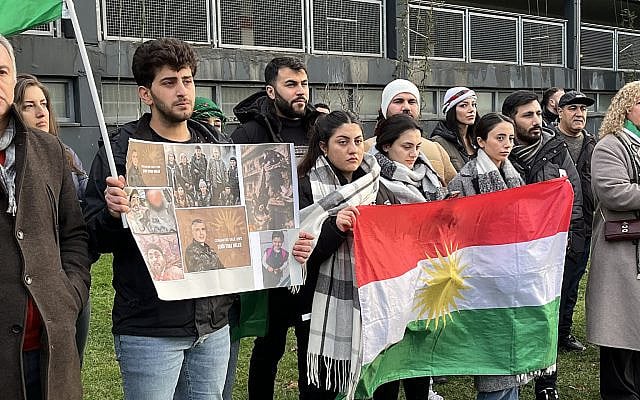
Reports from Deir ez-Zor indicate movement of detained ISIS jihadists, raising fears of a renewed wave of violence. This region, along the Euphrates, is more than strategically important. It is a land with deep historical significance. Abraham lived here, interacting with people of different faiths and building communities based on coexistence, respect, and dignity. Today, the Kurds uphold many of those same values, from pluralistic governance to the protection of human rights, but extremist forces aim to destroy them.
The Kurds have long been on the frontlines, fighting ISIS at immense cost and building governance systems that bring stability to a fractured region. Yet, as geopolitics shift, they are abandoned. Their security, their future, and even their very lives are treated as expendable.
Without decisive action from the U.S., Kurdish-held areas west of the Euphrates are at serious risk. Meanwhile, the idea that Abu Mohammad al-Julani is a “legitimate partner” must be seriously questioned. In Rojava, civilians face terror, communities are displaced, and cultural identities are under attack. Leaders are measured by the actions of their forces — and al-Julani’s track record speaks volumes.
For Israelis who witnessed October 7, the terror in Rojava will feel painfully familiar: psychological warfare, public humiliation, and targeted violence aimed at breaking communities and driving them from their land. Turkey, using proxies in northern Syria, deliberately destabilizes the region while extending its influence — all under the cover of plausible deniability.
This is not only a Kurdish crisis. Non-Islamist minorities like the Kurds and Druze are critical allies in the fight against extremist expansion — and natural partners of Israel. Since October 7, I have seen Kurdish voices openly supporting Israel, often at personal risk.
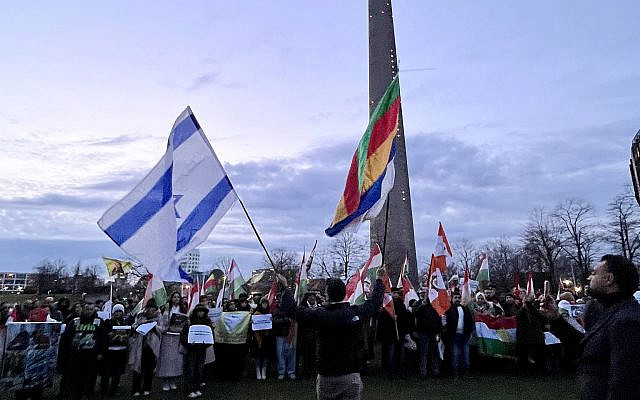
Jews and Kurds share a deep historical connection: both peoples have endured exile, persecution, and abandonment, yet remain resilient and committed to coexistence. The systematic dismantling of Kurdish society is a tragedy for the region — and for the principles that sustain it.
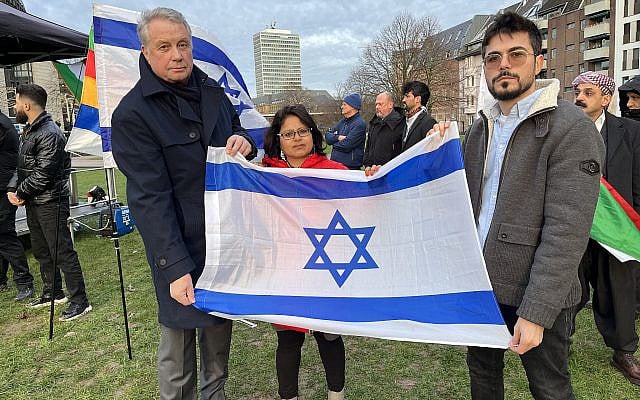
Western media often avoid a simple truth: when Islamist forces dismantle one minority’s autonomy, they move on to the next. Israel’s commitment to the Druze is clear — but deterrence only works if applied early. If the West remains passive, Kurdish power will weaken, buffer zones will disappear, and extremist forces will advance toward Israel’s borders — the Golan, southern Syria, and beyond.
Supporting the Kurds is both moral and strategic. Erdogan’s Turkey destabilizes the region and promotes hostility toward Israel. Misjudged alliances, like his Trump-appointed role in the Gaza peace plan, offer stark lessons in regional geopolitics. Israel has no territorial ambition in northern Syria—but an unbroken belt of Islamist-controlled territory poses a direct threat.
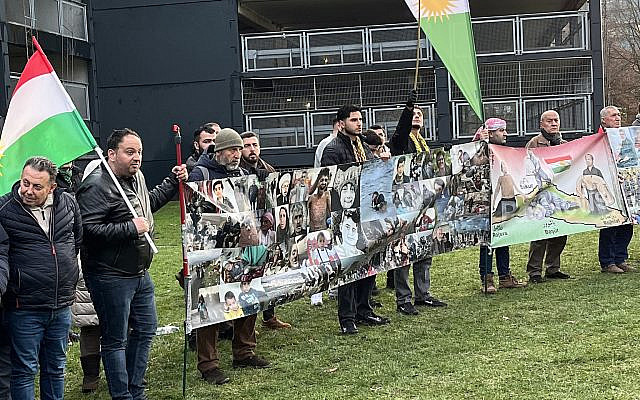
Protecting the Kurds maintains a vital buffer for Israel — but it is primarily a matter of humanity. Their lives, society, and values—respect, coexistence, dignity, and resilience—matter. Staying silent is to abandon both a people and the principles that make the region worth defending.
The time to act is now. Intelligence must be shared, diplomatic and military pressure applied, and deterrence communicated clearly to Ankara and Damascus. Stand with the Kurds. Preserve the buffer. Defend their humanity, and ours.