Not studying, not serving – and now, not funded
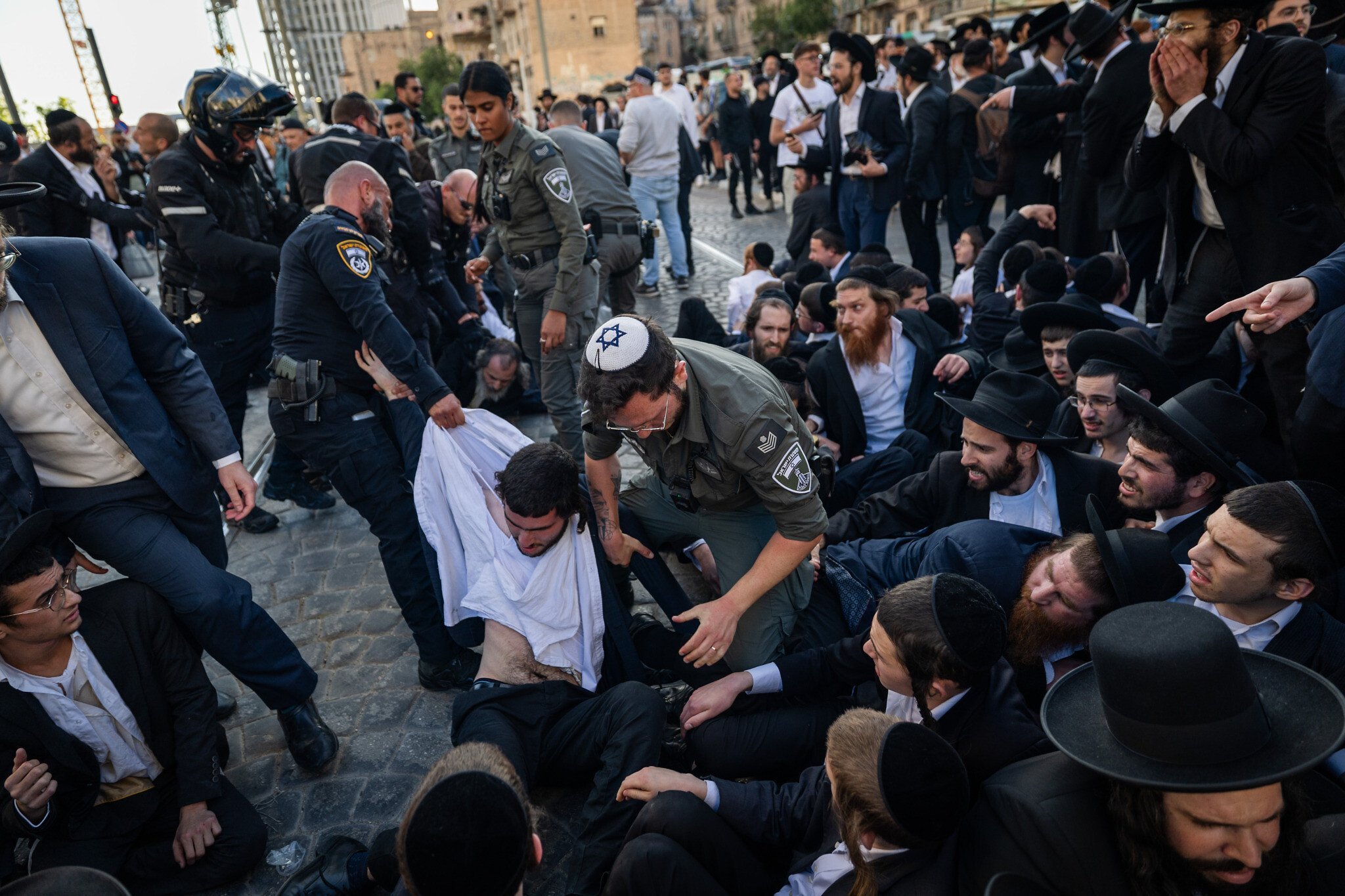
Last week, the attorney general gave instructions to halt government funding via the Ministry of Social Affairs for yeshivot with young Haredi students who have dropped out of the institutions dedicated to full-time Torah study. These institutions are designed for young Haredim who find it difficult to engage in religious studies throughout the entire day. They face less academic pressure, and are offered classes on other subjects than full-time Talmud study. Social activities are also part of the programs, though they are not generally accepted in the rest of the yeshiva world.
Funds had been budgeted for these “drop-out yeshivot,” despite the High Court ruling last year that cut funding to yeshivas that do not comply with the court’s ruling that eligible Haredi men need to be drafted to the IDF. And these programs were receiving that funding, even though no yeshivas where Haredim were evading the draft were supposed to be receiving state funding. The attorney general’s instructions simply upheld with the Supreme Court ruling requiring the cessation of funding to yeshivot and kollels for students who are obligated to enlist in the IDF.
Though this step stems from the expiration of the exemption from military service previously provided by law, it reflects an escalation and a fundamental change in the rules of the game, against the backdrop of the anger and pain of the secular and national religious publics over the absence of Haredim from mandatory military service. This time, legal measures are being focused directly at those who are not studying full-time and to whom mandatory enlistment applies at the relevant age (17–23).
The very existence of these innovative educational frameworks where Torah study is not a full-time endeavor openly violates the Haredi position that the community’s leaders are trying to justify, but which itself is unacceptable to the majority of the public who do serve in the IDF. That is, the Haredim claim that yeshiva students make a highly valuable contribution to the defense of Israel by studying Torah, which helps protect the Jewish people from a spiritual or metaphysical plane. That holy work should therefore exempt them from military service.
But that same argument undermines army exemptions for Haredi youth who have dropped out of mainstream educational institutions, since in the so-called “drop-out yeshivot,” Torah study is secondary to other activities. The programs and the individuals prioritize casual and unreported employment, extracurricular activities, and even prestigious leisure activities in Israel and abroad, as previously revealed in media investigations.
Despite the attorney general’s decision, it appears that the current government — which was established based on coalition agreements requiring increased budgets for yeshivot, including yeshivot for young Haredi dropouts — is preventing the young Haredim who are not well suited to their own community’s mainstream yeshivot from embracing the values of Israeli solidarity on which the model of mandatory service is based. Moreover, Haredi rabbis are fiercely opposing any compromise or attempt to force conscription on any of their followers, due to fears of secularization and of losing control and oversight over their electorate. The fear of conscription is so great that, last summer, there were calls against the enlistment of Haredi “idlers” who do not study, in the words of Chief Rabbi Yitzhak Yosef.
This statement by Rabbi Yosef reflects a well-known truth that only exacerbates the moral injustice and unfairness inherent in the current arrangement, which many in Israel are unwilling to accept. That is, studies in recent years have shown that thousands of young Haredi men do not study Torah, and instead are on the margins of the “society of learners.” Approximately one-fifth of those defined as students at post-secondary Haredi yeshivot — some 8,320 young men — attend the special “soft” yeshivot that are still generously funded by the state, though they do not involve full-time Torah study.
The heads of the drop-out yeshivot seek to prevent their students from being exposed to the secular world. The very aim of these programs is to keep the young men who attend them under the protection of the community, which automatically means preventing them from being drafted into the IDF. Thus, most of the young men who are not interested in studying Torah, or are not able to do so, find themselves at a dead end. They do not meet the Haredi social norm of being Torah students, and they also do not study secular subjects or train in occupations that will support them in adult life.
It is possible that the attorney general’s instruction to halt the special funding for these “soft” yeshivot will promote the value of equality, and also facilitate the advancement of the students themselves. If they serve in the IDF, they will contribute more to the army, to the state, to the economy, and to themselves than they can manage as “drop-out” students who cannot have a promising future in terms of employment or social and civic status. Alternatively, the state could make funding for Haredi frameworks for dropouts conditional on their preparing students for military service and independent living. Then the graduates of the programs could become the pioneers in the necessary process of leaving behind narrow sectoral thinking and the integration of Haredim into the IDF and Israeli society.
There is no justification for maintaining the situation as it is today. The fractures in Israeli society must be healed. That requires making a forthright political and public decision, which will have to be accepted and enforced as required. The Haredi rabbis may be surprised to learn just how beneficial it will be to the Torah world.