NYC Jews, welcome to the resistance — Abraham and us
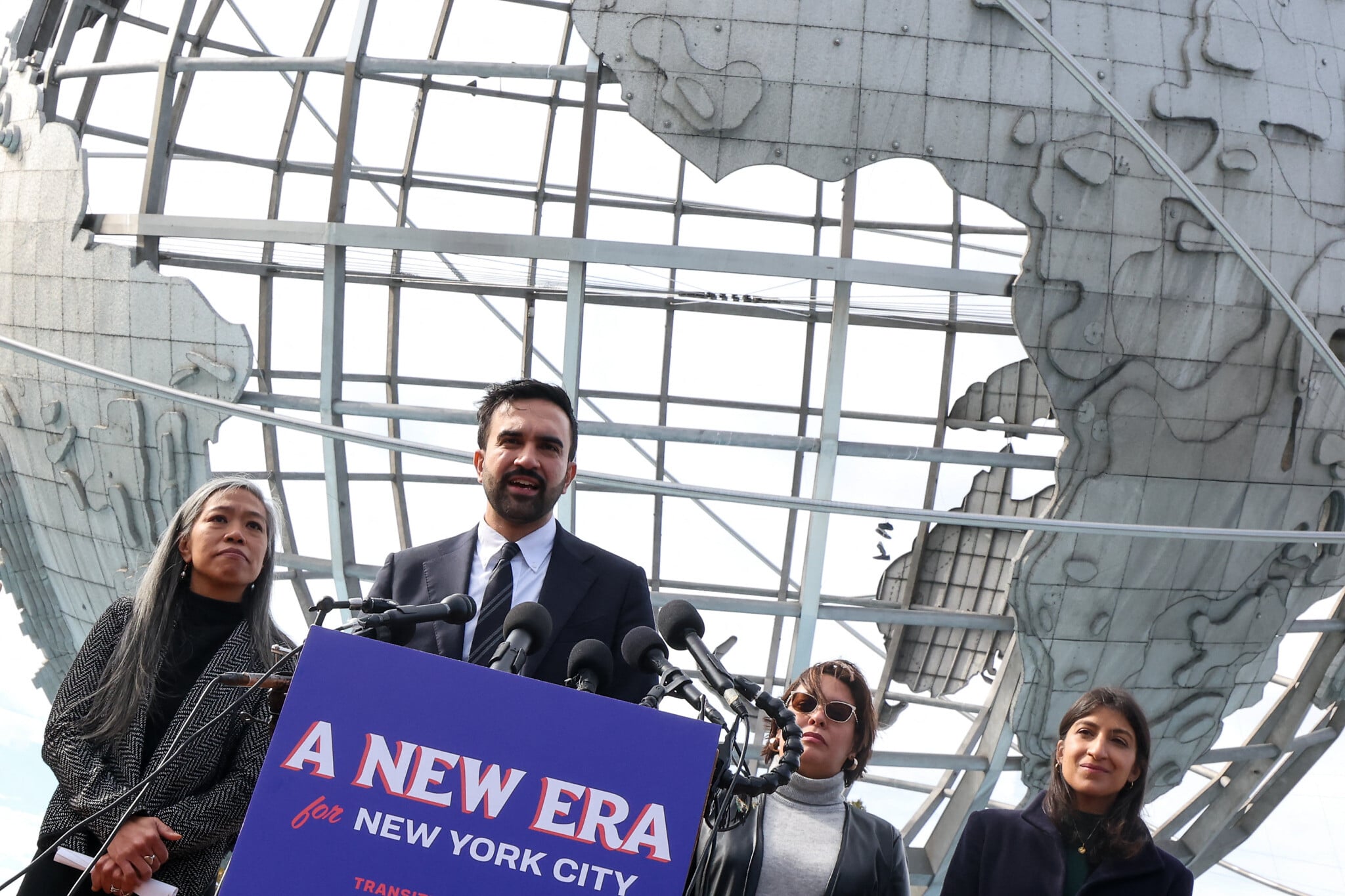
I’ll be honest: I didn’t expect to feel gut-punched on Tuesday night. I knew Mamdani was going to win.
I’d been telling myself that for months, really ever since the primary made it clear the numbers weren’t in our favor.
I tried to accept the loss early, even as I joined get-out-the-vote efforts, working with others to galvanize Jewish voters and deny Mamdani a landslide victory. (And we did. The margin was smaller than expected!)
But when the results came in last night, the blow still landed hard — that sinking feeling in the stomach, the kind that keeps you up at night wondering what might come next, what this means for our community, for the city we love, for the moral landscape of America.
Our lizard brains are on fire, scanning for danger, replaying history, asking the ancient question our ancestors knew too well:
What now?
It’s okay to feel grief. To mourn the loss of your feeling of safety in your city. To feel the edges of anxiety pressing in. This is not the time for fake optimism.
This is a moment for sober honesty without illusion. Mamdani’s victory means something. He will have real power, and it’s naïve to pretend otherwise.
What worries me even more is what his election portends: the shifting political winds in the country I love, the normalization of anti-Zionism as a moral stance, the slow turning of America’s heart away from Jews who believe in Jewish peoplehood.
So yes, mourn. But only briefly. Because wallowing is a luxury we Jews don’t have.
We don’t have the luxury of not learning from this — or of sitting the next four years on the sidelines. And we certainly don’t have the luxury of imagining that if things get bad enough, we’ll just move away from NYC and be fine.
We are Jews. We don’t run from history. We face it. And right now, history is calling us to become something different — to become a resistance.
We came to believe our place in the American mainstream was secure — that we’d earned permanent safety by being good citizens, moral voices, trusted allies. We built influence, not infrastructure. Institutions, not movements.
Mamdani’s victory in NYC didn’t happen overnight. It happened because we forgot how to organize, how to hold politicians accountable, how to do the slow work of finding common ground with disparate neighbors, how to build coalitions that extend beyond dinner parties and donor lists. We confused visibility for power.
That era is over. The question now is whether we can relearn how to fight like a minority — and fast.
We might start by remembering the first ones.
They welcome strangers into their tent, unaware they are angels. Abraham pleads with God to spare Sodom and Gomorrah, standing for justice even as the world around them collapses. After their long-awaited son, Isaac, is born, Abraham faces the ultimate test — being asked to place him on the altar.
Every story in Vayera is about the cost of covenant. The cost of being chosen. The cost of standing apart.
Most relevant to us: The entire journey in Genesis is designed to forge in Abraham and Sarah a minority consciousness — to prepare them for the audacious covenantal project of building a people apart.
Our tradition calls Abraham Ha-Ivri — the Hebrew. The rabbis in Bereshit Rabbah explain that he was called Ha-Ivri because “the whole world stood on one side, and he stood on the other” (me’ever).
This wasn’t defiance for its own sake. It was spiritual resistance. Abraham refused to worship idols. He refused to confuse power with truth. He built a moral life in a world that didn’t believe one was possible.
Sarah was his partner in that resistance. The covenant was never his alone — it was theirs. Two people who stood together through exile, longing, and loss, and refused to bow. Only through both of them could the covenant endure.
And what sustained them was faith — not naïve optimism, but faith as defiance, as endurance, as the courage to keep walking even when the path vanished beneath their feet.
To be a minority again doesn’t mean hiding or retreating. It means learning to fight differently.
We may no longer be invited to City Hall. We may not get friendly texts from the mayor’s office. (I know. I’ve had those. I’ve been honored at Gracie Mansion. Those days are gone.)
Now we must relearn the skills of the outsider. To be a resistance movement means learning to be comfortable being disliked — to stop measuring success by approval.
It means showing up in the streets, not just in boardrooms. It means learning the mechanics of power: how to pressure, how to organize, how to sustain energy when the headlines move on.
Most of all, it means acting as if our survival depends on it — because it does.
Right now, we face our own test. The city we love is turning cold. Our neighbors stay silent. Too many of our own are making peace with virulent anti-Zionism. The question is whether we will keep walking.
But Am Hanetzach lo mefahed miderekh arukah. The People of Eternity are not afraid of a long road ahead.
For too long, American Jews — especially in New York — forgot this legacy. We confused safety with arrival. We thought we were done being Ha-Ivri, done being across.
We were wrong.
The age of easy belonging is over. The illusion of being beyond history is gone. We’ve been reminded, that Jewish safety and Jewish belonging are never guaranteed.
But that doesn’t have to break us. It can wake us up.
Because if we can rediscover our old muscles — the ones Abraham and Sarah first built — we’ll remember that Jewish power was never about being liked. It was about persistence. About covenant, not comfort. About faith, not fear.
So yes, I’m shaken. But I’m also ready.
Welcome to the resistance.