
Left is not a dirty word
Oct. 8 should be a day of reckoning
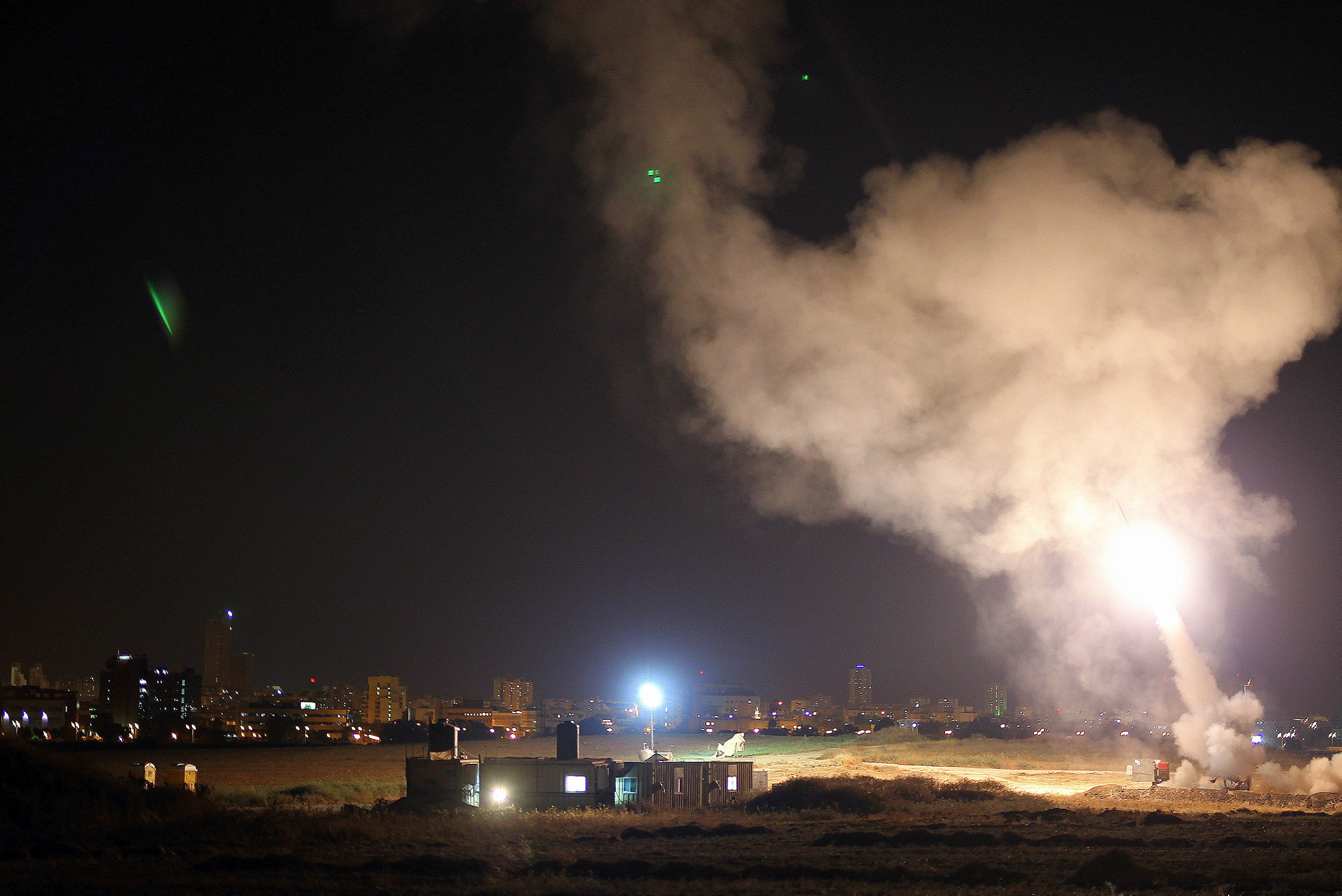
Wikimedia commons, 2014
On October 8, 2023, we were barely beginning to process the dimensions of the catastrophe. Details were still coming out. We heard the breathless retelling of how young people at a party ran and hid from bloodthirsty killers for hours. We heard that many of the dead were on border kibbutzim, getting ready to celebrate the holiday. Our sisters and brothers. It would be a month before we discovered that our friend Vivian Silver, among others, was burned to death in her home, rather than taken hostage. It was too incredible to believe.
It was October 8 that we were told we were at war. They told us it might take a while – even a year. A year seemed impossible. If you had told us that three years on, we would still have dozens of armed units on Gaza soil, we would not have believed you.
By the next week, we were beginning to realize that the safe return of the hostages was somewhere among the many priorities – not the top priority – for the government. We jumped into action, tying colored ribbons on every tree and tacking photos of hostages up around the area. If returning hostages was not the country’s top priority, we were not 100% behind the war. We gathered our forces, turned to action, held demonstrations night and day.
“It will just take more force to get a hostage deal,” we were told, neatly suggesting that one priority relied on another. That is, our government left hostages in Gaza and broke off negotiations for their release while renewing the fighting. We kept demonstrating, but ultimately, it would be an American president angling for a Nobel Peace Prize who would step in and negotiate on their behalf.
Three years on, there are no hostages left in Gaza. They weigh lightly on our conscience. But Hamas is still here, despite the unholy amount of force we have brought to bear on them, and we are still here, despite red-alert signs of impending ruptures in our society and attacks from all sides.
In many ways, one could say we are the same, but worse
Three years on, we are facing new elections. We are told they could be game-changing, but the race is curiously anemic. According to the polls, while the center parties seem to base their platforms on who they will or will not sit with in a government coalition, the Likud, led by the man who has lied and cheated to keep this war ongoing for three years, who could have saved hostages much earlier but didn’t, has an even chance of forming the next government.
“We are a different country after Oct. 7,” we are told, again and again. Yet precisely how we are different is hard to pinpoint. In many ways, one could say we are the same, but worse.
For example, you might say we became more militaristic, but we were hardly Switzerland to begin with. If anything, three years of war has highlighted the fractures and miscalculations in our approach. The army is stretched to the breaking point, but those giving the orders act as though we can continue to occupy two-thirds of Gaza and parts of the West Bank and Lebanon indefinitely. Of all the lessons we might have learned from Oct. 7, trust no one and shoot first might be the one that has stuck.
We were told that Hamas attacked us because the very public splits over the coalition attempt to hijack the legal system implied we were on the verge of implosion. We were told the first lesson, therefore, should be unity, at least among Jews. But the splits are wider than ever, as the coalition failed to come up with a way to allow Haredim to evade the draft, even as others served hundreds of days in reserve duty. We failed to curb the settler violence that is becoming the face of our country, and we failed to curb violence inside the country.
The splits in our society are not just between the Haredim who think that wearing black hats should exempt them from army service and those who have been called up again and again over the past three years. The whole fabric is frayed. We have less tech and fewer professionals all around. Schools are lacking teachers; clinics are lacking doctors and nurses. Our children’s test scores have fallen to all time lows. The elections bring little hope for real change, more a crowded arena of parties with little platform jostling for position on the center-right.
Before Oct. 7, we were lulled into thinking that some kind of normalization in the abnormal situation on our borders was possible. Bibi has been blamed for the “concept” of keeping both Hamas and the Palestinian Authority barely afloat, hoping to preserve some kind of balance between them. In the same way, in the course of hostage negotiations, he played Egypt and Qatar off against one another, to the detriment of the hostages. Qatar, of course, our friend just a year ago, is now an enemy state when it comes to taking on the reformation of Gaza. Has the obviously erroneous concept even changed?
Have we become more determined, less nonchalant about our security? Or, as I believe, has our thinking rigidified? At a time when misinformation abounds, chaos, contradictions and outright lies are vying for our attention, we seek certainties – even when there are no real facts to back them up. We need some confirmation that right is on our side, that the sacrifices of the last three years were not in vain.
Has our thinking rigidified?
But our vision becomes narrowed. As the hostilities simmer, we are told: There is no choice. We stop seeing the possibility of any other choices. At the same time, a close call in an airplane, the stuff of movies, reminds us that the threat is everywhere and could strike any one of us at any time. We returned people to their homes near the Gaza border, but cannot guarantee their safety. We cannot, we think, let down our guard for one second. We begin to believe we can live our lives under the constant pressure of imminent attack.
We are told Hamas is rearming, rather than complying with the terms of the ceasefire. Of course, we, as well, are testing those terms. Somehow, the “yellow zone” we control has ballooned to much of Gaza. The next round of bloodshed will be either before or after Israel’s elections, either before or after the US midterms.
It is the very definition of doing the same thing over and over and expecting a different result.
Yesterday, on October 7, we mourned those we lost. We revisited the horror and cried at the stories, without turning our faces aside, at their personal trauma and at our national PTSD.
Today, on October 8, three years on, it is time to begin reckoning. That includes an independent commission to investigate, but not just. What are the lessons we will learn from the debacle that unfolded three years and a day ago? Is it simply to mistrust everyone, to live in eternal vigilance and eternal war?
Or can we begin to pull our heads out of the tunnels, as it were, and begin building a strategy for attaining peace? I, for one, refuse to believe that war is the only choice. We might have to revise our goals, going for demilitarization rather than completely demolishing Hamas, for example. Somewhere along the way, we stopped talking about healing, but it is healing we need. It is not too late to ask ourselves what kind of country we want to live in, rather than letting ourselves simply be blinded by hatred and fear.
Our solutions – war, ceasefire, Trump plan, Saudi or Egyptian – will not be perfect. There will be a tradeoff, a price. We are already paying a price, and we must decide what that price will buy us. At present, we simply fight thinking it will grant us better negotiating terms, and we come out ever more beaten and bruised.
On Oct. 8, 2026, I’m losing patience. I don’t see the peace camp gaining any traction in the coming elections. If a new government negotiates, it will be out of pragmatism, out of force from above, out of, finally, weariness. I am hoping they, whoever they may be, can also negotiate with a smidgen of vision. The past can guide us, but we cannot advance without goals for the future, as well. I am hoping, voting, for leaders who I believe can at least see the possibilities. Without that, I fear the real lessons of Oct. 7 – the real changes we need – will be lost.
Related Topics
Related Posts