


Highlight Nepal’s presence in the Global Context
October 7: Israel’s Darkest Day & the Dreams of Nepali Youth.
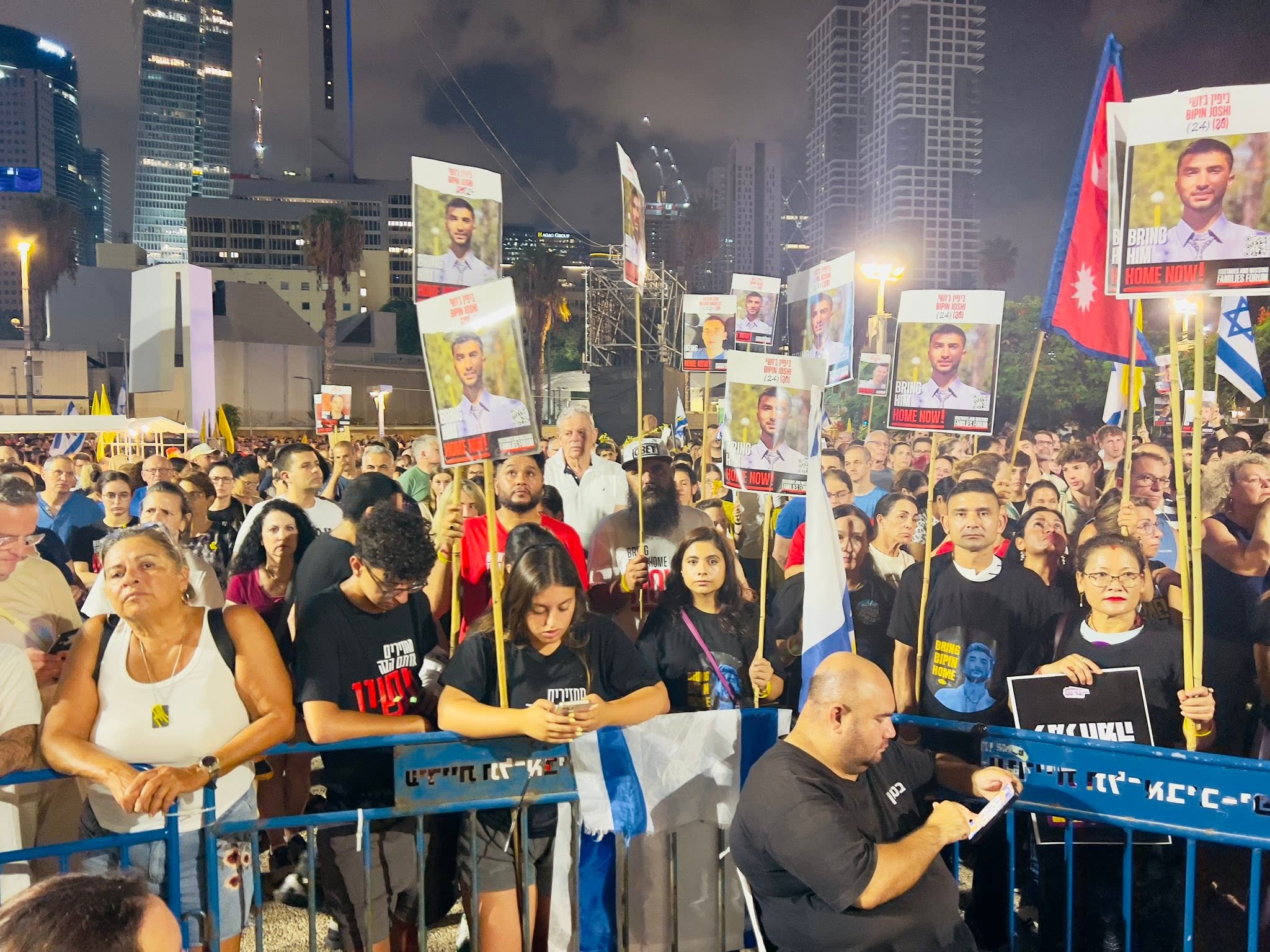
The unfinished dreams of Nepali youth, the tears of their families, and the humanitarian support extended by Israel during a time of war
Some dates are more than just entries in the pages of history. They are dates that change the lives of thousands of families forever. October 7, 2023, was one such day for Israel, a day that will never be forgotten. It was not just a tragic event in Israel’s history. For several Nepali families, it became a wound that may never fully heal.
That morning, attacks in southern Israel shocked the world. Hamas militants attacked communities and military positions. Innocent civilians were killed, hundreds of people were taken hostage, and thousands of families were left grieving the loss of their loved ones. Among those caught in the horrific events of that day were young Nepali students who had travelled to Israel carrying hopes and dreams for a better future.
These young Nepalis had not come to Israel to fight a war. They had come to learn new agricultural skills, gain practical knowledge, and build a future in which they could contribute something meaningful to their homeland. For some, it was their first journey abroad. Some parents dreamed of seeing their sons complete their studies and build successful lives. Others hoped their children would one day improve the family’s financial situation.
But the morning of October 7 shattered those dreams. For many families, life would never be the same again.
The Unfulfilled Dreams of Nepali Youth
Nepali students who had travelled to Kibbutz Alumim in Israel for agricultural studies and training were among those affected by the attacks. Thousands of kilometres away from home, these young people had come with the simple hope of building a better future. Within just a few hours, they found themselves facing a terrifying struggle between life and death.
Ten Nepali students lost their lives in the attack, while several others were injured. Nepali student Bipin Joshi was taken hostage. These young people had come to Israel with dreams of building their careers, supporting their families, and eventually returning home to do something meaningful for their country. Instead, they became victims of violence.
For them, Israel had been a land of opportunity. It was a place where they hoped to learn new skills, gain experience, and bring positive changes to their lives. But those hopes came to an abrupt and tragic end.
Remembering these young people simply as names on a list of the dead is not enough. Each of them had their own dreams, their own families, and their own hopes for the future. Their parents wanted to see them return home successfully. Some dreamed of building a house with their sons’ earnings, while others hoped their children would become their support in old age.
But one violent incident destroyed all those dreams. Even today, for the families who lost their sons, October 7 is not just a date in history. It is a painful reminder of a loss that will stay with them for the rest of their lives.
Bipin Joshi: A Family That Lived on Hope for Two Years
The story of Nepali student Bipin Joshi, who was taken hostage during the October 7 attacks, is particularly heartbreaking. According to accounts that emerged after the attack, Bipin threw a grenade away from a shelter where his fellow students were hiding, helping save their lives. He was subsequently abducted and taken to Gaza.
Following his abduction, his family’s life became a long wait filled with uncertainty. For his mother, Padma Joshi, and his sister, Pushpa Joshi, every day brought a mixture of hope and pain. They lived with countless unanswered questions. Was he alive? Was he safe? Would they ever see him again? Despite everything, they never gave up hope of his safe return.

The family repeatedly appealed to the Government of Nepal and the international community. Efforts were made at various levels to secure his release. On August 17, 2025, Israeli President Isaac Herzog met with Bipin’s mother and sister. The meeting once again brought international attention to the family’s concerns about his whereabouts and their desperate hope for his release.
The efforts of the Nepali community in Israel also deserve to be remembered. Nepalis living here participated in various hostage release events and gatherings, standing in solidarity with Bipin’s family and continuing to call for his safe return. Their presence was not merely symbolic. It reflected the pain and concern of a community that had not forgotten one of its own.
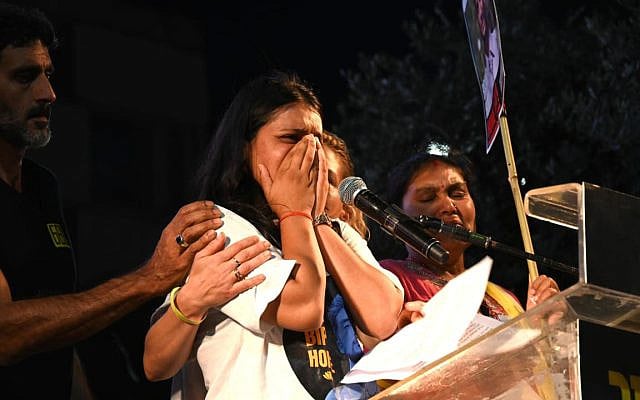
However, after two years of waiting and hoping for his return, the family eventually had to face the most painful news imaginable. On October 14, 2025, the Government of Nepal confirmed that it had received official information from Israel about Bipin’s death. Following the identification of his remains, arrangements were made to return his body to Nepal.
The news of Bipin’s death devastated not only his family but also the entire Nepali community that had been praying for his safe return. The pain of a mother who spent two years waiting for her son and the heartbreak of a sister who never gave up hope are beyond words.
Bipin’s story is not just the story of one family. It represents the countless dreams shattered by violence and the families left behind to live with unimaginable grief.
The Shared Grief of Nepalis Living in Israel
For Nepalis living in Israel, the events of October 7 were not just something they watched on television or read about on social media. This was a tragedy that affected their own community. They lost friends, brothers, and young people who had become part of their lives.
Some Nepalis witnessed the loss of their friends with their own eyes. Others spent hours hiding in shelters, desperately trying to stay alive. Many were unable to contact their families for hours, leaving them and their loved ones back home overwhelmed with fear and uncertainty.
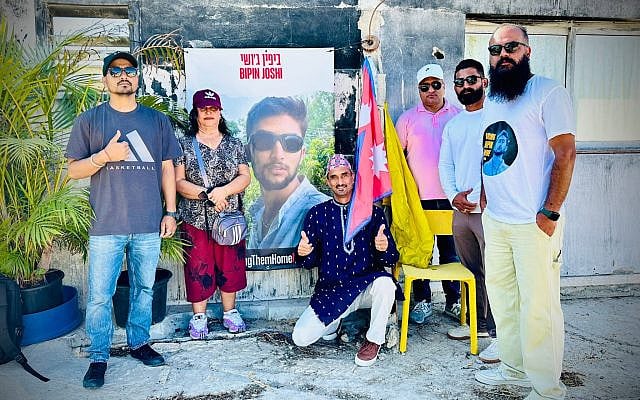
Those who survived had to find the strength to move forward while carrying the painful memories of that day and the loss of their friends.
Living and working abroad, far away from family, is never easy. When war breaks out, the fear for one’s own safety is accompanied by constant worry about the family waiting back home. Nepalis in Israel experienced both of these hardships at the same time.
The tragedy also raised an important question: How seriously do we take the responsibility of protecting Nepali citizens who travel abroad in search of education, employment, and a better future?

Nepalis living abroad should never be seen merely as people who send remittances home. They are someone’s sons, brothers, husbands, and the hopes of their families. Their lives and safety are worth far more than any financial contribution.
Israel’s Humanitarian Support During a Difficult Time of War
When remembering the horrific events of October 7, we must remember not only the suffering of Nepali youth and the tears of their families but also the efforts made by the Israeli government to protect Nepali and other foreign workers during the difficult days of war.
The Nepalis who came to work in Israel were foreign nationals. They had left their homeland in search of employment and educational opportunities. Yet, during that difficult period, Israeli authorities also made efforts to ensure their safety, provide assistance, and arrange medical care where needed.
Following the October 7 attacks, Nepali and other foreign workers in various parts of southern Israel found themselves in dangerous situations. Some lost their lives, others were injured, and several were taken hostage. In these extremely difficult circumstances, Israeli authorities worked to relocate foreign workers from high-risk areas, provide essential information, and coordinate with the diplomatic missions of different countries.
Attention was also given to the mental well-being of foreign workers. The trauma of war, separation from family, and uncertainty about the future caused considerable emotional distress. Efforts were made to provide mental health counselling services, including assistance from interpreters, to help workers cope with the situation.
Protecting foreign workers who were far from their families and home countries was a major challenge during the war. Despite difficulties involving language, communication, and security, efforts were made to provide them with the support they needed.
The role of Nepali caregivers working with elderly people in Israel was also remarkable. In some cases, they helped the elderly people under their care reach safer places. Even while worrying about their own safety, they continued to look after the people who depended on them. Their actions reflected a strong sense of responsibility and compassion.
During those difficult days, the relationship between Nepali workers and the Israeli families they served went beyond the usual employer-employee relationship. In many cases, it also became a relationship built on trust, care, and genuine human connection.
On October 18, 2023, discussions in the Israeli Knesset’s committee dealing with foreign workers also addressed issues concerning their evacuation, safety, healthcare, and assistance. Support for the families of injured, abducted, and deceased foreign workers was among the matters raised with the relevant authorities.
These efforts remind us that protecting foreign nationals and addressing their humanitarian needs during wartime are important responsibilities of any government. Rather than claiming that Nepali citizens were treated equally to Israeli citizens in every legal respect, it is more accurate to acknowledge the specific efforts made to support their safety and humanitarian needs.
Humanitarian Cooperation Between Nepal and Israel
Following the October 7 attacks, the Government of Nepal also took active steps to help its citizens in Israel. Efforts were made to relocate Nepalis to safer areas, arrange medical treatment for the injured, and coordinate the process of bringing the bodies of those who lost their lives back to Nepal.
The cooperation between the authorities of both countries during such a difficult period highlighted the humanitarian dimension of Nepal-Israel relations.
Nepali workers are an important part of Israeli society and its economy. Their contributions are particularly significant in elderly care, agriculture, and other sectors. Through their hard work, dedication, and skills, they continue to make valuable contributions to Israeli society.
Remembering the efforts made to protect and support them during the war is also a way of recognising their contributions and the human relationships they have built over the years.
For many Nepalis living in Israel, this country is more than just a destination for employment. Many have spent years here, become part of local communities, and developed close relationships with Israeli families. That is why the events of October 7 deeply affected the Nepali community as well as Israeli society.
Heartfelt Gratitude to the Israeli Government and Its People
The tragic events of October 7 left a deep wound in the Nepali community. We lost some promising young people from among our own. Their unfinished dreams, their families’ tears, and the pain of their absence will remain in our memories forever.
Yet, while remembering this tragedy, it is equally important to acknowledge with gratitude the humanitarian support, assistance, and solidarity shown by the Israeli government towards Nepali citizens and other foreign workers living in the country.
The days following October 7 were extremely difficult for Nepalis in Israel. On one hand, they were worried about their own safety. On the other, they were deeply concerned about their families back in Nepal. Some had lost friends, while others spent day and night living in fear of further attacks.
During these difficult circumstances, the efforts made by various Israeli government agencies, rescue workers, local residents, and community members to support Nepalis and other foreign workers deserve to be remembered.
Israel itself was going through an extremely difficult period of war. Its own citizens had lost their lives, families were mourning their loved ones, and the country’s security situation was under severe strain. Even in such circumstances, attention was given to the safety, evacuation, medical care, and other essential needs of foreign workers. This was an important expression of humanitarian concern.
The warmth and kindness shown by Israeli employers, local residents, and communities were also significant. Some workers received support from the families they worked for. Others were helped in reaching safe locations, obtaining essential supplies, and contacting their families back home.
These experiences remind us that the relationship between an employer and a worker is not always limited to work and wages. It can also grow into a bond of mutual trust, compassion, and genuine human affection.
The war did not end in a single day. Security threats and uncertainty continued for a long time. Throughout this period, efforts to assist foreign workers continued. The support provided by relevant authorities and communities in matters of security, healthcare, evacuation, and mental health deserves recognition.
Nepali workers also continued to fulfil their responsibilities during this difficult time. In particular, caregivers looking after elderly people continued to provide care and ensure their safety, even while facing concerns about their own lives. The mutual trust, support, and understanding between workers and Israeli families during this period became an important experience for both communities.
Along with its responsibility to protect its own citizens, the Israeli government also made efforts to address the safety and welfare of foreign workers. Protecting citizens is a major challenge for any country during wartime. In such circumstances, making efforts to address the needs of foreign nationals as well reflects a commitment to humanitarian responsibility.
I would like to express my heartfelt gratitude to the Israeli government, government agencies, rescue workers, local residents, employers, and everyone in the Nepali community who extended a helping hand during this difficult time.
The Nepali community remains grateful to everyone who helped protect Nepali citizens and stood beside them during their moments of hardship.
We lost some of our beloved young people. That loss can never be replaced. However, we must not forget the support and kindness extended to other Nepalis and foreign workers during this tragedy.
It is important to recognise the value of the assistance provided to workers during one of the most difficult periods in Israel’s history.
As Israel continues to face war and security challenges, the attention and support given to the lives, safety, and needs of foreign workers may also offer valuable lessons for other countries. How a country treats foreign nationals during times of crisis is an important measure of its humanitarian responsibility.
We should not view every aspect of what happened in Israel from just one perspective. The suffering of Nepali youth on October 7 and the pain endured by their families are one reality. The assistance and support received by Nepali workers living here in the aftermath are another.
Remembering both with honesty and respect is the most balanced and humane way to reflect on these events.
Today, on behalf of the Nepalis living in Israel, I would like to say that we remain grateful to the Israeli government, its people, and the local communities who stood beside us during our darkest days. We will never forget the Nepali youth we lost or the pain their families continue to endure. At the same time, we will always remember with respect those who extended their hands to help us during difficult times.
The world also needs to understand and fairly assess the humanitarian response shown towards foreign workers during the difficult period Israel has faced. A country’s humanity is not measured only by how it behaves in times of peace and comfort, but also by how it treats others when facing its own greatest challenges.
Standing on the Side of Humanity
When remembering October 7, we must never forget the violence, killings, and abductions of innocent civilians. No political or religious objective can ever justify the killing or kidnapping of innocent people.
At the same time, it is equally important to respect the lives and human rights of all innocent people affected by war. A cycle of violence cannot bring lasting peace to any community. Behind every life lost in war is a family, a dream, and a story left unfinished.
The memory of the Nepali youth killed in Israel reminds us of the value of human life and the urgent need for peace. Respecting the suffering of their families, listening to the experiences of those who survived, and giving importance to their mental and social recovery are shared responsibilities.
Similarly, we must also fairly acknowledge the efforts of Israeli government agencies, rescue workers, and ordinary citizens who helped protect Nepali and other foreign workers during the difficult days of war.
Even in the middle of a tragedy, we can find examples of humanity and kindness. Recognising such efforts does not mean diminishing the suffering of the victims. Rather, it means acknowledging the compassion shown during one of the most difficult periods in people’s lives.
Remembering Unfulfilled Dreams and Our Responsibility for the Future
The Nepali youth who lost their lives on October 7 are no longer with us. Their dreams remained unfulfilled, their families’ hopes were shattered, and the emptiness left by their absence can never truly be filled.
But we should not remember their lives and struggles only as part of a tragic event. They were young people full of potential. They had travelled abroad hoping to acquire knowledge and skills that they could one day bring back to Nepal. Their lives remind us of the importance of protecting the safety, dignity, and rights of Nepalis living abroad.
As we pay tribute to their memories, we must also think seriously about how to prevent other Nepali families from experiencing such unbearable pain in the future.
The incident highlights the need for the Government of Nepal to establish more effective arrangements for the safety of Nepalis working abroad, including emergency evacuation, healthcare, and other essential support during times of crisis.
October 7 has not only left us with grief but has also reminded us of the importance of human relationships. Alongside the unfinished dreams of Nepali youth, the tears of their families, and the two years of uncertainty endured by Bipin’s family, we must also remember with respect the humanitarian efforts of everyone who helped others during the difficult days of war.
The memory of that dark day in Israel will remain with us forever. The dreams of the young Nepalis who lost their lives and the suffering of their families will always be part of our collective memory.
May their memories inspire us to build a safer, more compassionate, and more humane society in the future.
Heartfelt tribute to all Nepali, Israeli, and other foreign nationals who lost their lives on October 7. My deepest condolences to their grieving families.
May humanity prevail, may violence come to an end, and may lasting peace finally prevail throughout the world.