October 7: On memory, mendacity, and the maintenance of civilisation
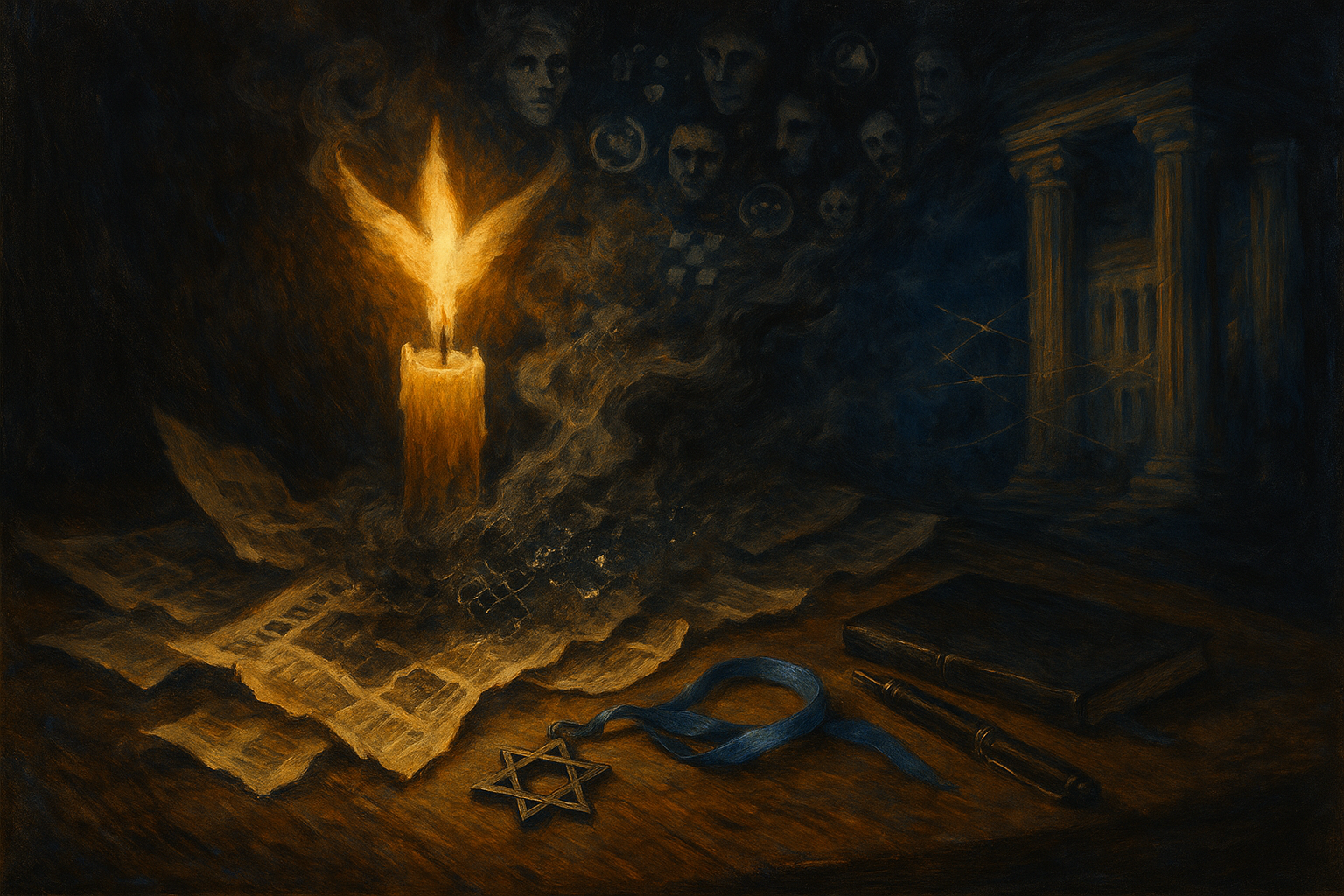
There are dates that refuse to lie flat upon the calendar; they jut out like a shard under the skin. 7 October 2023 is one such day. It demands not only remembrance but comprehension. On that Sabbath morning, men armed with rifles and a theocratic certainty set upon families, murdered civilians, abducted the vulnerable, and broadcast their deeds as though atrocity were an advert. By any honest measure it was the deadliest single day for Jews since the Shoah. To commemorate it is to insist that the first allegiance of mourning is to truth.
Truth, alas, has a hard time of it in our digital bazaar. We have created an agora where rumour sprints and reality laces its boots. In the hours and weeks after the massacre, claims solidified before evidence did; headlines ossified while facts were still mercurial; and feeds filled with the two impish sprites of our age: misinformation, the well-meaning twaddle that blossoms in haste, and disinformation, the tuxedoed lie deliberately cut to fit our prejudices. Some of this was accidental; far too much of it was curated by those for whom liberal democracy is not a conversation to be joined but a rival to be sabotaged.
A little old-fashioned moral clarity is in order. We cannot permit atrocity to be edited in real time by its authors or by their ideological fellow-travellers. A society that shrugs at that prospect is a library that leaves its matches out for the arsonists. The fog of war is not merely meteorological; it is largely home-made. Our information economy rewards speed over sense and sensation over source, and we—poor apes of habit—share what flatters us and ignore what challenges us. By the time the dogged analysts and the scrupulous reporters have done their work, the wildfire has already jumped the firebreak.
The consequences at home are not theoretical. Jewish communities across the West have lived for two years in a draught that chills the bones. Students discover that seminar rooms can turn into tribunals; synagogues and schools require the kind of security that used to be reserved for embassies; shopfronts are decorated with the semiotics of menace; and ordinary people—ordinary, exhausted-by-the-news people—relearn the weary arts of self-censorship and route-planning. There is, of course, a legitimate debate to be had about policy, power and the conduct of war. But padding alongside that conversation, fanged and keen, is a different beast: antizionism that so often serves as a laundrette for the ancient toxin of antisemitism. The trick is simple and disreputable: redefine Jewish self-defence as inherent sin, expand the definition to any Jew who refuses the catechism, and—presto—prejudice with a halo.
Meanwhile, radicals have updated their repertoire. The aim is no longer persuasion; it is disablement. The object is to make the plural society unworkable, the university unteachable, the public square unshareable. Foreign adversaries are only too delighted to help, amplifying our angriest voices with covert networks, bots and bogus accounts; but the point is not that our turmoil is foreign-made, rather that our vulnerabilities are exploitable. If we yield the common realm to intimidation and deceit, we shall discover that the lights of civilisation dim not with a bang but with a million enthusiastic clicks.
What, then, ought we to do—those of us who still believe that grown-up democracies can hold more than one thought in their heads and keep their tempers whilst doing so? The answer starts with manners of mind. Verification must precede virality. Officials, journalists, campaigners and influencers can, without any new law or censor’s wand, refuse performative certainty in the hot dawn of a contested event. Say what is known, say what is not, time-stamp the updates, and spare us the thunder until the evidence has trotted in with its receipts. When attribution matters, show your workings: release, as safety and classification allow, the imagery provenance, the telemetry, the chain of inference. Trust is not a sacrament; it is a habit born of transparency.
At the same time, we should be unapologetic about protecting those who are plainly targeted. Jewish schools, synagogues and gatherings deserve calm, visible, lawful protection by the state. This is not favouritism; it is the government keeping its side of the social contract. Our civic institutions—universities, councils, cultural venues—must likewise rediscover the courage to draw red lines: the glorification of terrorism is not debate; harassment and intimidation are not hobbies. Complaint routes should be brisk and transparent, and sanctions proportionate but real. Protest deserves space; persecution does not.
Education, too, must earn its keep. We teach algebra and Shakespeare; we can surely also teach epistemic hygiene—how to know what we know. From teenagers to pensioners, the question “How do I know this is true?” should become as habitual as “Where have I left my keys?” The aim is not cynicism but cultivated doubt, a posture of mind that keeps both feet on the ground while the storms of outrage blow themselves silly overhead.
And because the threat is organised, our response must be, too. Hostile information operations are a security problem, not a PR inconvenience. We need permanent, properly staffed collaboration between government, platforms and researchers to detect and disrupt coordinated inauthentic behaviour with the seriousness we reserve for other national threats. Hygiene, not censorship; sunlight, not sermonising.
All of this can be done without retreating into the theatre of the ghetto, whether literal or rhetorical. Those who face credible threats may require safe housing; it should be discreet and dispersed, not bannered and bunched. The same goes for conversation itself. Resist the corralling of debate into purified enclaves. Pluralism is inherently messy—blessedly so—and remains the only grown-up game in town.
To mark October 7, then, is not to demand unanimity about policy, nor to canonise governments or anathematise critics. It is to prefer memory to mythology. The massacre happened; its victims had names, faces, unfulfilled days; their families live with a wound that is both personal and national. The hostages’ fate is a throb that refuses anaesthetic. If we are to honour them with more than elegy, we must cultivate a renewed seriousness about truth, practise a principled protection of the vulnerable, and stubbornly defend the civility that radicals deride and demagogues fear. Such decency will not make headlines, but it is the unobtrusive miracle by which open societies endure.