
Parshat Pinchas: A truly touching moment
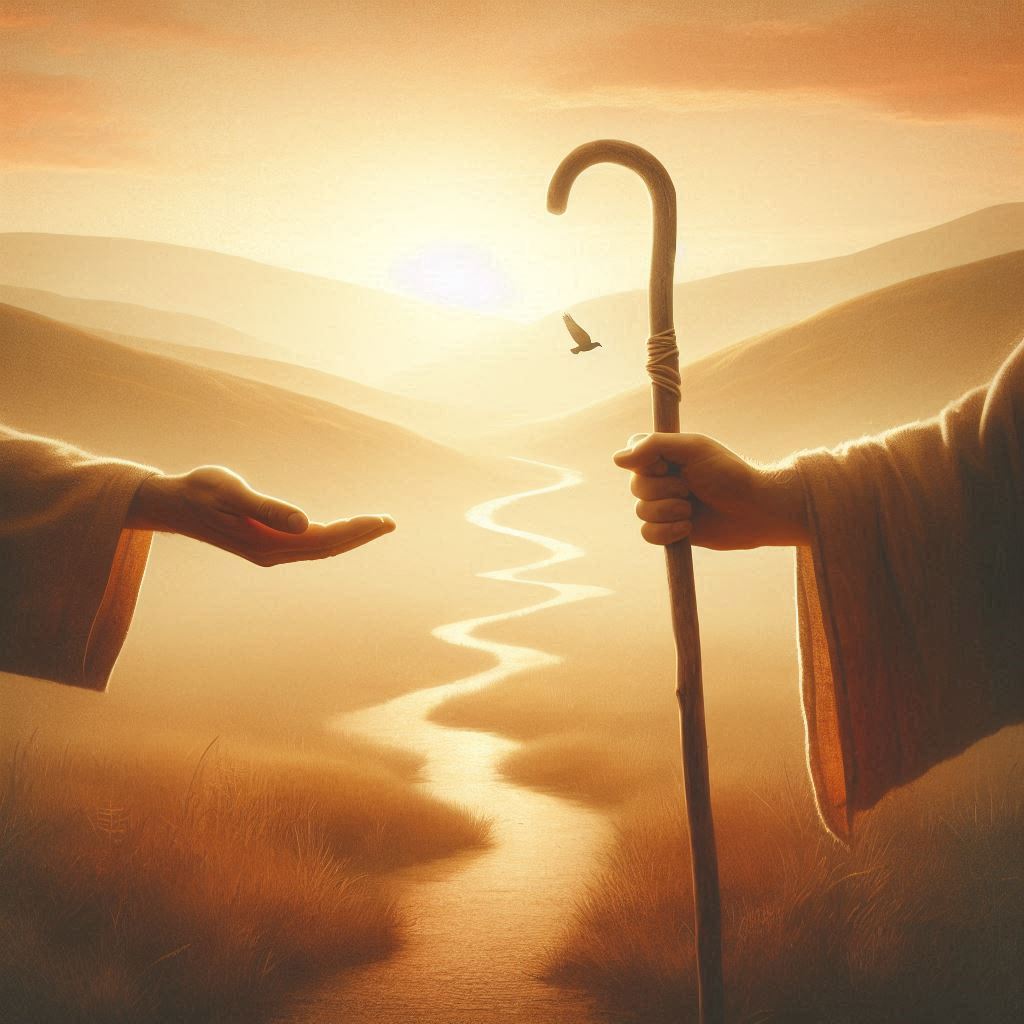
After weeks of dramatic episodes – Pinchas’s zeal, Bilaam’s curses, Balak’s schemes, and the plague at Peor – this week’s parsha offers a profound shift and in particular one moment I found very touching: a quiet, deeply personal moment between Moshe and God, revealing timeless principles of leadership and legacy. As I reflect on my own personal challenges, as we all do, this parsha offers something profound to me personally on a spiritual level.
Moshe has just been reminded of his impending departure from this world and inability to enter the Land of Israel. After forty years of unparalleled leadership, sacrifice, and struggle, this could understandably be a moment of protest or despair. Yet, instead, we witness an extraordinary conversation marked by trust, humility, and shared purpose, rooted in Moshe’s profound love for his people and his intimate relationship with God.
The Leader Moshe Was, Reflected in the Leader He Seeks
Moshe turns to God with a request: “Let the Lord, God of the spirits of all flesh, appoint a man over the community…” (Bamidbar 27:16). This is not a request born of personal ambition, but from a deep-seated concern for the continuity of his people.
Moshe then articulates the qualities of the leader he believes the people need: “One who will go out before them and come in before them, who will lead them out and bring them in, so that the Lord’s people will not be like sheep without a shepherd.” (Bamidbar 27:17).
This is not a political appeal. It’s a deeply pastoral one. Moshe doesn’t seek a warrior-king or a fiery prophet. He asks for a shepherd – someone who will walk with the people, guide them, protect them, and nurture them. As Rashi notes, Moshe’s own sons were not chosen, emphasizing that this is not about hereditary succession but about character and fitness for the role. This request reflects Moshe’s own selfless leadership, a leader who consistently prioritized the people’s needs above his own, in his final moments. It’s a profound act of kiddush Hashem, sanctifying God’s name through his actions.
The Timing: Letting Go and Legacy Building
The timing of this transition is particularly striking. Moshe has just received the news of his fate. Yet, without delay, he turns to God – not to plead for himself, but to ensure the people will have the guidance they require.
What is even more profound is that God does not initiate this transition. He waits for Moshe to bring it up. After forty years of leading the people, Moshe is given the dignity and trust to decide when the time is right to begin the handover. This demonstrates a profound respect for Moshe’s judgment and underscores that true leadership involves empowering others.
This teaches us two fundamental principles: Firstly, true closeness with God is not about control but about trust. God trusts Moshe to know when the people are ready, and Moshe trusts God to guide the selection of the right successor. Secondly, Moshe’s greatness lies not only in his leadership but also in his ability to step aside with grace, ensuring the mission endures beyond his lifetime.
God’s Response: Yehoshua – Humility and Vision
God responds by naming Yehoshua, “a man in whom there is spirit” (Bamidbar 27:18). The Seforno explains this as someone with the capacity to connect with each person individually, demonstrating empathy and understanding. Ibn Ezra adds that “ruach” (spirit) implies divine inspiration and wisdom. It’s not simply intelligence or charisma, but a connection to a higher purpose.
As Rabbi Jonathan Sacks z”l notes, Yehoshua’s leadership stemmed from his humility: “Joshua had no pretensions… He was simply a faithful servant of God and of Moses. That is what made him a leader” (Covenant & Conversation).
God further instructs Moshe to “invest Yehoshua with some of your majesty, so that all the congregation of the Israelites will listen to him” (Bamidbar 27:20). Rashi elucidates that this demonstrates the people’s continued respect for Moshe and that his public endorsement would pave the way for a smooth transition. The Ohr HaChaim explains that Moshe was instructed to physically place his hands on Yehoshua, symbolizing the transfer of not just authority, but also his blessing and spiritual strength.
Moshe does exactly that, standing by Yehoshua, laying his hands upon him, and giving him honor in the presence of the people. This is more than just a transfer of power; it’s a transfer of trust, dignity, and legacy, ensuring the sacred mission continues seamlessly.
A Legacy for All Generations
This parsha is not simply about succession; it’s about the kind of relationship with God that shapes a life, and the kind of leadership that flows from it. In considering the life of Moshe Rabbeinu, we are reminded that his legacy is not merely judged by moments of greatness or lapses, but by the profound love he embodied for a nation and the depth of his relationship with God. The Torah tells us”
(Devarim 34:10), a testament to their intimate connection—all rooted in Moshe’s leadership and love for his people. In today’s world, where leadership is often associated with power and control, the example of Moshe and Yehoshua offers a powerful alternative.
Moshe’s final act is not to hold on, but to hand over. Not to seek honor, but to ensure continuity. And God responds not with distance, but with closeness. Together, they model a leadership transition rooted in trust, humility, and shared purpose – a model applicable not only to national leaders but to parents, teachers, and community members in every generation. By stepping aside with grace, Moshe ensured that his legacy would not be one of personal glory, but one of enduring impact.
Moshe’s life exemplifies a perspective that values the overarching narrative rather than isolated incidents. His journey, culminating in his passing, was set against the backdrop of decades of guidance, growth, and challenge—an ongoing process that formed the foundation for the future of the Jewish people. His death was not merely an ending but a transition—a pivotal moment that paved the way for others to carry the torch. As Rabbi Menachem Mendel Schneerson, the Lubavitcher Rebbe, beautifully said in his teachings, “The descent is part of the ascent.” Difficult moments, setbacks, or moments of personal failure are integral to growth and elevation—they are not the end but part of a larger, divine plan for ascent.
Reflecting on our own lives—whether like me at fifty, having retired after a fulfilling career and changing direction to face down a terminal illness, or navigating other challenges—we find inspiration in Moshe’s example and in the Rebbe’s words. Despite the difficulties, the fight goes on. Every encounter, every challenge, is an opportunity for meaning. Just as Moshe handed over leadership with dignity and love, so too can we embrace our moments of difficulty as part of our spiritual ascent. Our setbacks do not define us—they are part of the journey that leads to growth, purpose, and hope.
The parsha fittingly concludes with the verse that reflects calm, order, and obedience: וַיֹּאמֶר מֹשֶׁה אֶל-בְּנֵי יִשְׂרָאֵל, כְּכֹל אֲשֶׁר-צִוָּה יְהוָה אֶת-מֹשֶׁה – “And Moshe said to the Children of Israel: according to all that the Lord had commanded Moshe” (Bamidbar 27:23). This serves as a reminder that true leadership is ultimately about serving a higher purpose and passing enduring values to future generations. This is a timeless blueprint for navigating transitions and building lasting legacies.