
Partnering with Trump means the whole package — not just the parts you like
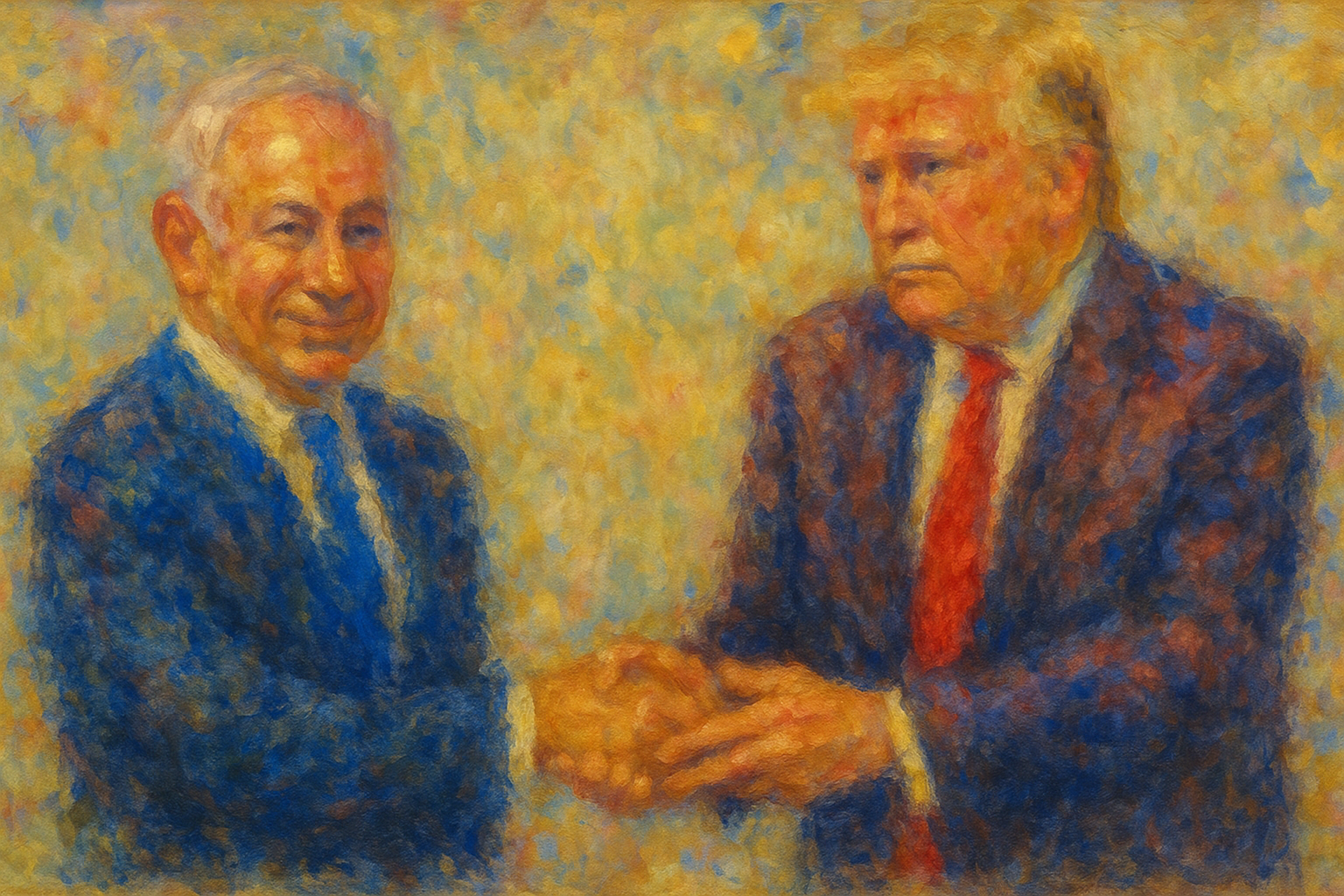
If there’s one lesson Israelis keep learning in alliance politics, it’s this: you never get a leader “à la carte.” You get the bundle. With President Donald Trump back in the White House, many Israelis are rightly grateful for full-throated US backing in the war against Hamas and for the replenishment of critical munitions. But delight in the help on one front should not blind us to the rest of the portfolio that comes with Trump: constraints on talk of West Bank expansion, a much more directive say over “the day after” in Gaza, and a White House that expects Jerusalem to color inside the lines of its broader regional design for Iran, Lebanon, and Syria. That is not a bug of the relationship; it is the feature of tying Israel’s fate to a superpower president who governs as a package.
The psychology of the package deal
Voters and governments alike fall for the same cognitive trap: we elevate one or two cherished positions and use them as shortcuts for everything else. Psychologists call this the halo effect and issue-salience tunnel vision. If a leader champions our existential priority (defeating Hamas; standing by Israel at the UN; pressing Tehran), we project competence and alignment across the map. We tell ourselves we can “buy” the parts we love and ignore the rest. But coalitions don’t work that way. Personnel is policy, and presidents govern with a whole team and a wide agenda. The bill for the bundle eventually arrives.
Trump’s support — and Trump’s boundaries
Let’s credit the obvious upside first. US material and diplomatic backing has been decisive, including emergency resupply and supplemental aid since the Gaza war began in October 2023, with tens of billions committed across two administrations. That strategic battery matters when Israel is absorbing rocket fire, facing drone swarms, and contending with a grinding, multi-front conflict.
But partnership also means American guardrails. In late September, Trump publicly ruled out Israeli annexation of the West Bank, a signal that Washington expects restraint on settlement expansion and any irreversible steps that foreclose future political arrangements. You can cheer the weapons pipeline and still recognize the price tag: a narrower lane for West Bank moves, at least while the administration is pursuing its own “peace package.”
The day after in Gaza is not Israel-only
Trumpworld is not shy about dictating terms on Gaza’s next chapter. Whether you view the administration’s evolving “multi-point plan” as pragmatic or overbearing, the through-line is clear: Washington wants a say not just in how Hamas is defeated, but in who governs, who polices, and how reconstruction is sequenced. That includes expectations on humanitarian corridors, security architectures that don’t look like an open-ended IDF occupation, and a political horizon that keeps Arab partners invested. Analyses of Trump’s plan emphasize that it ties Gaza stabilization to a broader, regional bargain. Buying the ammo comes with buying the architecture.
Iran, Lebanon, Syria: the bundle widens
The Trump approach also extends beyond Gaza. On Iran, the administration wants coercion with choreographed off-ramps — calibrated strikes, tighter sanctions in some lanes, selective de-escalation in others — because it sees Gaza’s endgame as inseparable from Tehran’s behavior. On Lebanon, US pressure is aimed at limiting a full Israel–Hezbollah war while degrading Hezbollah’s capabilities by other means and tightening rules along the Blue Line. On Syria, the White House has flirted with moves (including sanctions flexibility and diplomatic probes) meant to reshape regimes of influence and trade-offs in the Levant. Agree or disagree, it reflects one strategic grammar: regional linkages first, tactical autonomy second.
The Israeli dilemma
So Israelis face an adult choice, not a fairy tale. If we prefer maximal tactical freedom — settlement builds on our clock, Gaza policy on our script, retaliatory ladders against Hezbollah and Iranian assets without US pacing — then we must be prepared for thinner diplomatic cover, slower resupply, and less allied synchronization. If, instead, we choose the deep partnership with Washington under Trump, we should do so clear-eyed: the blessing of muscle and money comes bundled with the White House’s political and strategic preferences.
This is not unique to Trump. It is how superpower alliances work. But Trump magnifies it because he governs as a brand, not a broker. He will trade leverage across files — Gaza for Riyadh, West Bank for European alignment, Lebanon de-escalation for a coalition he can parade as “peace in our time.” Expect the dealmaking to be public, fast, and transactional. If we don’t like the linkage logic, our option is to say no and absorb the costs. Complaining about the existence of a price is just magical thinking.
A sober partnership
Israel’s strategic horizon is brighter when the United States is deeply engaged on our side. That is true again today. But partnership is not a vending machine where you press B-12 (weapons resupply) and skip C-7 (political constraints). With Trump, the “whole package” will come faster, louder, and with more headline-grabbing conditionality than many Israelis prefer. If we approach this moment with discipline — documenting trades, defending red lines, and leveraging regional opportunities — we can capture the gains of American backing without drifting into a policy we never voted for.
Eyes open, pencils sharpened, terms in writing. That’s how you embrace the parts you like and survive the rest of the bundle.