Spotlight on Civil Society
Passing a Stress Test
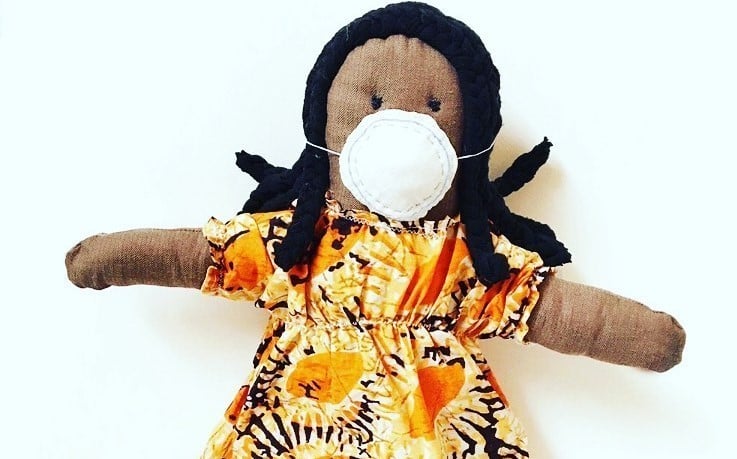
A picture of a Kuchinate doll with a protective face mask, posted recently on Facebook to assure supporters that the women of the collective are safe and well. In addition to products such as baskets, poufs, handmade dolls, and rugs, Kuchinate recently added cloth face masks to its list of products. Spring, 2020. (Courtesy of Kuchinate)
My daughter’s dolls have been making the best out of a challenging situation. In their virtual world, they are often stuck at home, but at other times, they have had grand adventures — donning goggles and bathing caps for an outing to a swimming pool, or packing overflowing suitcases for trips to far off lands. Now they’re heading back to school, with facemasks ready.
Over the past few months, I’ve watched in awe as my youngest daughter coaches her dolls and tends to their every need, finding a way to comfort herself during all of this upheaval. It is a skillset that is especially useful now. These days, all of us have learned more than we would like about our default for handling stressful situations. Just like my daughter’s daily check-in with her dolls, we have been encouraged to monitor ourselves. With our routines still in disarray, we have to take note of our emotions, making sure to process and move forward so we can better care for the people who need us.
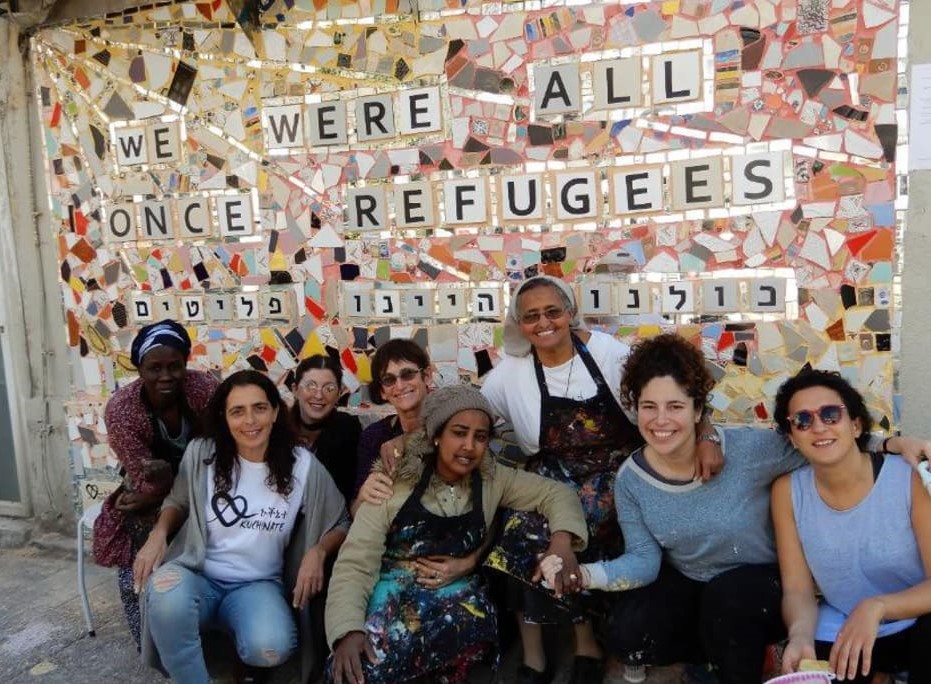
And of course, many of the nonprofits that we love are also taking their own stress tests these days. One NGO already well-acquainted with dealing with all sorts of stressors is Kuchinate, an economic and psycho-social collective that works with women, primarily from Eritrea and Sudan. The members of Kuchinate, which means ‘crochet’ in the Eritrean language of Tigrinya, are some of the most vulnerable women in the refugee and asylum seekers community.
Back in 2011, Dr. Diddy Mymin Kahn, an Israeli clinical psychologist, and Eritrean nun Sister Aziza Kidane were involved in efforts to help refugees arriving in large numbers in South Tel Aviv. Too many of the women had terrible stories to tell – often involving instances of human trafficking, torture and sexual violence. Yet these women were reluctant to speak openly about their trauma, and efforts to get them to participate in conventional therapy, so common in Western culture, did not work.
Questions that have become so familiar to all of us now during these scary times were posed back then – What takes us out of our isolation, anxiety or grief? What can make us feel more grounded when we are cut off from our usual network of support? The answers to these questions eventually evolved into Kuchinate.
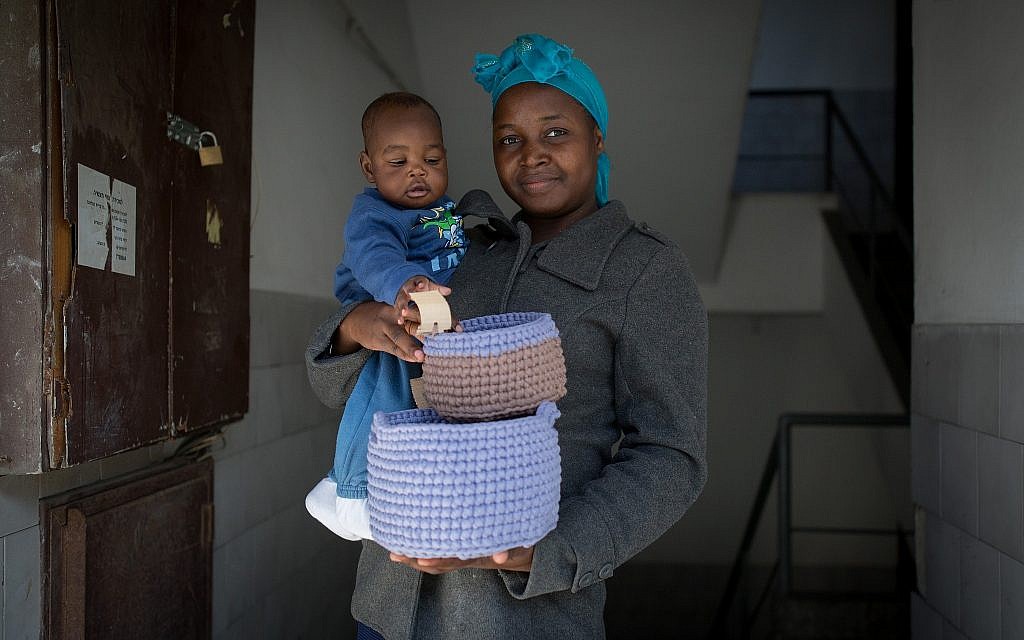
The first step, Dr. Kahn recalls, was experimenting with art and handicrafts as a therapeutic tool, settling on crocheting storage baskets, something entirely familiar and reminiscent of home.
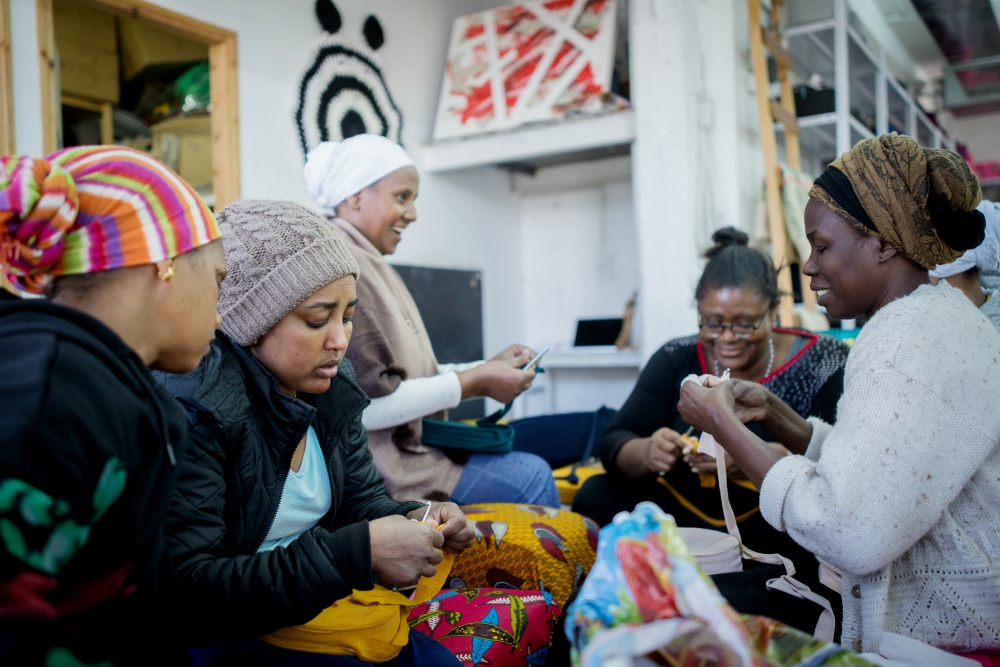
As the women gathered to crochet, conversations began and struggles were shared. With Dr. Kahn and Sister Aziza carrying out an informal type of group counseling, the women began to see that they were not alone in their heartbreak. They started to speak more openly of their own challenges, part of a process that helps in relieving stress and in finding a path moving forward. Soon their handmade baskets began selling on the marketplace, turning a source of solace also into a welcome source of income.
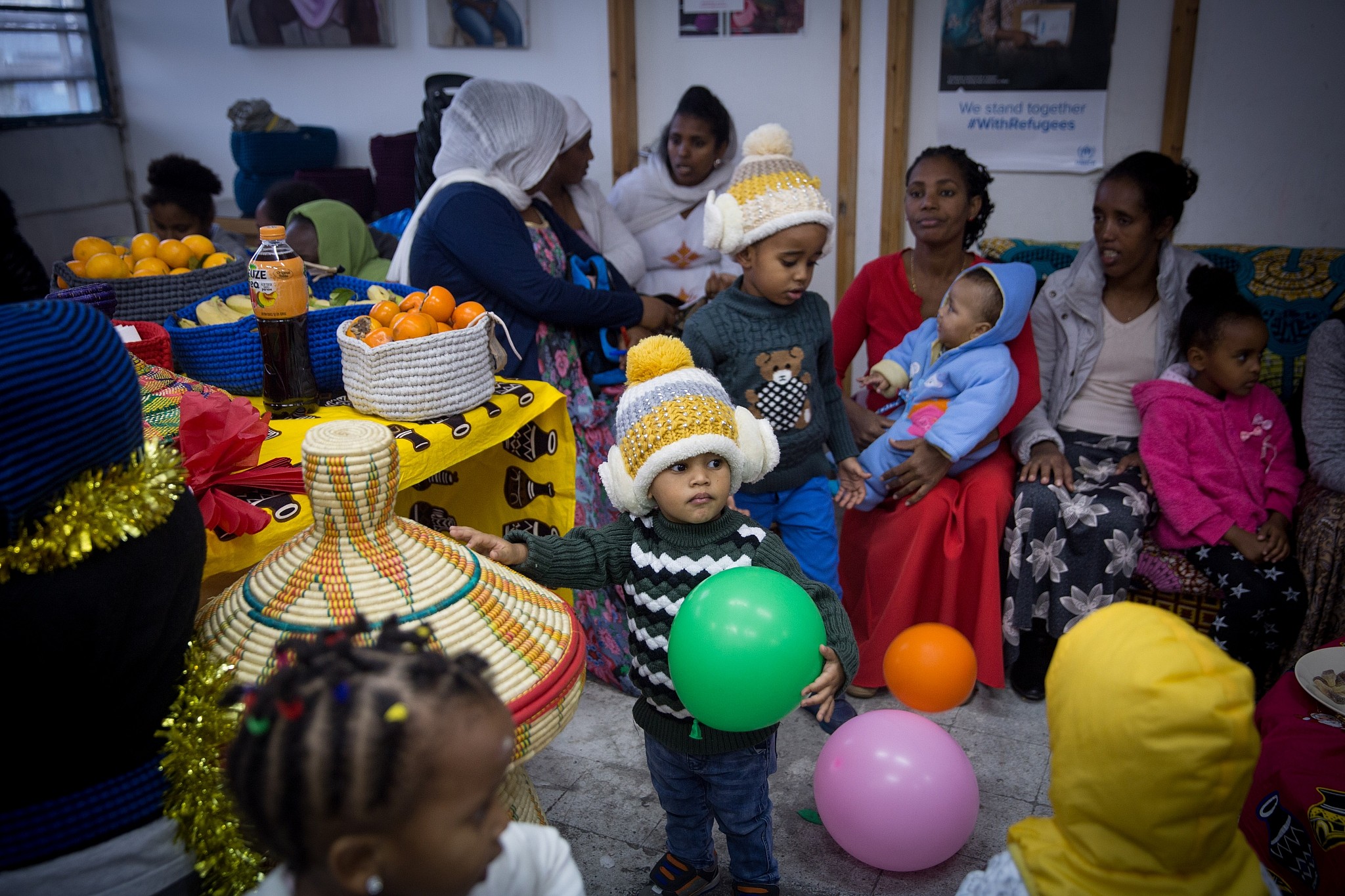
Over the years, the Kuchinate workshop has become a place for hundreds of women from the asylum- seeking community in South Tel Aviv to congregate, to crochet baskets, to hear their own languages spoken, and to prepare foods like injera that recall memories of home, all while their children wander freely, charming visitors. The workshop has earned a stop on packed travel itineraries for groups, both from Israel and abroad, which come for the crochet workshops, the traditional coffee ceremonies, and the stories that the women share of their journeys. And since the women here are particularly well-accustomed to uncertainty, Kuchinate adjusted quickly during the lockdown. With the women working primarily from home, online sales of their products continue and they are gearing up for a return as restrictions ease.
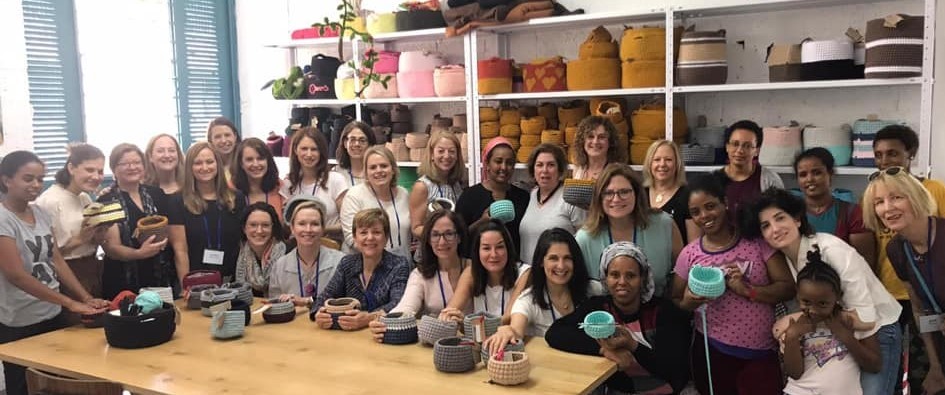
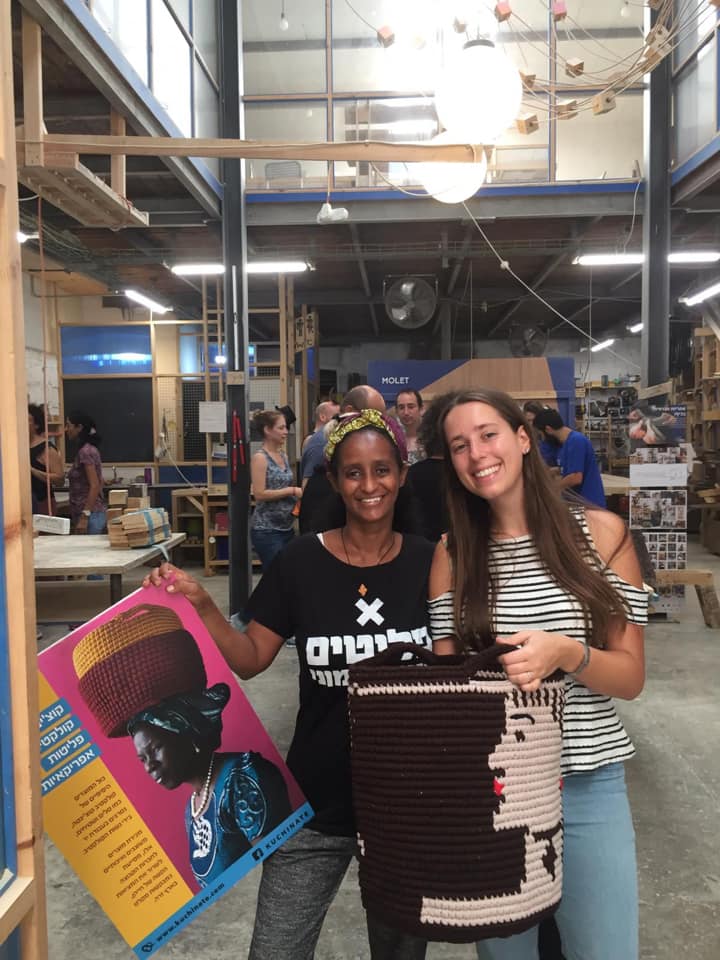
With the collective efforts of the co-directors Dr. Kahn and Sister Aziza, a devoted circle of supporters and the women of the asylum-seeking community themselves, Kuchinate has become an important refuge of hope and understanding for so many over the years. Its sustainability is a testament to the resilience of its members and of their ability to draw strength from each other when so much about their lives is unsettled.
There is little that is predictable in the lives of the refugees, as many are single mothers, most are in economically precarious situations, and all of them are waiting for better news regarding governmental policies towards asylum seekers. No one can promise magic solutions. And no one can guarantee there won’t be more suffering.
But Kuchinate is a place where everyone who shows up can get an easy reminder of how to be compassionate to themselves and to others. After all, the original meaning of compassion is a combination of the Latin words ‘to suffer’ and ‘with.’ Kuchinate, in recalling its origin story, is also a reminder that there is always something to do, some way to jump in to relieve suffering when you see it, some way to find your own resilience.
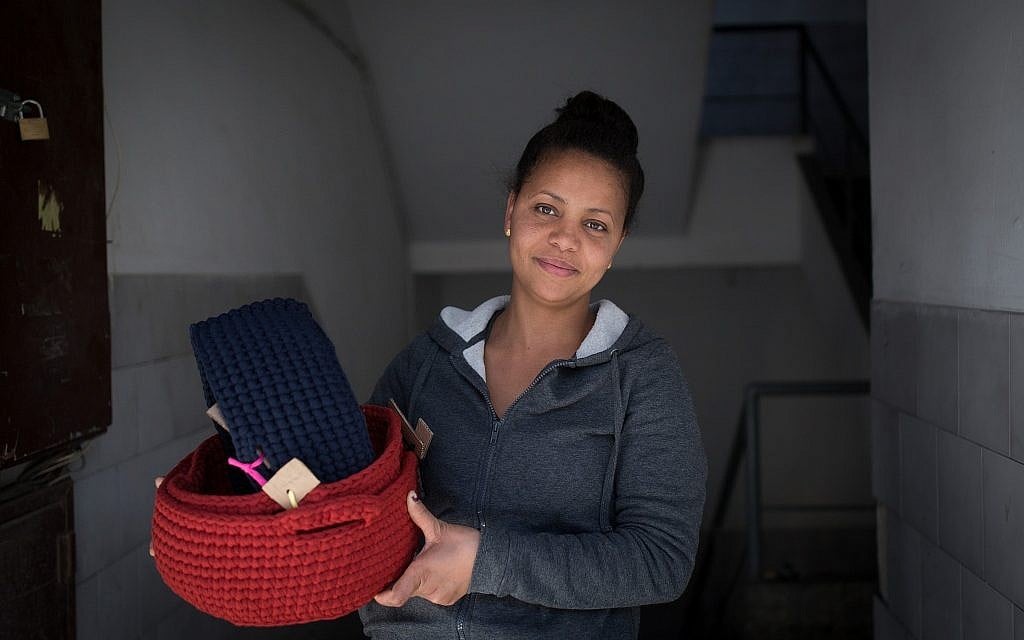
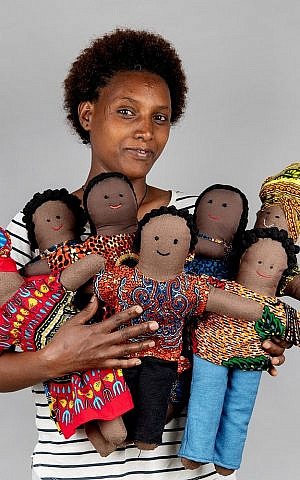
One of the more recent additions to the Kuchinate list of products is their line of dolls – dolls that resemble them, outfitted in bright African fabrics, which offer a very particular type of self-expression for the women. It’s a service to their own children and to all of us. Now, especially when it feels more than ever that we are just making things up as we go along, make-believe play can be particularly valuable in imagining a better future.
And we know what happens when children have dolls for creative play – they are able to soothe themselves so they can comfort others. We can all take note. Of course, my daughter reminds me of this regularly. I can hear her now gently tucking her dolls into bed, preparing them for tomorrow’s big day at school. “It will be okay…” she tells them. “You are strong, you can do this.”
Related Topics
Related Posts