
Peace on Paper, Profits in Practice
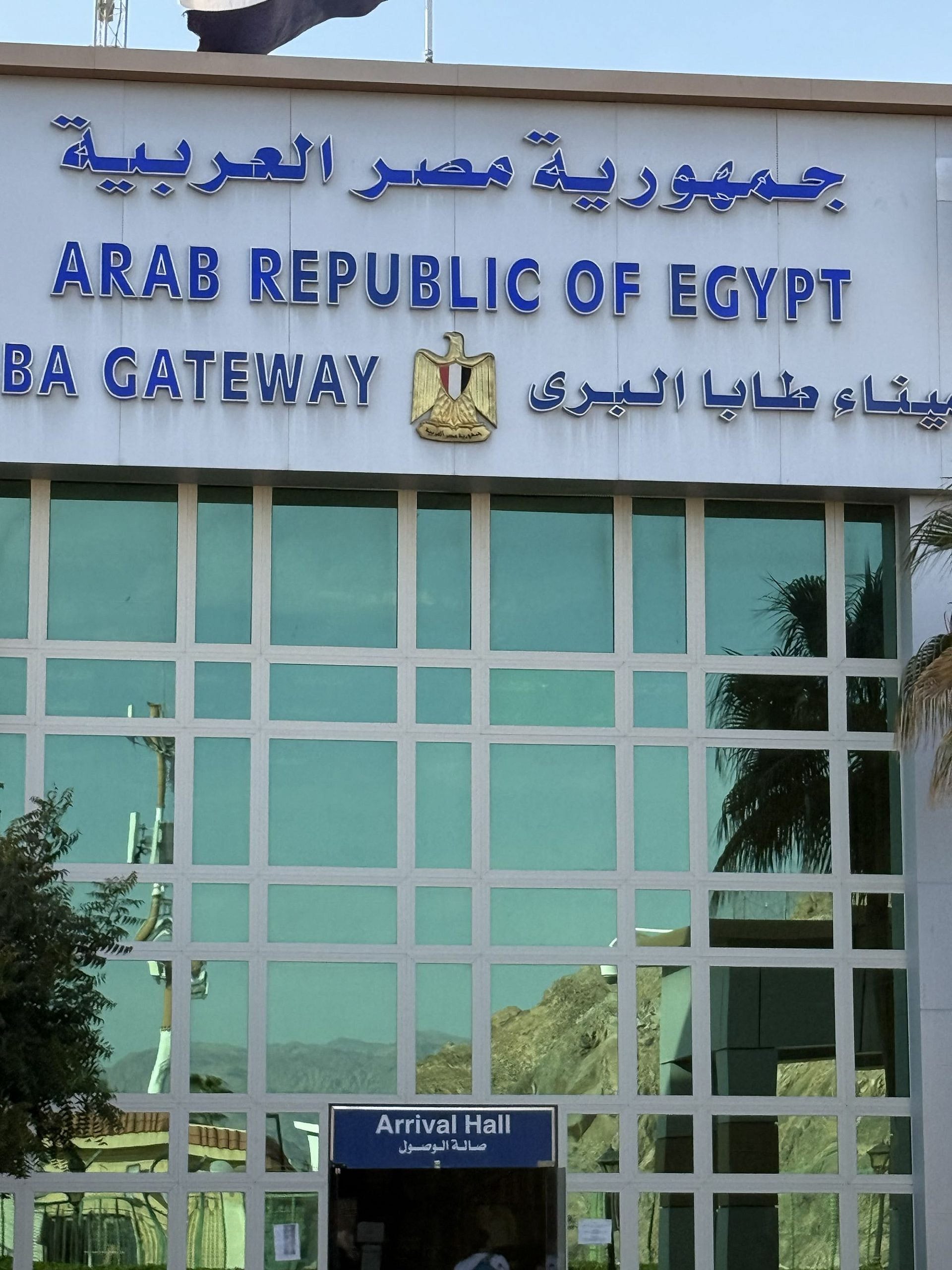
As wartime restrictions at Ben Gurion Airport forced Israelis to seek escape routes through Jordan and Egypt, those “peace partners” revealed the limits of normalization.
Peace is easy when it costs nothing. The real test comes when it does.
This past week, Israel got its answer.
With Ben Gurion Airport operating under severe wartime restrictions — capped at a trickle of departures under the 50-passenger-per-flight rule — tens of thousands of Israelis and hundreds of Americans have been forced to find alternative routes home. The primary escape valves ran through Aqaba in Jordan and Taba in Egypt — two countries bound to Israel by formal peace treaties.
For a moment, it seemed those treaties meant something.
Then the mask slipped.
Israeli airline Arkia was forced to cancel all flight operations from Aqaba after Jordanian authorities abruptly reversed prior approvals. The issue was not security or safety. It was control — and money. Jordan refused to allow the use of European-leased aircraft, effectively steering lucrative wartime traffic toward a local carrier, Jordan Aviation.
In plain terms: a wartime evacuation became a revenue opportunity.
Travelers were left stranded. One Israeli passenger described scenes of chaos — no food, no water, growing desperation. Israeli officials, who had secured prior approvals, were caught off guard by the sudden reversal.
Egypt’s conduct has been less abrupt, but no less revealing.
Since the start of Operation Roaring Lion on February 28, Egypt has steadily raised the cost of crossing at Taba — from $25 to $60, and now reportedly to $120 per person. Each increase has come as pressure on Israeli travelers intensified.
Each time the need became more desperate, the price went up.
Defenders will call this business. They’re right — and that is exactly the problem.
A genuine peace is not merely the absence of war. It is the presence of reliability, of basic goodwill, of a willingness to absorb some cost for the sake of stability. What we are witnessing instead is transactional tolerance at best, opportunistic behavior at worst.
Jordan and Egypt have long maintained what is often called a “cold peace” with Israel. That phrase always sounded abstract. Now it has a human face: families stranded in desert crossings, passengers scrambling for water, travelers watching approved flights vanish because a better financial arrangement was still on the table.
On the eve of Passover — the holiday of freedom — Israelis found themselves trapped at borders controlled by “peace partners.”
This is not a one-off. During previous rounds of conflict, Israeli travelers reported friction and hostility in Jordan. What was once anecdotal has now hardened into policy. When Israelis are most vulnerable — under missile fire, trying to get home for a holiday, trying to move loved ones to safety — the response from Cairo and Amman is not accommodation. It is leverage.
What would a true peace partner look like? It would keep the crossings open, maintain agreed terms, and resist the temptation to profit from crisis. It would understand that moments like these define the meaning of peace far more than any signed document.
That is not what we saw.
The Abraham Accords were hailed as a new model of regional normalization — warmer, more integrated, more resilient under stress. The contrast today is stark. When Israel needed dependable corridors, its formal treaty partners proved unpredictable, while newer relationships in the region have at least demonstrated consistency and mutual interest.
Israelis will remember what happened at Aqaba and Taba this Passover. They will remember standing in desert heat without basic provisions, watching plans collapse without warning, and paying ever-rising tolls just to move across a border.
Peace treaties matter. Normalized relations matter more.
And what this moment has made unmistakably clear is that, for all the signatures on paper, Israel still has far fewer true partners than it needs.