

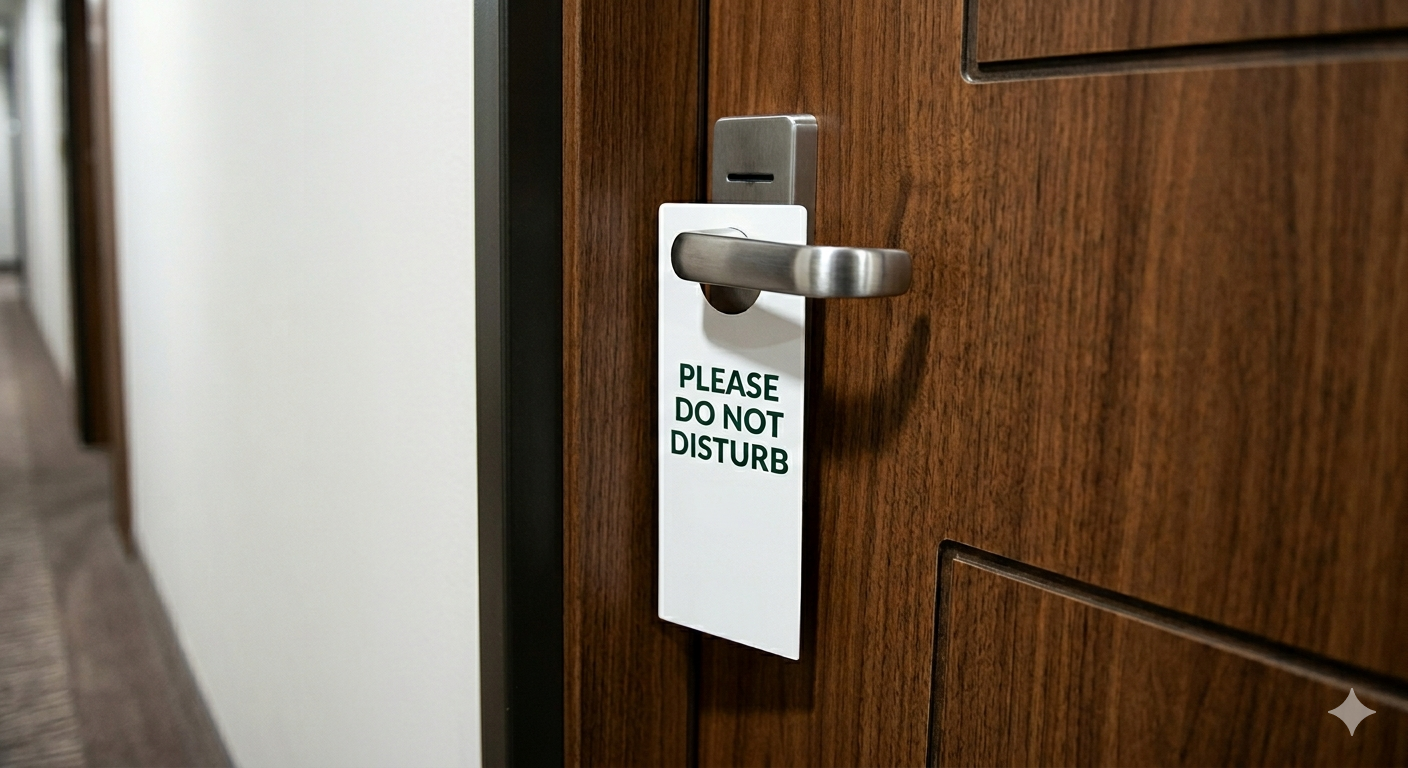
Please Do Not Disturb
The lecture begins, following two announcements to silence your phones, lest they disturb others. The lecturer, exhibit curator, Dr. Ya’ara Keydar, tells stories that breathe life into the exhibit, sharing her incentive, the history of objects, symbolism of objects, fashion trends, red lipstick, wedding gowns sewn from parachutes, explaining the daisy motif in Gottex swimwear. But you can read about the exhibit, Heroines: Fashion and Hope in World War II, if getting tickets to the lecture and visiting it at Design Museum Holon isn’t an option. Keydar’s lecture includes anecdotes about the obstacles confronted when war with Iran delayed the exhibit opening.
Restoration technology and knowhow enabled replicating fabrics and designs from 1939, substituting for examples exhibited in Milwaukee. AI and 3-D printing produced heads for mannequins with WWII period hairstyles for women. Items from Yad Vashem collections were given a space of their own. Ways women found to sustain hope and humanity amidst war – whether in Nazi concentration camps or factories where women replaced men at war for the Allied forces. My thoughts drift: women (and men) continuing to find ways to embrace hope through war.
A lecture, with light strokes, evokes a tear by association, painful moments in history, in Jewish history. Uplifting touches, stories of women defying history. Knowhow, human skill, technology, AI, willpower – powers as impressive as the lecture and the exhibit, and inseparable from them.
Charged with cultural energy, we rush home to get our family, Friday night dinner ready for 10.
Saturday morning – headed for Jerusalem, another exhibit, A Voice from the Desert: The Great Isaiah Scroll, at the Israel Museum. Like the lecture the day before, tickets purchased in advance were required to see this oldest known manuscript of a biblical book in its entirety – which since 1968, but for a replica, has not been displayed to the public. Groups of 25 visitors at their reserved time slots are allowed 7 minutes in the closed room to see the manuscript, observing the prophet’s words: “The wolf will live with the lamb, and the leopard will lie down with the goat,” (Isaiah 11:6), among other widely quoted verses.
Moving through the open part of the exhibition, here too, evidence of technology, knowhow, preservation, and reconstruction. A video demonstrates fleece removed from skins that became parchment for the biblical scrolls. (Methods from a few thousand years before technologies for reconstructing the fashion of 1939.) Reproductions of the original manuscript cover the walls in this space. A guide points at one verse and another, “[Peoples] will beat their swords into plowshares and their spears into pruning hooks,” (Isaiah 2:4) he reads aloud. I can’t refrain, adding, “And we’re still waiting.”
That is no disturbance to our cultural interlude. We proceed to another exhibit.
Heading home, I remember a headline that crossed my phone screen while Haim drove on our way to Jerusalem. An IDF soldier killed a 7-month-old Palestinian in Hebron on Friday night. My inner scream acknowledged this news, and we headed for a museum.
Saturday evening news: more details about the Haredim attempted pogrom at the home of Deputy Supreme Chief Justice Sohlberg. Next item: Two IDF soldiers killed in Lebanon – two more bereaved families. Jewish settlers and IDF soldier documented attacking Palestinians in the West Bank town, Huwara, 9 reportedly injured until security forces arrived two hours later.
But I took a weekend interlude, culture. I was drawn to a painting before leaving the Israel Museum. Though more colorful than The Scream, it reminded me of the Edvard Munch piece. Text tacked aside the painted panels explains the triptych by Orit Hofshi was inspired by a West Bank dispute over access to natural springs, symbolic of the conflict between Palestinians and Jewish settlers. The artist, it says, is the daughter of Holocaust survivors.
Lectures, museums, and requests to silence telephones, as in, “please do not disturb.” In response, I tell myself, “Please do not disturb. We are disturbed already.”