


Police Betrayal: When PTSD is Treated as a Crime
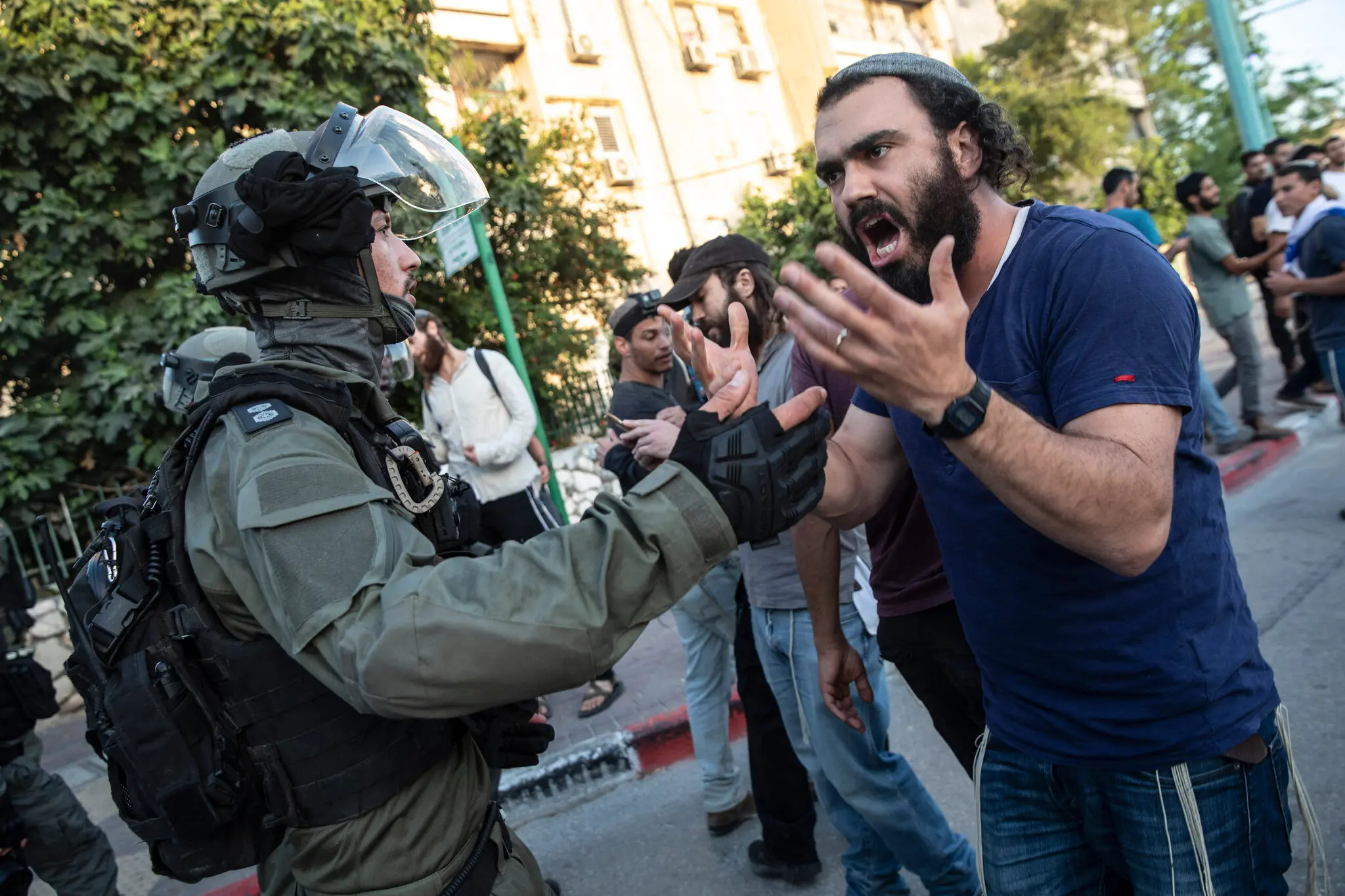
The thin blue line isn’t just holding back chaos; it is now actively crushing the very people tasked with maintaining it. A harrowing new investigation by The Hottest Place in Hell research site has pulled back the curtain on the institutional rot within the Israel Police, revealing a toxic culture where trauma is treated not as an injury, but as a professional failure and a liability to be silenced.
For years, police officers—women and men—have been the first responders to our worst national nightmares: terrorist attacks, horrific road accidents, and scenes of violence that would shatter anyone’s psyche. Yet, when the weight of these horrors becomes unbearable, these same officers find that the organization they bled for turns its back on them.
The “Weakness” Penalty
The internal culture of the police is, to put it bluntly, aggressively macho. It is an environment where admitting vulnerability is effectively a career death sentence. Officers describe a reality where seeking help from a mental health officer (KABAN) is coded as weakness. But the betrayal goes deeper: the supposed “confidential” treatment summaries routinely leak to direct commanders, transforming a medical process into a disciplinary one.
The immediate reaction? Stripping the officer of their weapon, often in front of their peers, turning their personal struggle into public humiliation. As attorney Ben Kissos, who served in the Yasam unit, noted: “It’s convenient for everyone to treat us as ‘damaged goods’.” When a commander finds out a subordinate is in therapy, their priority is self-preservation, not care.
Bureaucracy of Neglect
For those not classified as victims of the October 7th atrocities, the path to healing is a labyrinth of bureaucratic indifference. If you are a police officer, you are trapped in “status zero.” You are often ineligible for rehabilitation benefits until your PTSD is officially recognized, yet the process of achieving that recognition is intentionally grueling.
Thousands of officers are currently waiting for medical boards, their futures dangling in the balance of treasury budget approvals. Those who cannot afford private therapy are left with the police’s own meager support system—a system that functions as a part of the human resources machine, not a sanctuary for the suffering.
Institutional Gaslighting
The most heartbreaking element of this investigation is the gaslighting of those who risked everything. We are talking about officers who have seen the “smell of charred flesh” linger on their uniforms for days, only to be told by the system that they are “whining.”
When an officer finally gathers the courage to seek help, they don’t find a safety net. They find a system that asks, “How can we protect the department from this liability?” We see cases where officers—who openly admit to suicidal thoughts and have begged for help—are still expected to carry weapons during shifts, only to be forced to deposit them at the end of the day. The message is clear: You are a tool to be used while you are functioning, and a burden to be discarded when you break.
A Call for Accountability
This is not just about police policy; it is about our collective failure to protect the people we put in harm’s way. The current cabinet, with its radical detachment from reality, continues to oversee a system where the mental health of public servants is treated as an afterthought.
When we ask for an accounting of why the police are failing, we must look at this systemic cruelty. We demand a radical shift: full, autonomous mental health care that is decoupled from the chain of command, genuine transparency for those seeking help, and an end to the culture that turns a mental health crisis into a firing squad.
If we claim to be a society that values the protection of our citizens, we must start by protecting those who protect us. Anything less is a betrayal of the most basic human rights. It is time to treat police trauma with the urgency it deserves—before the list of those lost to despair grows any longer.