


Stephen J Stern PhD
Politicians Want the Cowboy’s Vote. But Where Does He Belong?
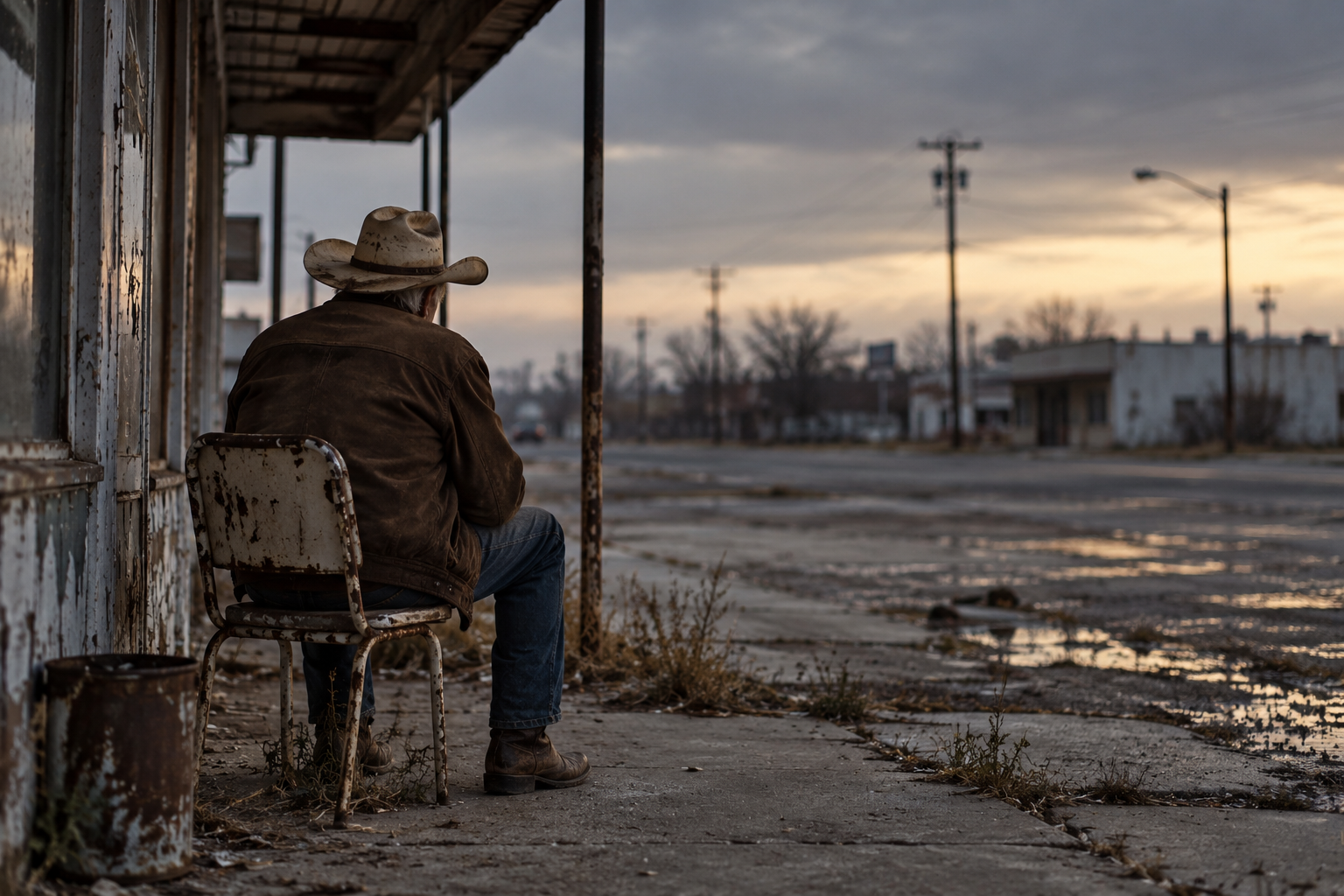
AI image from author.
Dr. Semoff came at me with a needle when I pulled my gun out and hit him in the head. I was three or four. From then on I had to check my pistols with nurse Liz, who said upon me entering the office, “Stephen, check your guns.” I felt like a cowboy when hearing that.
My life was nothing like a cowboy’s. We didn’t have horses. I slept in a bedroom on a comfortable bed. People looked out for me. I didn’t wear the same clothes day after day, I wasn’t filthy, and I ate really well. I didn’t suffer from unrelenting athlete’s foot and other types of never-ending itching that came with that work. I had neighbors. Friends. I lived near a city called Tucson. I had a great time. Do you know who didn’t have a great time? Cowboys.
They were filthy and always scratching, but according to the myth, free from the gazes of others. The glorification of the cowboy didn’t really reflect reality. A more apt characterization is struggling men without friends. Looking around today, we find lonely older men, today’s cowboys without the itching.
Older men have experienced loneliness before. What has changed is how many older men there are and how long they remain old. In 1900, only about four percent of Americans were 65 or older. Today it is roughly one in six. In 1900, life expectancy at birth for an American man was 46 years. It’s now 75. Most men were not dying at 46, childhood mortality pulled down the average. But it is clear old age today occupies a very different place in American life.
American men have fewer close friends.* In 1990, 55 percent of American men reported having at least six close friends. By 2021 the number had fallen to 27 percent. The percentage of men saying they had no close friends increased from 3 percent to 15 percent.
We have a lot of cowboys. Except the historical cowboy wasn’t the cowboy we invented. Cowboys worked in groups. A cattle drive normally had a dozen or more men working together for months, depending upon one another while belonging to an outfit. If a man didn’t show up, somebody noticed. The solitary cowboy riding across the horizon with nobody telling him what to do is the myth we created afterward.
That myth matters. We turned the cowboy into an ideal of masculinity that doesn’t need anyone. He answers to nobody, always taking care of himself, riding alone to nowhere. Our myth washed off the filth, the scratching, and the misery while keeping the independent freedom from community. But it also removed something. Belonging. Loneliness is what the loss of belonging feels like.
The ideals we associate with masculinity, independence and self-sufficiency make social isolation more difficult to escape. Men are also less likely than women to describe themselves as lonely even when measures of loneliness indicate that they are.
Medicine and better nutrition keep us alive through things that once killed us. People still die at work, in the fields, so to speak, but far fewer do. We retire, receive treatment and eventually die in hospitals, hospice, nursing homes/facilities or under the care of our families, and sometimes alone.
As the election approaches, politicians will ask older people what they need. The answers involve security, Social Security, health care, taxes and the cost of living. Those things matter. But another question is worth asking. Where do these people belong? How do they belong?
Keeping someone alive and giving someone somewhere to belong are different achievements. This is why responding to loneliness among older people requires more than simply finding someone for them to talk to. Volunteering, community organizations, group activities and programs that connect older people with recurring social roles restore something that precedes friendship, a place to go with a role for meeting the needs of others. Here, their absence is noticed.
The cowboy survives the cattle drive. And then he has to figure out who is riding home with him. The problem isn’t that nobody is riding beside him. It is that he no longer knows where home is.
Home: https://youtube.com/shorts/Pkn2PhQf_zI?is=iVMylxMyPmCnGD5b
*https://www.americansurveycenter.org/why-mens-social-circles-are-shrinking/