

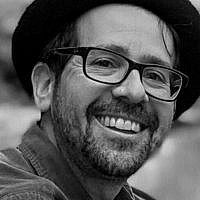
Prophets Must Arise: A New Mantle for Our Age
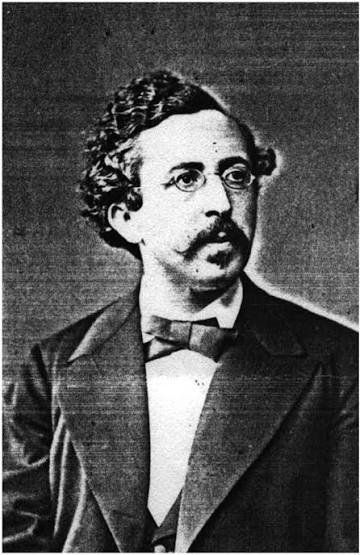
Prophets Must Arise: A New Mantle in the work of Hermann Cohen
By Rabbi-Cantor Michael McCloskey
The Myth of the Broken Mantle: Questioning the End of Prophecy
There is a pervasive idea within Judaism that the era of the prophets and prophecy in general ended with the destruction of the second temple and that the last prophets were those who “took up their mantles” during the early part of the Second Commonwealth: Haggai, Zechariah, and Malachi. In fact, the Talmudic sages assert in the Babylonian Talmud: Tractate Bava Batra that:
מִיּוֹם שֶׁחָרַב בֵּית הַמִּקְדָּשׁ, נִיטְּלָה נְבוּאָה מִן הַנְּבִיאִים וְנִיתְּנָה לַשּׁוֹטִים וְלַתִּינוֹקוֹת.
From the day that the [second] temple was destroyed, prophecy was taken from the prophets and given over to fools and school-children.
No religion, people, or culture (and Judaism entails all of these) is monolithic, and throughout history, there have been figures and personalities who have challenged this notion, including Moses Maimonides, who intimates in his philosophical work of genius, Guide for the Perplexed, that prophecy is a natural phenomenon. Though he speaks with great subtlety, a close reader can discern that Maimonides asserts that the philosophers are prophets. Their intellectual and moral training and their highly developed imaginative faculty parallel that of the Israelite seers. Not only that, but he intimates that he himself has the intellectual and moral perfection requisite for the mantle of prophecy.
Approximately seven-hundred years later, another ethical rationalist philosopher, Hermann Cohen, paved a pathway for a revival of prophecy. Cohen, himself an admirer of the Maimonidean path, and the leader of the Neo-kantian school of philosophy in Marburg, Germany, studied the Guide for the Perplexed with his father, Cantor Gerson Cohen, as a youth and teenager before enrolling in the rabbinical seminary in Breslau, headed by Zecharias Frankel, the founder of Positive-Historical Judaism (which became what we know as Conservative-Masorti Judaism).
In 1861, Cohen decided to leave the seminary for a career as a professor and thought leader in the university wherein he became an devotee, interpreter, interlocutor of the work of Immanuel Kant, whose essential idea is that human reason shapes our experience of the world and sets the rules for moral behavior. Cohen’s appointment to full professor in 1876 paved the way for the Neo-Kantian school in Marburg. His students in Marburg included, among others, noted Jewish philosopher Franz Rosenzweig, noted philosopher Ernst Cassirer (known for his work on symbolic forms), the famous Spanish philosopher and essayist Jose Ortega y Gasset, Hans Georg-Gadamer, the founder of modern philosophical hermeneutics, and Russian novelist Boris Pasternak. The work of Cohen and the Neo-kantians of Marburg also influenced political philosopher and historian of philosophy, Leo Strauss, and Martin Buber.
Vis a vis a revival of modern prophetism, Hermann Cohen brings an important and highly relevant voice to bear, less known and celebrated than Abraham Joshua Heschel, and yet equally important for the ethically courageous and humanely compassionate. In fact, in a fellowship under the auspices of the New Jewish Academy and sponsored by the Goethe Institut, Boston, Pardes Institute of Jewish Studies, and CLAL: The National Jewish Center for Learning and Leadership, I, along with eleven other rabbis, graduate students, and professors, explored this very question.
For five days, we, along with Dr. Avi Bernstein-Nahar, leader of the New Jewish Academy and formerly of Brandeis University and Professor Robert Schine, a scholar and translator of Cohen’s Neo-Kantian and Jewish works, engaged with Cohen’s last work Religion of Reason Out of the Sources of Judaism in conversation with poetry, song, other philosophers, doing a close reading of the text in English and sometimes in the original German as well. In addition to our grappling with the text and its contextual meaning and meaningfulness (its relevance to the challenges of our time), we shared meals together and attended two public lectures, one by founder Bernstein-Nahar on the origins of the English translation of Religion of Reason and the connection both to the the Marburg Neo-Kantian school and St. John’s University and one called “American Jews at a Moral Impasse: What German Judaism Can Teach Us” with Professor Micah Gottlieb of NYU with Robert Schine as a respondent. As the culmination of our learning, we were asked to give a talk. Avi, Robert, and the board of the Academy, composed of a cadre of professors and scholars, adjudicated, and awarded the most compelling talk a prize.
I was honored with this prize, and will share the case I made for a revival of the prophetic voice in our time, based upon Cohen’s magnum opus. My talk was called Aufgabe: The Task, the Vocation.
The Vocation: “Would that All God’s People Were Prophets” [Numbers 11:29]
Attunement to a prophetic frequency begins, for Cohen, with creation, but not creation as we know or imagine it. According to Cohen, creation is not about the formation or ordering of cosmos, but about constant renewal and recreation, the Divinity who “renews each and every day constantly the work of creation” (morning liturgy). This recreation happens, according to Cohen, through what he calls correlation. In his own words, “The Transcendent reveals Godself not in something, but only to something, i.e. the human being. More specifically, the mensch, according to Cohen, is created through reason, but the term “reason” is misleading. Cohen uses the German word “Vernunft”, which has, in addition to a logical dimension, an ethical dimension. It entails “practical good judgement”, what our sages call “derekh eretz”, ethical social behavior.
In other words, the human being only becomes human, or humane through the synthesis of a logical and ethical stance toward our world. This kind of conscious activity is what Cohen calls the Idea of God, wherein physics and jurisprudence meet. According to our eminent philosopher, when we engage in higher-level thinking from a “bird’s eye perspective, we begin to notice the patterns, the repeating challenges, the problems of our societies, what he calls Geshichte. Assessing these challenges and problems, we work to ameliorate them through tikkun, or restitution within the state, what Cohen calls the ethics of the pure will. We work, through organizing, protesting, educating, legislating, to build the necessary scaffolding for change, for renewal, the kind of creation Cohen believes in.
Cohen’s Idea of God either evolves, or perhaps, is first articulated by our Neo-Kantian in a Religion of Reason as holy spirit, in Hebrew ruah hakodesh, a term that is evocative of prophecy. In his own words:
“Holiness effects the development of the spirit of knowledge into the spirit of the will and action; holiness serves as a mediating concept for this development. And as the spirit in general is the mediating concept in the correlation of God and man, so also the spirit serves to mediate holiness in order to bring about this correlation.
Cohen’s writing is famously dense and enigmatic, but what he means is that neither holiness nor Holy Spirit are independent entities or permanent states, nor are they the numinous heilige of Rudolph Otto. Vis a vis human beings, they indicate moral striving and process engendered by action.
Just as Cohen’s reframing of creation is both radically contemporary and yet anchored in a close reading of the sources, so is his redefining of revelation. Cohen’s concept of revelation, like creation, invests in human agency, moving it from the mountain (Sinai or Horeb, your choice) into the heart of the individual human being. A close reader of scripture, he notices the bold and brilliant shift that the Deuteronomist makes by shifting revelation from a highly mythical experience that happened one time into a perennial and highly personal endeavor, a calling or vocation, as if to say to the person, here is the state of the world, here is the brokenness, “Ayeka/Where are you?” What will you do to repair it? How will you stand in the breach? Or, in his own words:
לֹ֣א אֶת־אֲבֹתֵ֔ינוּ כָּרַ֥ת יְהֹוָ֖ה אֶת־הַבְּרִ֣ית הַזֹּ֑את כִּ֣י אִתָּ֔נוּ אֲנַ֨חְנוּ אֵ֥לֶּה פֹ֛ה הַיּ֖וֹם כֻּלָּ֥נוּ חַיִּֽים׃
Not with our ancestors did the Transcendent One cut this covenant but with us, the living, every one of us who is here today. —Deuteronomy 5:3
In this sentence the whole historical thread is rejected; rather, it is immediately attached to the men of the present. Thereby the spirituality of revelation is detached from the single event in primeval times, and in all clearness established in the living renewal of the national community.
Cohen expertly utilizes other passages from Deuteronomy and the prophets to build his case, but this is the most memorable:
כִּ֚י הַמִּצְוָ֣ה הַזֹּ֔את אֲשֶׁ֛ר אָנֹכִ֥י מְצַוְּךָ֖ הַיּ֑וֹם לֹא־נִפְלֵ֥את הִוא֙ מִמְּךָ֔ וְלֹ֥א רְחֹקָ֖ה הִֽוא׃ לֹ֥א בַשָּׁמַ֖יִם הִ֑וא לֵאמֹ֗ר מִ֣י יַעֲלֶה־לָּ֤נוּ הַשָּׁמַ֙יְמָה֙ וְיִקָּחֶ֣הָ לָּ֔נוּ וְיַשְׁמִעֵ֥נוּ אֹתָ֖הּ וְנַעֲשֶֽׂנָּה׃ וְלֹא־מֵעֵ֥בֶר לַיָּ֖ם הִ֑וא לֵאמֹ֗ר מִ֣י יַעֲבׇר־לָ֜נוּ אֶל־עֵ֤בֶר הַיָּם֙ וְיִקָּחֶ֣הָ לָּ֔נוּ וְיַשְׁמִעֵ֥נוּ אֹתָ֖הּ וְנַעֲשֶֽׂנָּה׃ כִּֽי־קָר֥וֹב אֵלֶ֛יךָ הַדָּבָ֖ר מְאֹ֑ד בְּפִ֥יךָ וּבִֽלְבָבְךָ֖ לַעֲשֹׂתֽוֹ׃
For this command/aufgabe/task which I command you today is not too wondrous for you nor too far off. It is not in the heavens that you should say, “Who will go up for us to the heavens and take it for us, teaching it to us that we may do it!?” Nor is it across the sea that you should say, “Who will cross over the sea and fetch it for us and teach it to us that we may do it!?” For the matter is exceedingly close to you, in your mouth and in your heart to do it”. —Deuteronomy 30:11-14
Additional texts that anchor Cohen’s empowering approach include:
וְהָיוּ הַדְּבָרִים הָאֵלֶּה אֲשֶׁר אָנֹכִי מְצַוְּךָ הַיּוֹם עַל־לְבָבֶךָ׃
And these matters that I command you today shall be upon your heart/mind – Deuteronomy 6:6
The words of Rashi beautifully bolster Cohen’s case.
אשר אנכי מצוך היום – לֹא יִהְיוּ בְּעֵינֶיךָ כִדְיוּטְגְּמָא יְשָׁנָה שֶׁאֵין אָדָם סוֹפְנָהּ, אֶלָּא כַּחֲדָשָׁה שֶׁהַכֹּל רָצִין לִקְרָאתָהּ;
That I command you this today – They should not be an antiquated ordinance that a person no longer cares for, but rather something new that all run toward —Rashi on Deuteronomy 6:6
All of these sources support Cohen’s insistence that the holy spirit, the holy status or sanctity of individuals, families, communities, states, and nations (whether the United States or Israel) is not a state of being, not a given, but something that involves becoming, something that is earned, through inspired action. For this reason, he invokes this classical rabbinic midrash as his prooftext.
מעיד אני עלי את השמים ואת הארץ בין ישראל בין עכו”ם בין איש בין אשה בין עבד ובין שפחה הכל לפי המעשה שהוא עושה כך רוח הקודש שורה עליו
I testify before the Heavens and the earth, whether among Israel and the nations, man or woman, male or female persons in servitude, it is only according to the action that one does that the Holy Spirit/prophecy rests upon one. —Tanna de Rabbi-Eliyahu
But what is this action that animates Cohen’s modern prophetism? What is the “prize” that we must keep our eyes on”. What is “the matter that is exceedingly close to us, in our mouths and hearts to do it!?” It refers to human beings in the realm of the social. The real correlation, the correlation that is somewhat wrapped up with mystery, to paraphrase Cohen, is “in the reciprocal correlation between men, and accordingly”, he says”, the content of the correlation of God and man also grows.” In other words, we come to correlate to the Transcendent by first correlating to human beings.
For Cohen this means what my teacher of Bible, Dr. Job Jindo, calls “Awareness of the Transcendent”, his translation of Yirat Elohim/Adonai”, meaning not only seeing with our perception, but realizing that there is an additional dimension of reality that goes beyond empiricism; This is the or haganuz, the light of the first day, hidden away for the righteous. I don’t think it was a mistake that Buber’s Hebrew Title for Tales of Hasidim is this very phrase. Buber, like Cohen, tried to teach us to see more deeply and more encompassingly. Cohen’s transcendental method entails not ‘being led astray by your heart or your eyes” [Numbers 15:39], which means sensory perception and our emotions/desires.
What should we see, or envision, to use a term more suggestive of prophecy, according to Cohen? What does attunement or a higher consciousness that aspires to holy spirit look like? In his own words:
The prophet rises above the level of primitive belief, which blindly assumes a correspondence between goodness and well-being and between evil and woe. This correspondence would do well if well-being and woe were only subjectively distinguished. The social differences, however, must be recognized as objective; otherwise, the concept of the essential moral and cultural tasks of man is in danger of being destroyed.
Cohen is talking about social inequity and social disconnection, which are the result of systemic problems and patterns that the astute student of Geshichte perceives. The Hebrew Bible demands protection and care for the widow, the orphan, and the stranger, demands that reach a frenzied crescendo in the writings of the prophets. “Who are the new widows and orphans of our day?” calls the modern prophetic voice Not only the poor, whom Cohen views as indicative of a social and cultural crisis, but perhaps the incarcerated, those struggling with substance use disorder (I recently attended a conference for clergy on substance use order at Harvard Divinity School and one of the biggest “takeaways” is that the opposite of addiction is connection), and the undocumented.
And how do we create a society, a culture, or a state responsive to these inequities and to this sense of dislocation of marginalized populations? We remove the occlusion for our hearts and emote. “It is close to you, in your mouth and in your heart to do it.” It is as if Hermann Cohen says “Open your heart and speak up, communicate, hay m’dabber, speaking being of reason (as Maimonides and other medievalists call the human being). Cohen says, on a very personal note:
Knowledge, of course, would never have brought me to this truth if it had not dawned on me in the thing-in-itself of the will, if mitleid, compassion, literally “with sorrow”, meaning empathy, the organ of the will, had not put this truth into focus. Thus mitleid, compassion, is more than knowledge, which represents merely the phenomena. Compassion is the messenger of the will, therefore of the thing-in-itself. And thing-in-itself means the identity of all that appears as man.
Internal Family Systems, a therapeutic approach, developed in the 2000s involves empowering the patient to love all their parts, especially the wounded and protective ones, even when they cause the patient to act out in destructive ways. Both Cohen and IFS embody compassion for all that is man. A person murders, a person offends, a person is not a murderer or offender, is what Cohen is teaching.
What is the ground for this kind of prophetic attunement and action, or what Heschel called being “B’nei n’vi’im”, disciples or descendants of the prophets? The state. In Cohen’s own words:
The proper historical understanding of monotheism must be based on the correct understanding of the Israelite theocracy. Religion develops in connection with the development of the state. The prophets fight the priests. But if the priests are servants of the state and therefore also rulers of the state, so also are the prophets politicians, and they are unable to develop religion in any other way than by participating in the conflicts within the state and society. If, therefore, their religion must affirm and realize its share of reason in morality, it must be inextricably linked with politics and its view of the social question.
Cohen teaches us, albeit subtly, that the holiness and sanctity of our nations, our institutions, our communities is earned, not a God-given right, and that when there is cultural and social decay, prophets must arise. When Joshua criticizes Eldad and Meidad, two Israelite youth who are inspired to prophecy, Moses retorts, which is Cohen’s favorite verse.
וּמִ֨י יִתֵּ֜ן כׇּל־עַ֤ם יְהֹוָה֙ נְבִיאִ֔ים כִּי־יִתֵּ֧ן יְהֹוָ֛ה אֶת־רוּח֖וֹ עֲלֵיהֶֽם׃
Oh would that all the people of the Unconditional be prophets that the Transcendent place a [Holy] Spirit within them”.
And this is not, by any means, limited to Jewish persons. In the prophets we learn:
גַם־מֵהֶ֥ם אֶקַּ֛ח לַכֹּהֲנִ֥ים לַלְוִיִּ֖ם אָמַ֥ר יְהֹוָֽה׃
And also from among them [i.e. the nations] shall I take for priests and attendants, says the Transcendent —Isaiah 66:21
What would this look like for our Jewish institutions, our human institutions, our Divinity schools, our seminaries? Are we educating our congregants and students, empowering them with enough resilience and panache to be actors within the state? And even more importantly, how do we get there? How do we build the scaffolding? Mussar, an age- old Jewish approach to personal character development, ethical behavior, and refining inner traits, helping our congregants and students to change their inner landscape, may be an intermediate step to manifesting a prophetic spirit. To this end, I am starting a monthly Mussar group to help my community develop this kind of spiritual discipline.
Another approach is utilizing the arts to generate greater sensitivity to the suffering that exists all around us. Recently I attended a talk by an Imam at Harvard Divinity School. “We in the Muslim community push down our suffering and grief”, he said. “We have so many doctors, healers of the body, but what we need are poets and artists, healers of the spirit”.
Cohen’s philosophical system rests upon three pillars: “pure reason”, “pure will”, each of which we have explored, and the third, “pure aesthetics”. According to Cohen, artistic sensitivity and appreciation help to remove the occlusion from our hearts and awaken our sense of empathy.
Mitleid/Compassion must be stripped of the passivity of a reaction and must be acknowledged as a whole and full activity in itself. The moral, the pure will, is determined by the fact of the affect. This goal is the community, in which the mit-mensch the fellow-person originates. And compassion turns out to be a lever of moral consciousness.
Cohen, however, was not a disconnected academic in an ivory tower, but himself an actor within the state, a person galvanized by a holy spirit or moral audacity and courage. While at Marburg, he was involved in the defense of Judaism, as the dream of German unification, (which happened in 1871) actually led to rounding up of refugees, socialists, dissidents, immigrants, state-sponsored anti-Catholic action sponsored by Chancellor Bismarck, and the rise of Anti-semitism (a time hauntingly similar to our own). These apologetics took the form of writings and a very public trial and took a serious toll upon Cohen. However, they also galvanized him to write some of his most important Jewish philosophical works, synthesizing the best thinking in the German tradition of Goethe and Schiller with that of the Hebrew Bible and rabbinic writings. Putting forth such a bold and demanding idealism in the face of Zionist nationalists (He was an internationalist) also demanded great conviction. In fact, Cohen was also a statesman. He traveled and lectured on behalf of unified Germany to the Osten-Juden (Eastern European Jews) with the intent of creating living communities wherein the prophetic voice could resound.
There is a story shared by Cohen scholar and Jewish Theological Seminary scholar, Shirah Billet, about Cohen’s own ongoing engagement with moral courage. Cohen, in an 1886 letter to a friend wrote:
Anyone who does not live hollowly has his own personal little verse, as each Jew obtains from his father, that he always recites before the end of the great 18 Benedictions. Shall I cite for you one that is mine?
Some necessary textual background for this anecdote is that Cohen’s Hebrew Name was Yechezkel (Ezekiel). The chosen biblical verses Cohen speaks of are those which include the first and last letter of one’s Hebrew name. Cohen’s verse is from Psalm 118, including in the Hallel service, which we chant on the New Moon and Festivals.
קוֹל רִנָּה וִישׁוּעָה בְּאׇהֳלֵי צַדִּיקִים יְמִין יְהֹוָה עֹשָׂה חָיִל׃
In the tents of the righteous, the sound of song and liberation resound; The right hand of the Unconditional acts courageously
—Psalms 118:15
In Cohen’s coda to this letter, immediately after this verse that literally spills over with redemptive spirit, Cohen says:
I too need to become more courageous
What a fitting verse for this idealist, whose ideas, whose prophetic spirit are needed more than ever today. I too strive, through my teaching (at the Academy for Jewish Religion in Yonkers, NY), activism, pastoring, and synagogue leadership (at Temple Emeth, Chestnut Hill, MA), to be more courageous.