
Protection Is Not Inclusion
Lately I have been thinking about the 2026 Super Bowl ad that raised awareness about antisemitism in schools and how much I disagree with it. While I was happy to see that the topic has risen to this level of cultural awareness, the implied solution has so far not been very effective and has led to unintended consequences that have hurt my community and others like mine.
The ad depicts a Jewish teenager finding a slur taped to his backpack right before a classmate covers it with the symbolic blue square in solidarity. The intention here was good, but the framing was familiar: Jews seen primarily through fear, vulnerability, and the need for protection. The problem is not that Jewish students need protection. The problem is when protection becomes the only lens through which we are seen, whether in a Super Bowl ad or on campus.
Efforts to address antisemitism at universities often create a strange double standard produced by an overreliance on this understanding. I have repeatedly been told that the priority of my community’s leaders is to keep Jewish and pro-Israel students safe, but that concern has too often resulted in treating us less like equal participants in campus life and more like risks to be managed.
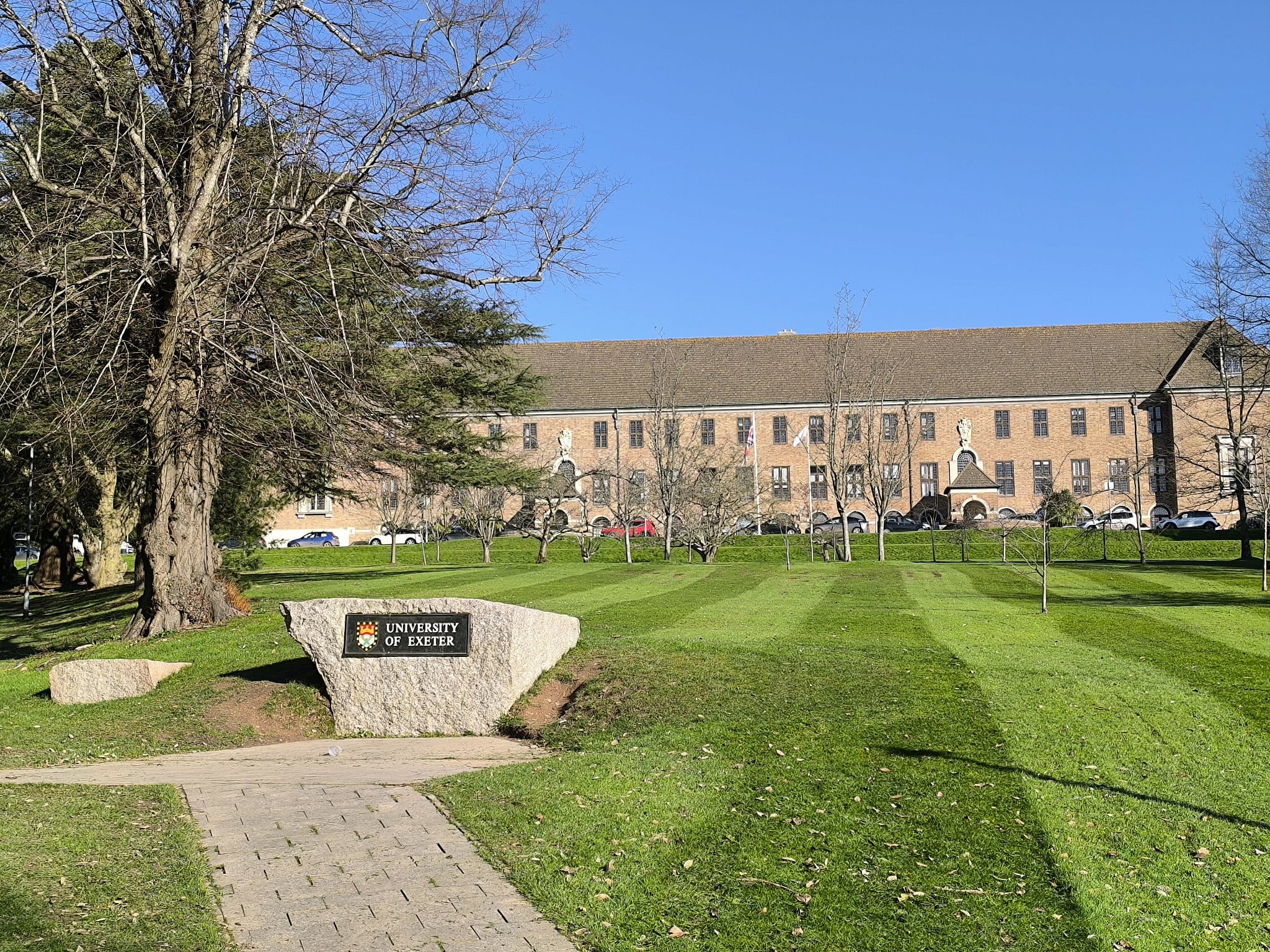
As a student at the University of Exeter involved in organizing Jewish and pro-Israel student life, I have seen how this plays out. The language is usually careful and well-intentioned. Administrators talk about safety, sensitivity, and avoiding escalation. But the outcome is often the same: Jewish students are encouraged to be quieter, more cautious, and less visible.
In 2024, a Jewish and Israel Society stall at Exeter was met with hostility. Flyers were torn. Objects were thrown. Students faced harassment and intimidation. Yet instead of ensuring the stall could continue, the university shut it down, citing an inability to guarantee our safety, and those staffing the stall were escorted off campus. The agitators got what they wanted. Despite our requests, no public apology or statement followed. The message was simple: if our presence becomes a problem, our presence will be removed. That is not equality. A university committed to inclusion should not respond to hostility against a minority group by removing that group from public view. It should deal with the hostility.
Since then, this pattern has only been reinforced.
The contrast with other campus incidents has been striking. When a “Freedom Society” event in October 2024 was later criticized as Islamophobic, the university responded swiftly and publicly, with statements, apologies, and procedural reviews. Yet when Jewish students have faced harassment and intimidation, the response has been muted, private, and far less clear.
Unfortunately this is not limited to one incident. We have been repeatedly advised by our university “for our own safety” to avoid discussing October 7, Israel, or politics at public events.
At the Freshers’ Fairs in both 2024 and 2025, Jewish and pro-Israel students were instructed by university event staff to remove specific flags and flyers from their stalls to avoid controversy, even requiring pre-approval, while political and cultural symbols appeared at other stalls without the same scrutiny or oversight.
Taken individually, these cautious decisions appear reasonable. Together, they form a clear pattern: Jewish students are not simply protected but instead managed. The expectation is that we limit our visibility to preserve the “peace”, while those who target us face little accountability. Jewish identity becomes an inconvenience to contain rather than a community to support and embrace.
The same logic also shapes how antisemitism is discussed in diversity, equity, and inclusion frameworks. Jewish concerns are often acknowledged indirectly or grouped into broader discussions of extremism, rather than addressed with the specificity afforded to other forms of hatred. In a university-wide update referencing the Manchester synagogue attack, the message broadened to include attacks on mosques, right-wing extremism, and anti-migration protests. Those are serious issues, but placing them alongside an attack on Jews at a synagogue blurred the specific nature of antisemitism rather than naming it directly.
Protection at the cost of visibility and equal participation is not safety; it’s injustice disguised as empathy. A campus that protects Jewish students by making them less visible has not solved antisemitism. It has accepted its inevitability and adapted around it, to everyone’s detriment.
Jewish and pro-Israel students should not be treated as fragile exceptions to campus inclusion. Exeter should stop responding to hostility by limiting our visibility. Instead, they should ensure that our events, stalls, and speakers are protected on the same basis as everyone else’s and actively encourage student protestors to express their disagreements with us in a more appropriate manner. When Jewish students face harassment, the response should be public, clear, and backed by consequences.
True inclusion cannot coexist with an unwritten rule that marginalized groups must hide to stay safe. Addressing antisemitism properly means more than keeping Jewish students out of danger. It means ensuring that we do not have to disappear in order to belong.