
Where Objectivity Meets Reality
Recognition of Palestine: A fig leaf for Western inaction
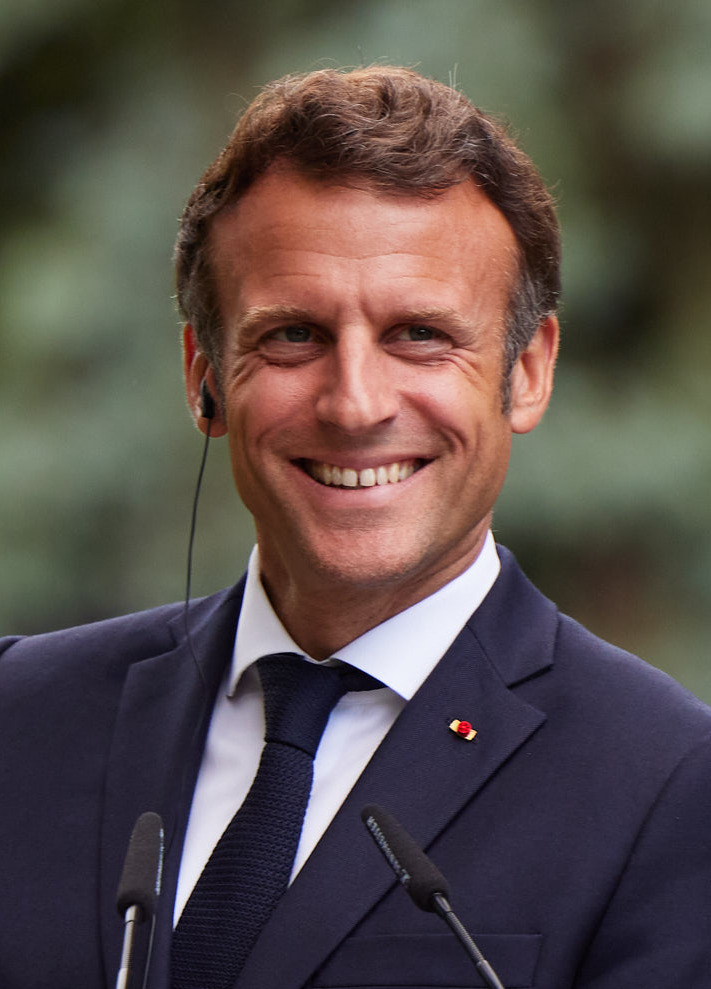
French President Emmanuel Macron (CC BY 4.0)
Suddenly, European countries are tripping over each other to recognize Palestine. France is considering it, Portugal is on board, the UK seems to be shifting, and even Canada – long seen as a close ally of Israel – is now speaking in sympathetic terms about “recognition.” What may sound like bold diplomatic action is, in truth, a painfully transparent display of political hypocrisy. It changes nothing on the ground: nothing for the rockets fired from Gaza, nothing for the corruption in Ramallah. But it does allow politicians to declare with a straight face: “Look, we’re doing something for peace.”
Only: they’re doing no such thing. This isn’t foreign policy; it’s domestic crisis management. A moral smokescreen. A fig leaf meant to cover the West’s own impotence.
The shadow of elections
You don’t need an imminent election to act out of electoral self-interest. In countries like France, the UK, and Canada, political nerves are fraying. Major cities are simmering with polarizing demonstrations, ministers are panicking about their left-wing base, and the streets echo with slogans that suspiciously resemble those of Hamas. In this context, recognizing Palestine isn’t a strategic decision. It’s a demagogic band-aid.
Pressure from pro-Palestinian lobbying groups, well-oiled media campaigns, Islamist organizations, and a naive idealism among parts of the electorate have pushed Western politicians into symbolic gestures – rather than meaningful solutions. The West is performing for its own audiences, not solving anything in the Middle East.
A flag over a fictional state
What does this recognition actually change? Will it bring a ceasefire? Will Hamas disarm? Will Jenin or Rafah hang out white flags? Of course not. There is no real Palestinian state – no functional government, no unified leadership, no democratic legitimacy. What exists today is a fragmented patchwork: one part ruled by a discredited, corrupt Palestinian Authority, and the other by a genocidal terror organization.
Recognizing such a “state” outside of negotiated agreements doesn’t move peace forward – it dismantles what little foundation for peace remains. The Oslo Accords, still Israel’s reference point, clearly state that Palestinian statehood must come through direct negotiations. Unilateral recognition is not just unhelpful – it’s actively harmful.
Israel: willing to compromise, not to pretend
Despite what the international media often suggests, Israel is not opposed to a two-state solution. In fact, Israel has repeatedly shown willingness to negotiate – on the condition that security, mutual recognition, and long-term viability are central. Think of Oslo, Camp David, Taba. Think also of the painful steps already taken: the 2005 withdrawal from Gaza, the creation of the Palestinian Authority, the self-governance granted in Areas A and B of the West Bank.
Israel is constantly portrayed as the roadblock to peace because it defends itself. But what country wouldn’t? Should it allow rocket attacks, cross-border tunnels, and suicide bombings under the guise of “resistance”? Defending one’s citizens is not a provocation – it’s a government’s first duty.
Why symbolism is not only hollow, but dangerous
Recognizing a Palestinian state now – without reform, without demilitarization, without negotiation – rewards the very extremism that has derailed peace for decades. It validates the narrative that terror pays. And it sends a chilling message to the Israeli public: your security, your concerns, your dead: they don’t count.
Worse still, it damages the Palestinian people themselves. It feeds the illusion that a state can be achieved without taking responsibility, without internal reconciliation, and without hard choices. Recognition without substance strengthens radicals, weakens moderates, and makes eventual negotiations more distant – if not impossible.
Recognition is no substitute for leadership
Western countries have a moral responsibility to support peace. But peace doesn’t come from gestures, it demands courage. The courage to name the real obstacles: Hamas, extremist ideology, institutional rot within the Palestinian leadership. Israel, contrary to lazy narratives, remains a potential partner, just not at gunpoint.
The West must stop performing for its own comfort. Peace does not need symbols. It needs seriousness. It needs statesmanship. And it needs recognition, not of fiction, but of fact.
Related Topics
Related Posts