

Relational Resilience & the Soul of Post-Traumatic Growth
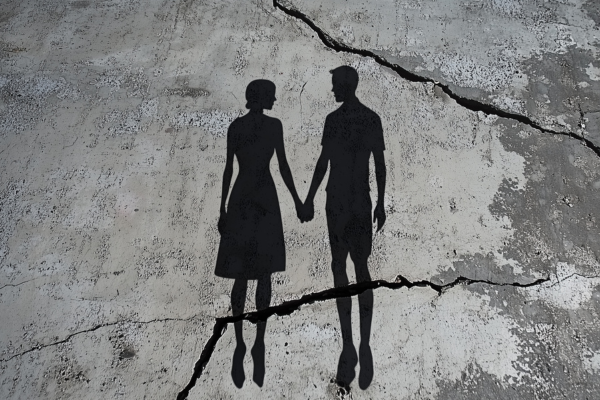
When we talk about trauma in a clinical setting, we often get stuck in the biology of it all. We talk about the amygdala, the nervous system, and cortisol levels. And while that’s all true because the brain is an organ that bears the brunt of shock, it’s only part of the story.
In my recent conversations with NATAL therapists, we kept coming back to a vital distinction: trauma speaks two languages. One is the language of the body that can include a racing heart and sleepless nights. The other is the language of the soul. It’s the language of betrayal, grief, and a feeling of “where do I go from here?”
As we look at the landscape of Israel today, we understand that community and relationships are playing an important role in resilience and new beginnings. For families, the rebuilding happens in the “space between” including our living rooms, kitchens, and the quiet moments between partners.

Beyond the Brain: Returning to the Language of the Soul
The Hebrew word for heart is Lev. In our tradition, it’s the center of our moral compass. Trauma creates a painful split where the mind knows you’re safe, but the heart does not believe that it’s true.
Healing is the work of “bringing it back to the heart.” In Israel, the trauma is collective and it’s a part of our history. We need “soul language” because we aren’t just trying to lower our heart rates—we’re trying to feel whole again. The opportunity and hope comes from the idea that in our brokenness, we are open enough to build something authentic.

The Shattered ‘Secret Code’ of Marriage
Every couple has a “secret code.” It’s unspoken rules about who handles the bills, who calms the kids, and who is the “strong one. According to NATAL’s research, the current national crisis has changed the code.
There are role reversals that nobody signed up for. The partner who was always the rock comes home from reserve duty and can’t find their footing. The partner who used to lean is suddenly the one holding everything up. Then there’s “simultaneous collapse” when both people are drowning at the same time, and there’s no one left to throw the lifeline.
The most dangerous part? Silence. We stop sharing because we think we’re “protecting” our spouse, but really, we’re just building a wall. Resilience isn’t about getting back to the “old” code. It’s about having the courage to write a new one together. A new code that admits, “I’m struggling today,” and realizes that’s actually a sign of strength.
Walking on Eggshells vs. Real Partnership
When there is trauma, it’s hard to tell if the trauma is talking or if it’s a person’s partner. The truth is, it cannot be separated, and maybe couples shouldn’t try. When we try to peel the trauma away from the person, we’re accidentally telling them that the version of them that is hurting isn’t the “real” them. But the person who is struggling is the real person right now.
We need to be asking: “What does my partner need at this moment?” Sometimes they need space, and sometimes they need you to just breathe with them.

Waking Up the Heart
There’s a survival mechanism called “dissociative collusion.” It’s a term for when both people in a house go numb just to get through the day.
Therapists tell us that to wake the heart back up, you can’t just flip a switch. It’s more like physical therapy where you start with small, manageable movements. Maybe it’s five minutes of sitting together without a phone. Maybe it’s a hand on a shoulder. We have to prove to our nervous systems that it’s safe to feel a little bit again. In Jewish tradition, we call this hithavut, which means a gradual kindling.
Finding the ‘Gold’ in the Cracks
Can a relationship actually be better after trauma? It sounds impossible, yet Post-Traumatic Growth is a well documented phenomenon.
They say it’s like Kintsugi, the Japanese art of fixing broken pottery with gold. The piece is still broken, but it’s stronger and more beautiful because of the repair. Couples who grow are the ones who develop a new, shared language. They stop fighting over the small stuff because they’ve faced the big stuff. They realize that “we need help” is a power move, not a surrender.
The Most Powerful Medicine: Co-Regulation
People’s nervous systems are created to communicate with each other. When one person is spiraling, the other’s calm presence. Their steady breathing, their low voice can literally pull the other person back to earth. It’s called co-regulation. In a year where mental health resources are stretched to the limit, each person has to be each other’s “therapeutic helpers.”
A Vision for a Resilient Israel
A resilient Israel isn’t one where trauma has disappeared. It’s an Israel where we aren’t ashamed to say, “I’m having a hard day.” Israelis, with the help of supporters around the world, are helping to build a society where protecting the heart is as urgent as protecting our borders. One family at a time, is the only way forward.